You may know your dog swallowed something if you notice vomiting, gagging, trouble eating, unusual drooling, belly pain, changes in bowel movements, coughing, choking sounds, or sudden behavior changes. Some dogs show no clear signs at first, so a missing object or a suspected swallowing event should be taken seriously.
Across the United States, dogs commonly explore their surroundings with their mouths, which means toys, socks, bones, trash, and small household items can sometimes become swallowed objects. A dog that eats a foreign object may recover without problems, but some items can become stuck in the throat, stomach, or intestines and require veterinary care.
The safest way to determine whether a dog swallowed something is to look for a combination of clues: what was missing, when it disappeared, your dog’s symptoms, and whether those symptoms are getting worse. Do not wait for severe signs if your dog may have swallowed a dangerous object such as a battery, sharp item, medication, toxin, or a large piece of material.
This guide explains the common warning signs, what to check at home, when to call a veterinarian, and mistakes to avoid. It is general educational information and does not replace an examination by a veterinary professional.
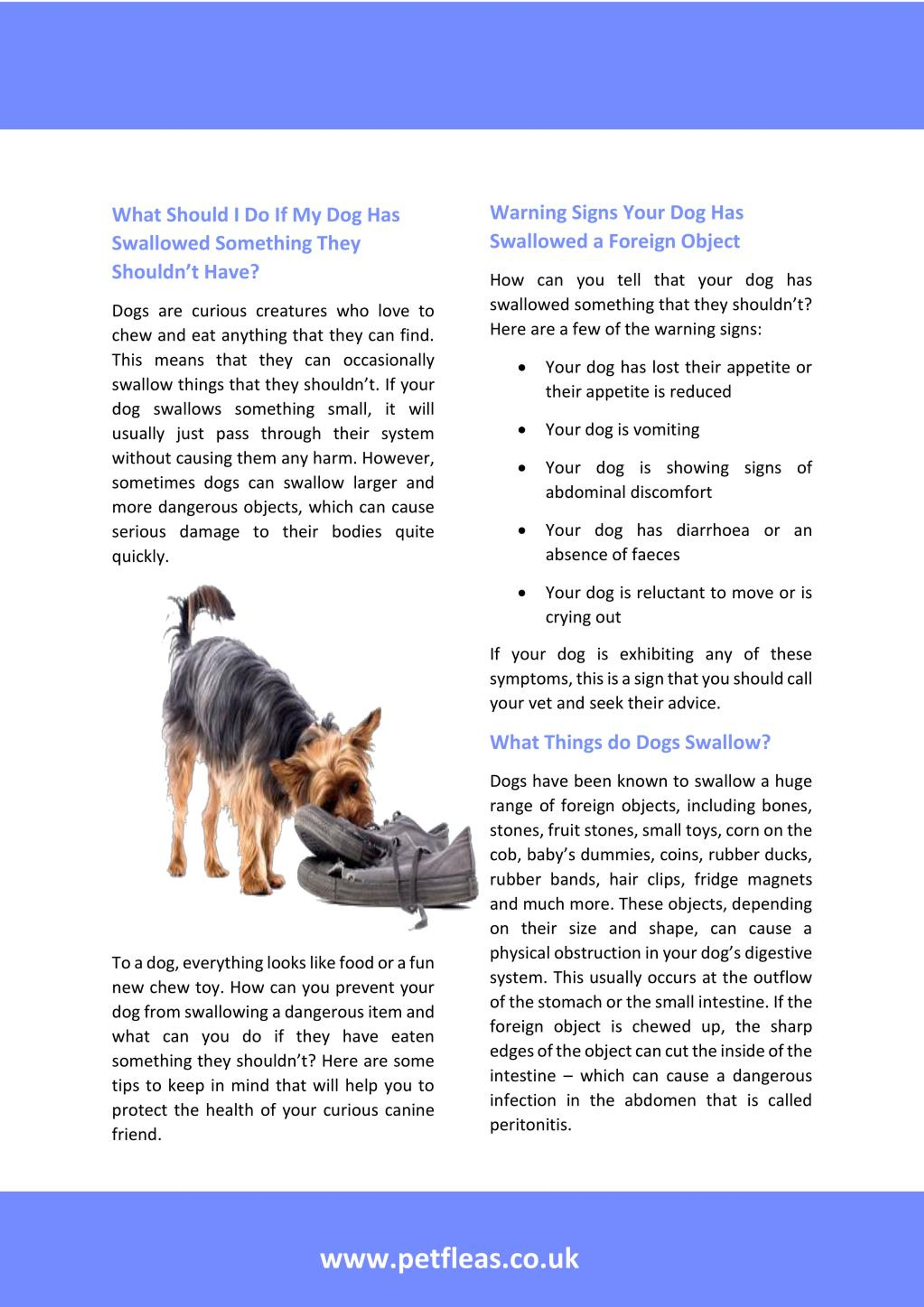
Source: animalia-life.club
Common Signs That Your Dog Swallowed Something
The signs of a swallowed object depend on where the object is located and whether it causes irritation, blockage, or injury. A small soft item may pass through the digestive system, while a larger or sharp object may create a serious emergency.
Some symptoms appear within minutes, while others may take hours or days. A dog that seems normal after swallowing an object is not always safe, because some foreign bodies do not cause immediate problems.
Source: animalia-life.club
Vomiting or repeated retching
Repeated vomiting, gagging, or trying to vomit without producing anything can indicate irritation or a possible obstruction.
Loss of appetite
A dog that refuses food or suddenly loses interest in treats may be experiencing discomfort or digestive trouble.
Excessive drooling
Drooling more than usual can happen when an object irritates the mouth, throat, or digestive tract.
Behavior changes
Restlessness, hiding, whining, low energy, or unusual aggression may signal pain or discomfort.
Signs That May Suggest A Blockage
A blockage happens when a swallowed object prevents food, fluids, or waste from moving normally through the digestive tract. The symptoms can vary based on the location and severity of the obstruction.
Possible warning signs include repeated vomiting, a swollen or painful belly, straining to poop, reduced stool production, and weakness. These signs should be evaluated by a veterinarian because untreated blockages can become dangerous.
Abdominal discomfort
Your dog may appear unable to get comfortable, stretch repeatedly, or react when the belly is touched.
Changes in bowel movements
Diarrhea, constipation, or unusual stool patterns may occur when digestion is affected.
How To Check If Your Dog May Have Swallowed A Foreign Object
Start by checking what changed. Look around your home for missing items such as socks, children’s toys, pieces of plastic, fabric, medication containers, food wrappers, or damaged dog toys.
The goal is not to diagnose the problem at home but to collect useful information. A veterinarian will often need to know what the object may be, when it was swallowed, your dog’s size, and what symptoms have appeared.
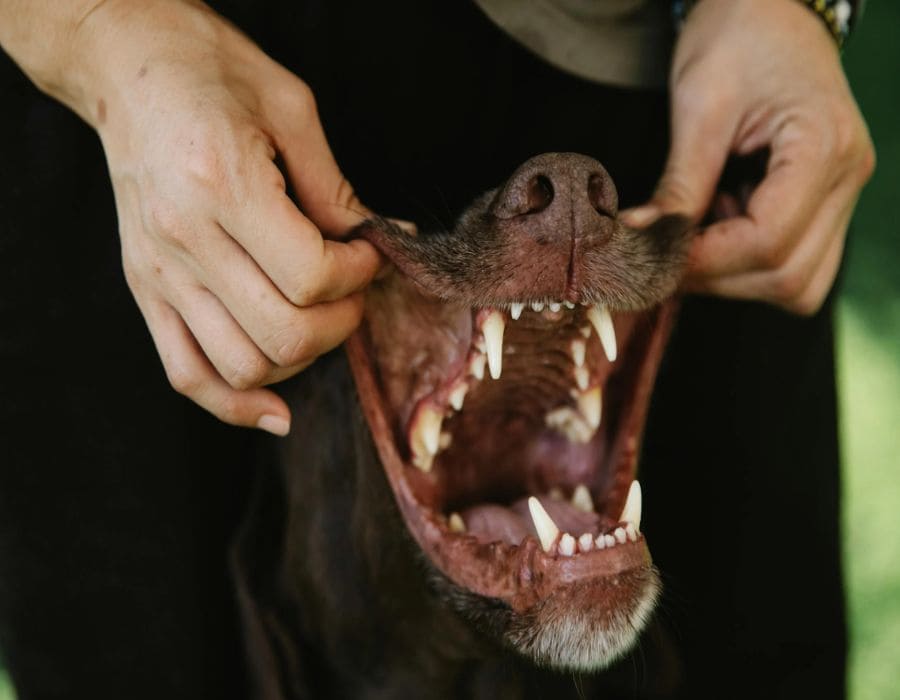
Source: medium.com
Inspect the area
Look where your dog was playing or resting and check whether a toy or household item is damaged or missing.
Observe your dog closely
Watch eating habits, drinking, energy level, breathing, vomiting, and bathroom behavior.
Record important details
Write down the possible object, approximate time, symptoms, and any changes you notice.
Questions To Ask Before Calling A Veterinarian
Having clear information can help your veterinarian decide how urgent the situation may be. Try to answer what was swallowed, how much may be missing, and whether your dog has shown symptoms.
Important details include your dog’s age, weight, breed, health history, and whether the object could contain toxins or sharp materials.
What object is missing?
A sock, battery, needle, bone fragment, or medication each carries different risks.
When did it happen?
Timing can affect which treatment options are available.
Which Swallowed Objects Are More Dangerous For Dogs
Not every swallowed item creates the same level of risk. A small soft object may pass naturally, while certain objects can cause poisoning, internal injury, or a blockage.
The danger depends on the object’s material, size, shape, and location inside the body. A veterinarian may use physical examination and diagnostic tools to determine the safest next step.
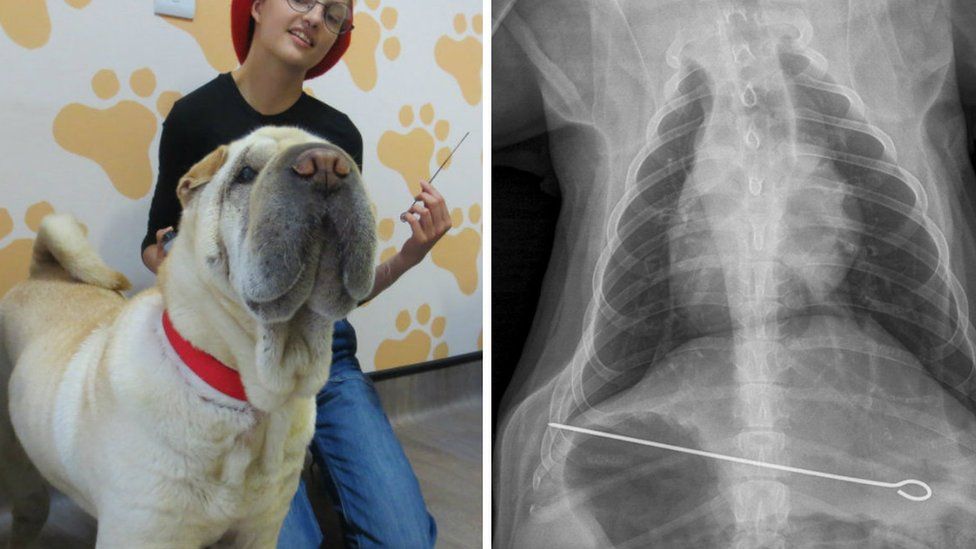
Source: SlideServe
Sharp objects
Items such as needles, broken plastic, or sharp bone pieces may injure the digestive tract.
String and fabric items
Linear objects like string, thread, and some fabrics can create serious digestive problems.
Toxic items
Medications, chemicals, batteries, and certain foods can cause poisoning in addition to physical blockage.
Large objects
A large item may become stuck even if it is not poisonous or sharp.
What To Do If You Think Your Dog Swallowed Something
The first step is to stay calm and prevent your dog from eating more of the same material. Quickly remove any remaining pieces from the area if it is safe to do so.
Do not try to pull an object from your dog’s throat unless it is clearly visible and easy to remove without causing injury. Pulling on an object that is stuck can make damage worse.
If you suspect your dog swallowed a dangerous item or your dog has symptoms, contact a veterinarian for guidance. Emergency care may be needed depending on the situation.
Source: animalia-life.club
Do not induce vomiting without advice
Some objects or chemicals can cause more damage if brought back up.
Keep the object if available
A sample or photo of the item may help the veterinarian understand the risk.
Seek urgent help for severe symptoms
Breathing trouble, collapse, severe pain, repeated vomiting, or suspected poisoning require prompt professional attention.
Common Mistakes To Avoid When A Dog Swallows Something
Many owners want to help quickly, but some common reactions can increase risk. The safest approach is to gather information and get professional advice when needed.
Avoid assuming your dog is safe just because symptoms have not appeared yet. Some foreign objects cause delayed problems.
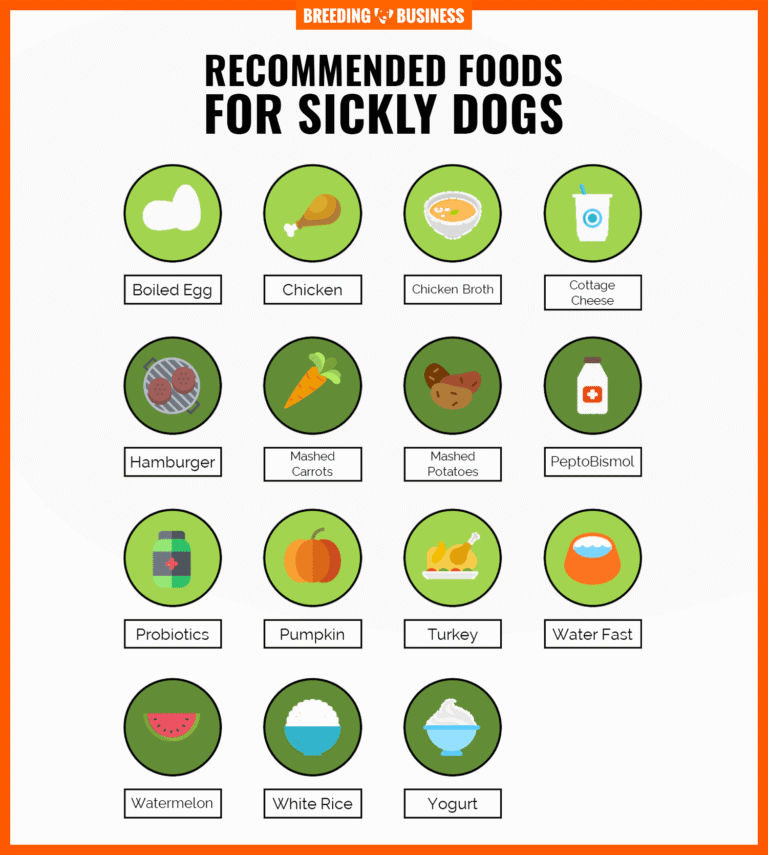
Source: catsanddogs.today
Waiting too long
Delaying care can make some blockages or toxic exposures harder to manage.
Giving home remedies
Foods, oils, or other remedies may not solve the problem and could delay proper treatment.
Ignoring missing objects
A missing item combined with behavior changes can be an important warning sign.
Frequently Asked Questions
Q
How long does it take for symptoms to appear after a dog swallows something?
Symptoms can appear quickly or may be delayed depending on the object and where it travels. Some dogs show signs within hours, while others may not show problems until later.
Q
Can a dog swallow something and act normal?
Yes. Some dogs continue normal behavior after swallowing an object, especially early on. Normal behavior does not always mean the object is harmless.
Q
Should I make my dog vomit if I think they swallowed something?
No. Do not make your dog vomit unless a veterinarian specifically tells you to. Some objects and substances can cause additional harm when vomited.
Q
What should I do if my dog swallowed a sock or toy?
Contact a veterinarian for advice, especially if the item is large, your dog is showing symptoms, or the object may become stuck.
Q
When is swallowing something an emergency?
Seek urgent veterinary help if your dog has trouble breathing, collapses, has repeated vomiting, severe pain, weakness, or may have swallowed a toxic or sharp object.
✦ Wrapping Up
Conclusion
Knowing how do i know if my dog swallowed something starts with recognizing changes in your dog’s behavior, appetite, digestion, and comfort. A missing object combined with symptoms should be treated seriously because some foreign bodies can become dangerous without early warning.
The safest response is to identify the possible object, monitor symptoms carefully, avoid unsafe home treatments, and contact a veterinarian when there is concern. Quick action and accurate information can help your dog receive the right care sooner.
💡 Key Takeaway
If you suspect your dog swallowed something, remove access to the remaining object, write down what happened, watch for warning signs, and contact a veterinary professional when the risk is uncertain.