Why Do Dogs Help Humans: The Science Behind It
Dogs help humans because they evolved alongside us in a way that makes them highly responsive to human cues, emotions, and routines. They support people through companionship, protection, assistance work, and emotional comfort. In the United States, dogs are also deeply woven into family life, service systems, and public spaces, which makes their help both practical and personal.
At the most basic level, dogs help humans because the relationship benefits both species. People provide food, safety, and care. Dogs provide attention, cooperation, and many forms of support that humans naturally value. That bond is not just sentimental; it is grounded in behavior, biology, and thousands of years of domestication.

What does it mean when people say dogs “help” humans?
Dogs “help” humans in several different ways: they can calm stress, alert us to danger, assist with disability-related tasks, encourage exercise, and reduce loneliness. The word help is broad, so it helps to separate emotional support from trained service work and from everyday companionship.
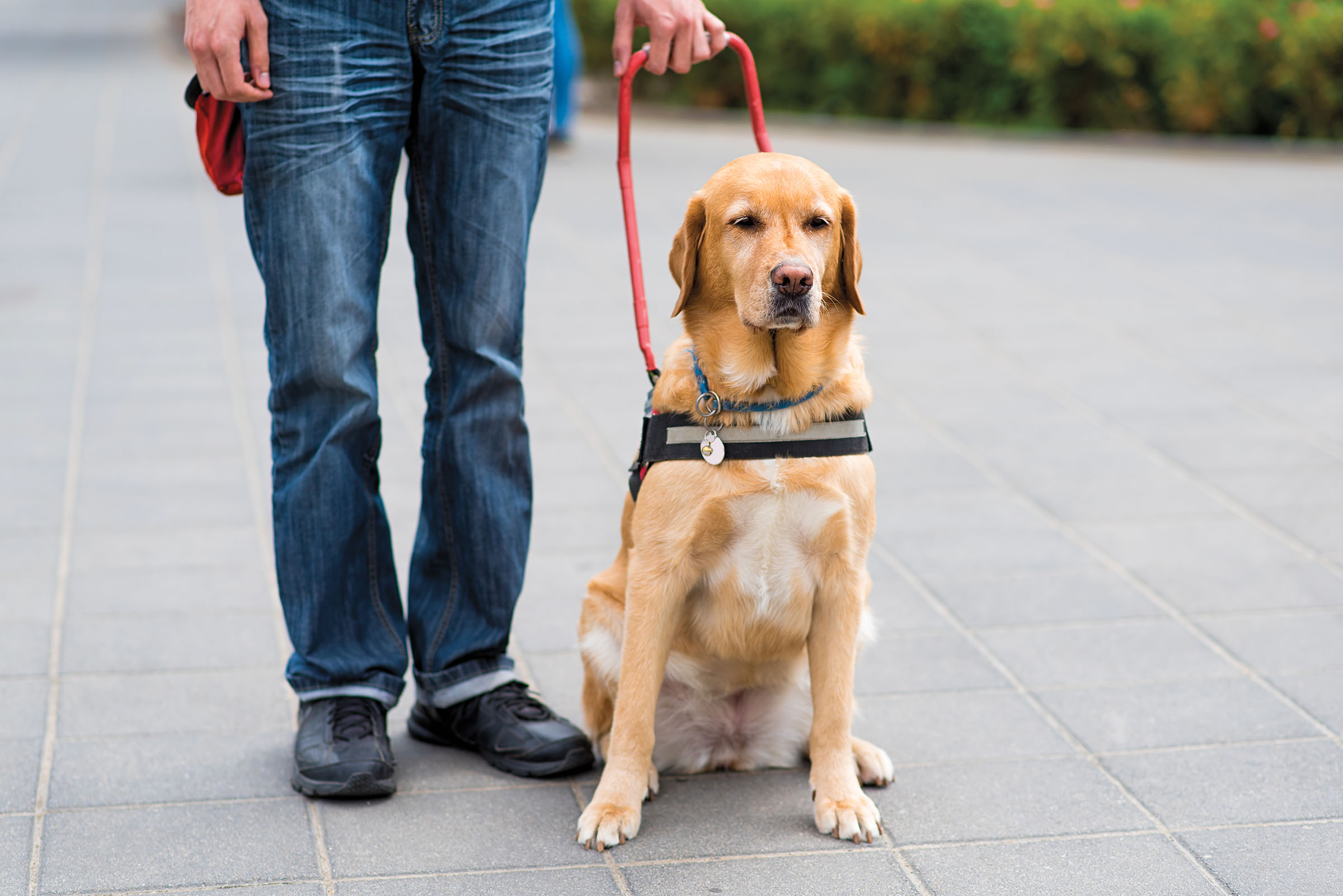
A pet dog may help by making a person feel less alone after work. A service dog may help by guiding a person with visual impairment or interrupting harmful behavior related to a medical condition. A police, search-and-rescue, or detection dog may help by using smell and training to find people or substances humans cannot detect as well.
This matters because the reason dogs help is not one single trait. It is a mix of social intelligence, sensitivity to human behavior, strong scenting ability, trainability, and a long history of living near people.
The main ways dogs help humans
| Type of help | What the dog does | Practical effect for humans |
|---|---|---|
| Companionship | Provides steady social contact and routine | Can reduce loneliness and improve mood |
| Emotional support | Responds to human tone, body language, and stress | May help people feel calmer |
| Service work | Performs trained tasks for disability-related needs | Increases independence and safety |
| Protection | Alerts, watches, or deters threats | Creates a sense of security |
| Detection | Uses smell to find people, drugs, explosives, or disease-related scents | Helps in rescue, law enforcement, and medical settings |
| Lifestyle support | Encourages walking and outdoor time | Supports physical activity and daily structure |
Why are dogs so good at helping humans?
Dogs are good at helping humans because they are unusually skilled at reading us. They notice voice, posture, movement, eye gaze, and routine. Many dogs also respond to human emotion in a way that makes them feel attentive and available.
Domestication plays a major role. Over many generations, dogs that were better at living near humans were more likely to survive and reproduce. That process favored traits that make dogs easier to live with, easier to train, and more likely to cooperate with people.
Dogs also have a sensory advantage that humans do not. Their sense of smell is far more powerful than ours, which is why they can help with search and rescue, detection, and some medical alert tasks. Humans and dogs fit together well because each species brings different strengths.
1. Dogs are highly social animals
Dogs are wired to live in social groups. That makes them responsive to human attention, praise, and daily patterns. When a dog bonds with a person, it often seeks closeness and learns the household’s rhythms.
That social nature is useful to humans because it creates reliable behavior. A dog that notices a person leaving, returning, eating, or resting can become a stabilizing presence in the home. For many people, that predictability feels reassuring.
2. Dogs can read human communication
Dogs are good at following human gestures, tone, and facial cues. They often know when a person is giving attention, calling them, or signaling approval. This makes training and teamwork easier than it would be with many other animals.
That ability helps in practical settings too. A dog can learn to respond to a specific command, a subtle cue, or a repeated routine. In service and therapy settings, that responsiveness is a large part of why dogs are so useful.
3. Dogs often lower stress
Interacting with a dog can help some people feel calmer. Petting a familiar dog, sitting near one, or taking a walk together can provide a break from stress. The routine of caring for a dog can also give a person structure during difficult times.
This does not mean dogs replace mental health care. But they can support well-being by adding comfort, predictability, and physical touch. For many Americans, that support is part of why dogs are valued at home, in hospitals, and in care settings.
4. Dogs are trainable
Dogs learn through repetition, reward, and clear cues. That makes them well suited for jobs that require consistency. Humans can shape many dog behaviors because dogs are motivated by food, praise, play, and social approval.
Training is the difference between a nice pet and a working dog. A dog does not automatically know how to guide someone across a street or alert to a medical event. Those skills come from structured training, practice, and reinforcement.
5. Dogs have a powerful sense of smell
A dog’s nose gives it an ability humans cannot match. That is why dogs are used in search and rescue, bomb detection, drug detection, and some medical screening work. Their scenting skill can turn invisible information into useful action.
In practical terms, that means dogs can help find missing people faster than humans alone in some situations. They can also help teams search large areas more efficiently. Their noses are one of the clearest examples of how a dog’s natural biology becomes human help.

How dogs help humans in daily life
Dogs help humans most often in ordinary, everyday ways. They create routine, encourage movement, and offer emotional connection. These small effects can add up over time.
A dog may wake a person up, remind them to go outside, or make a daily walk feel necessary instead of optional. That can support healthier habits. For people who live alone, a dog can also make a quiet home feel less empty.
Dogs can also help families build structure. Children often learn responsibility through feeding, grooming, and gentle handling. Adults may find that caring for a dog creates a daily rhythm that keeps them more engaged.
Common everyday benefits
- More physical activity: Dogs need walks, play, and outdoor time.
- More social contact: Dogs often start conversations between strangers.
- More routine: Feeding and care times create structure.
- More comfort: A dog’s presence can feel calming during stress.
- More awareness: Dogs may alert owners to visitors, sounds, or changes at home.
These benefits are not the same for every person or every dog. Breed, training, age, health, and household fit all matter. A high-energy dog can help an active person stay moving, while overwhelming someone who wants a quiet companion.
Why dogs help humans emotionally
Dogs help humans emotionally because they offer attention without complex social judgment. Many people find it easier to relax around a dog than around another person during stressful moments. The dog’s steady presence can feel simple and safe.
This does not mean dogs “understand” emotions in the human sense. But they often respond to tone of voice, posture, and routine in ways that feel emotionally supportive. That response can make a person feel seen, even when the dog is simply reacting to familiar cues.
Dogs can be especially helpful during isolation, grief, or recovery. A predictable daily bond can soften the feeling of being alone. For some people, that is one of the strongest reasons dogs matter so much.
Why dogs help humans physically and medically
Dogs can help humans physically by increasing movement and supporting certain health-related tasks. A dog that needs walking can nudge a person toward regular activity. Over time, that may support heart health, mobility, and daily energy.
Working dogs can also serve in medical contexts. Service dogs may assist people with mobility limitations, hearing loss, seizures, diabetes-related alerts, or psychiatric disabilities, depending on the dog’s training and the person’s needs. These dogs do not treat disease, but they can support safer daily living.
Important distinction: service dogs vs. emotional support dogs
| Category | What it does | Legal/training note in the U.S. |
|---|---|---|
| Service dog | Performs trained tasks for a person with a disability | Protected under the ADA when it meets the definition |
| Emotional support dog | Provides comfort by presence | Not the same legal category as a service dog |
| Therapy dog | Visits settings like hospitals or schools | Works with handler permission, not as a personal disability aid |
This distinction matters because not every helpful dog has the same role. A dog may be deeply comforting without being a service animal. That difference affects where the dog can go and what access rights apply.
How dogs help humans in work and public safety
Dogs help humans in jobs that require scent, speed, or close partnership. Search-and-rescue dogs can locate missing people in disaster zones or wilderness areas. Detection dogs can help identify substances or locate items that would be hard for humans to find quickly.
In public safety, dogs are valued because they extend human ability. They can search a larger area, move through difficult terrain, and detect odors at a level humans cannot. Their work often saves time, reduces risk, and improves outcomes.
Some dogs also work in hospitals, schools, courts, and therapy programs. In these settings, the goal is not detection or protection but comfort, stability, or support. Even there, the dog’s calm behavior and human focus are part of the help it provides.
Are dogs helping humans by instinct, training, or both?
Dogs help humans through both instinct and training. Instinct gives them the raw ability to bond, follow, and notice cues. Training shapes that ability into useful behavior.
A family dog may naturally seek closeness and react to routine. A working dog may be trained to perform a precise sequence of actions. In both cases, the human-dog relationship works because the dog is willing to engage and the human learns how to communicate clearly.
This is why not every dog helps in the same way. A dog’s breed, personality, early socialization, and health all influence how it behaves. Training can improve many things, but it cannot fully replace temperament or good fit.
What limits a dog’s ability to help?
Dogs are helpful, but they are not universal solutions. A dog may not be a good fit for a person with severe allergies, limited time, housing restrictions, or a lifestyle that makes regular care difficult. A poorly matched dog can add stress instead of relief.
Training and health also matter. A dog that is fearful, poorly socialized, or in pain may not be able to provide reliable help. In working roles, the dog must be screened, trained, and handled responsibly.
It is also important not to overstate what dogs can do. They can support well-being, but they do not replace medical treatment, mental health care, or safety planning. Their help is real, but it has limits.
Why humans and dogs help each other
Humans help dogs by feeding, protecting, housing, and training them. Dogs help humans by offering loyalty, service, and companionship. That exchange is one reason the relationship has lasted so long.
The bond works because both sides gain something meaningful. Humans get support, comfort, and practical help. Dogs get security, care, and a place in the social world of the home. In the United States, that partnership shows up everywhere from suburban houses to farms, airports, hospitals, and search teams.
Key takeaways
- Dogs help humans because they are social, trainable, and highly responsive to people.
- Their help can be emotional, physical, practical, or job-related.
- A dog’s strong sense of smell and ability to learn make it useful in service and detection work.
- The human-dog bond works best when the dog’s needs, temperament, and training match the task.
- Dogs support people, but they do not replace professional medical, mental health, or safety care.
FAQs
Why do dogs seem to love humans so much?
Dogs have been living alongside humans for thousands of years, so they are strongly adapted to human attention, routines, and rewards. Their behavior often reflects social bonding, not just obedience.
Do dogs actually understand when humans are sad?
Dogs may not understand sadness the way people do, but they often notice changes in voice, posture, and behavior. That can lead them to stay close or behave more gently.
Why are dogs better helpers than cats?
Dogs are generally more trainable and more responsive to human cues than cats. That makes them better suited for many service and working roles.
Can any dog help a human?
Any dog can offer companionship, but not every dog is suited for formal helping roles. Temperament, health, training, and fit all matter.
Are service dogs and emotional support dogs the same?
No. Service dogs perform trained tasks for a disability-related need. Emotional support dogs provide comfort through presence and do not have the same legal status.
Conclusion
Dogs help humans because they combine affection, attention, and usable skills in one animal. They can calm stress, support mobility, guide daily routines, and perform life-saving work. In the United States, that help is part of everyday life, from the home to public service settings.