Why Is My Puppy Not Eating Much? Causes, Warning Signs, and What to Do
If you are asking, “why is my puppy not eating much,” start by looking at the whole picture. One small meal does not always mean something is wrong. Puppies can have short-term changes in appetite after moving to a new home, changing food, feeling stressed, or starting to teethe.
The key is to notice what else has changed. A puppy that eats a little less but still drinks, plays, has normal stools, and acts bright may need simple feeding changes and close watching. A puppy that eats less and also becomes weak, vomits, has diarrhea, or acts unusually quiet needs more attention.
Puppies have small bodies and high needs for growth. They also have less reserve than adult dogs. That is why a lasting or sudden loss of appetite should not be ignored, especially in a very young or small puppy.

Why Is My Puppy Not Eating Much?
There is no single answer to why is my puppy not eating much. The cause can be mild, such as a new routine or teething, or more serious, such as an infection, stomach problem, pain, or another illness. Your puppy’s age, size, normal diet, and other symptoms all matter.
Look for a change from your puppy’s normal pattern. A puppy that leaves a few bites may simply be less hungry. A puppy that suddenly refuses every meal is more concerning, particularly if the change lasts or comes with other symptoms.
It also helps to check what your puppy has eaten outside the bowl. Treats, table food, chews, and food from other pets can reduce hunger at meal time. Free access to food can also make it harder to know how much your puppy really eats.
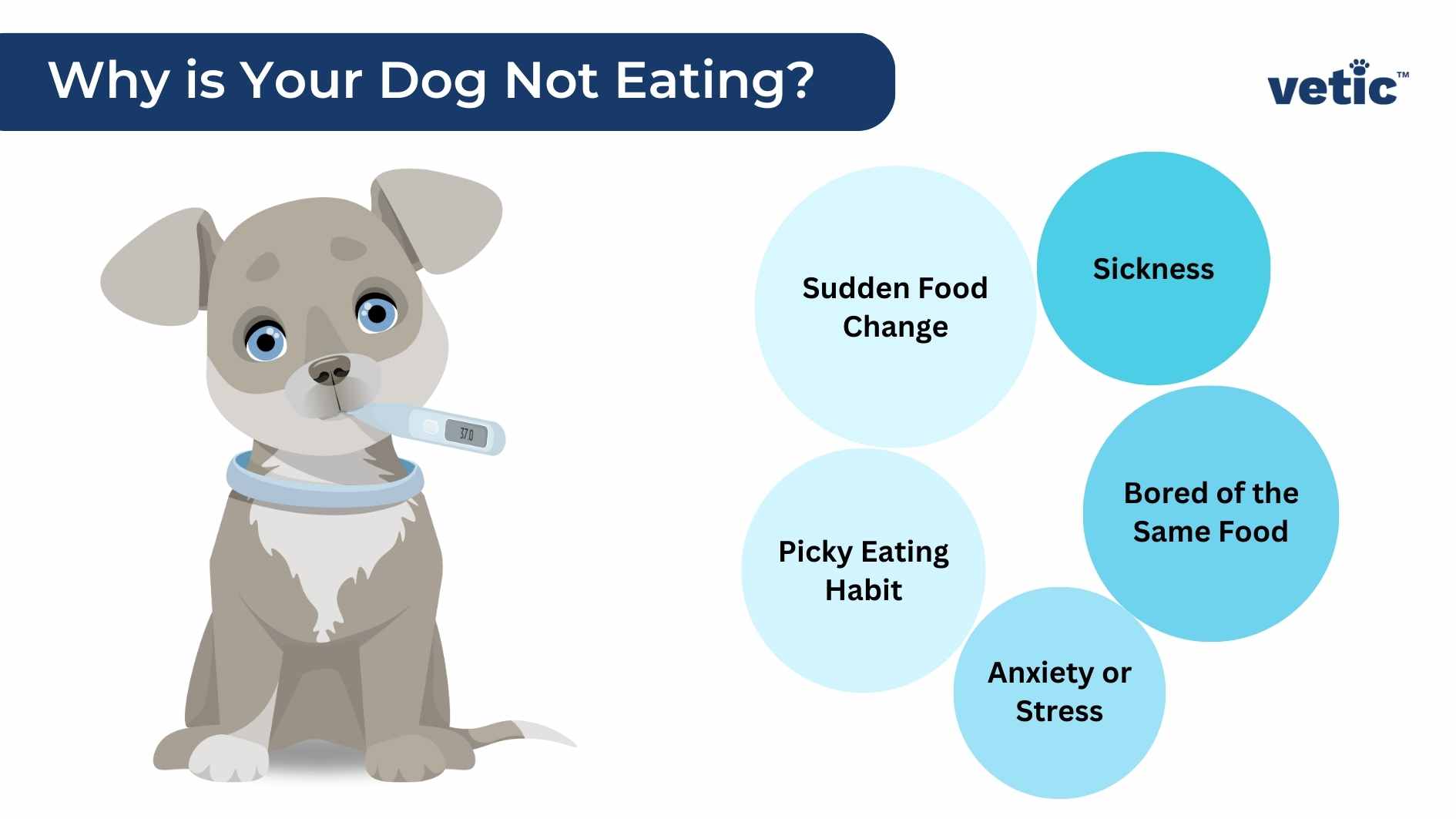
- ✦ Stress
Moving to a new home, meeting new people, loud sounds, travel, or changes in routine can lower appetite for a short time.
- ✦ Teething
Sore gums can make dry food less appealing. Some puppies eat more slowly or prefer softer food during this stage.
- ✦ Food changes
A sudden switch in brand, flavor, texture, or diet can upset the stomach or make a puppy reject the new food.
- ✦ Too many treats
Treats and chews add calories. A puppy may seem picky when it is simply less hungry after eating extras.
- ✦ Illness
Infections, parasites, stomach problems, pain, and other health issues can cause a drop in appetite.
A Small Appetite Change vs. Refusing Food
Eating less is different from refusing food. If your puppy eats some food and remains active and comfortable, you may have time to watch closely. If your puppy refuses food altogether or the amount keeps falling, take the change more seriously.
The answer to why is my puppy not eating much becomes more urgent when appetite loss appears with vomiting, diarrhea, marked tiredness, pain, fever, trouble breathing, or changes in behavior.
- ✦ Mild change
Your puppy eats some food, drinks normally, stays alert, and has no other clear signs of illness.
- ✦ More concerning change
Your puppy refuses meals, cannot keep food down, seems weak, or shows other new symptoms.
Common Reasons a Puppy Eats Less
When owners ask why is my puppy not eating much, the cause is often linked to a recent change. Puppies are still learning what is safe and normal. Even a small change in their home or routine can affect how they eat.
Start with simple questions. Did you bring the puppy home recently? Did you change the food? Is the bowl in a busy place? Has the weather been very warm? Did your puppy get extra treats? These details can help narrow down the cause.

- ✦ New home
A new home can feel overwhelming. Give your puppy a calm eating area and keep meal times steady.
- ✦ New food
A sudden diet change can cause stomach upset or food refusal. When possible, change food slowly over several days.
- ✦ Busy feeding area
Noise, children, other pets, or heavy foot traffic can make some puppies uncomfortable while eating.
- ✦ Warm weather
Some dogs eat less during hot weather. Make sure fresh water is always available and watch for signs of overheating.
- ✦ Too many extras
Treats, chews, human food, and training rewards can fill a small puppy quickly.
Stress and Routine Changes
Stress is easy to miss. A puppy may look healthy but still feel unsure after leaving its littermates or entering a new home. Changes in sleep, people, sounds, travel, or daily schedule can affect eating.
Keep meals in a quiet spot and follow a regular schedule. Give your puppy time to settle rather than turning every meal into a struggle.
- ✦ Keep meals calm
Use the same quiet feeding spot when possible and limit distractions during meals.
- ✦ Keep a routine
Offer meals at regular times so your puppy learns when food is available.
Teething and Mouth Pain
Teething can make chewing uncomfortable. A puppy may show interest in food but stop after a few bites. You may also notice more chewing, drooling, or sensitivity around the mouth.
Do not assume every appetite change is from teething. Mouth injuries, broken teeth, foreign objects, or other painful problems can also make eating hard. A veterinarian should check a puppy with clear mouth pain or a lasting refusal to eat.
- ✦ Watch chewing
Slow chewing, dropping food, or avoiding hard food can point to mouth discomfort.
- ✦ Avoid hard objects
Do not give very hard items that could damage young teeth.
Health Problems That Can Reduce a Puppy’s Appetite
A health problem is one of the most important causes to consider when asking why is my puppy not eating much. Puppies can develop stomach and intestinal problems, infections, parasites, pain, and other conditions that affect appetite.
A puppy that eats less and acts normal may not have an emergency. But appetite loss paired with other symptoms needs a lower threshold for veterinary care. Puppies can become dehydrated or weak faster than healthy adult dogs.
Do not try to diagnose the cause from appetite loss alone. Many different conditions can look similar at home. A veterinarian can use the history, physical exam, and tests when needed to find the cause.

- ✦ Vomiting
Repeated vomiting or inability to keep water down needs prompt veterinary advice, especially in a young puppy.
- ✦ Diarrhea
Diarrhea can lead to fluid loss. Bloody, severe, or repeated diarrhea is more concerning.
- ✦ Parasites
Intestinal parasites can affect appetite and digestion. Puppies commonly need parasite screening and routine deworming based on veterinary guidance.
- ✦ Infection
Infections can cause poor appetite along with tiredness, fever, vomiting, diarrhea, coughing, or other signs.
- ✦ Pain
Pain from the mouth, stomach, injury, or another problem can make a puppy reluctant to eat.
- ✦ Swallowed objects
Puppies explore with their mouths. Swallowing a toy, sock, bone piece, or other object can cause a serious blockage.
Puppy Illness Can Become Serious Quickly
A young puppy that stops eating should be watched closely. Very young or very small puppies have limited energy reserves, and poor intake can become more important when it continues.
If your puppy is not eating and also seems weak, unusually sleepy, shaky, confused, painful, or very ill, contact a veterinarian right away. Do not wait for the appetite to return on its own when serious signs are present.
- ✦ Call a veterinarian promptly
Seek veterinary advice for a puppy with a marked appetite drop, especially when the change lasts or comes with other symptoms.
- ✦ Seek urgent care
Use urgent or emergency veterinary care for severe weakness, trouble breathing, collapse, repeated vomiting, severe pain, or other signs of a serious problem.
What to Do When Your Puppy Is Not Eating Much
If you are still wondering why is my puppy not eating much, begin with a simple check of the food, routine, and your puppy’s behavior. Make sure the food is fresh and stored well. Check that your puppy has clean water and a quiet place to eat.
Avoid forcing food into your puppy’s mouth. This can increase stress and may create a bad link between your puppy and mealtime. Instead, make eating calm and easy while you watch for changes.
If your puppy has a health condition, is on medication, or has been told to follow a special diet, ask your veterinarian before changing the diet or adding new foods.

- ✦ Check the food
Make sure the food is fresh, suitable for puppies, stored correctly, and not past its best-by date.
- ✦ Check the bowl
Clean the bowl and place it in a calm area away from loud noise and competition from other pets.
- ✦ Limit treats
Keep treats and chews modest so they do not replace the balanced puppy food your dog needs.
- ✦ Keep water available
Provide fresh water at all times and watch for a change in drinking.
- ✦ Track meals
Write down what your puppy eats, drinks, and does each day. This can help your veterinarian spot a pattern.
Should You Try Different Food?
Changing food can help when a puppy dislikes a taste or texture, but repeated food changes can also upset the stomach. If you need to change diets, ask your veterinarian or breeder for guidance and make the change gradually when appropriate.
Do not keep offering many different foods just to make your puppy eat. This can make it harder to identify a food problem and may teach a puppy to wait for something better.
- ✦ Choose puppy food
Use a complete and balanced food made for your puppy’s life stage and size when appropriate.
- ✦ Change slowly
A gradual transition is often easier on the digestive system than a sudden switch.
How Often Should Puppies Eat?
Puppies usually need several meals during the day because they have small stomachs and high energy needs. The exact schedule depends on age, size, breed, health, and the food being fed.
Follow the feeding guide on the food label as a starting point, then adjust with your veterinarian as your puppy grows. A scheduled meal plan also makes it easier to notice when appetite changes.
- ✦ Young puppies
Very young puppies often need more frequent meals than older puppies. Ask your veterinarian about the right schedule for your puppy.
- ✦ Growing puppies
As puppies grow, meal frequency can change. Keep portions and nutrition suited to the puppy’s age and size.
When Should You Call the Veterinarian?
Knowing when to call is a major part of answering why is my puppy not eating much. Puppies can have short periods of lower appetite, but you should not rely on a fixed number of hours for every puppy. Age, body size, health, and other symptoms all change the level of concern.
Call your veterinarian when your puppy has a clear or ongoing drop in appetite, especially if you do not know why it happened. A prompt call is also wise when appetite loss comes with vomiting, diarrhea, pain, fever, coughing, unusual tiredness, or changes in drinking or urination.
Get urgent veterinary help when your puppy collapses, has trouble breathing, has severe or repeated vomiting, shows severe weakness, has a swollen or painful belly, or may have swallowed a dangerous object. If you suspect poisoning, contact a veterinarian or an appropriate pet poison service without waiting for symptoms to worsen.
- ✦ Sudden refusal to eat
A sudden and complete refusal of food deserves more attention than simply leaving a few bites behind.
- ✦ Vomiting or diarrhea
These signs can cause fluid loss and may point to illness that needs treatment.
- ✦ Low energy
Marked weakness, unusual sleepiness, shaking, confusion, or collapse can be signs of a serious problem.
- ✦ Pain
Whining, a tense belly, trouble getting comfortable, or avoiding touch can signal pain.
- ✦ Possible poisoning or blockage
If your puppy may have swallowed a harmful substance or object, seek veterinary advice promptly.
What Information Should You Give the Vet?
Good notes can make a veterinary visit more useful. Write down when your puppy last ate a normal meal and how much food was offered and eaten. Also note water intake, vomiting, stool changes, energy, and any unusual behavior.
Tell the veterinarian about new foods, treats, medications, supplements, travel, contact with other dogs, and anything your puppy may have chewed or swallowed. If possible, keep the food package and know the product name and feeding amount.
- ✦ Food history
Record the food type, amount offered, amount eaten, treats, and any recent food changes.
- ✦ Other symptoms
Note vomiting, diarrhea, coughing, sneezing, pain, low energy, changes in drinking, or changes in urination.
- ✦ Possible exposure
Tell the veterinarian about possible access to toys, chemicals, medications, plants, human food, trash, or other unsafe items.
How to Prevent Feeding Problems in Puppies
Preventing appetite problems starts with a steady routine. Feed a suitable puppy diet, use measured portions, keep treats under control, and give your puppy a calm place to eat. These simple habits also make it easier to spot a true change in appetite.
Puppy-proof your home as well. Young dogs often chew and swallow things they find on the floor. Keeping socks, toys with loose parts, medications, chemicals, and unsafe foods out of reach can reduce the risk of emergencies.
Regular veterinary care also matters. Your veterinarian can help with vaccines, parasite control, nutrition, growth, and other parts of puppy health. A healthy growth plan can make it easier to notice when something changes.

- ✦ Use a regular meal schedule
Scheduled meals help your puppy build a predictable routine and let you track food intake.
- ✦ Measure portions
Measuring food helps prevent accidental overfeeding and gives you a clearer idea of how much your puppy eats.
- ✦ Keep treats modest
Training treats should not replace the balanced nutrition in your puppy’s regular meals.
- ✦ Puppy-proof the home
Remove small objects, medicines, chemicals, toxic foods, and other items your puppy could chew or swallow.
- ✦ Keep health visits regular
Routine veterinary visits help monitor growth, nutrition, vaccines, parasite control, and overall health.
Keep a Simple Puppy Food Log
A food log is one of the easiest ways to understand an appetite change. Write down each meal, how much your puppy ate, and any treats or chews. Add notes about water, stool, vomiting, energy, and behavior when something seems different.
This habit is useful even when your puppy is healthy. It gives you a baseline, so a later change is easier to spot and explain to your veterinarian.
- ✦ Record meals
Note the time, food, amount offered, and amount eaten.
- ✦ Record symptoms
Add any changes in stool, vomiting, energy, drinking, or behavior.
Why Is My Puppy Not Eating Much but Still Acting Normal?
This is a common situation and is often less alarming than appetite loss with clear illness signs. Your puppy may have eaten more treats, may be adjusting to a new routine, or may simply be less hungry at one meal.
Still, normal behavior does not prove that everything is fine. Keep watching food and water intake, stools, energy, and behavior. If the reduced appetite continues or new symptoms appear, contact your veterinarian.
Do not focus only on the empty bowl. Your puppy’s overall behavior and physical signs give important clues about whether the change may be minor or needs medical attention.

- ✦ Check recent treats
Extra training rewards, chews, or table food can reduce hunger at the next meal.
- ✦ Check the routine
Travel, visitors, a new home, noise, or schedule changes can affect eating.
- ✦ Watch the trend
One small meal is different from a steady decline in food intake.
Why Is My Puppy Not Eating Much but Drinking Water?
A puppy that drinks but eats less may have a mild appetite change, but drinking does not rule out illness. Stomach upset, infection, pain, and other problems can affect food intake while water intake remains normal or even increases.
Watch for vomiting, diarrhea, changes in urination, weakness, pain, or unusual thirst. If these signs occur or the appetite problem continues, ask your veterinarian for advice.
- ✦ Normal drinking
Normal water intake is reassuring but does not by itself explain a loss of appetite.
- ✦ Increased drinking
A clear increase in thirst, especially with poor appetite or other symptoms, should be discussed with a veterinarian.