Why Are Dogs Used In Research: Key Reasons Explained
Dogs are used in research because their biology can help scientists study diseases, medicines, and safety questions in ways that sometimes cannot be answered with cell studies or computer models alone. In the United States, dog research is heavily regulated, limited to specific scientific needs, and reviewed through animal welfare rules that require humane care and justification. The key point is simple: dogs are used when a study needs a living system that can reveal how a treatment or condition affects a whole body, not just isolated tissue.
What “dog research” means in the United States
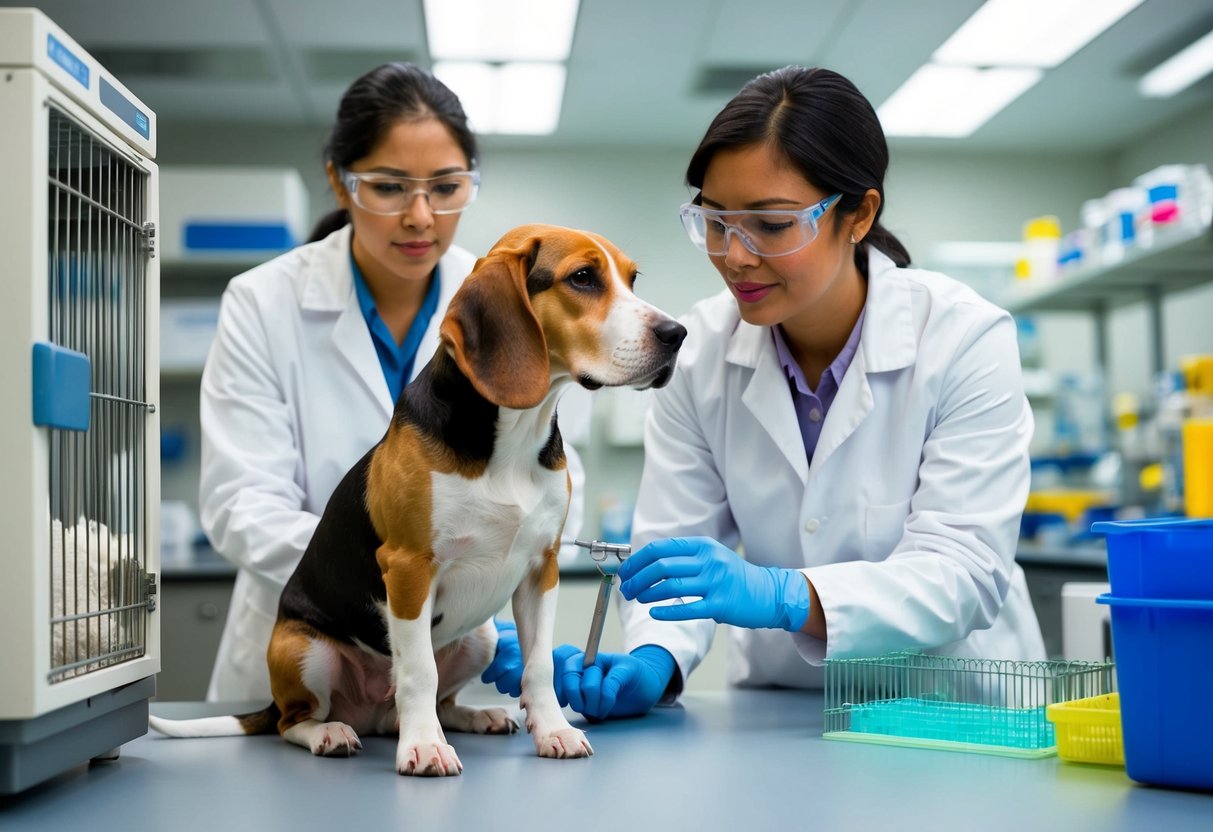
Dog research refers to scientific studies that use dogs as animal subjects, usually in biomedical, veterinary, or safety research. In the U.S., this can include work on heart disease, pain, pharmacology, implants, infectious disease, and veterinary medicine. It does not mean dogs are used for every kind of experiment; federal oversight requires that researchers justify why dogs are needed and why other methods are not enough.
A dog is considered a large animal model. That matters because body size, organ function, blood volume, and long-term monitoring can make some questions easier to study than in mice or rats. In practical terms, dogs can help researchers observe how a medicine moves through the body, how a device performs, or how a disease progresses over time.
Why dogs are used in research
Dogs are used in research for a few main reasons, and each one relates to a different scientific need.
1. Their physiology can answer whole-body questions
Dogs have organ systems that can be useful for studying circulation, breathing, digestion, and metabolism. Researchers often need a living system that shows how one organ affects another. A lab dish cannot show that.
For example, if a drug affects heart rate, blood pressure, liver processing, and kidney clearance at the same time, scientists may need an animal model to see the full effect. Dogs can sometimes provide that integrated picture.
2. Their size supports medical device testing
Dogs are large enough for some surgical, cardiovascular, and implant studies that are not practical in smaller animals. That makes them useful for testing pacemakers, heart valves, orthopedic devices, and other technologies that must fit, move, and function inside a body of meaningful size.
This does not mean a device is ready for people just because it worked in dogs. It means the model can provide an important step in development before human studies.
3. Some diseases occur naturally in dogs
Dogs can develop naturally occurring conditions that resemble human diseases. In some cases, this helps researchers study disease progression and treatment response in a real-world setting, not just in artificially induced disease models.
This is especially relevant in veterinary research and in comparative medicine, where findings may help both dogs and humans. Natural disease can be valuable because it may reflect immune, genetic, or aging factors that are hard to recreate in the lab.
4. Their genetics and breeding history can aid research
Certain breeds have well-described traits, and some inherited conditions appear more often in specific lines. That can make dogs useful for studying genetics, rare disease patterns, and breed-linked medical problems.
That said, breed differences also create limits. A result in one breed may not apply to all dogs, and it may not translate cleanly to humans either.
What researchers study with dogs
Dog research is not one single field. It spans several practical areas.
Drug safety and pharmacology
Researchers may study how a medicine is absorbed, distributed, metabolized, and excreted. They may also observe side effects at different doses. This can help determine whether a drug should move forward in development.
Cardiology
Dogs have been used in studies of heart rhythm, blood flow, heart failure, and implanted cardiac devices. Their heart size and circulation can make some measurements more feasible than in smaller species.
Orthopedics and surgery
Researchers may evaluate joint repair, bone healing, artificial implants, and surgical techniques. Large animals can be useful when the question depends on weight-bearing, movement, or device durability.
Neurology and pain
Some studies examine nerve function, seizure disorders, pain pathways, or rehabilitation methods. These questions often require monitoring behavior and physiology together.
Veterinary medicine
Not all research involving dogs is aimed at human medicine. Some studies are designed to improve dog health directly, including treatments for cancer, infection, arthritis, and congenital disease.
Why not use only computer models or cell studies?
Computer models, organoids, and cell cultures are essential, but they do not replace every animal study. Each method answers a different question.
| Research method | What it can show | What it cannot show well |
|---|---|---|
| Cell culture | Basic biology, toxicity, molecular effects | Whole-body responses, behavior, long-term metabolism |
| Computer modeling | Likely patterns, dose predictions, comparisons | Real tissue interactions and unexpected side effects |
| Small animals | Fast screening, genetics, basic disease work | Some large-body surgery, device testing, and complex physiology |
| Dogs | Whole-body and large-animal questions | Direct proof for humans without further testing |
In plain terms, researchers use dogs when the question is too complex for a dish or a model and too specific for a smaller animal. The goal is not convenience. The goal is better evidence before moving to human trials or veterinary use.
How dog research is regulated in the U.S.
Dog research in the United States is tightly controlled. Federal rules require oversight, humane housing, veterinary care, and a scientific reason for using dogs.
Main safeguards include:
- Review by an Institutional Animal Care and Use Committee (IACUC)
- Compliance with the Animal Welfare Act and related federal rules
- Veterinary supervision and pain management when appropriate
- Use of alternatives when they can answer the question
- A requirement to minimize pain and distress
Researchers must justify why dogs are necessary and why the study cannot be done another way. This matters because U.S. policy is based on the principle of reduction, refinement, and replacement: use fewer animals, reduce harm, and replace animals when a valid alternative exists.
What makes dogs a difficult choice, ethically and scientifically
Dogs are chosen only when the scientific need is strong enough to justify the ethical burden. That is the central tension.
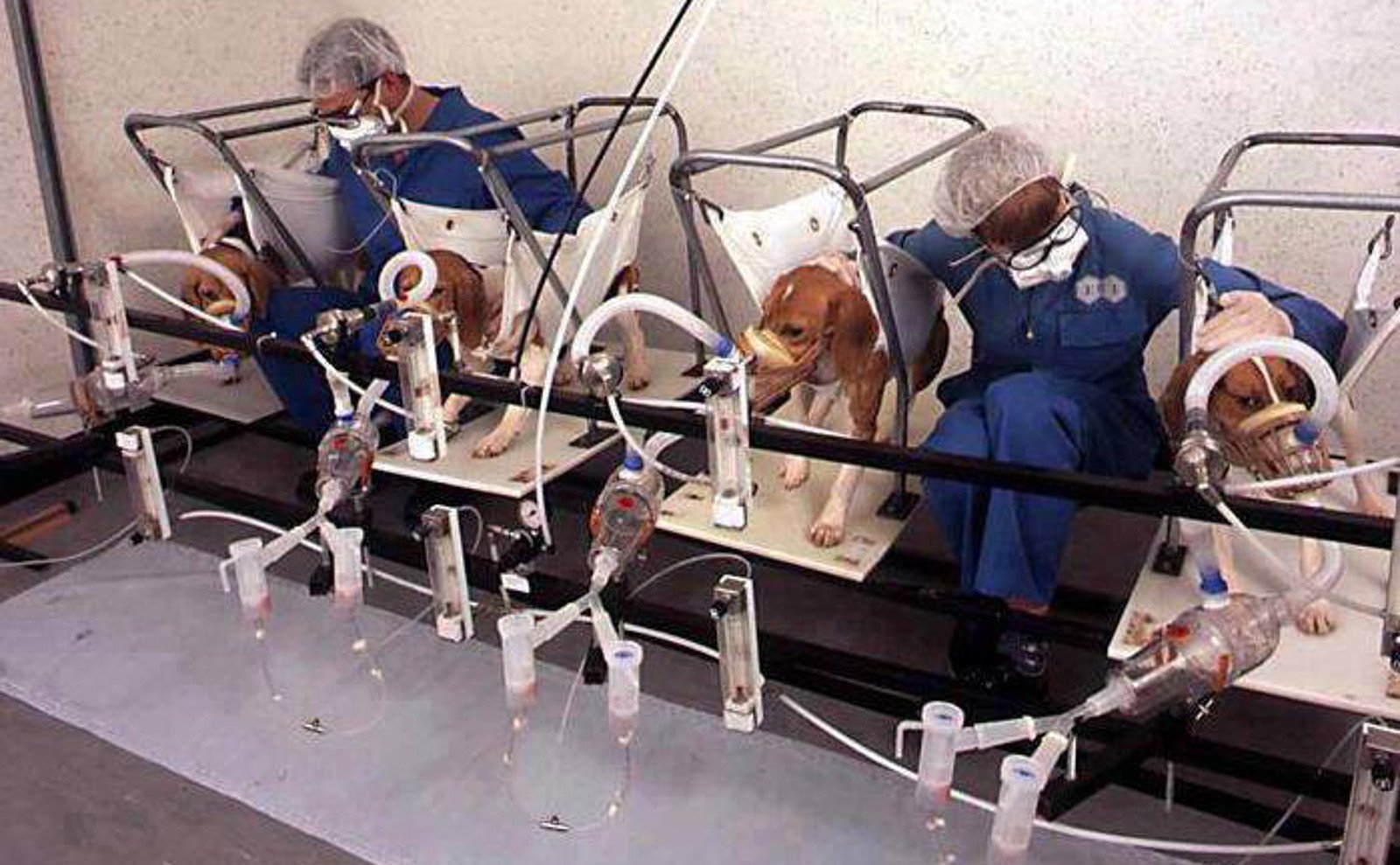
Dogs are social, intelligent animals that people often see as companions. Because of that, public concern is high, and oversight is strict. Researchers must balance three things at once:
- scientific value
- animal welfare
- availability of non-animal methods
A study can be scientifically useful and still be rejected if the animal use is not justified or the welfare risks are too high. That is one reason dog research is far less common than research in mice and rats.
Common misunderstandings about dog research
“Dogs are used because they are easy to get.”
No. Access alone is not a valid reason. In the U.S., researchers must justify the species choice and show that dogs are scientifically necessary.
“Dog studies prove something will work in people.”
Not exactly. Dog studies can support safety or biological understanding, but they do not guarantee success in humans. Human trials are still needed.
“All dog research is the same.”
It is not. Veterinary studies, drug safety studies, and device studies serve different purposes and have different oversight needs.
“If a study uses dogs, it must be unethical.”
That is too broad. Ethical review and legal controls matter, and some studies may produce important medical knowledge. The ethical question is whether the study is necessary, humane, and properly regulated.
When dog research is more likely to be justified
Dog research is more likely to be justified when all of the following are true:
- The question involves whole-body biology or a large-animal need.
- Cell studies and computer models are not enough.
- Smaller animals cannot answer the question well.
- The study has a serious medical or veterinary purpose.
- The protocol includes strong welfare protections.
If one of these conditions is missing, the case for using dogs becomes weaker. In practice, that is why many proposals never move forward.
Limitations of dog research
Dog research has clear limits, and readers should not overlook them.
Species differences
Dogs are not small humans. Their metabolism, immune response, and disease patterns can differ in important ways.
Translation limits
A result in dogs may not predict the same result in people. That is especially true for complex diseases and behavior-linked outcomes.
Ethical constraints
Researchers cannot do anything they want just because the question is interesting. Welfare rules shape what can be studied and how.
Public trust
Because dogs are strongly associated with companionship, researchers must maintain transparency and care. Poorly justified studies can damage trust in science.
Practical takeaway: what dog research is really for
Dog research is used to answer specific scientific questions that need a whole living system, especially when size, physiology, or natural disease makes dogs informative. It is not a default choice, and it is not a shortcut around human testing. In the United States, it is a regulated, limited, and highly scrutinized tool used only when the expected knowledge is important enough to justify the ethical cost.
FAQs
Why are dogs chosen instead of mice?
Dogs are chosen when the study needs a larger body, different physiology, or a naturally occurring disease model that mice cannot provide.
Are dogs still used in U.S. research?
Yes, but much less often than smaller animals. Their use is restricted and reviewed.
Do dog studies help humans?
Sometimes. Dog studies can inform drug safety, disease biology, and medical devices, but they do not replace human trials.
Is dog research legal in the U.S.?
Yes, when it follows federal animal welfare rules and institutional review requirements.
What alternatives are replacing dog studies?
Researchers use cell culture, organoids, computer models, human tissue studies, and smaller animal models whenever they can answer the question adequately.
Next step
If you want, I can also turn this into:
- a shorter blog post version,
- a more academic article with citations,
- or a parent-friendly FAQ page on animal research and ethics.