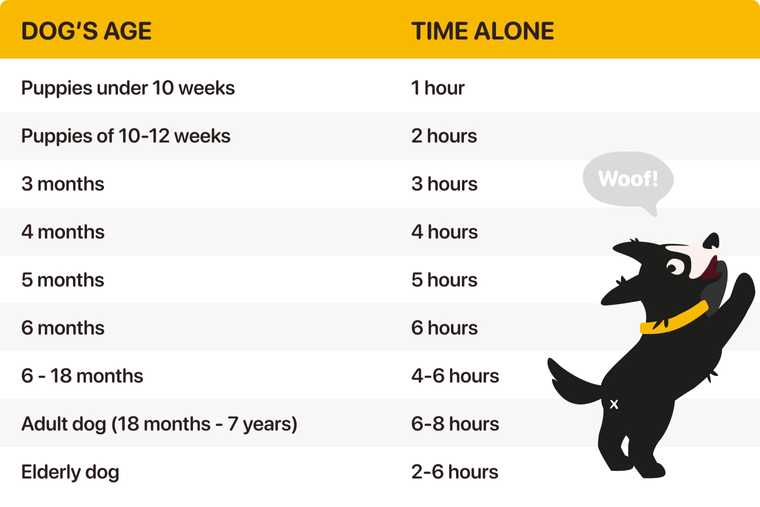
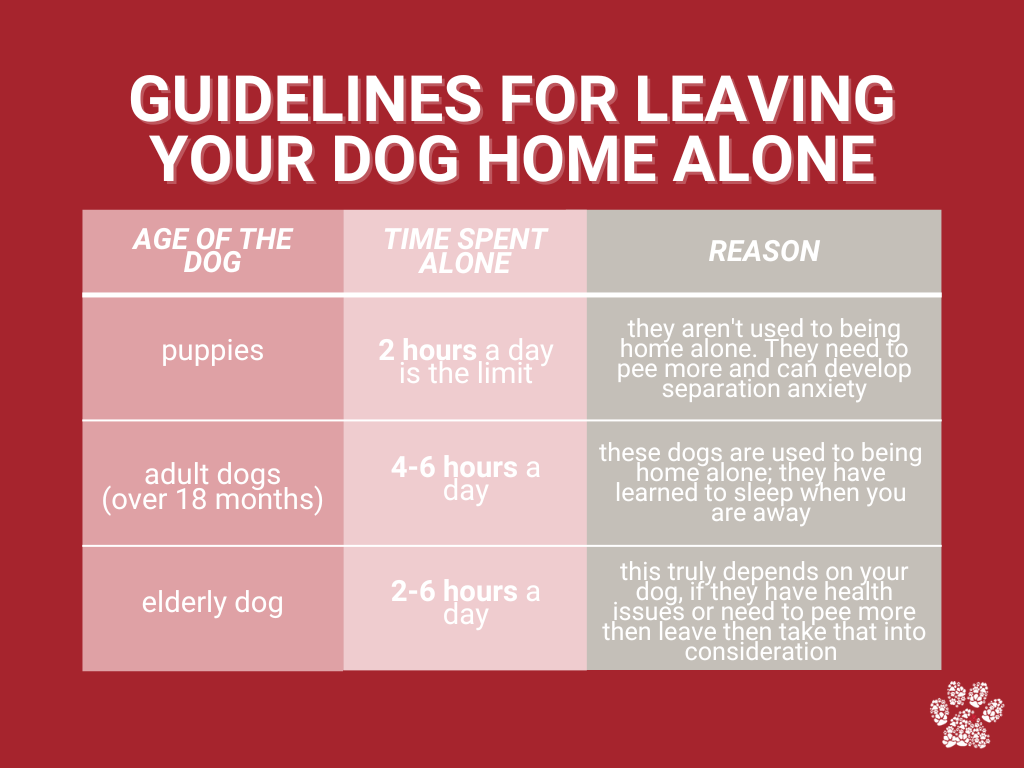
Most adult dogs can be left alone for about 4 to 6 hours at a time, but the safe limit depends on age, health, training, bathroom needs, and the dog’s ability to stay calm alone.
In the United States, many dog owners leave home for work, school, errands, or appointments and need to know how much alone time is reasonable for their pets. A dog being home alone for a few hours is usually normal, but long periods without care can create problems related to bathroom needs, boredom, stress, and health.
The right amount of alone time is not the same for every dog. A healthy adult dog with good training may handle several hours alone, while a young puppy, senior dog, or dog with medical or behavior concerns may need shorter periods. The goal is not simply counting hours but creating a safe routine that meets the dog’s physical and emotional needs.
Source: woofz.com
How Long Can A Dog Be Left Alone Safely?
For many adult dogs, being left alone for around 4 to 6 hours is a reasonable starting point. Some dogs may tolerate a longer period occasionally, while others may struggle after only a short time. A dog’s comfort level matters as much as the clock.
Dogs are social animals, and they also need opportunities to move, drink water, use the bathroom, and interact with their environment. A long period alone is not automatically harmful, but repeated long absences without proper care can affect a dog’s physical and emotional well-being.
Source: worldanimalfoundation.org
Healthy adult dogs
Many adult dogs with established routines can handle several hours alone if they have access to water, a safe area, and enough exercise before and after the separation.
Individual differences
Breed traits, personality, training history, health status, and previous experiences all influence how a dog responds to being alone.
Regular schedule matters
Dogs often adjust better when alone time happens on a predictable schedule rather than changing from short absences to very long absences.
Why There Is No Single Time Limit For Every Dog
A calm adult dog and a young puppy may live in the same home but have very different needs. A puppy may need frequent bathroom breaks and guidance, while an older dog may need help because of mobility issues or health conditions.
The best measure is the dog’s behavior and ability to remain comfortable. A dog that sleeps, rests, and calmly waits for your return is showing different signs than a dog that becomes distressed or destructive.
Age
Young puppies usually need shorter alone periods because they have developing bladder control and need training support.
Health
Medical conditions can increase bathroom needs, discomfort, or the need for medication and monitoring.
How Age Changes A Dog’s Ability To Stay Alone
A dog’s age is one of the biggest factors when deciding how long they can stay home alone. Puppies, adult dogs, and senior dogs have different physical and emotional needs.
Age guidelines are not strict rules. They are starting points that should be adjusted based on the individual dog.
Source: furbo.com
Puppies
Young puppies often need frequent breaks, supervision, and gradual alone-time training. Leaving a puppy alone too long can interfere with house training and increase stress.
Adult dogs
Most healthy adult dogs are usually the easiest group to leave alone because they often have better bladder control and established habits.
Senior dogs
Older dogs may need shorter alone periods due to arthritis, medical needs, cognitive changes, or increased bathroom frequency.
Puppy Alone Time Needs
Puppies should learn independence slowly. Short departures that gradually increase help them understand that being alone is temporary and safe.
A puppy that is suddenly left alone for many hours may develop problems such as accidents, chewing, barking, or fear-related behaviors.
Start small
Begin with short periods and increase time only when the puppy remains relaxed.
Factors That Decide How Long Your Dog Can Stay Home Alone
The number of hours a dog can safely stay alone depends on more than age. A complete assessment includes physical needs, behavior, environment, and daily routine.
Two dogs of the same age and breed may have different limits because their personalities and life experiences are different.
Source: storage.googleapis.com
Bathroom needs
Dogs need reasonable opportunities to urinate and defecate. Long periods without breaks may cause discomfort or accidents.
Exercise level
Dogs with high energy needs may struggle if they spend many hours without activity or mental stimulation.
Training history
Dogs that have learned calm independence often handle alone time better than dogs with separation-related distress.
Home environment
A safe, comfortable space with water and appropriate enrichment can make alone time easier.
Signs Your Dog May Be Alone Too Long
A dog that cannot cope with alone time may show changes in behavior. These signs should be treated as communication rather than simple disobedience.
If these problems appear often, reducing alone time and discussing concerns with a veterinarian or qualified behavior professional may help.
Destructive behavior
Chewing doors, furniture, or objects may indicate boredom, stress, or frustration.
Excessive vocalization
Repeated barking, whining, or howling can be a sign that the dog is struggling.
Bathroom accidents
New accidents in a trained dog may indicate a medical issue or that the dog cannot comfortably wait.
How To Prepare A Dog Before Leaving Them Alone
Preparing a dog before leaving reduces stress and helps create a positive routine. The goal is to meet basic needs before the separation begins.
A safe setup is especially important for dogs that are still learning household rules or adjusting to a new home.
Source: hippo.com
Provide exercise first
A walk, play session, or mental activity before leaving can help a dog relax.
Create a safe area
Remove hazards and provide access to water, comfortable resting space, and suitable enrichment.
Practice departures
Short practice sessions help dogs learn that leaving and returning are normal events.
Keep arrivals calm
A calm return can help prevent extreme excitement around departures and arrivals.
When A Dog Cannot Be Left Alone For Your Schedule
Some owners have work schedules or responsibilities that require longer absences than their dog can comfortably manage. In these cases, the solution is usually adjusting the routine rather than forcing the dog to adapt.
Options may include a trusted person visiting, a dog walker, daycare, or changing the dog’s environment during long absences.
Use support when needed
Extra care can provide bathroom breaks, exercise, and social contact during longer days.
Common Mistakes When Leaving Dogs Alone
Many problems happen because owners increase alone time too quickly or overlook their dog’s individual needs. Small changes can often make a large difference.
Dogs often need gradual practice to become comfortable spending time alone.
Ignoring behavior changes
New signs of distress should not be dismissed because they may indicate an underlying problem.
Assuming every dog has the same limit
Breed, age, personality, and health make each dog’s needs different.
A Practical Daily Decision Guide
Before leaving your dog alone, consider whether the planned time matches the dog’s age, health, and normal routine. A short checklist can prevent many problems.
If the answer to any of these questions is no, adjust the plan before leaving the dog alone for a longer period.
Bathroom needs met
The dog has had a chance to relieve itself before the alone period begins.
Safe environment ready
The area does not contain hazards that could cause injury.
Dog is calm
The dog can settle before you leave rather than showing panic or extreme distress.
Frequently Asked Questions
Q
Can a dog be left alone for 8 hours?
Some adult dogs may physically manage an occasional 8-hour period, but it may not be suitable as a daily routine for every dog. Regular long absences should include a plan for bathroom breaks, activity, and social needs.
Q
How long can a puppy be left alone?
Puppies usually need much shorter alone periods than adult dogs. Their age, bladder control, training progress, and comfort level should guide how quickly alone time increases.
Q
Do dogs get sad when left alone?
Some dogs become stressed or unhappy when alone, while others relax and sleep. Behavior changes such as destruction, barking, or panic can show that a dog is struggling.
Q
Should I leave food and toys when my dog is alone?
Safe enrichment items and access to water can help some dogs stay comfortable. Owners should choose items appropriate for their dog’s size, habits, and chewing behavior.
Q
When should I ask for professional help?
Veterinary or behavior support may be useful if a dog shows severe distress, repeated self-injury risks, sudden behavior changes, or problems that do not improve with routine adjustments.
✦ Wrapping Up
Conclusion
The answer to how long can a dog be left alone depends on the individual dog. Many healthy adult dogs can handle several hours alone, but puppies, seniors, and dogs with special needs often require more frequent care and shorter periods.
The safest approach is to build alone time gradually, watch your dog’s behavior, and create a routine that supports physical needs and emotional comfort. A dog that feels secure when alone is more likely to remain calm and healthy.
💡 Key Takeaway
Start with your dog’s current ability, increase alone time slowly, and adjust the routine if your dog shows signs of stress or discomfort.