Why Did Dogs Choose Humans: The Real Reason
Dogs did not “choose” humans in a single moment, but over thousands of years, the animals that tolerated and benefited from people were more likely to survive and reproduce. In the United States, where dogs now live as family members in millions of homes, that ancient process helps explain why dogs are so tuned in to human voices, gestures, routines, and emotions.
The short answer is this: dogs became human partners because the relationship helped both species. Humans offered food, shelter, and protection. Dogs offered alarm, hunting help, and social cooperation. Over time, natural selection favored dogs that were less fearful, more social, and better at reading people.
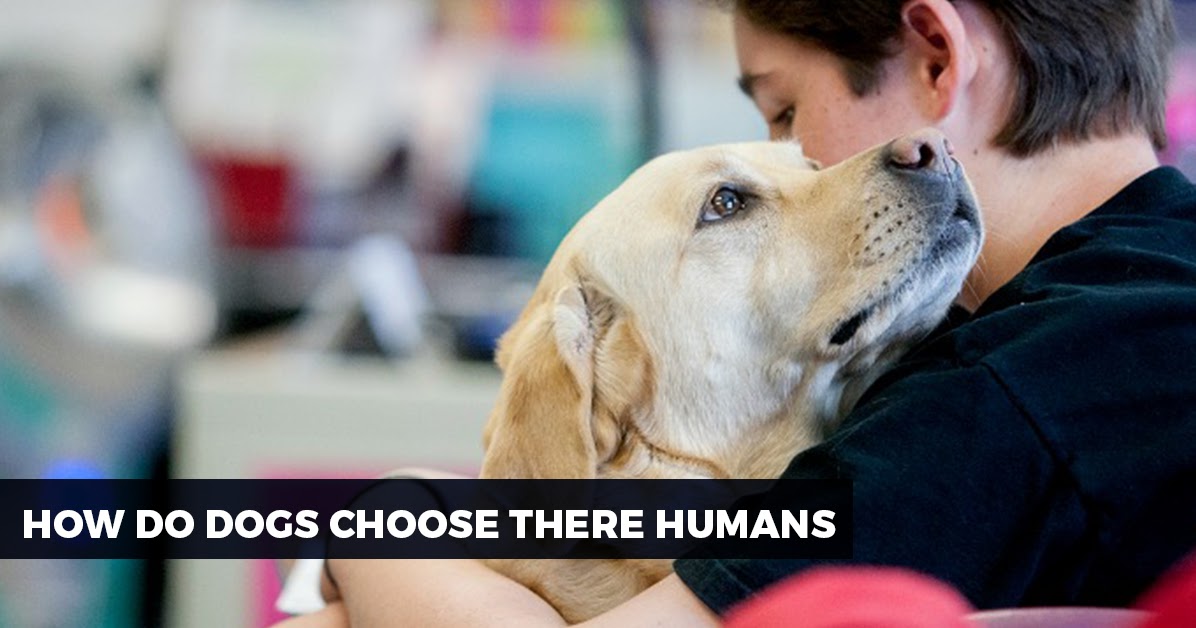
What “dogs chose humans” really means
Dogs did not make a conscious decision the way a person chooses a job or a house. The phrase describes a long biological and behavioral process called domestication.
Domestication happens when a wild animal population changes across generations because some animals do better living near people than others. In dogs, the key traits were not only tameness but also flexibility, social awareness, and the ability to live around human cues.
That matters because the dog-human bond is not just affection. It is an evolved partnership. Dogs that could understand people were more likely to be fed, protected, and bred. Humans that could work with dogs gained an edge in hunting, guarding, and survival.
How the dog-human partnership likely began
The earliest stage probably started with wolves or wolf-like ancestors hanging around human camps. These animals may have been drawn by scraps, carcasses, and other food waste. The boldest and least fearful individuals would have had the best access to that food.
Over time, this created a simple filter. Wolves that panicked around people were less likely to stay near camps. Wolves that were calmer and more social had better odds of survival. Generation after generation, that selection pushed the population toward behavior we now recognize in dogs.
Researchers often describe this as a self-reinforcing loop:
- Human camps offered food.
- Less fearful animals stayed nearby.
- People tolerated or favored those animals.
- The animals became better suited to human life.
- The bond deepened on both sides.
This is one reason dogs seem so good at living with us today. Their ancestors were being shaped by human environments long before modern breeding began.
Why humans were attractive to dogs
Humans were useful to early dogs for the same reason any reliable food source matters in nature: consistency. Camp life created a steadier supply of calories than a fully wild life might offer.
Humans also changed the risk equation. Near people, dogs may have had protection from larger predators. They may have had access to warmth, scraps, and later, deliberate feeding. Even if the relationship began as opportunistic, it quickly became practical.
There was another advantage: humans organize. Packs of humans hunt, travel, and defend territory. For a social animal, that structure can be a powerful draw. Dogs did not just find food near humans; they found a stable social world.
Why humans were attractive to people
Humans did not keep dogs out of sentiment alone. Dogs provided real value.
Dogs helped with safety
Dogs are alert. They hear and smell changes fast, and they often react before people do. That made them useful as early warning systems for strangers, predators, or other threats.
Dogs helped with hunting and work
Dogs likely improved hunting success by tracking, flushing, or helping control prey. Later, humans bred dogs for herding, guarding, and pulling tasks. In the United States today, working dogs still serve in search and rescue, detection, and livestock management.
Dogs strengthened social life
A cooperative animal that stays close to people and responds to human signals is easier to live with. That alone would have made dogs more valuable than many other wild animals. The better they fit into human groups, the more likely people were to keep them.
What made dogs different from other animals
Not every species can live beside humans and thrive. Dogs had several traits that gave them an advantage.
They were highly social
Dogs already came from a social lineage. Their ancestors lived in groups, communicated, and adapted behavior based on others around them. That made them more capable of joining a human social system.
They could read human cues
Dogs are unusually skilled at following gestures, eye movement, and tone of voice. This ability likely developed because dogs that paid attention to humans got more food and better care.
They had a lower fear response
Animals that are overly aggressive or easily frightened do poorly around people. Dogs that were calmer around humans were more likely to survive near settlements. That trait is central to domestication.
They adapted to human schedules
Dogs are good at routine. Feeding times, walks, training, and household rhythms all fit well with a species that can learn patterns and adjust behavior. That adaptability is one reason dogs integrate so well into American homes.
Did dogs really “prefer” humans?
Yes, many dogs show a clear preference for people, but the reason is both emotional and biological.
Dogs form attachments. They seek attention, safety, and interaction from humans. They also learn that humans control access to food, movement, and comfort. So a dog’s attachment is not fake or purely conditioned. It is a real social bond shaped by evolution and experience.
That said, not every dog is equally social. Breed tendencies, early socialization, training, and life experience all matter. A shy, undersocialized, or poorly treated dog may avoid people even though the species as a whole is highly human-oriented.
The role of domestication in dog behavior
Domestication changed dogs in visible and invisible ways.
Behavior changes
- More tolerance of handling
- Greater interest in people
- Better response to human direction
- Less fear of unfamiliar human environments
Physical changes
- Smaller or varied body sizes
- Floppy ears in some breeds
- Different coat colors and patterns
- Changes in skull and snout shape
These changes did not happen because humans planned them all at once. They accumulated over time through selection, especially after people began breeding dogs for specific jobs and looks.
A simple comparison: wolves vs. dogs
| Trait | Wolves | Dogs |
|---|---|---|
| Main relationship with humans | Wild and cautious | Cooperative and dependent |
| Fear of people | Usually higher | Usually lower |
| Reading human signals | Limited | Stronger |
| Food source near humans | Occasional | Often regular |
| Role in human life | Rarely cooperative | Companion, worker, protector |
This comparison is broad, not absolute. Some wolves may tolerate people, and some dogs may be fearful or independent. But the overall pattern is clear: dogs became far better at human partnership than wolves did.
Common misunderstandings about why dogs came to humans
One common myth is that humans “domesticated” dogs all at once. That is not how it likely happened. The process was gradual and involved many generations.
Another myth is that dogs chose humans only because people fed them. Food mattered, but it was not the whole story. Social cooperation, protection, and mutual benefit also played major roles.
A third mistake is assuming all dogs love all people equally. Dogs are social, but they are also individuals. Genetics, training, trauma, and early life shape how each dog behaves.
What this means for dog owners in the United States
For U.S. dog owners, the history matters because it explains modern behavior. Dogs are not just pets that happen to live indoors. They are social animals built to cooperate with humans.
That means dogs usually do best when they get:
- Predictable routines
- Daily exercise
- Clear training
- Social contact
- Safe sleep and feeding areas
It also means punishment-based approaches can backfire if they create fear or confusion. Dogs are more likely to thrive when humans give consistent cues and reward the behavior they want.
When the bond breaks down
The dog-human relationship can fail when a dog is neglected, isolated, harshly trained, or constantly stressed. In those cases, the same species that evolved to cooperate with people may become anxious, reactive, or withdrawn.
If a dog shows sudden behavior changes, aggression, or fear, the cause may be medical, environmental, or behavioral. A veterinarian should check for pain or illness first. A certified trainer or veterinary behavior professional can help with fear, reactivity, or other serious problems.
Key takeaways
- Dogs did not consciously “choose” humans; evolution favored dogs that could live near people.
- Human camps offered food, safety, and stability.
- Dogs offered hunting help, protection, and cooperation.
- Over time, both species benefited from the relationship.
- Modern pet dogs still carry the social instincts that made this partnership possible.
FAQs
Why did dogs evolve to like humans?
Dogs that were calmer and more social around humans survived and reproduced better. That made friendliness toward people a favored trait over time.
Did humans domesticate dogs or did dogs domesticate themselves?
Both ideas contain part of the truth. Humans influenced the process by offering resources and selecting helpful animals, but the earliest shift likely began with dogs that voluntarily lived near people.
Are dogs naturally loyal to humans?
Dogs are naturally social and strongly attached to human caregivers. Loyalty is a practical way to describe that attachment, but it depends on breed, training, and experience.
Why do dogs understand human gestures so well?
Dogs that paid attention to human body language got better rewards and cooperation. Over generations, this made dogs better at reading our pointing, posture, and tone.
Would dogs exist without humans?
Yes, but not in the same form. Without domestication, dogs would not look or behave like the dogs common in U.S. homes today.
Conclusion
Dogs “chose” humans in the sense that the dogs best suited to human life were the ones that survived, reproduced, and became our companions. Humans did not just tame dogs; both species shaped each other through a long partnership built on food, safety, communication, and trust.
That is why the bond feels so natural today. A dog sitting beside a person on a couch is not a random modern habit. It is the end result of thousands of years of mutual dependence.