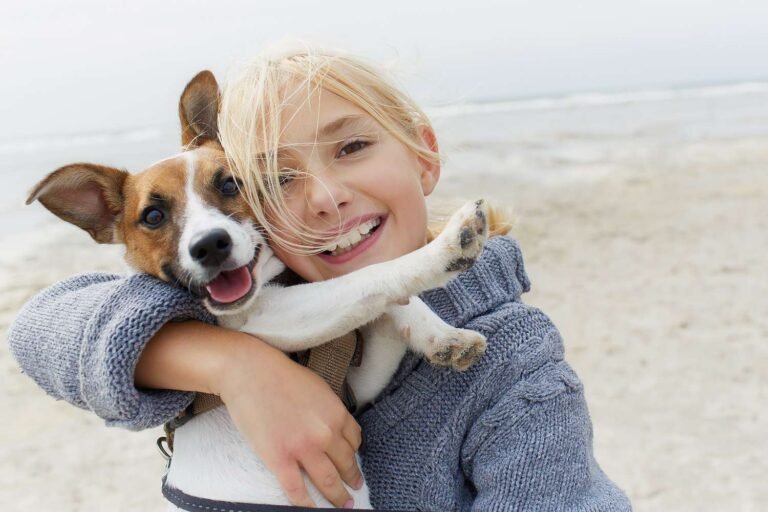
Why Do Dogs Come Into Our Lives: Deeper Meaning
Dogs often come into our lives because humans and dogs have built a uniquely close bond over thousands of years. In the United States, that bond usually shows up as companionship, routine, emotional support, play, protection, and a stronger daily sense of connection. For many people, a dog fills a real need: not just affection, but structure, movement, and a living relationship that changes how a home feels.
That is the short answer. The deeper answer is that dogs enter our lives through both choice and circumstance, and they tend to stay because they meet needs that matter to people in everyday American life. They can make loneliness feel smaller, encourage healthier routines, and give families a shared focus.

What “Why Do Dogs Come Into Our Lives?” Really Means
The question is usually not about fate alone. It is about why dogs matter so much once they arrive.
In practical terms, dogs come into our lives for three broad reasons:
-
People want companionship.
Dogs are social animals, and many people in the U.S. want a steady, nonjudgmental companion at home. -
Dogs change daily behavior.
Feeding, walking, grooming, and training create routine. That routine can make life feel more organized. -
The human-dog bond has deep roots.
Research in anthropology, archaeology, and animal behavior shows that dogs and humans co-evolved into a close working and emotional partnership. In plain English, dogs are unusually good at reading people, and people are unusually good at caring for dogs.
This is why the answer is usually bigger than “because we like pets.” Dogs come into our lives because they offer something practical and emotional at the same time.
The Main Reasons Dogs Become Part of American Homes
1. They provide companionship
Companionship is one of the most common reasons Americans bring dogs home. A dog is present in ordinary moments: morning coffee, evening walks, quiet weekends, and stressful days.
That presence matters because loneliness is not only about being alone. It is about feeling disconnected. A dog can reduce that feeling by creating regular interaction, touch, and attention.
2. They create routine and purpose
Dogs need feeding, exercise, and care on a schedule. That means they often help their owners keep one too.
For people who struggle with motivation, a dog can be a strong daily anchor. A walk has to happen. A meal has to be served. That structure can be helpful for children, adults living alone, older adults, and families with busy schedules.
3. They support emotional well-being
Many people describe dogs as calming, comforting, or grounding. That is not just sentiment. Human-animal interaction research has linked pet ownership and pet contact with lower stress in some settings, including temporary reductions in perceived stress and physiologic arousal.
That said, a dog is not a substitute for mental health care. A dog can support emotional wellness, but it cannot replace therapy, medication, or emergency help when those are needed.
4. They encourage movement and outdoor time
Dogs often get people off the couch. Walks, play, and park visits add movement to the day.
This matters in the U.S., where many adults spend long hours sitting. A dog may not “solve” inactivity, but it can make regular movement more likely. That small shift can affect mood, sleep, and energy.
5. They bring families together
Dogs often become shared family projects. One person feeds, another walks, another trains, and children learn responsibility through supervised care.
They can also create shared memories. A dog changes the rhythm of a home. In many families, the dog becomes part of birthdays, holidays, road trips, and daily routines.
6. They can provide safety and alertness
Some dogs help people feel safer at home or outdoors. That may be because of barking, physical presence, or training.
Important note: a dog is not a security system. A dog may deter unwanted contact, but it should not be treated as a replacement for locks, alarms, safe habits, or emergency planning.
Why Dogs Feel So “Meant to Be”
Dogs often seem like they were made for human life because they are highly responsive to people.
Dogs read human behavior well
Dogs notice tone, body language, routine, and emotional cues. They are often better than many other animals at adjusting to human households because they are social, observant, and trainable.
Humans respond to dependency
People are wired to care for living things. A dog’s needs are visible and immediate. That can create meaning, especially for people who want to nurture, protect, or teach.
The relationship is mutual
Dogs do not just receive care. They also give feedback through attention, loyalty, play, and affection. That back-and-forth makes the bond feel alive rather than one-sided.
Common Reasons People in the U.S. Get a Dog
| Reason | What the person is usually seeking | Practical effect |
|---|---|---|
| Companionship | Less loneliness, more connection | More daily interaction |
| Family life | Shared responsibility and fun | Stronger home routines |
| Exercise | A reason to walk or play | More movement |
| Emotional comfort | Calm, affection, routine | Stress relief support |
| Protection | Feeling safer at home | Increased alertness |
| Purpose | A reason to care for something daily | Better structure |
These reasons often overlap. A person may say they want a pet, but the deeper need may be routine, comfort, or companionship.
What a Dog May Be Meeting in Your Life
Not every dog enters a life for the same reason. The reason often depends on the person, the timing, and the season of life.
If you live alone
A dog may bring companionship and reduce quiet isolation. The daily presence of another living being can make a home feel fuller.
If you have children
A dog may help teach empathy, routine, and responsibility. It can also give children a source of comfort and play.
If you are older
A dog may encourage movement, social contact, and structure. For some older adults, a dog can also make a home feel safer and more connected.
If you are going through change
A move, divorce, loss, retirement, or new job can leave a person feeling unsteady. A dog can provide a steady daily rhythm during a period that feels uncertain.
What Dogs Need From Us in Return
A dog coming into your life is not only about what the dog gives. It is also about what the person must provide.
Basic needs include:
- Food and clean water
- Regular exercise
- Veterinary care
- Training and socialization
- Safe housing
- Time and attention
If those needs cannot be met, the relationship becomes stressful for both the dog and the person. A good fit matters more than good intentions.
Common Mistakes People Make When They Ask This Question
Mistake 1: Treating a dog like a cure-all
Dogs can help with stress and loneliness, but they cannot fix every emotional problem. If someone expects a dog to solve grief, depression, or family conflict, disappointment can follow.
Mistake 2: Getting a dog for the wrong reason
A dog should not be adopted only because it is cute, trendy, or expected by others. A better reason is a realistic match between the dog’s needs and the person’s life.
Mistake 3: Underestimating the work
Dogs need time, money, patience, and consistency. The emotional reward is real, but so is the responsibility.
Mistake 4: Ignoring fit
Size, energy level, training needs, shedding, and noise matter. A high-energy dog in a small, busy apartment may be a poor fit unless the owner can meet that dog’s needs.
When a Dog May Not Be the Right Addition
A dog may not be the right choice right now if:
- You work long hours with little backup care
- You cannot afford veterinary care or supplies
- You cannot provide regular exercise
- Your housing does not allow pets
- You travel frequently without a stable care plan
- Someone in the home has allergies that cannot be managed safely
Choosing not to get a dog can be the most responsible decision when the fit is wrong.
The Deeper Answer: Why Dogs Stay With Us
Dogs stay in our lives because they change the way a home feels.
They turn empty time into shared time. They make routines visible. They create a relationship that is simple in one sense and deeply emotional in another. In a busy country like the United States, where many people feel rushed, isolated, or disconnected, a dog can become a steady presence that asks for care and returns it in kind.
That is why dogs come into our lives. They meet practical needs, emotional needs, and social needs all at once.

FAQs
Do dogs come into our lives for a reason?
Many people believe they do, and that belief can be meaningful. From a practical view, dogs usually enter our lives because a person or family is ready for companionship, care, or change. The “reason” often becomes clear over time.
Can a dog improve mental health?
A dog may support mental well-being by reducing loneliness, encouraging routine, and increasing activity. But a dog is not a replacement for professional mental health care when that care is needed.
Why do people feel such a strong bond with dogs?
Dogs are responsive, affectionate, and highly attuned to people. That makes the relationship feel personal and emotionally real. Over time, daily care and shared routine strengthen the bond.
Are dogs good for children?
Often, yes, when adults supervise the relationship and teach respectful care. Dogs can help children learn empathy, patience, and responsibility. The match should always consider the child’s age and the dog’s temperament.
Should I get a dog if I feel lonely?
Maybe, but only if you can truly meet a dog’s needs. A dog can help reduce loneliness, but it also adds responsibility. If you want more connection, you may want to think about your schedule, support system, and long-term commitment before deciding.
Final Takeaway
Dogs come into our lives because they offer something deeply human: companionship, routine, comfort, and connection. In U.S. homes, they often become more than pets. They become part of daily life.
The best reason to welcome a dog is not mystery alone. It is a clear, honest fit between what the dog needs and what the person can give. When that fit is right, the relationship can be one of the most meaningful parts of life.