Why Are Dogs Good For Humans: Real Benefits
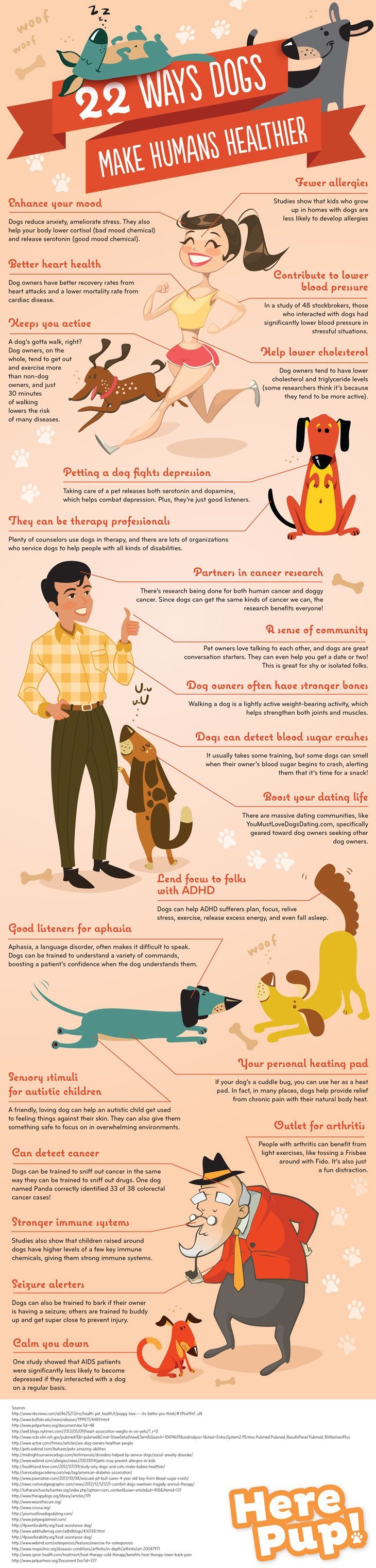
Dogs are good for humans because they support physical health, reduce loneliness, encourage daily movement, and improve emotional well-being. In the United States, where many people face long work hours, social isolation, and stress, dogs often provide a steady source of companionship and routine that can make daily life healthier and more grounded.
What Makes Dogs So Beneficial to People?
Dogs help humans through a mix of social, behavioral, and physiological effects. They are not magic fixes, but they do change daily habits in ways that can improve health over time.
A dog creates structure. It needs walks, feeding, play, and attention. That routine can be especially useful for people who work from home, live alone, or struggle to keep a regular schedule.
Dogs also give social feedback in a way that feels simple and safe. A dog does not judge, interrupt, or demand a perfect conversation. For many people, that calm presence lowers stress and makes home feel less empty.
The main ways dogs help humans
- They reduce feelings of loneliness.
- They encourage more physical activity.
- They support stress relief and emotional regulation.
- They can improve social connection with other people.
- They may help people feel safer and more secure at home.
How Dogs Support Physical Health
Dogs can improve physical health mostly by getting people to move more. Regular walking, outdoor play, and routine care add activity to the day, which matters in a country where many adults spend long hours sitting.
Dog owners often walk more than non-owners. That matters because walking supports heart health, helps manage weight, and improves mobility. Even moderate daily walking is better than no movement, and dogs make that habit easier to maintain.
Dogs may also help lower stress responses in the body. When stress drops, heart rate and blood pressure may become easier to manage. The effect is not the same for every person, but it is one reason dogs are often discussed in connection with wellness.
Practical physical benefits of dog ownership
| Benefit | How the dog helps | Practical effect |
|---|---|---|
| More walking | Daily leash walks and outdoor time | Better activity levels |
| More routine | Feeding and care schedules | More consistent habits |
| Less sitting | Play and short breaks | Less sedentary time |
| Stress relief | Calm interaction and touch | Lower tension for some people |
How Dogs Support Mental and Emotional Health
Dogs are good for mental health because they provide steady companionship. That companionship can reduce loneliness, which is a real problem for many Americans, especially older adults, remote workers, and people who live alone.
A dog also gives people a sense of purpose. Caring for another living being can make a person feel needed, and that can be grounding during depression, grief, or major life change. For some people, that sense of responsibility becomes a reason to get up, go outside, and keep going.
Physical touch and affection matter too. Petting a dog can feel calming and familiar. While this does not replace professional mental health care, it can be a useful support in day-to-day coping.
Emotional benefits people often notice
- A stronger sense of routine
- More comfort during stressful days
- Less silence and isolation at home
- A greater sense of being wanted
- Small moments of joy and play
Why Dogs Help People Socially
Dogs often make social contact easier. In the United States, a person walking a dog may naturally meet neighbors, other pet owners, or people at a park. The dog becomes a conversation starter, which can reduce social friction.
This matters because many people want connection but find it hard to start. A dog gives them a reason to leave the house and a simple topic to share. That can help build weak ties, which are small but meaningful social connections in a community.
Dogs can also support family life. Children may learn empathy, responsibility, and gentleness through daily care. Adults may use shared dog care as a way to build teamwork at home.
Why Dogs Can Improve Daily Life in Practical Ways
Dogs make good companions because they fit into real routines. They do not only provide emotional comfort; they also change behavior in ways that can support healthier habits.
For example, a dog can help a person keep a more regular sleep and wake schedule. Morning walks and feeding times often set the tone for the day. That structure can be useful for people who feel scattered or overwhelmed.
Dogs can also create positive interruptions. If someone is working too long, sitting too long, or ruminating too long, a dog often breaks that pattern. A quick walk or play session can reset attention and mood.
When Dogs Help Most, and When the Benefit Is Smaller
Dogs are not equally helpful for everyone. The benefit is usually strongest when a person has the time, energy, space, and resources to care for the animal well.
The upside may be smaller if the person already has a strong social network, gets regular exercise, or cannot reliably meet the dog’s needs. In that case, the added stress of care may outweigh the benefit.
Dogs are also not a substitute for medical or mental health treatment. If someone has depression, anxiety, mobility limits, allergies, or housing restrictions, a dog may not be the right fit without planning and professional advice.
A simple decision guide
| If you have… | A dog may help most when… | Be cautious when… |
|---|---|---|
| Loneliness | You need steady companionship | You cannot care for the dog daily |
| Low activity | You want a reason to walk | Health limits make walking hard |
| Stress | You benefit from routine and touch | Pet care adds more pressure |
| Family needs | You want shared responsibility | No one can help with care |
Common Mistakes People Make About Dogs and Human Health
One common mistake is assuming any dog will automatically improve life. The relationship matters more than the species alone. A poorly matched dog can add noise, cost, and stress instead of relief.
Another mistake is expecting a dog to fix emotional problems by itself. Dogs can help, but they do not replace therapy, medication, social support, or medical care when those are needed.
A third mistake is underestimating the work. Dogs need time, training, food, grooming, vet care, and consistent attention. If those needs are not realistic, the person may feel burdened rather than helped.
What the Evidence Suggests, in Plain English
Research has linked dog ownership with more physical activity, more social interaction, and lower feelings of loneliness for some people. The evidence is strongest when the dog helps the person move more and build routine.
That said, health benefits are not guaranteed. Outcomes depend on the person, the dog, the living situation, and how well the relationship works. A dog is best understood as a health-supporting companion, not a medical tool.
The practical takeaway is simple: dogs are good for humans when the match is good and the care is sustainable. When those conditions are met, the dog can support a healthier, calmer, and more connected daily life.
FAQs
Are dogs good for human mental health?
Yes, for many people they are. Dogs can reduce loneliness, add routine, and provide comforting companionship. They are helpful support, but not a replacement for mental health treatment.
Do dogs help humans exercise more?
Often, yes. Dog owners frequently walk more because the dog needs regular outdoor time. That added movement can support heart health and overall fitness.
Why do dogs make people feel happier?
Dogs offer affection, attention, and predictable companionship. Those things can improve mood, especially during stressful or lonely periods.
Are dogs good for children?
Yes, when adults supervise care and safety. Children can learn empathy, responsibility, and respect for animals. The family still needs to handle training and health care.
Can a dog reduce stress?
For some people, yes. Calm interaction, petting, and regular routine may lower stress feelings. The effect varies by person and by the dog’s behavior.
Conclusion
Dogs are good for humans because they support movement, routine, connection, and emotional comfort. In the U.S., where many people struggle with stress and loneliness, dogs can make everyday life feel more active and more connected.
The key is fit. A healthy human-dog relationship works best when the owner can meet the dog’s needs and the dog’s presence truly improves daily life.