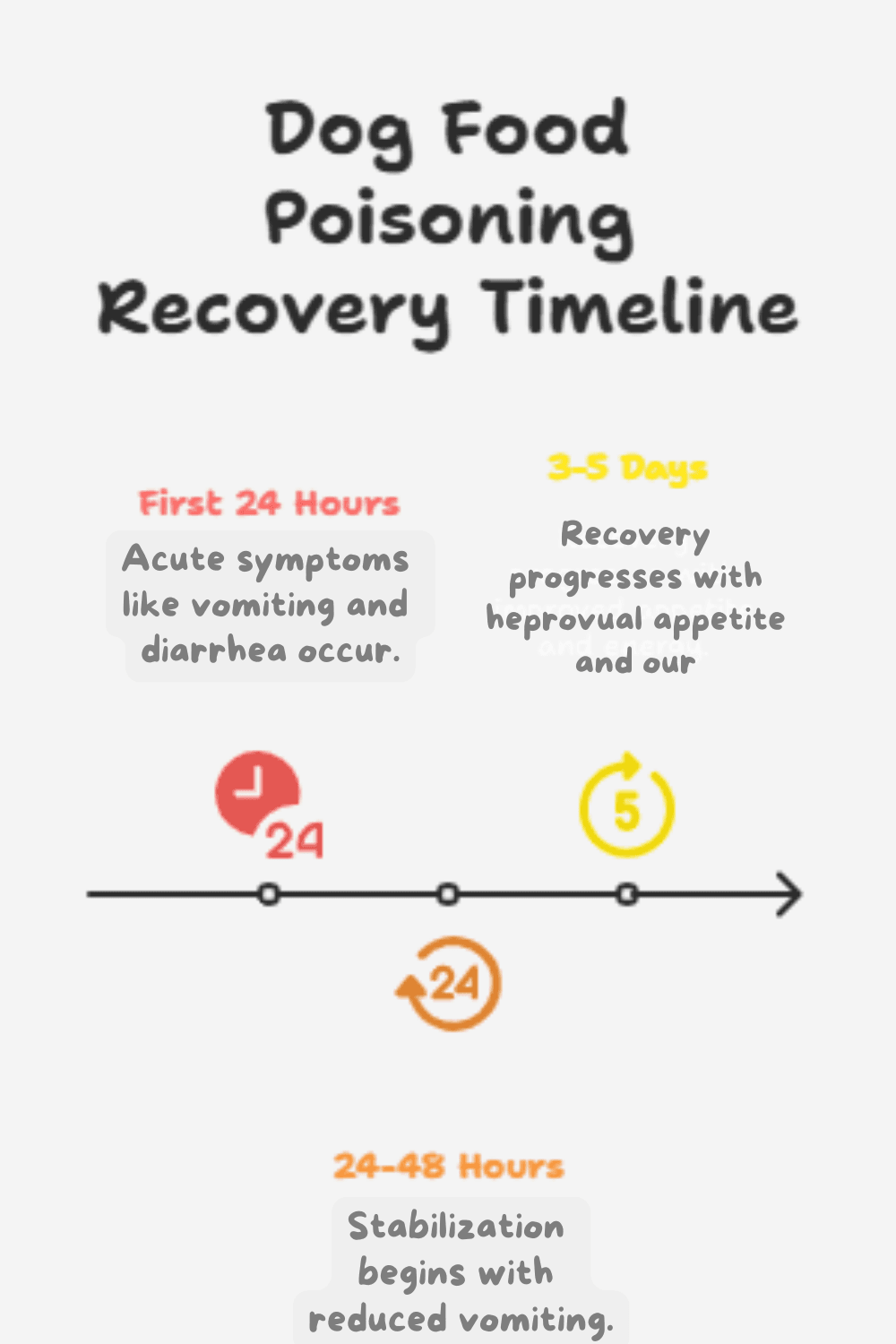
Symptoms can appear within minutes, several hours, or even days after a dog eats something toxic. The timing depends on the toxin, amount eaten, the dog’s size, and how the substance affects the body.
In the United States, many dog poisoning emergencies happen after pets find common household items, foods, medications, or yard products that were not meant for them. A dog may look normal immediately after eating a toxic substance, but that does not always mean the danger has passed.
The time between exposure and symptoms is called the onset period. Some toxins cause rapid warning signs such as vomiting, shaking, or trouble breathing within minutes. Others damage organs slowly and may not cause obvious symptoms until hours or days later.
Knowing how long symptoms may take to appear can help dog owners make safer decisions. If a dog may have eaten something poisonous, waiting for symptoms before calling a veterinarian can be risky because some treatments work best soon after exposure.
Source: practicaldoggear.com
How Long After Eating Something Toxic Do Dogs Show Symptoms?
A dog may develop symptoms anywhere from a few minutes after exposure to several days later. There is no single timeline that applies to every poison because different substances enter the body, break down, and cause damage in different ways.
Some toxins irritate the stomach quickly, while others affect the nervous system, kidneys, liver, blood, or heart. A dog that appears healthy after eating something harmful may still need medical advice because delayed problems can develop after the substance has been absorbed.
Source: pawsbro.com
Minutes to a few hours
Fast-acting toxins may cause drooling, vomiting, weakness, agitation, tremors, or breathing changes soon after ingestion.
Several hours to 24 hours
Many common poisonings become noticeable during this period as the substance moves through digestion or affects body systems.
Days later
Some toxins cause delayed organ injury, meaning symptoms may appear after the initial exposure seems forgotten.
Why Symptom Timing Is Different For Every Toxic Substance
The speed of poisoning depends on how the toxin works. A substance that directly irritates the stomach may cause early vomiting, while a toxin that damages organs may take longer before visible signs appear.
The amount eaten also matters. A small exposure may cause mild stomach upset, while a larger amount may create a medical emergency. A small dog may also become sick from an amount that would be less serious for a larger dog.
Type of toxin
Different chemicals, foods, plants, and medications affect different parts of the body and have different timelines.
Amount consumed
A higher dose can increase the chance of serious symptoms and may shorten the time before illness appears.
Common Dog Toxins And Their Possible Symptom Timelines
Many substances found in homes, garages, kitchens, and yards can be harmful to dogs. The timeline below gives general examples, but the actual onset can vary widely depending on the exposure.
These examples are not a substitute for veterinary advice. If a dog eats a potentially toxic substance, identifying the exact product, amount, and time of exposure can help a veterinarian decide the safest next step.
Source: mypawsafe.com
Chocolate and caffeine products
Symptoms may begin within hours and can include vomiting, restlessness, rapid heartbeat, tremors, and seizures in serious cases.
Human medications
Some medications can cause signs quickly, while others may cause delayed organ problems.
Rodenticides and pest products
Certain products may cause delayed bleeding or neurological signs that appear after a period of seeming normal.
Grapes and raisins
Some dogs develop digestive signs early, while kidney-related complications may appear later.
Why Waiting For Symptoms Can Be Dangerous
A common mistake is assuming that a dog is safe because it is acting normally after eating something suspicious. Some toxins are easier to treat before symptoms begin because the body has absorbed less of the substance.
Once severe signs develop, treatment may become more complex. A veterinarian may need to manage organ effects, seizures, dehydration, or other complications.
Early action matters
Calling for advice soon after exposure can help determine whether monitoring, treatment, or emergency care is needed.
What Symptoms Should You Watch For After A Possible Poisoning?
Symptoms of toxicity can range from mild stomach problems to life-threatening emergencies. A dog’s signs depend on the substance involved and which body systems are affected.
A dog does not need to show every possible symptom. Even one concerning sign after a known exposure should be taken seriously.
Source: s3.amazonaws.com
Digestive symptoms
Vomiting, diarrhea, drooling, loss of appetite, or stomach discomfort can occur with many toxic exposures.
Nervous system symptoms
Tremors, shaking, confusion, unusual excitement, weakness, or seizures may indicate serious toxicity.
Breathing and circulation problems
Difficulty breathing, collapse, extreme weakness, or pale gums require urgent veterinary attention.
Emergency Signs That Need Immediate Veterinary Help
Seek urgent veterinary care if a dog collapses, has trouble breathing, experiences seizures, becomes unconscious, or may have consumed a dangerous amount of a known toxin.
Do not try home treatments unless a veterinarian or poison professional specifically advises them. Some actions, such as making a dog vomit, can be unsafe depending on what was eaten.
Seizures or collapse
These signs may indicate severe effects on the nervous system and require immediate care.
Breathing difficulty
Any breathing problem after possible poisoning should be treated as an emergency.
What Should You Do If Your Dog Eats Something Toxic?
The safest first step is to gather information and contact a veterinary professional. Quick action can be important even if your dog looks fine.
Before calling, try to identify what your dog ate, how much was consumed, when it happened, and your dog’s weight. Keep the package or label if available because ingredients can affect treatment decisions.
Source: lh7-rt.googleusercontent.com
Remove access to the substance
Move the toxin away from your dog to prevent additional exposure.
Collect details
Record the product name, ingredients, amount eaten, and approximate time of exposure.
Call for guidance
Contact your veterinarian or a pet poison service instead of waiting for symptoms to appear.
What Information Helps A Veterinarian Respond Faster
Accurate details help determine risk. A veterinarian may need to know your dog’s breed, size, age, medical history, and current symptoms.
Even uncertain information is useful. It is better to call with incomplete details than delay while trying to confirm every fact.
Time of exposure
The time since ingestion can affect which treatments are possible.
Common Mistakes Dog Owners Make After A Possible Poison Exposure
Many owners delay action because they expect clear symptoms before seeking help. This can be risky because some poisons cause hidden damage before visible illness appears.
Another mistake is using internet home remedies without knowing whether they are safe for the specific toxin involved. Treatment depends on the substance and the dog’s condition.
Source: petwellnessworld.com
Waiting too long
A delay can reduce treatment options for some toxic exposures.
Giving unapproved remedies
Some home treatments may worsen the situation or create new risks.
Ignoring small exposures
Some substances are dangerous even in small amounts, especially for smaller dogs.
Frequently Asked Questions
Q
Can a dog eat poison and show no symptoms?
Yes. Some dogs may appear normal after eating something toxic because symptoms can be delayed. Lack of signs does not always mean the dog is safe.
Q
How long should I watch my dog after it eats something toxic?
The correct monitoring period depends on the substance involved. Contact a veterinarian for guidance instead of choosing a waiting period on your own.
Q
Should I make my dog vomit after eating something poisonous?
Do not make a dog vomit unless a veterinary professional tells you to do so. Some substances can cause more harm if brought back up.
Q
What are the first signs of poisoning in dogs?
Early signs may include vomiting, drooling, diarrhea, restlessness, weakness, shaking, or changes in behavior. The signs vary by toxin.
Q
Can poisoning symptoms appear days later in dogs?
Yes. Some toxins cause delayed effects, including problems that appear after the initial exposure seems unnoticed.
✦ Wrapping Up
Conclusion
If a dog eats something toxic, symptoms may appear within minutes or may take days to develop. The timeline depends on the substance, amount eaten, and the dog’s individual health factors.
The safest approach is not to wait for visible illness. If you suspect poisoning, contact a veterinarian as soon as possible and provide details about what happened.
💡 Key Takeaway
Treat any possible toxic exposure seriously, gather the facts quickly, and seek professional guidance before symptoms become severe.