Why Won’t My Dog Eat Dry Food? Causes, Solutions, and When to Call the Vet
If you are asking, “why won’t my dog eat dry food,” you are not alone. Many dogs go through periods when they turn away from kibble. Sometimes the reason is simple, such as a stale bag or a dog that has learned to wait for tastier food. In other cases, refusing food can be an early sign of a health problem.
The key is to look at the whole picture. A dog that skips one meal but acts bright, drinks water, and eats later may need little more than routine. A dog that refuses food and seems painful or sick needs more care. This guide explains the common reasons and the safest steps to take at home.
Why Won’t My Dog Eat Dry Food?
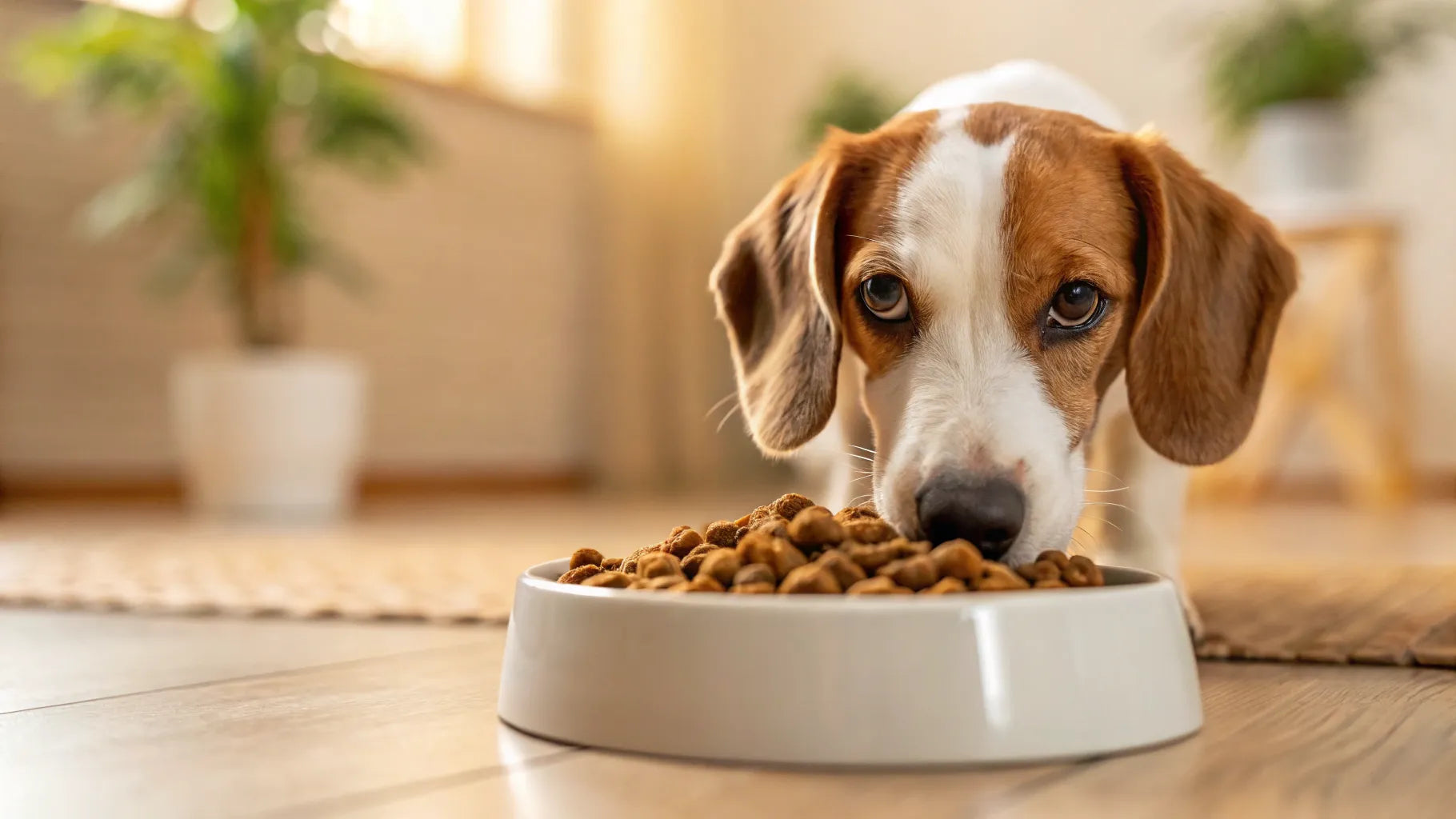
There is no single answer to why won’t my dog eat dry food. Dogs can lose interest in kibble for many reasons. Some are harmless, while others need prompt veterinary care.
Start by asking what has changed. Did you open a new bag of food? Did your dog’s feeding time change? Has your dog started getting more treats? Does your dog chew on one side of the mouth or drop kibble while eating? These clues can help narrow down the cause.
Also watch your dog’s behavior outside mealtimes. A normal energy level is reassuring, but it does not rule out every health problem. Changes in appetite can sometimes appear before other signs become clear.

- ✦ Food preference
Some dogs simply prefer wet food, fresh food, or a different kibble texture and smell.
- ✦ Dental pain
Sore teeth, gum disease, broken teeth, or mouth injuries can make hard kibble painful to chew.
- ✦ Stomach upset
Nausea, gas, constipation, or other digestive problems can reduce a dog’s appetite.
- ✦ Stress
Travel, visitors, a new pet, loud noise, or changes at home can affect eating.
- ✦ Food problems
Stale, spoiled, poorly stored, or suddenly changed food may make a dog refuse a meal.
Is Your Dog Refusing All Food or Only Dry Food?
This is one of the most useful questions to ask. If your dog refuses kibble but eagerly eats wet food, treats, or another soft food, the issue may be texture, taste, learned preference, or mouth discomfort.
If your dog refuses all food, the concern is different. A complete loss of appetite is more likely to need close monitoring and, depending on other signs, veterinary advice.
- ✦ Only dry food is refused
Think about dental pain, kibble texture, food freshness, taste, and whether your dog has become used to softer or more rewarding foods.
- ✦ All food is refused
Watch closely for illness, pain, vomiting, diarrhea, weakness, dehydration, or other changes and contact your veterinarian when appropriate.
Dental Pain Can Make Dry Food Hard to Eat
Dental pain is an important reason a dog may stop eating dry food. Kibble is hard, so chewing can hurt when a tooth, gum, or other part of the mouth is sore. Some dogs still want food but avoid anything that hurts when they bite.
Dogs often hide pain well. You may notice small clues instead of obvious distress. A dog may eat more slowly, drop kibble, chew on one side, avoid hard treats, drool more, or have bad breath.
If these signs appear, do not assume your dog is just picky. A veterinarian can examine the mouth and look for dental disease, broken teeth, oral inflammation, or another source of pain.

- ✦ Watch for chewing changes
Slow eating, dropping food, chewing on one side, or walking away from hard kibble can point to mouth discomfort.
- ✦ Check for bad breath
Persistent bad breath can occur with dental disease and should not be dismissed as a normal dog smell.
- ✦ Notice drooling
New or heavy drooling may occur with mouth pain or other health problems.
Why Soft Food May Still Appeal to a Dog With Dental Pain
Soft food can be easier to eat than hard kibble. That can explain why a dog suddenly refuses dry food but eats canned food or softened kibble. This pattern does not prove dental disease, but it is a useful clue.
Do not use soft food alone as a long-term fix without finding the cause. If pain is behind the change, treating the source matters more than simply changing the food.
- ✦ Soft texture
Wet food needs less chewing and may feel more comfortable in a sore mouth.
- ✦ Warm, moist food
Moist food can also have a stronger smell, which may make it more appealing to a dog with a reduced appetite.
Your Dog May Dislike the Taste, Smell, or Texture
Dogs have food preferences too. Some prefer one kibble shape or texture over another. A recipe can also smell different after a formula change, even when the package looks much the same.
This can make the question “why won’t my dog eat dry food” seem harder than it is. If your dog is playful, drinking normally, and eager to eat other foods, taste or texture may be part of the answer.
Still, do not change foods over and over. Constant changes can upset the stomach and may teach a picky dog that refusing dinner brings a better option.
- ✦ Kibble size
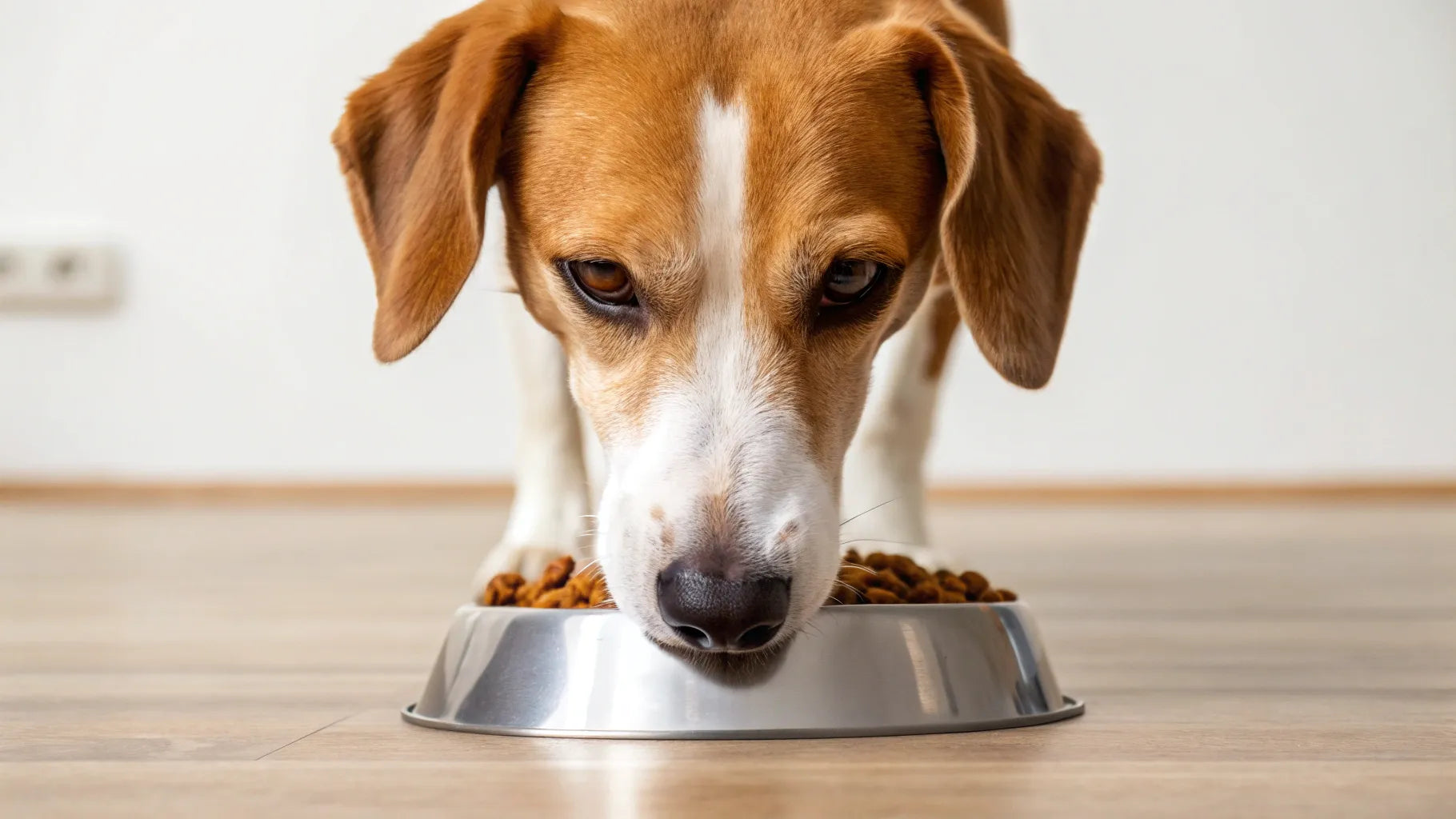
Large or unusually hard pieces may be difficult for some small dogs, older dogs, or dogs with mouth pain.
- ✦ Kibble smell
Dogs rely heavily on smell when choosing food, so food that has lost its normal aroma may be less appealing.
- ✦ Recipe changes
A manufacturer may change ingredients or the shape and smell of a product, which can affect acceptance.
Could the Kibble Be Stale?
Dry food is not immune to spoilage. Once opened, exposure to air, heat, moisture, and light can affect freshness. Fat in kibble can also become rancid over time.
Check the expiration date and the way the food has been stored. Keep dry food in a cool, dry place and follow the manufacturer’s storage advice. If the food smells unusual or looks damp, moldy, or otherwise different, do not feed it.
- ✦ Check the package
Look at the expiration date, package condition, and lot information before serving the food.
- ✦ Use proper storage
Keep food dry and protected from heat and moisture, and close the bag well after each use.
Too Many Treats Can Reduce Interest in Kibble
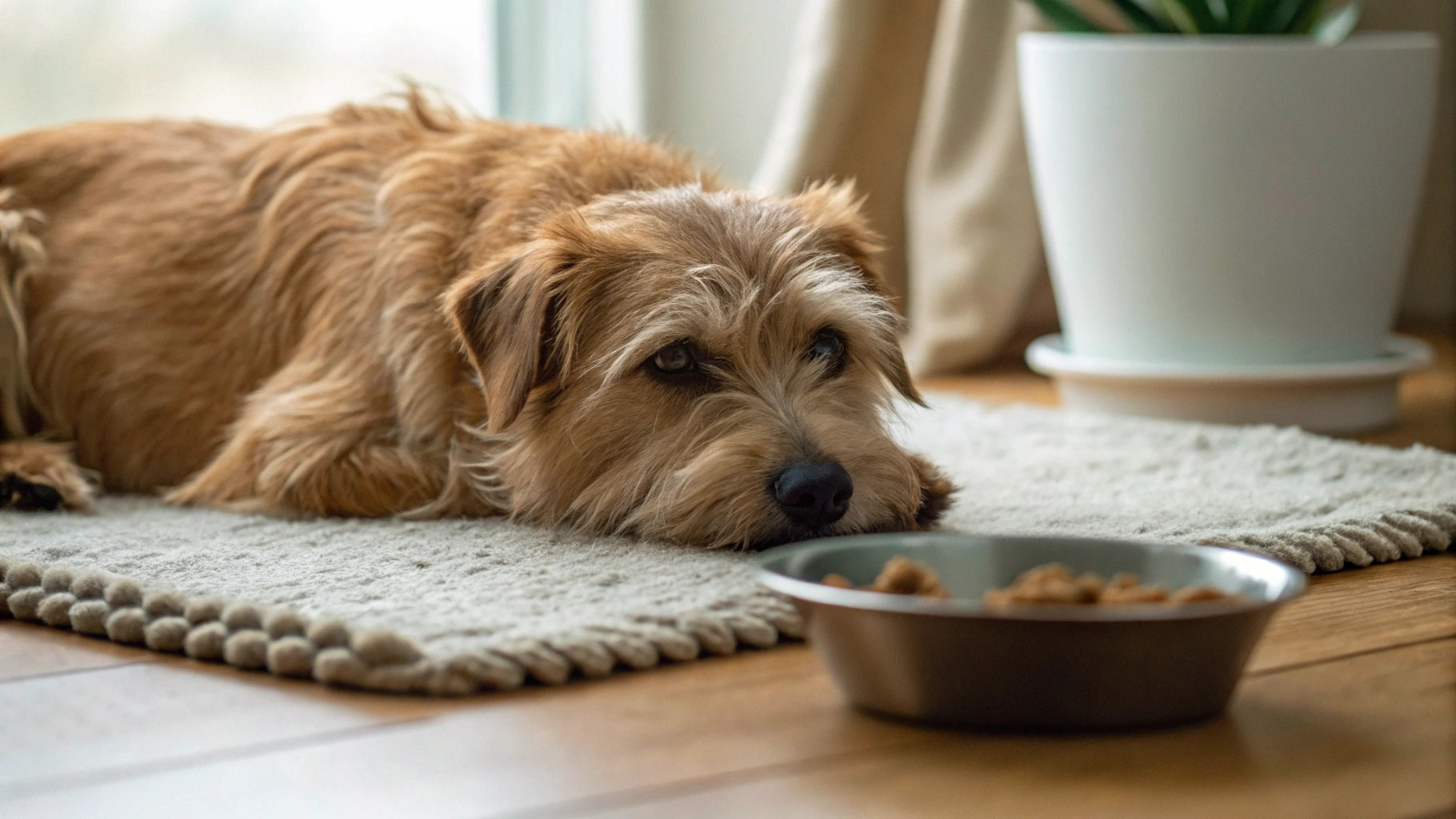
Treats can change how a dog approaches meals. If your dog learns that refusing kibble leads to chicken, cheese, table scraps, or a favorite treat, waiting can become a successful strategy.
This does not mean you should starve a picky dog. The goal is to make regular meals predictable while keeping treats within a sensible part of the daily diet.
Look at everything your dog eats during the day. Training treats, dental chews, scraps, and food used to give medicine all count toward the total intake.
- ✦ Count all extras
Include treats, chews, table food, toppers, and other calories when thinking about your dog’s daily intake.
- ✦ Keep meals predictable
Regular meal times can help your dog learn when food is available.
- ✦ Avoid a treat battle
Do not keep adding tastier foods every few minutes when your dog refuses a meal.
Can Food Toppers Help?
A small amount of a safe, suitable topper can make kibble more appealing. You can also try adding a little warm water to increase moisture and aroma. Introduce any change slowly if your dog has a sensitive stomach.
Toppers should not replace a complete and balanced diet unless your veterinarian recommends a different feeding plan. Too many extras can also add unwanted calories.
- ✦ Use a small amount
The goal is to improve interest without turning every meal into a large mix of extras.
- ✦ Watch the stomach
Stop a new topper if it causes vomiting, diarrhea, or other digestive problems.
Stress, Anxiety, and Routine Changes Can Affect Eating
Dogs notice changes in their surroundings. Moving to a new home, having visitors, adding a pet, changing work hours, traveling, or dealing with loud noise can affect a dog’s eating habits.
A stressed dog may eat less, eat at a different time, or refuse food in a busy area. Some dogs eat better when they have a quiet place away from other pets and household activity.
Think about what happened before the appetite change. If the timing matches a major change at home, stress may be part of the answer. Even then, keep health problems in mind if the appetite loss continues.
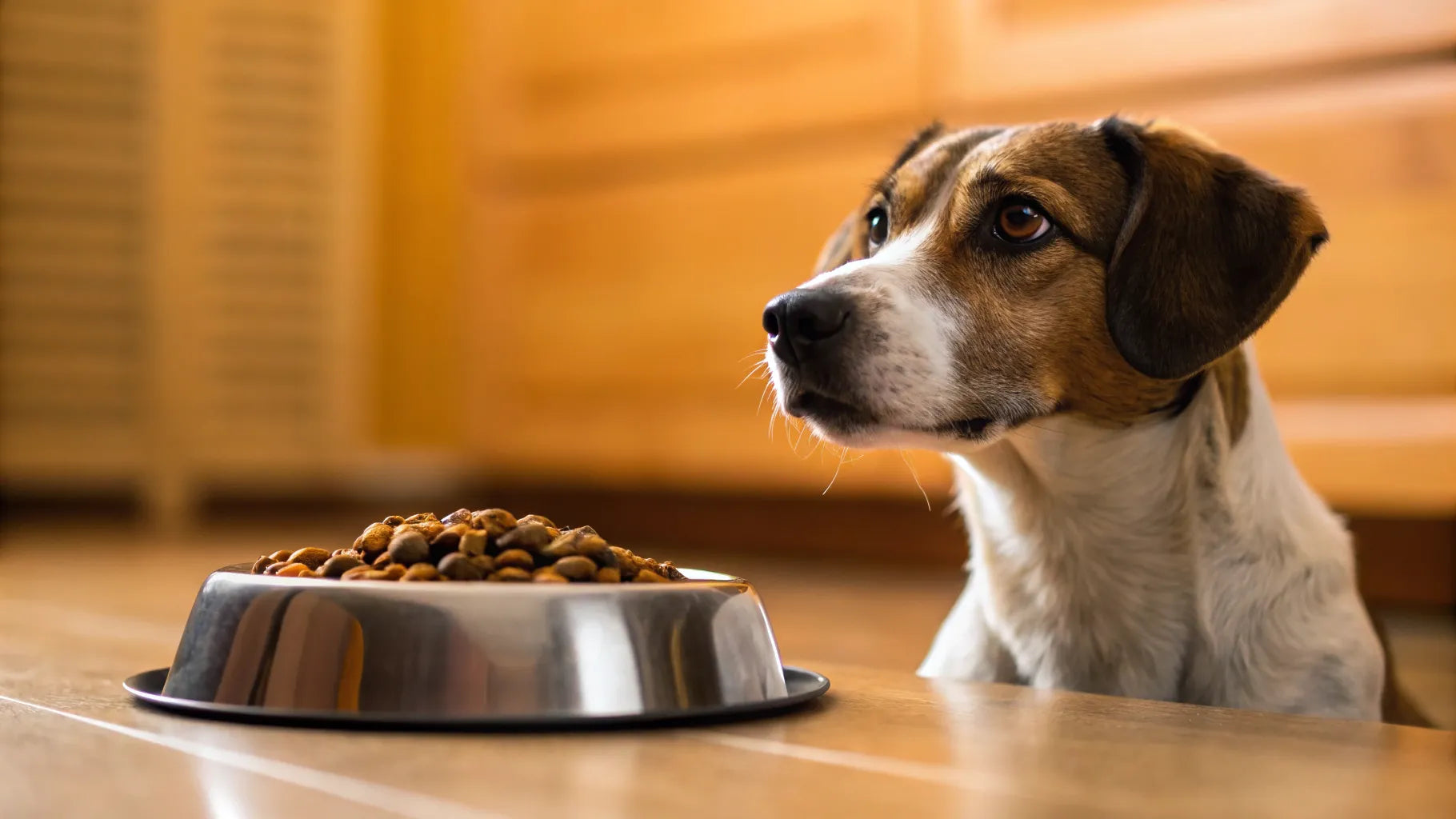
- ✦ Create a quiet feeding spot
Feed your dog in a calm place where people and other pets are less likely to interrupt.
- ✦ Keep a steady schedule
Regular meal and walk times can give your dog a stronger sense of routine.
- ✦ Reduce pressure
Stay calm during meals and avoid forcing food into your dog’s mouth.
When a New Routine Is the Cause
If your schedule has changed, give your dog time to adjust while keeping meals as consistent as possible. A familiar feeding place, bowl, and routine may help.
If appetite does not return or other symptoms appear, do not assume stress is the only cause. A veterinary check may be needed.
- ✦ Keep the bowl in one place
A familiar feeding area can reduce changes during an adjustment period.
- ✦ Watch behavior
Hiding, trembling, unusual pacing, or other behavior changes can provide useful clues.
Illness Can Cause a Dog to Stop Eating Dry Food
Sometimes the answer to why won’t my dog eat dry food is a health problem. Many conditions can reduce appetite, including stomach problems, infections, pain, kidney disease, liver disease, and other illnesses. You cannot identify the cause from appetite loss alone.
Pay attention to other signs. Vomiting, diarrhea, unusual tiredness, pain, coughing, breathing trouble, fever, changes in drinking or urination, weight loss, or a swollen abdomen can make appetite loss more concerning.
Puppies, senior dogs, and dogs with known medical problems may need closer attention when they stop eating. If you are unsure how long you should wait, call your veterinarian and describe the change in appetite and any other symptoms.

- ✦ Vomiting or diarrhea
Digestive signs together with food refusal can point to a problem that needs veterinary advice.
- ✦ Low energy
Marked weakness, unusual sleepiness, or a sudden change in behavior is more concerning than simple food fussiness.
- ✦ Pain
Whining, reluctance to move, a tense posture, or other pain signs should not be ignored.
- ✦ Changes in drinking
A major increase or decrease in water intake can be an important health clue.
When Should You Call a Veterinarian?
There is no single waiting period that fits every dog. A healthy adult dog that skips one meal but otherwise acts normal is different from a puppy that refuses food and vomits. Age, health history, symptoms, and how much the dog normally eats all matter.
Seek prompt veterinary help if your dog seems seriously ill, has trouble breathing, collapses, has repeated vomiting, has severe pain, has a swollen abdomen with distress, or shows other emergency signs. For a milder but persistent appetite change, contact your regular veterinarian for advice.
- ✦ Emergency signs
Collapse, trouble breathing, severe weakness, severe pain, or a swollen and painful abdomen needs urgent veterinary attention.
- ✦ Persistent appetite loss
A continued change in eating should be discussed with your veterinarian, especially if other symptoms are present.
- ✦ High-risk dogs
Puppies, older dogs, and dogs with chronic health problems may need earlier advice when they stop eating.
How to Get Your Dog to Eat Dry Food Again
Once you have considered health problems, you can work on the feeding routine. Keep the approach simple. Dogs often respond better to calm, consistent meals than to a constant stream of new foods.
If you need to change foods, make the change gradually rather than switching from one food to another overnight. A slow transition can help reduce digestive upset and gives your dog time to accept the new taste and smell.
If your dog has a health condition or needs a special diet, follow your veterinarian’s feeding plan rather than using general tips from the internet.
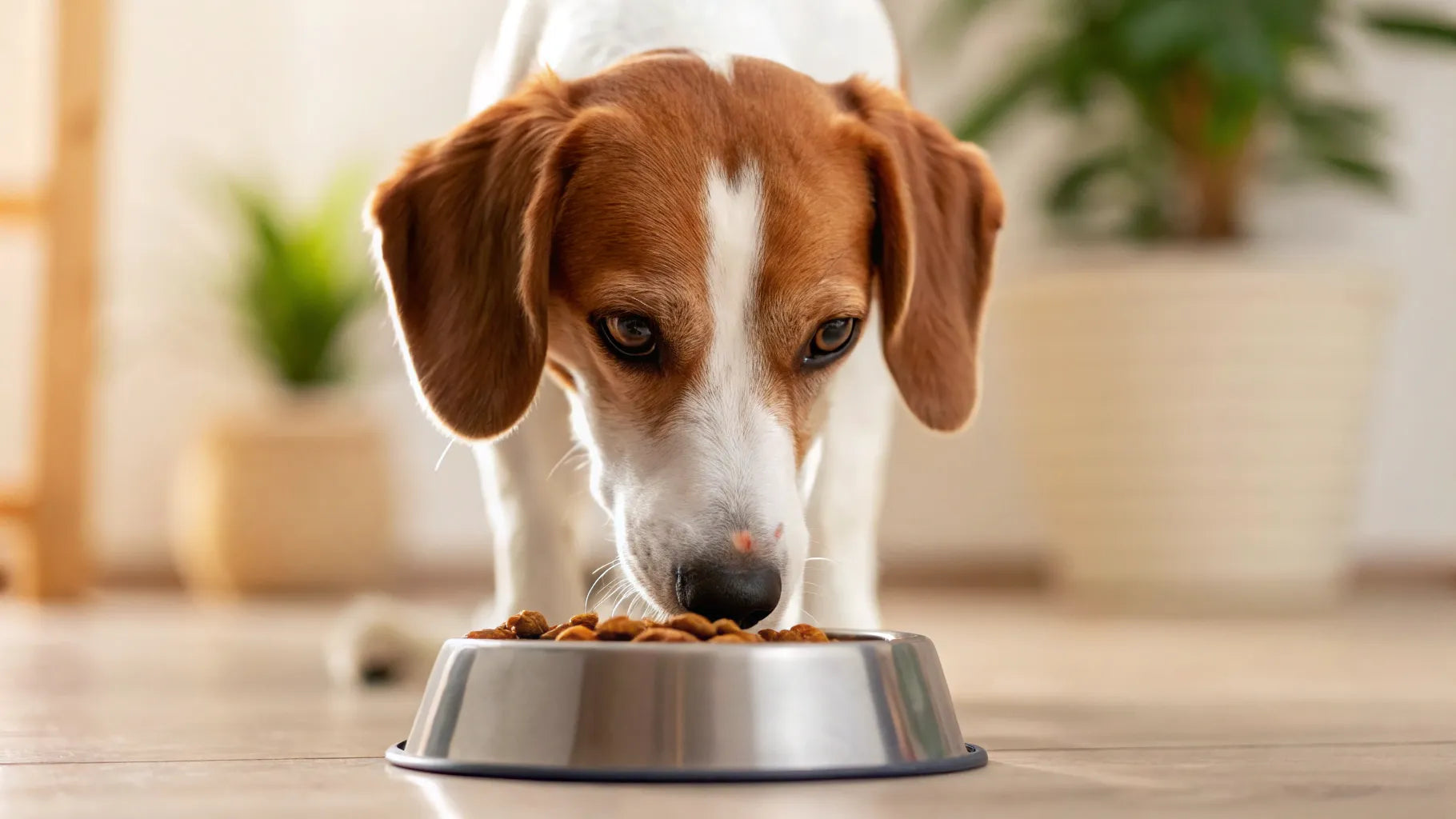
- ✦ Check the food
Make sure the food is fresh, stored correctly, and appropriate for your dog’s age, size, and nutritional needs.
- ✦ Try warm water
Adding a little warm water can soften kibble and release more aroma. Let it cool to a safe temperature before serving.
- ✦ Use regular meal times
A predictable schedule can help reduce grazing and make meals more structured.
- ✦ Limit random snacks
Keep treats controlled so your dog has a reason to eat the main meal.
- ✦ Change food slowly
When a new food is needed, follow a gradual transition plan to help your dog’s digestive system adjust.
What Not to Do When Your Dog Refuses Kibble
Avoid turning every refused meal into a new food experiment. Offering many options can make it harder to tell whether the problem is preference, pain, or illness.
Do not force-feed your dog unless a veterinarian has given you specific instructions. Force-feeding can create fear around meals and may be unsafe in some medical situations.
- ✦ Do not force food
Forcing food can cause stress and may create a risk of choking or inhaling food.
- ✦ Do not use unsafe table scraps
Some human foods are dangerous for dogs, and fatty or rich foods can also upset the stomach.
- ✦ Do not ignore new symptoms
A food refusal paired with illness signs deserves more attention than ordinary pickiness.
A Simple At-Home Checklist for a Dog That Refuses Dry Food
If you are still wondering why won’t my dog eat dry food, write down what you see instead of relying on memory. Note when your dog last ate a normal meal, what foods and treats were offered, and whether drinking or bathroom habits changed.
This information can be very useful if you need to call your veterinarian. It can also reveal simple patterns, such as refusing one food but eating another or losing interest after receiving many treats.
- ✦ Food
Check the food’s smell, appearance, expiration date, storage, and recent changes.
- ✦ Mouth
Notice bad breath, drooling, slow chewing, dropping kibble, or trouble eating hard treats.
- ✦ Behavior
Look for stress, hiding, unusual restlessness, weakness, or a change in normal activity.
- ✦ Digestive signs
Watch for vomiting, diarrhea, constipation, gas, or changes in appetite.
- ✦ Water
Note whether your dog is drinking much more or much less than usual.
- ✦ Time
Record when the appetite change started and whether your dog is eating anything at all.
Keep a Short Food Diary
A simple food diary can help you spot patterns. Record meals, treats, water intake, bowel movements, vomiting, and major behavior changes. Even a note on your phone can be enough.
If the problem continues, bring the information to your veterinarian. Clear details can make the visit more useful and help the vet decide what needs to be checked.
- ✦ Record meals
Write down how much food was offered and how much your dog actually ate.
- ✦ Record symptoms
Note any vomiting, diarrhea, pain, low energy, or other unusual signs.