Why Do People Own Dogs: 2026 Guide To The Benefits
People in the United States own dogs for a mix of emotional, social, and practical reasons. Most commonly, dogs provide companionship, daily structure, security, exercise motivation, and a strong sense of family connection. For many American households, a dog is not just a pet. It is a routine, a relationship, and in some cases, a source of support.

The Core Answer: Dogs Meet Human Needs in More Than One Way
People own dogs because dogs fill several important roles at once. They offer affection, respond to human attention, and fit into daily life in a way many people find comforting and useful. In U.S. homes, dogs are often chosen because they are both emotionally rewarding and easy to include in family routines.
That combination matters. A dog can help someone feel less alone, get outside more often, and keep a more regular schedule. Some owners also value dogs for protection, social connection, or help with specific needs such as service work.
Companionship Is the Biggest Reason Many People Get Dogs
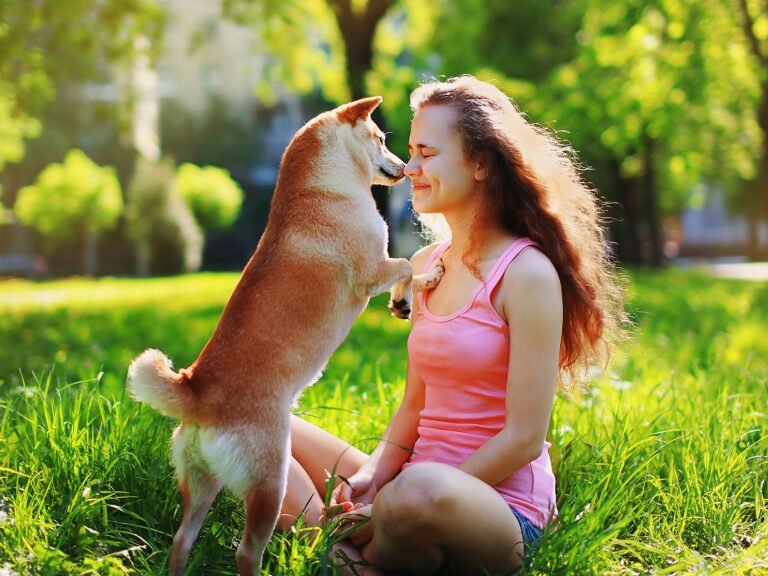
Companionship is one of the strongest reasons people own dogs. Dogs are highly social animals, and many people appreciate that they give attention, follow routines, and seem eager to be near their owners. That steady presence can feel especially meaningful for people who live alone, work from home, or want a close daily bond.
This is also one reason dogs remain so popular in the U.S. A dog often becomes part of family life in a way that feels personal and constant. Unlike many other animals, dogs usually interact in a more responsive, visible way, which strengthens attachment.
Why companionship matters in practice
A dog can make ordinary days feel less empty. Walking the dog, feeding the dog, and training the dog all create small points of contact through the day. For many owners, those repeated moments are part of the appeal.
Companionship is not the same as “fixing” loneliness, though. A dog can support emotional well-being, but it does not replace human relationships, therapy, or medical care when those are needed.
Dogs Encourage Exercise and a More Active Routine
Many people own dogs because dogs help them move more. Walking a dog, playing fetch, and going outside for potty breaks create built-in activity. In a country where many adults spend long hours sitting, that daily movement is a practical benefit.
This is one of the clearest real-world advantages of dog ownership. A person may not feel motivated to walk alone, but a dog creates a reason to leave the house. Over time, that habit can support physical health and structure the day.
How dogs support activity
- They require regular walks or outdoor time.
- They turn exercise into a routine instead of a choice.
- They can make movement feel more enjoyable and less like a chore.
- They may help owners spend more time outside and in the neighborhood.
The effect depends on the dog, the owner’s schedule, and the dog’s breed, age, and health. A high-energy dog usually needs more activity than an older or smaller dog.
Dogs Help Build Routine and responsibility
people also own dogs because dogs create structure. Feeding times, walks, grooming, training, and vet visits all add up to a reliable routine. For many households, that routine is a benefit, not a burden.
This can be especially helpful for children, teens, or adults who do better with clear daily habits. A dog gives people repeated tasks with visible results, which can make responsibility feel more concrete. The pet depends on the owner, and that dependency often reinforces follow-through.
Why routine appeals to owners
Dogs make the day more predictable. They need care at regular times, and that consistency can help owners stay organized. For some people, that structure is one of the main reasons they wanted a dog in the first place.
Security and Protection Still Matter to Many Owners
Some people own dogs for a sense of safety. A dog may alert a household to unusual sounds, unfamiliar people, or changes in the environment. Even when a dog is not trained for guarding, its presence can feel reassuring.
This reason should be kept in perspective. A family pet is not the same as a trained security animal. Dogs vary widely in temperament, and not every dog will act protectively or reliably in stressful situations.
What dog protection can and cannot do
A dog may discourage unwanted entry simply by being present and vocal. That can provide comfort to the owner. But it should not be treated as a replacement for locks, alarms, lighting, or other home safety measures.
Dogs Can Support Mental and Emotional Well-Being
Many people own dogs because the relationship feels emotionally grounding. A dog’s affection, routine, and physical presence can reduce feelings of stress for some owners. The bond can be especially important during life changes, grief, retirement, or major transitions.
That said, dog ownership is not automatically easy on mental health. Puppies require intensive care, and even adult dogs can bring stress, expense, and time demands. The emotional benefit is real for many people, but it comes with responsibility.
When this benefit is strongest
The emotional value of a dog is often strongest when the owner can meet the dog’s needs consistently. A stable home, enough time, and enough money for care all make the relationship healthier for both sides. When those pieces are missing, the same dog can become a source of strain.
Dogs Strengthen Family Life and Social Connection
People often own dogs because dogs bring families together. Children may enjoy helping with feeding or walking, and adults may find that a dog creates shared responsibility. A dog can become a common focus in the home.
Dogs also help people connect outside the home. Walking a dog often leads to casual conversation with neighbors, other dog owners, or people in the community. That can be valuable in places where social life is harder to build.
Social benefits often overlooked
A dog can make it easier to meet people in a natural way. The topic is built in, the setting is familiar, and the interaction often feels low pressure. For some owners, that social bridge is a major part of the appeal.
Some People Own Dogs for Practical or Work-Related Reasons
Not all dog ownership is based only on affection. Some people need a dog for practical support. Service dogs, for example, assist people with disabilities and are trained for specific tasks. Working dogs may also help with herding, hunting, search work, or farm tasks.
These are not the most common reasons in most homes, but they are important. In these cases, the dog is serving a functional role as well as living as part of the household. That makes the ownership decision more specific and more responsibility-heavy.
Practical dog roles include
- Service dogs for disability-related tasks
- Therapy dogs in approved settings
- Herding or farm dogs
- Hunting dogs
- Detection or search dogs
Each role requires different training, handling, and expectations. A family pet should not be assumed to perform these jobs without proper training.
Common Reasons People Choose Dogs Over Other Pets
People often choose dogs because dogs are interactive. Compared with many other pets, dogs usually seek out human attention more directly and respond to training and routine. That makes them feel more like a partner in daily life.
Dogs also tend to fit common American lifestyles in a very visible way. Many suburbs, neighborhoods, and parks are already built around dog walking and outdoor exercise. That makes dog ownership feel natural for many households.
Quick comparison
| Reason | Why dogs stand out |
|---|---|
| Companionship | Dogs usually seek human contact and attention |
| Exercise | Dogs often need regular walks and outdoor time |
| Routine | Feeding, grooming, and training create structure |
| Security | Dogs can increase a sense of safety |
| Family life | Dogs often become a shared household focus |
Common Misconceptions About Why People Own Dogs
One common mistake is assuming people own dogs only because they “love animals.” That is part of it, but not the whole story. Many owners also want routine, exercise, connection, or a sense of safety.
Another misconception is that all dogs fit all households. Breed, size, age, energy level, and behavior matter a great deal. A dog that works well for one family may be a poor fit for another.
Before getting a dog, ask these questions
- Do I have time for daily care?
- Can I afford food, grooming, and vet bills?
- Will the dog get enough exercise and attention?
- Is my housing situation pet-friendly?
- Am I choosing a dog for the right reasons?
A dog is a long-term commitment. The best reason to own one is not a trend or impulse. It is a real match between the dog’s needs and the owner’s life.

FAQs About Why People Own Dogs
Why do most people want dogs as pets?
Most people want dogs because they offer companionship, affection, and daily interaction. Dogs also add routine and often encourage more activity.
Do dogs really help with loneliness?
Dogs can help some people feel less alone because they provide consistent presence and interaction. They do not replace human relationships, but they can support emotional comfort.
Why are dogs so popular in the United States?
Dogs are popular in the United States because many households value them as family companions, exercise partners, and sources of comfort. U.S. neighborhoods and lifestyles also often make dog ownership practical.
Are dogs good for children?
Dogs can be good for children when the dog’s temperament fits the home and adults supervise the relationship. Children still need guidance on safe handling, respect, and care.
Is it expensive to own a dog?
Yes, dog ownership can be expensive. Food, veterinary care, grooming, training, and supplies add up quickly, especially over many years.
The Bottom Line
People own dogs because dogs meet real human needs. They offer companionship, support routine, encourage exercise, strengthen family life, and can create a greater sense of safety. In the U.S., dogs are especially appealing because they fit into everyday life as both pets and active members of the household.
The best reason to own a dog is a responsible one: the owner can provide a stable, caring home, and the dog fits the owner’s lifestyle. When that match is right, the relationship can be deeply rewarding for both sides.