You can tell your dog ate too much if they show signs such as a swollen belly, restlessness, vomiting, diarrhea, unusual tiredness, excessive thirst, or discomfort after eating. Mild overeating may pass, but serious symptoms need veterinary care.
In the United States, many dog owners deal with accidental overeating after holidays, open food containers, dropped meals, or pets getting into another animal’s bowl. Knowing the difference between a full stomach and a dangerous digestive problem can help you decide what to do next.
A dog that eats more than normal may simply feel uncomfortable for a short time, but a large amount of food can increase the risk of stomach upset, choking, pancreatitis, or a life-threatening condition called gastric dilatation-volvulus, also known as bloat. The amount eaten, the type of food, and your dog’s size all affect the risk.
This guide explains the common signs that a dog ate too much, what steps owners can safely take at home, when to contact a veterinarian, and which symptoms should never be ignored.
Source: gimeraori.blogspot.com
How Do You Know If Your Dog Ate Too Much
The first signs of overeating are usually changes in your dog’s body language and digestion. A dog with a very full stomach may become quiet, move slowly, avoid activity, or seem unable to get comfortable.
Some dogs show obvious symptoms within minutes, while others develop problems several hours later. The timing depends on what your dog ate and how much was consumed.
A small dog eating a large amount of food faces a different risk than a large dog eating an extra meal. A puppy, senior dog, or dog with existing health problems may also have less tolerance for sudden overeating.
Source: exoeozkpe.blob.core.windows.net
Swollen or tight belly
A noticeably enlarged abdomen can mean your dog’s stomach is overly full. A firm, painful, or rapidly expanding belly needs urgent attention.
Vomiting or nausea
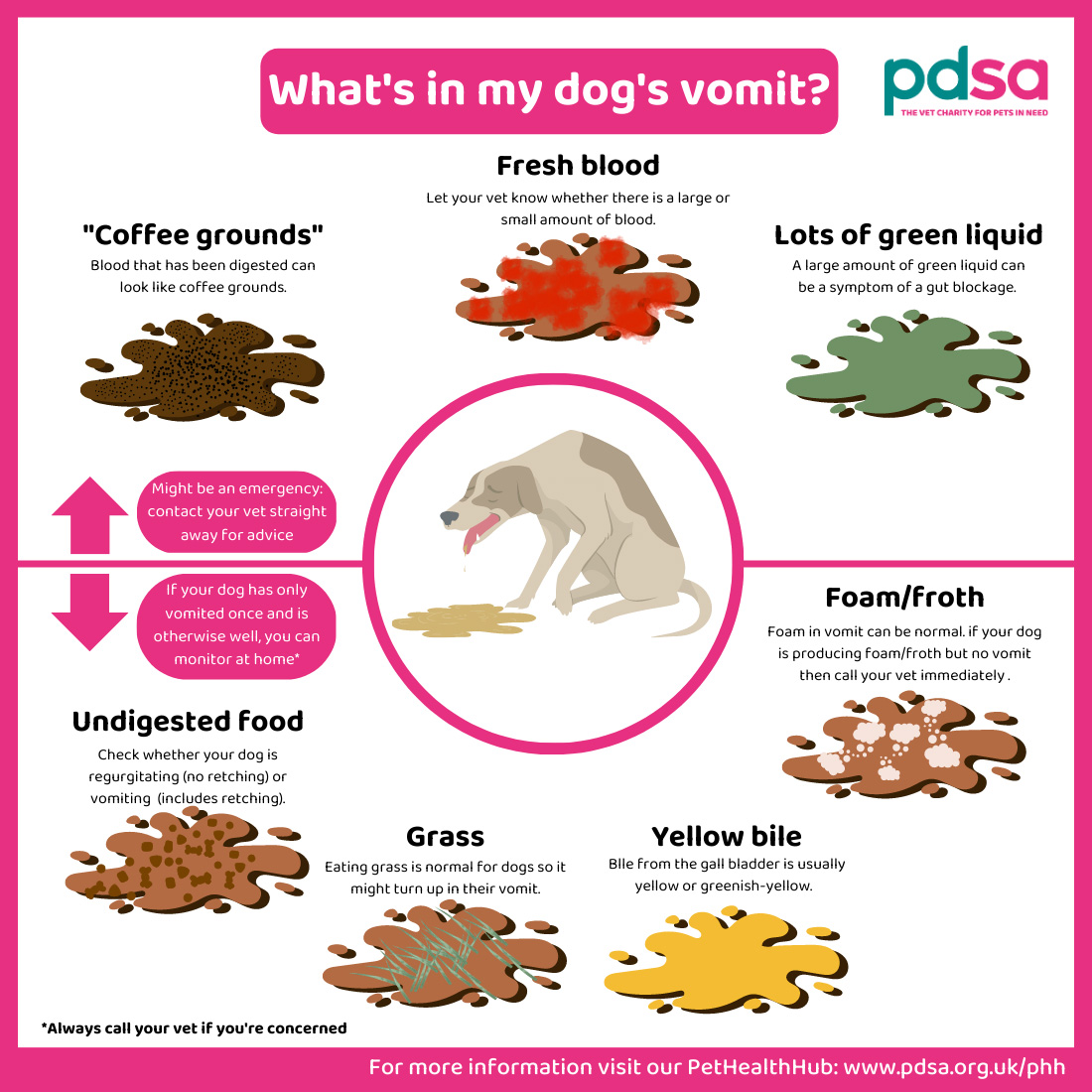
Dogs may vomit after overeating because their stomach cannot handle the extra volume. Repeated vomiting is more concerning than one episode.
Changes in behavior
Restlessness, pacing, whining, hiding, or unusual tiredness can signal stomach discomfort.
Bathroom changes
Loose stool, diarrhea, gas, or changes in bowel movements may occur after eating too much.
Signs That Require Faster Action
Some symptoms suggest more than simple overeating. A dog with severe abdominal swelling, trouble breathing, collapse, or repeated unsuccessful attempts to vomit may have a serious emergency.
Gastric dilatation-volvulus can occur when the stomach expands and twists. This condition requires immediate veterinary treatment and cannot be safely managed at home.
Emergency warning signs
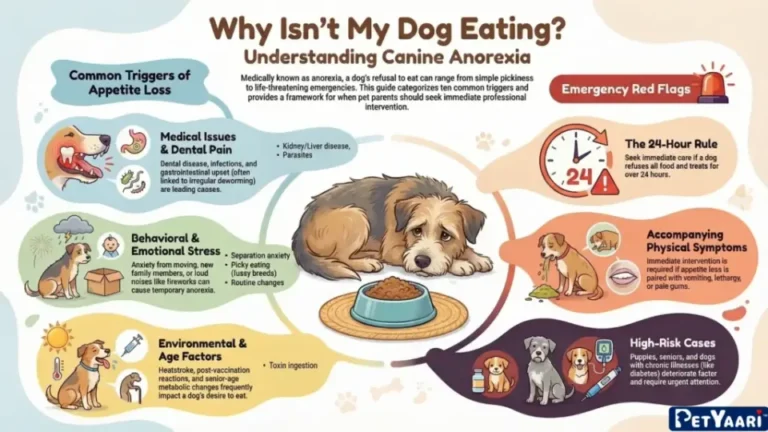
Seek veterinary help quickly if your dog has a swollen hard belly, repeated retching without producing vomit, severe weakness, pale gums, collapse, or signs of intense pain.
Why Dogs Eat Too Much And What Makes It Risky
Dogs may overeat because they find extra food, steal food from counters, receive multiple meals from family members, or eat another pet’s portion. Some dogs also eat quickly because of competition or strong food motivation.
The risk is not only the amount of food. Rich foods, fatty table scraps, chocolate, onions, garlic, grapes, raisins, alcohol, and other unsafe foods can create additional health concerns.
A sudden large meal can disturb normal digestion. The stomach stretches, digestion slows, and the dog may experience discomfort, gas, vomiting, or diarrhea.
Source: storage.googleapis.com
Large meal size
A sudden increase compared with your dog’s normal meal can create more digestive stress.
High-fat foods
Fatty foods may increase the risk of stomach upset and pancreatitis in some dogs.
Food hazards
Some foods are dangerous even in small amounts and require separate poison-related guidance.
If your dog ate an unknown item, medication, toxic food, or household product, contact a veterinarian or animal poison service instead of assuming it is only overeating.
Check what was eaten
Identify the food, amount, ingredients, and approximate time your dog consumed it.
What To Do If Your Dog Ate Too Much
If your dog ate extra food but is alert and comfortable, the first step is to stay calm and monitor closely. Most mild cases improve with time and careful observation.
Do not give extra treats, exercise your dog heavily, or try to make them vomit unless a veterinarian specifically advises it.
Keep fresh water available, but avoid forcing your dog to drink large amounts at once. Watch for changes in energy, breathing, belly size, and bathroom habits.
Source: gimeraori.blogspot.com
Step 1: Find out what happened
Determine what your dog ate, how much was missing, and when the eating occurred.
Step 2: Remove access to more food
Prevent additional eating while you monitor your dog’s condition.
Step 3: Observe symptoms
Check your dog’s behavior, stomach appearance, vomiting, and stool changes.
Step 4: Call a veterinarian when unsure
Professional advice is especially important for puppies, seniors, small dogs, and large accidental meals.
What Not To Do After Overeating
Avoid giving human medications, laxatives, or digestive products unless directed by a veterinarian. Some common human treatments can harm dogs.
Do not assume vomiting solves the problem. Making a dog vomit can be unsafe depending on what was eaten and how much time has passed.
Avoid risky home treatments
Use professional guidance before trying any treatment beyond basic monitoring and preventing more food intake.
How Long Does It Take For A Dog To Recover After Eating Too Much
Recovery time depends on the amount and type of food eaten. A dog that eats a slightly larger meal may return to normal within a day, while a dog with complications may need medical care.
During recovery, watch for improvement rather than focusing only on the clock. A dog that becomes more comfortable, resumes normal behavior, and has normal digestion is showing positive signs.
If symptoms continue, worsen, or appear unusual, a veterinarian should evaluate your dog.
Source: storage.googleapis.com
Mild overeating
May cause temporary fullness, gas, or mild stomach upset.
Ongoing symptoms
Persistent vomiting, diarrhea, pain, or weakness should be checked by a professional.
Factors That Change Recovery Time
A dog’s size, age, breed, health history, and the food involved all influence how quickly they recover.
A large amount of fatty food may create different concerns than a large amount of regular dog food.
Dog size matters
A small dog may be affected by an amount that a larger dog could tolerate better.
How To Prevent Your Dog From Eating Too Much Again
Preventing overeating starts with controlling access to food. Many accidental cases happen because dogs reach food left on counters, tables, bags, or open containers.
A consistent feeding routine also helps owners notice when something changes. Measuring meals and keeping a record of treats can prevent accidental overfeeding.
Source: caninecarecentral.com
Measure daily food portions
Use recommended feeding amounts and adjust only with veterinary guidance.
Secure food storage
Keep human foods and pet food containers closed and out of reach.
Coordinate family feeding
Make sure everyone knows when the dog has already eaten.
Use Slow Eating Strategies
Dogs that eat very quickly may benefit from feeding methods designed to slow meal speed. These methods can reduce gulping behavior but do not replace proper portion control.
Monitor eating habits
Changes in appetite or eating speed may be useful information for your veterinarian.
Frequently Asked Questions
Q
Can a dog get sick from eating too much food?
Yes. Eating too much can cause stomach discomfort, vomiting, diarrhea, and in some cases serious digestive problems. The risk depends on the amount eaten and the type of food.
Q
How can I tell if my dog’s stomach is too full?
A full stomach may cause a rounded belly, slower movement, restlessness, or discomfort. A hard swollen belly or signs of pain need urgent veterinary attention.
Q
Should I skip my dog’s next meal after they overeat?
Do not make major feeding changes without considering your dog’s condition. If your dog is uncomfortable or the overeating was significant, ask your veterinarian for guidance.
Q
Can eating too much cause bloat in dogs?
Eating a large amount can contribute to stomach expansion, but bloat risk involves multiple factors. Signs such as repeated retching, belly swelling, and distress require immediate veterinary care.
Q
When should I call a vet if my dog ate too much?
Call a veterinarian if your dog has severe symptoms, ate a dangerous food, consumed a very large amount, or you are unsure whether the situation is safe to monitor at home.
✦ Wrapping Up
Conclusion
Knowing how to tell if my dog ate too much helps owners respond quickly and safely. Mild overeating may only cause temporary discomfort, but warning signs such as repeated vomiting, a swollen belly, pain, or weakness should never be ignored.
The best approach is to identify what your dog ate, monitor changes, avoid unsafe home treatments, and contact a veterinarian when symptoms suggest a bigger problem.
💡 Key Takeaway
If your dog ate more than normal, check their symptoms, remove access to more food, monitor closely, and seek veterinary advice if anything seems unusual or severe.
Why do dogs flip their ears? Learn what this adorable behavior means, from communication and curiosity to comfort, attention, and possible health concerns.