Why Do Dogs Like To Be Close To Their Owners: Explained
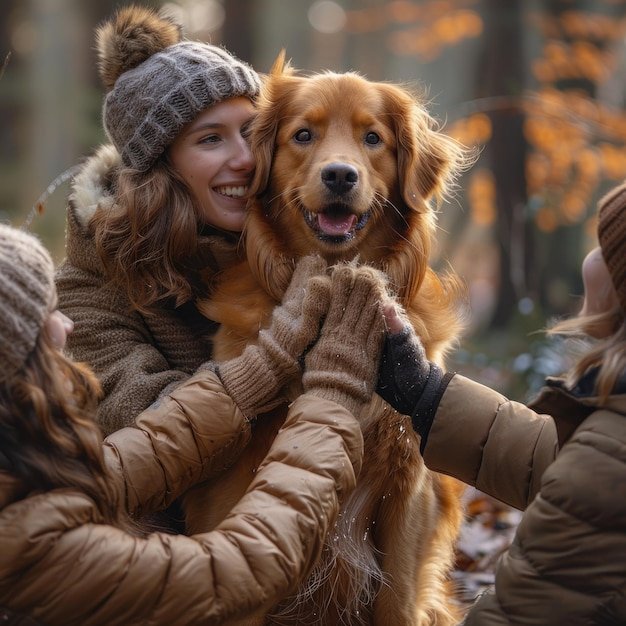
Dogs like to stay close to their owners because closeness helps them feel safe, connected, and understood. In most U.S. households, that behavior is not just “clinginess.” It is a normal mix of attachment, habit, social bonding, and learned rewards.
Dogs are social animals by nature. Many dogs also learn that being near their person means comfort, attention, food, warmth, and predictable routines. For some dogs, close contact is simply how they relax. For others, it can be a sign of stress, boredom, or separation anxiety.

The Short Answer: Dogs Stay Close Because It Works for Them
The main reason dogs like to be near their owners is that closeness feels beneficial. It can reduce stress, strengthen trust, and increase access to positive experiences.
A dog that follows you from room to room may be showing attachment, not disobedience. In many cases, the dog has learned that your presence predicts good outcomes: petting, treats, play, walks, and a calm environment. That makes you the center of the dog’s social world.
Dogs also evolved from ancestors that lived in groups. Social proximity is part of how many canines stay secure. For a pet dog, the owner often becomes the “safe base” in the home.
What “Closeness” Means in Dog Behavior
Closeness can mean several different behaviors, and the meaning depends on the dog and the situation. Some dogs want physical contact, while others just want to be in the same room.
Common examples include:
- lying against your leg
- following you between rooms
- sitting under your desk or next to the couch
- sleeping near your bed
- checking in visually while you move around
- leaning on you during rest
These behaviors are not automatically a problem. In many dogs, they are normal signs of social bonding. The key question is whether the behavior is calm and flexible, or anxious and hard to interrupt.
Why Dogs Seek Their Owners So Often
Dogs seek their owners for four main reasons: safety, reward, routine, and bonding. Each one can matter more or less depending on the dog’s age, breed mix, history, and temperament.
1. Your presence feels safe
Many dogs treat their owners as a source of security. Your voice, scent, and movement are familiar signals in the home. When a dog stays near you, it may be choosing the place that feels most predictable.
This is especially common in new environments, during storms, or when unfamiliar people are around. The dog is not being dramatic. It is using the nearest trusted person as a stability point.
2. You are the source of good things
Dogs are excellent at pattern learning. If you are the one who feeds them, opens the back door, starts the leash walk, or tosses the tennis ball, they will naturally want to stay close.
That does not mean the dog only values food or play. It means the owner has become linked with reward. Over time, that association strengthens the habit of proximity.
3. Bonding is a real social need
Dogs are social mammals, and many of them enjoy companionship the way people do. Living closely with humans can deepen that bond. Eye contact, gentle touch, shared routines, and play all reinforce it.
In practical terms, closeness often means connection. The dog is not just occupying space near you; it is taking part in a relationship.
4. Familiar routine lowers stress
Dogs tend to like patterns they can predict. If your day has a regular rhythm, your dog may use your location and movements as clues about what happens next.
For example, your dog may learn that when you sit at the kitchen table, breakfast is near. When you pick up keys, a walk may follow. Staying close helps the dog stay tuned in.
When Closeness Is Healthy vs. When It May Be a Problem
Not all clingy behavior means anxiety, but some dogs do show unhealthy dependence. The difference is usually in intensity, flexibility, and distress.
| Behavior pattern | Often normal | May need attention |
|---|---|---|
| Follows owner from room to room | Yes | Only if constant and hard to interrupt |
| Sleeps near owner | Yes | Only if the dog panics when separated |
| Seeks petting and attention | Yes | Only if the dog cannot settle alone |
| Watches owner during movement | Yes | Only if it becomes frantic when ignored |
| Cries, scratches, or destroys when left alone | Sometimes | More concerning for separation anxiety |
A dog that likes closeness can still be confident and independent at times. A dog with a problem may seem unable to relax unless the owner is in sight or touch range.
Why Some Dogs Are Clingier Than Others
Some dogs are naturally more people-focused than others. Breed tendencies, early socialization, life changes, and past experiences all shape how close a dog wants to be.
Breed and temperament matter
Some breeds were selected for close human partnership, attention, or cooperative work. That can make them more likely to hover near their people. But breed is only one factor. Individual personality still matters a lot.
Early experience matters
Dogs that were well socialized and gently handled as puppies often learn that people are safe and rewarding. Dogs with inconsistent care, neglect, or frequent rehoming may become more attached or more watchful.
Age can change behavior
Puppies often shadow their owners because they are still learning the home and the rules. Senior dogs may also stay closer because of reduced hearing, vision, or confidence. In both cases, the closeness can come from needing reassurance.
Stress can increase proximity
A dog may become more clingy during a move, schedule change, new baby, fireworks, illness, or family tension. Closeness can be a coping behavior. If the change is temporary, the behavior may ease once life feels normal again.
Signs Your Dog Is Close Because of Bonding, Not Stress
A bonded dog usually stays near you without appearing panicked. The behavior is calm, flexible, and easy to redirect.
Helpful signs include:
- the dog can rest when you leave the room briefly
- the dog still eats, sleeps, and plays normally
- the dog enjoys attention but does not demand it nonstop
- the dog settles after you are finished interacting
- the dog can stay with another trusted person or alone for short periods
If your dog can enjoy your company but also relax independently, the closeness is usually healthy. That is a good sign of attachment, not a warning sign.
Signs Closeness May Be Linked to Anxiety
When closeness becomes anxious, the dog may struggle to function normally without you. The behavior is then about distress, not just affection.
Watch for these signs:
- whining, barking, or pacing when you move away
- following you with visible tension
- refusing to settle unless touching you
- destructive behavior when alone
- trembling, panting, or drooling after separation
- bathroom accidents tied to being left alone
If these signs are frequent, the dog may be experiencing separation-related distress. A veterinarian or qualified behavior professional can help rule out medical causes and build a plan.
How to Respond if Your Dog Is Always Close
The best response depends on whether the closeness is normal or anxious. If your dog is affectionate and calm, you usually do not need to “fix” it. If the behavior is intense, the goal is to build comfort with gentle independence.
If the behavior seems normal
You can support healthy closeness by:
- keeping a steady routine
- rewarding calm behavior
- offering a comfortable resting spot near you
- practicing short, low-stress separations
- giving the dog mental and physical exercise
This approach helps the dog feel secure without becoming overdependent.
If the behavior seems anxious
Try these steps:
- Do not punish the dog for following you.
- Increase predictable exercise and enrichment.
- Practice very short separations and return before distress starts.
- Teach the dog to settle on a mat or bed.
- Ask a veterinarian about possible medical factors if the change is sudden.
- Seek help from a certified trainer or veterinary behaviorist if the dog shows panic.
For severe separation anxiety, professional support is often the fastest and safest route. Punishment usually makes the stress worse.
What Dog Owners Often Misunderstand
A few common myths can make this behavior seem more mysterious than it is.
Myth 1: A close dog is always spoiled
Not true. Many dogs are simply social and attached. Closeness does not mean poor training by itself.
Myth 2: A dog that follows you is being dominant
This is outdated thinking. Following usually reflects attachment, habit, or learned reinforcement, not dominance in the household.
Myth 3: Independence is always better
Also not true. Dogs vary. Some are naturally more social and people-oriented. The goal is balanced comfort, not forcing every dog to behave the same way.
Myth 4: Closeness means the dog loves only one person
A dog may be especially bonded to one owner while still liking the rest of the family. Preference does not always equal exclusivity.
Practical Example: What the Behavior Can Mean
If your dog curls beside you every evening after dinner, that is usually a sign of comfort and routine. The dog has likely learned that this time of day is calm, safe, and rewarding.
If the same dog becomes frantic when you pick up your keys, that points to a different issue. In that case, closeness is mixed with anxiety about separation.
The behavior may look similar on the surface, but the emotional cause is different. That is why context matters more than the behavior alone.
When to Call a Veterinarian or Behavior Professional
You should seek help if your dog’s need for closeness is sudden, severe, or paired with distress.
Contact a veterinarian if:
- the behavior changed quickly
- the dog seems painful, weak, or unusually needy
- the dog is not eating, sleeping, or acting normally
- accidents or vocalizing started out of nowhere
Consider a certified trainer or veterinary behaviorist if:
- the dog panics when alone
- the dog cannot relax without touching you
- your attempts to help are not working
- the behavior is affecting daily life
A sudden change can sometimes point to a medical issue, not just behavior. That is worth checking first.
Key Takeaways
Dogs like to be close to their owners because closeness usually feels safe, rewarding, and socially satisfying. For many dogs, it is a normal sign of attachment and trust.
The behavior is most likely healthy when the dog can still relax, eat, sleep, and cope briefly without constant contact. It becomes a concern when it turns into panic, distress, or inability to function alone.
FAQs
Why does my dog follow me everywhere in the house?
Your dog may be bonding with you, looking for rewards, or using you as a source of security. Following is common in social dogs and is not automatically a behavior problem.
Is it normal for a dog to sleep next to its owner?
Yes. Many dogs sleep near their owners because it feels safe and familiar. It is usually fine if the dog can also rest calmly on its own when needed.
Does my dog love me if it always wants to be near me?
Closeness is often a sign of attachment, trust, and comfort. It does not measure love in a human way, but it does show that your dog values your presence.
Can being too close to an owner be a sign of separation anxiety?
Yes, if the dog becomes distressed when you leave, cannot settle alone, or shows panic behaviors. In that case, closeness may be part of an anxiety pattern.
How can I help my dog be less clingy?
Build short periods of independent rest, keep a steady routine, reward calm behavior, and provide exercise and enrichment. If the clinginess looks anxious, get professional help.
Conclusion
Dogs like to be close to their owners because humans often become their safest, most rewarding social anchor. That closeness is usually a normal part of dog behavior, shaped by attachment, routine, and trust.
The important distinction is whether the dog is simply affectionate or actually anxious. When closeness is calm and flexible, it is part of a healthy bond. When it turns into distress, it deserves closer attention and, if needed, professional help.