Why Do Dogs Need Attention: Key Reasons Explained
Introduction
For dog owners in the United States, attention is more than petting a dog after work. Dogs are social animals that rely on people for safety, care, learning, play, and emotional support. Regular, positive attention helps meet these needs and can support better behavior and welfare.
Dogs do not all need the same amount or type of attention. A young Labrador may seek long play sessions, while an older Chihuahua may prefer quiet contact. The goal is not to keep a dog busy all day. It is to provide steady care, social contact, mental activity, and rest in a safe routine.

Quick Answer: Why Do Dogs Need Attention?
Dogs need attention because people provide much of what dogs need to live well. Positive attention can help a dog:
- Feel safe and connected to its family
- Learn household rules and useful skills
- Get exercise and mental stimulation
- Avoid boredom and frustration
- Build confidence in new situations
- Show pain, fear, stress, or illness
- Maintain a stable daily routine
Attention does not mean giving a dog constant access to you. Healthy attention includes calm time together, training, play, grooming, walks, and quiet companionship. Dogs also need to learn how to rest alone.
The American Veterinary Medical Association explains that socialization and positive experiences help dogs develop suitable responses to people, animals, and new settings. This supports the broader point: regular, safe interaction helps dogs cope with life.
What “Attention” Means for a Dog
Attention is any safe interaction that meets a dog’s physical, social, emotional, or learning needs. It can be active, such as a walk, or quiet, such as sitting near the dog while it rests.
Useful forms of attention include:
- Social contact: Petting, speaking softly, sitting nearby, or sharing calm time
- Physical activity: Walking, playing fetch, swimming where safe, or exploring outdoors
- Mental work: Training, scent games, food puzzles, and simple problem-solving
- Care: Feeding, grooming, nail care, dental care, and health checks
- Guidance: Teaching what to do instead of only correcting unwanted behavior
- Emotional support: Helping a dog handle fear, change, visitors, noise, or travel
These forms are not equal for every dog. A walk may meet a dog’s need to move and sniff, but it may not replace training or calm social contact. Petting may help one dog relax but make another dog uncomfortable.
A dog’s body language gives useful clues. A loose body, soft eyes, relaxed mouth, and choice to stay near you often suggest comfort. Turning away, lip licking, yawning, stiff posture, hiding, or moving away may mean the dog wants less contact.

How Attention Helps Dogs
Attention supports the human-dog bond
Dogs often use people as a source of safety and guidance. Predictable care can make the home feel secure. A dog that knows when it will eat, go outside, rest, and interact may cope better with daily changes.
The bond grows through repeated positive experiences. This includes gentle handling, reward-based training, play, and calm time. Trust is built through consistency, not through constant contact.
Research published in Applied Animal Behaviour Science has linked human-dog interaction with relationship quality and dog behavior. The exact needs differ by dog, but the practical lesson is clear: kind, predictable interaction matters.
Attention helps dogs learn
Dogs learn from the results of their actions. If sitting earns a reward, sitting may happen more often. If jumping earns eye contact or play, jumping may continue.
Short training sessions give a dog attention while teaching useful behavior. They can also help the dog understand what people want. The American Veterinary Society of Animal Behavior supports reward-based training and warns against methods that rely on fear, pain, or intimidation.
Attention works best when it is clear. Reward the behavior you want as soon as it happens. For example, reward four paws on the floor before greeting a dog that jumps.
Attention reduces boredom
Dogs need more than food, shelter, and a place to sleep. Many dogs also need chances to sniff, explore, chew, solve simple problems, and interact with people.
Boredom may lead to behaviors such as:
- Chewing furniture
- Digging
- Barking at sounds
- Stealing objects
- Pacing
- Repeatedly nudging people
- Chasing light or shadows
- Escaping from the yard
These behaviors do not always mean boredom. Pain, fear, separation distress, and illness can look similar. Still, daily mental activity is a useful part of prevention.
A food puzzle, scent game, or five-minute training session may tire a dog’s brain more safely than adding a long run. Choose activities that match the dog’s age, health, skill, and supervision needs.
Attention supports emotional health
Positive contact can help a dog feel connected and secure. It may also help an owner notice changes in behavior.
A dog that suddenly avoids touch may have pain. A dog that becomes unusually clingy may feel fearful or unwell. A dog that stops playing may have a health problem, not a simple need for more attention.
The AVMA advises regular veterinary care and attention to changes in a pet’s behavior, appetite, activity, and appearance. Attention is therefore both a welfare need and a way to notice problems early.

How Much Attention Does a Dog Need Each Day?
There is no single number of hours that fits every dog. Age, breed traits, health, temperament, training, past experience, and home life all change the answer.
A useful daily plan should include these parts:
| Need | Examples | What can change it |
|---|---|---|
| Social contact | Calm company, petting, gentle talk | Temperament and past handling |
| Exercise | Walks, play, safe outdoor time | Age, breed, weight, joints, weather |
| Mental work | Training, scent games, puzzles | Skill level and motivation |
| Basic care | Meals, grooming, dental care | Coat, age, health, diet |
| Rest | Quiet sleep and alone time | Age, stress, noise, household activity |
Puppies often need many short periods of care and training. They also need a great deal of sleep. Adult dogs may do well with a steady mix of walks, play, training, and rest. Senior dogs may need more rest but still benefit from gentle social contact and simple mental activities.
Breed labels can offer clues, but they do not determine a dog’s needs. A working breed may seek more activity, yet an individual dog’s health and temperament still matter. A small dog may need substantial exercise and training, even if it has a small body.
A simple way to plan attention
Start with a basic routine:
- Offer a suitable walk or outdoor activity.
- Add a short training session.
- Provide a safe chew, food puzzle, or scent game.
- Spend calm time together.
- Protect a quiet rest period.
- Repeat the pattern in a way that fits the dog’s health and your schedule.
Watch the dog’s response. A satisfied dog may settle, sleep, chew calmly, or choose to rest nearby. A dog that remains frantic, distressed, destructive, or unable to settle may need a different plan or professional help.
More attention is not always better. Too much intense play, too many visitors, or constant stimulation can make a dog overtired. Puppies, fearful dogs, and some high-energy dogs may need help learning to calm down.

Signs Your Dog May Need More Positive Attention
A dog may need more enrichment or social contact when it often:
- Follows you and repeatedly demands interaction
- Brings toys but has no regular play routine
- Barks or paws at you during quiet periods
- Chews items when left without an activity
- Paces or appears unable to settle
- Shows repeated digging or escape attempts
- Sleeps poorly because it lacks a calm routine
- Loses interest in normal activities
These signs are clues, not a diagnosis. For example, pacing may result from anxiety, pain, heat, medication, or an urgent medical problem.
Increase activity slowly. Add one short walk, training session, or food puzzle at a time. If the behavior is new, severe, or paired with appetite changes, vomiting, limping, panting, confusion, or pain, contact a veterinarian.
Signs Your Dog Wants Less Attention
Respecting a dog’s limits is part of good care. A dog may want space if it:
- Turns its head away
- Moves away or hides
- Licks its lips without food nearby
- Yawns often during handling
- Holds its body stiff
- Pins its ears back
- Shows the whites of its eyes
- Growls or snaps
Do not punish a growl. A growl is a warning that the dog feels uncomfortable. Stop the interaction, create space, and identify the trigger. If the dog has bitten, repeatedly snaps, or guards food, toys, furniture, or people, seek help from a veterinarian or a qualified behavior professional.
A dog should be allowed to leave a petting session. Children should learn not to hug, climb on, chase, or disturb a dog that is eating or sleeping. The American Academy of Pediatrics provides safety guidance for children and dogs, including close adult supervision.

How to Give Your Dog Better Attention
Quality matters more than simply being in the same room. Try these practical options.
Use short training sessions
Train one skill for three to five minutes. Practice sitting, coming when called, touching a hand, settling on a mat, or leaving an object.
End while the dog is still interested. Use small treats, praise, toys, or access to a favorite activity. Keep the lesson easy enough for the dog to succeed.
Make walks about more than distance
Allow safe sniffing. Sniffing gives dogs information about their surroundings and can make a short walk more useful. Change the route when practical, but avoid forcing a dog into crowded or frightening places.
Use a secure leash and follow local rules. In hot weather, check pavement temperature and walk during cooler parts of the day. Dogs with breathing, heart, joint, or weight concerns may need a veterinarian’s exercise plan.
Offer choices
Let your dog choose between two safe toys. Allow it to move away from petting. Offer a quiet bed in a low-traffic area.
Small choices can reduce conflict and help a dog feel in control. Never offer choices that create a safety risk, such as access to an open gate or unsafe food.
Add food-based enrichment
Use part of the dog’s normal meal in a puzzle feeder, scatter it in a safe area, or hide small portions for a supervised scent game. Reduce the meal in the bowl by the amount used for treats.
Avoid giving bones, toxic foods, or objects that can splinter or cause choking. Ask a veterinarian about suitable options if the dog has dental disease, allergies, or a history of swallowing objects.
Teach calm attention
Reward the dog for resting on a mat or lying quietly near you. Do not wait until the dog is frantic. Give calm praise or a small reward when the dog settles.
This teaches an important lesson: attention can come from quiet behavior, not only barking, pawing, or jumping.

Attention, Separation Anxiety, and Clingy Behavior
Attention alone does not cause separation anxiety, and ignoring a distressed dog does not cure it. Separation anxiety is a serious fear response that may involve panic when a person leaves or the dog expects to be alone.
Possible signs include:
- Destruction near doors or windows
- Persistent barking or howling after departure
- Drooling or frantic pacing
- Escape attempts
- Indoor urination or defecation despite house training
- Extreme distress during departures
A camera can help an owner see what happens after leaving, but it does not diagnose the cause. A veterinarian should rule out medical problems and discuss a behavior plan. Treatment may include gradual alone-time practice, environmental changes, behavior work, and, in some cases, medication prescribed by a veterinarian.
Do not punish damage found after returning home. The dog may have been panicked, not spiteful. Punishment can increase fear and make future departures harder.

Common Mistakes Dog Owners Make
Giving attention only when the dog misbehaves
If barking, jumping, or pawing always earns a response, the behavior may become stronger. Teach and reward an alternative, such as sitting, touching a hand, or lying on a mat.
Assuming physical exercise solves every problem
A long run may help a fit dog, but it does not replace social contact, training, rest, or medical care. Some dogs become fitter without becoming calmer.
Forcing contact
Hugging, holding, or petting a dog that wants to leave can increase stress. Let the dog approach and pause often.
Leaving enrichment toys unsupervised
Some dogs tear apart toys or swallow pieces. Test new items while watching the dog. Remove damaged objects.
Mistaking illness for a need for attention
A sudden behavior change deserves attention as a possible health issue. Contact a veterinarian if the change is strong, lasts, or comes with physical symptoms.

When to Call a Veterinarian or Behavior Professional
Contact a veterinarian when your dog shows a sudden change in behavior, unusual clinginess, withdrawal, aggression, loss of appetite, sleep changes, pain, limping, repeated pacing, or house-soiling.
Ask for behavior help when fear, aggression, destructive behavior, or separation distress continues despite basic routine changes. A veterinarian can check for medical causes and may refer you to a board-certified veterinary behaviorist or another qualified professional.
Look for methods based on rewards and gradual behavior change. Be cautious of anyone who promises a quick fix or relies on pain, fear, shock, or intimidation. Training should improve safety without damaging trust.
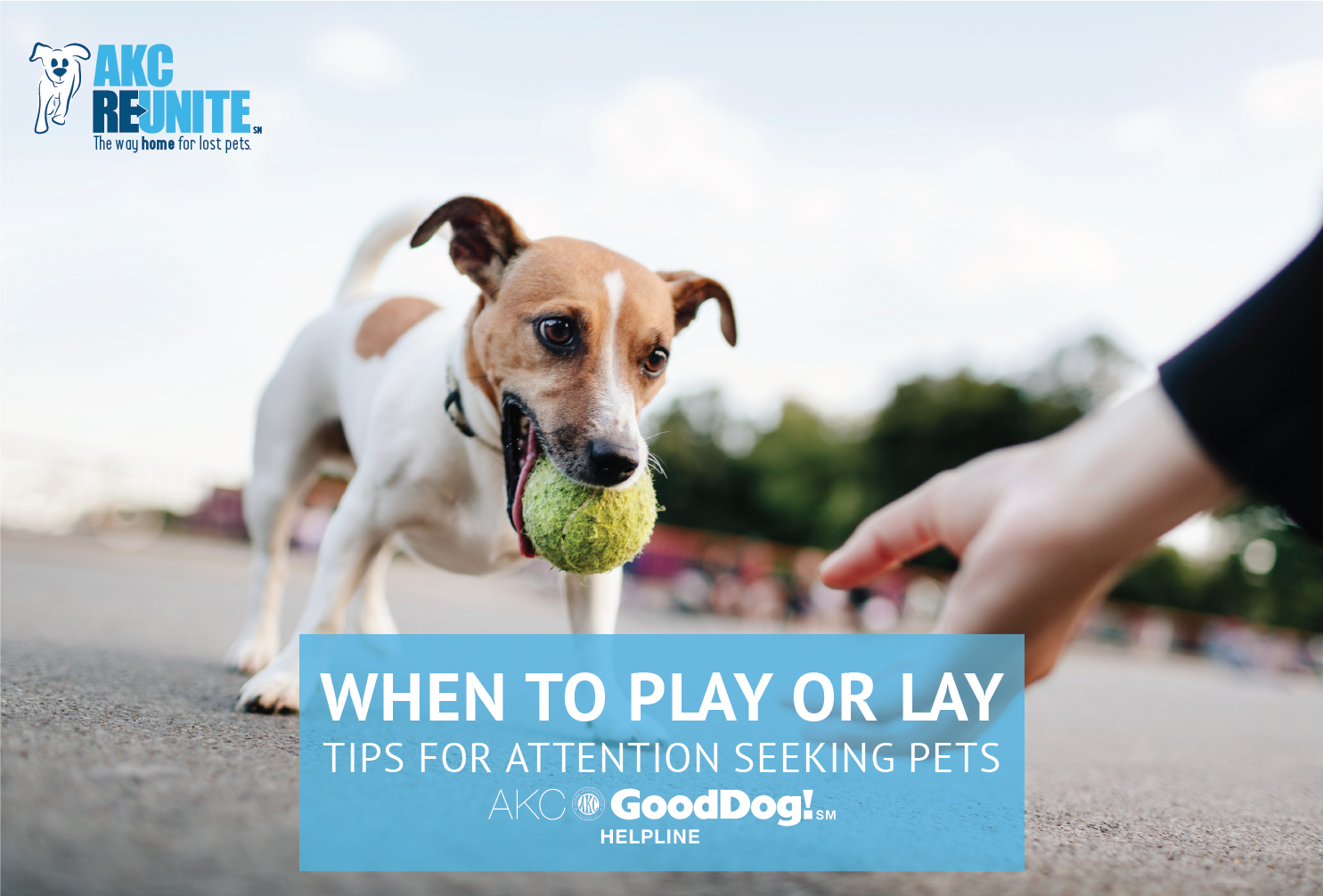
FAQs About Why Dogs Need Attention
Do dogs need attention all day?
No. Dogs need regular care and positive interaction, but they also need sleep and quiet time. The right balance depends on the dog’s age, health, temperament, and routine.
Can a dog get too much attention?
Yes. Constant stimulation or forced contact can make some dogs stressed or unable to settle. Give the dog breaks and reward calm behavior.
Why does my dog follow me everywhere?
Following may reflect companionship, habit, fear, boredom, or illness. If the behavior is sudden or intense, speak with a veterinarian. Otherwise, build calm independence with short, safe periods apart.
Is petting enough attention for a dog?
Petting can help, but it does not meet every need. Dogs also need movement, mental work, training, care, rest, and chances to explore.
Why does my dog demand attention at night?
The cause may be boredom, an inconsistent routine, anxiety, pain, age-related changes, or the need to go outside. Check health and bathroom needs first. Then build a calm evening routine and avoid rewarding repeated demands with exciting play.
Conclusion
Dogs need attention because people provide the care, connection, guidance, and enrichment that support a good life. The best attention is not constant contact. It is regular, safe, and suited to the individual dog.
Give your dog a mix of calm companionship, exercise, training, mental work, grooming, and rest. Watch body language and behavior changes. If your dog cannot settle, seems fearful, or changes suddenly, involve a veterinarian before assuming the problem is simply a lack of attention.