Why Do Dogs Love Humans More Than Other Dogs: Explained
Dogs often seem to prefer people over other dogs because humans became their social partners during domestication, and many dogs are wired to seek comfort, food, safety, and attention from people. In most American homes, a dog’s strongest bond is usually with the humans who feed, train, protect, and interact with them every day. That bond is real, but it does not mean dogs do not like other dogs; it usually means humans have become their most reliable source of security and rewards.
Quick Answer
Dogs may appear to “love humans more” because human companionship gives them:
- steady food and shelter
- daily attention and touch
- training, play, and routine
- protection from threats
- emotional safety during stress
For many dogs, people function like a safe base. Other dogs matter too, but humans often control the things that help a dog feel secure.
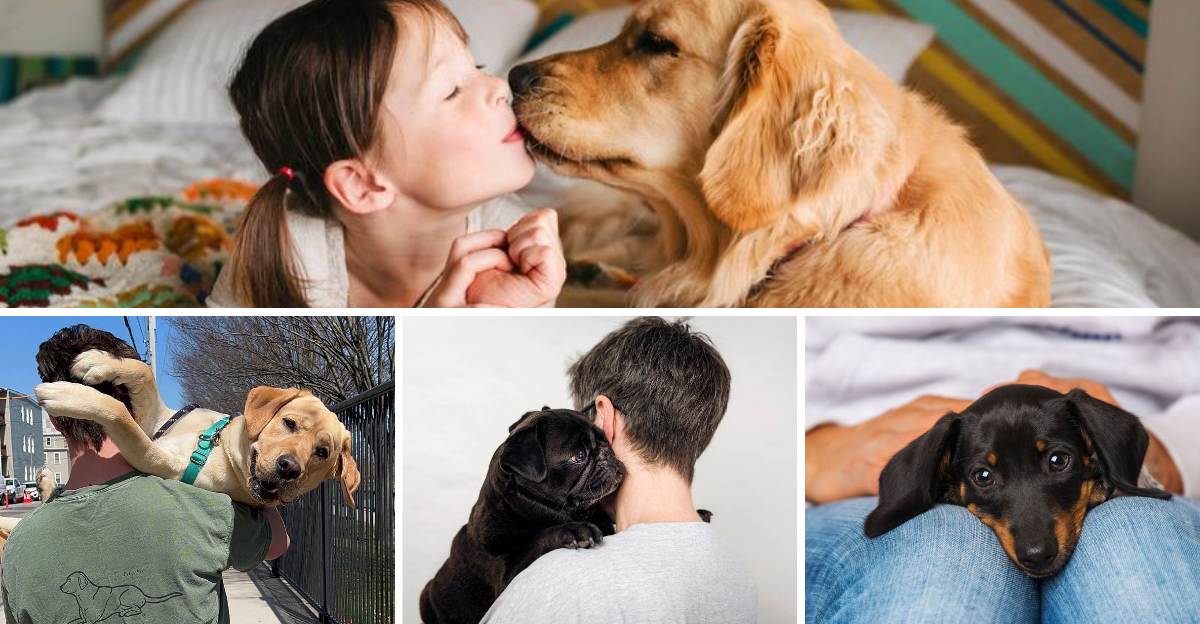
What “Love” Means in a Dog
A dog’s “love” is not the same as a human romantic or even fully verbal emotional bond. In practice, it is a mix of attachment, trust, preference, and learned reward. Dogs show this through following, greeting, eye contact, leaning, relaxed body language, and seeking comfort when scared.
That distinction matters because a dog may prefer humans without being unable to form strong dog-to-dog bonds. A well-socialized dog can enjoy both. The difference is that humans usually provide more consistent care, which often makes the human bond stronger.
Why Dogs Bond So Strongly With Humans
Humans became part of the dog’s survival system
Domestication changed dogs over thousands of years. Dogs that tolerated and sought human contact were more likely to get food, shelter, and protection. Over time, that favored animals that could read human gestures and form close social bonds with people.
That history still shows up today. Many dogs naturally look to humans for direction, reassurance, and access to resources. In a modern American household, the person is often the center of the dog’s world.
Humans are predictable in ways dogs value
Dogs thrive on routine. People usually control meal times, walks, bedtime, and play. That predictability helps a dog feel safe, and safety strengthens attachment.
Other dogs can be fun, but they are less predictable than a familiar human caregiver. A stable human relationship often wins because it is tied to comfort and consistency. For a dog, that consistency can feel like home.
Positive reinforcement makes humans the “good things” source
Dogs learn quickly which beings bring rewards. If a person feeds them, plays tug, opens the door, scratches their favorite spot, and speaks in a calm voice, the dog forms a strong association with that human.
This is basic learning, not magic. The dog is not just “being cute”; the dog is tracking who meets needs and creates pleasant experiences. That pattern can be stronger than the bond with another dog who does not provide the same benefits.
Dogs read human emotions closely
Research has shown that dogs are skilled at reading human cues, including tone of voice, facial expression, and body language. That makes people unusually easy for dogs to understand. Humans may not always speak “dog,” but dogs often learn to read human signals better than many people expect.
This matters because understanding reduces uncertainty. When a dog can predict a person’s mood or next move, the dog feels more secure. Security often looks like affection.
Humans often serve as a dog’s safe base
In attachment terms, a safe base is a trusted figure that a dog checks in with when unsure. Many dogs do this with their people during walks, at the vet, or around unfamiliar guests. They may return to the owner after exploring because the owner feels like safety.
That does not mean the dog fears other dogs. It means the human bond often organizes the dog’s social world. In practical terms, the dog wants to know, “Is my person okay with this?”
Why Some Dogs Seem to Prefer People Over Other Dogs
Early socialization changes the result
A puppy that spends healthy time with littermates and other dogs usually learns dog social skills well. But if that same puppy also has warm, regular contact with people, the human bond can become the strongest one. Early exposure shapes later preference.
If a dog missed good early dog-to-dog social experiences, it may find other dogs confusing or stressful. That can make humans look especially comforting. The dog may not dislike dogs in general; it may simply be more confident with people.
Humans are easier to control than other dogs
This sounds blunt, but dogs are practical animals. A human usually offers clear patterns: leash on, treat out, door opens, game starts, petting begins. Other dogs can be polite or chaotic, depending on the situation.
From a dog’s point of view, humans are often the smoother partner. The dog may prefer the social interaction that feels safest and most rewarding. In everyday life, that often means the owner wins.
Some dogs are more people-oriented by temperament
Breed tendencies, individual temperament, and life experience all matter. Many dogs bred for companionship or close human work tend to show strong attachment to people. Others may be more dog-social, especially if they were raised around dogs from a young age.
There is no single universal rule. A dog’s preference depends on personality, history, and what that dog has learned from daily life. One dog may adore every dog at the park, while another may only care about the human holding the leash.
Do Dogs Really Love Humans More Than Other Dogs?
Sometimes yes, but not always in the way people imagine. Dogs can love both humans and other dogs, just in different ways. Humans often become the primary attachment figure because they provide safety and stability, while other dogs may fill the role of playmate, companion, or social partner.
A useful way to think about it is this:
| Relationship | What the dog often gets | Typical effect |
|---|---|---|
| Human caregiver | food, protection, routine, touch, guidance | strong attachment and trust |
| Familiar dog friend | play, social learning, exercise | social enrichment and fun |
| Unknown dog | novelty, possible tension, uncertainty | caution or excitement |
For many household dogs in the United States, the human relationship is simply more central to daily survival. That does not erase dog friendships. It just explains why the human bond is often stronger.
Signs Your Dog Prefers You
A dog that prefers you may:
- follow you from room to room
- check in with you during walks
- choose to rest near you
- greet you more intensely than other people
- calm down faster when you are nearby
- bring toys to you instead of to another dog
These signs do not mean the dog ignores other dogs. They usually mean you are the dog’s main source of safety and reward. If the dog is relaxed, engaged, and responsive, that is a healthy attachment pattern.
When a Dog Prefers Humans Too Much
Sometimes a dog shows extreme attachment that crosses into anxiety. If a dog panics when left alone, cannot settle without constant contact, or becomes distressed around other dogs because it never learned to socialize properly, the issue may be separation anxiety, fear, or under-socialization.
This is when the question changes from “Why does my dog love me so much?” to “Is my dog getting enough balanced social experience?” If the behavior is severe, talk with a veterinarian or a qualified trainer who uses positive reinforcement. Sudden changes in behavior can also point to pain or illness.
Common Misconceptions
“Dogs prefer humans because they are pack leaders”
That is too simple. Modern dog behavior research does not support the old idea that dogs bond well because humans dominate them. Dogs usually bond because they feel safe, rewarded, and understood.
“If my dog loves me, it will ignore all other dogs”
Not true. A well-adjusted dog can love its person and still enjoy dog play. Healthy social behavior often includes both.
“Dogs only love humans for food”
Food matters, but it is not the whole story. Attention, safety, routine, voice, touch, and predictability all shape the bond. Dogs are social animals, not vending machines with fur.
How to Strengthen Your Dog’s Bond With You
If you want a stronger, healthier bond, focus on trust and consistency:
- Feed on a routine.
- Use calm, clear cues.
- Reward good behavior.
- Make play short and positive.
- Give your dog quiet time near you.
- Socialize safely with other dogs when appropriate.
The goal is not to make your dog choose you over every other creature. The goal is to become a reliable, positive part of the dog’s world. That kind of bond is usually the deepest one.
FAQs
Do dogs love their owners more than other dogs?
Often, yes, especially in daily life. Owners usually provide the most important needs, so the bond is often stronger than the bond with another dog.
Can a dog love another dog as much as a human?
Sometimes a dog may have a very strong dog-to-dog bond, especially with a sibling or housemate. But the relationship usually serves a different role than the human bond.
Why does my dog choose me over other dogs?
You likely provide safety, routine, and rewards. Your dog may also feel more comfortable with you because you are familiar and predictable.
Are dogs happier with humans or other dogs?
Most dogs do best with both good human care and healthy social contact with other dogs. The ideal balance depends on the dog’s temperament and background.
Is it bad if my dog is more attached to me than to other dogs?
Not usually. It only becomes a problem if the attachment turns into fear, panic, or social avoidance. In that case, the dog may need behavior help.
Conclusion
Dogs often appear to love humans more than other dogs because humans became their main source of safety, food, routine, and emotional comfort. That bond is shaped by domestication, learning, and daily care. Other dogs can still matter a great deal, but for many dogs in American homes, people are the center of the pack-like world they actually live in.
If you want, I can also turn this into a shorter blog post, a more scientific version, or a version optimized for a pet blog homepage.