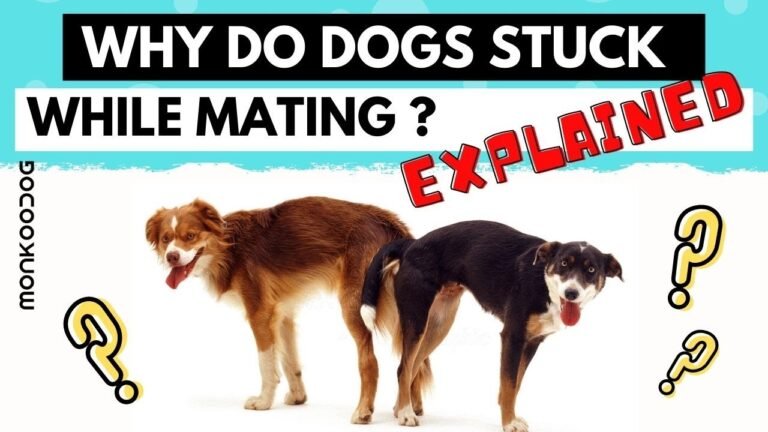
Why Do Dogs Turn Around When Mating: Explained Simply
Dogs turn around when mating because of a normal reproductive behavior called the copulatory tie. During this phase, the male and female may end up facing opposite directions as they remain physically connected for several minutes. This is usually normal, expected, and not a sign of injury.
In the United States, many dog owners first notice this behavior during an accidental or planned breeding and worry that something is wrong. In most cases, the turning is part of how canine reproduction works, and forcing the dogs apart can cause harm. Understanding what is happening helps you stay calm and keep both dogs safe.

What It Means When Dogs Turn Around During Mating
The turning happens because the dogs are still connected after penetration, and their bodies shift as the male’s reproductive organs swell and lock in place. In dogs, this is part of the mating process, not a mistake or a sign that the pair is “stuck” in a dangerous way.
The most important thing to know is that the tie can make the dogs rotate so they stand back-to-back or in another awkward position. This is common in dogs of mating age, and it often lasts several minutes, sometimes longer.
The basic sequence
- The male mounts the female.
- Penetration occurs.
- The bulbus glandis on the male swells.
- The dogs become physically tied together.
- They may shift, turn, or rotate while waiting for the tie to release.
That rotation is usually driven by movement, balance, and the natural mechanics of the tie. It is not something you should try to stop.
Why the Copulatory Tie Happens
The tie happens because dog anatomy is built differently from human anatomy. After penetration, the male’s bulbus glandis enlarges, which helps keep the pair connected for a period of time. This is one reason dogs may turn around and end up facing away from each other.
The exact biological purpose is still discussed, but the effect is clear: the tie supports sperm transfer and increases the chance that breeding can lead to pregnancy. The female and male often stay connected while the male dismounts, and the pair may rotate during that process.
What the tie does
- Helps keep the dogs connected after mating begins
- Allows time for semen transfer
- Reduces the chance that the pair separates too early
- Often causes the dogs to pivot or turn in place
This is normal canine behavior, but it can look alarming if you have never seen it before.
Is It Normal for Dogs to Face Away From Each Other?
Yes, it is normal for dogs to face away from each other after mating starts. This position often happens during the tie as the male dismounts and the pair remains attached.
Owners sometimes assume the dogs are fighting, panicking, or injured because the posture looks unnatural. In reality, the opposite-facing position is one of the classic signs of a normal tie. The dogs may also seem calm, tense, or unable to move much because the connection limits their motion.
How Long Does the Tie Last?
A dog tie often lasts about 5 to 30 minutes, but the time can vary. Some ties are shorter, and some last longer.
The length depends on factors like:
- The dogs’ size and position
– Their level of excitement or movement - Breed and individual anatomy
- Whether the dogs stay calm
A tie that lasts a little longer is not automatically a problem. What matters most is whether the dogs are calm, breathing normally, and not showing signs of pain.
| Situation | What is usually happening | What to do |
|---|---|---|
| Dogs are back-to-back and calm | Normal tie | Stay nearby and do not interfere |
| Dogs are tense but quiet | Likely still normal | Keep them still and wait |
| Dogs are whining, panicking, or injuring themselves | Possible problem | Call a veterinarian right away |
| Owners try to pull them apart | Risk of injury | Stop and seek help if needed |
What You Should Do If Dogs Turn Around While Mating
The safest response is to stay calm and give the dogs space. Do not pull, twist, or separate them. Doing that can injure the penis, vagina, or surrounding tissues.
If the dogs are in a dangerous place, such as a street, stairs, or near other animals, gently guide them to safety only if you can do so without tugging on either dog. Otherwise, wait for the tie to end naturally.
Safe next steps
- Keep other pets and children away.
- Speak calmly and avoid sudden movements.
- Watch from a short distance.
- Do not attempt to “help” the dogs separate.
- Contact a veterinarian if the dogs seem hurt or the tie does not end.
If you believe the pair may have bred unintentionally, contact a veterinarian as soon as possible to discuss timing and next steps. A vet can explain pregnancy risk and safe options based on your situation.
When Dog Mating Turn-Around Is Not Normal
Most ties are normal, but some signs need attention. Pain, heavy bleeding, collapse, or extreme distress are not expected and should be treated as a veterinary concern.
Look for these warning signs:
- Persistent screaming or strong distress
- Obvious bleeding from the penis or vagina
- Trouble breathing
- Fainting or weakness
- A tie that seems stuck far longer than usual
- Trauma from humans trying to separate the dogs
If any of these happen, contact a veterinarian right away. Emergency care may be needed if injury is suspected.
Common Misunderstandings About Dogs Turning Around When Mating
A common myth is that dogs turn around because they are confused or trying to escape. In most cases, the turn is simply part of the tie and body mechanics.
Another misunderstanding is that the dogs must be pulled apart after a certain number of minutes. That is false and dangerous. The safest approach is usually patience, supervision, and a calm environment.
What people often get wrong
- Thinking the dogs are stuck forever
- Assuming the pair should be separated by force
- Believing the posture means pain every time
- Treating the tie like an emergency in all cases
The better rule is simple: observe first, interfere only if safety is threatened, and call a vet if something seems off.

How to Prevent an Unplanned Dog Mating
If you do not want puppies, prevention matters more than reaction. The best protection is to keep intact males and females separated when a female is in heat.
Practical prevention steps include:
- Supervise dogs closely during heat cycles
- Use secure doors, crates, and fences
- Do not leave intact dogs alone together
- Ask your veterinarian about spaying or neutering
- Learn the signs of a female in heat, such as swelling and discharge
Prevention is especially important because mating can happen quickly, and the tie may begin before an owner realizes what is happening.
FAQs
Why do male and female dogs get stuck after mating?
They get stuck because of the copulatory tie, which happens when the male’s bulbus glandis swells and keeps the dogs connected for a period of time.
Can dogs get hurt if they turn around during mating?
Yes, they can be hurt if someone pulls them apart or if they panic and struggle. The turning itself is usually normal, but forced separation is risky.
How long should I wait before worrying about a dog tie?
A tie that lasts several minutes is usually normal. Worry if the dogs show pain, heavy bleeding, collapse, or a much longer-than-normal tie.
Should I separate dogs if they are mating?
No. Do not force them apart. Wait for the tie to end naturally unless there is immediate danger.
Does a tie always mean the female will get pregnant?
No. A tie increases the chance of pregnancy, but it does not guarantee it.
Final Takeaway
Dogs turn around when mating because the canine mating tie naturally causes them to rotate or end up facing opposite directions. In most cases, this is normal reproductive behavior, not an emergency. The safest response is to stay calm, keep the dogs still, and avoid any forceful separation. If the dogs seem injured or distressed, call a veterinarian right away.