Why Does My Dog Eat Hibiscus Leaves: Safety Guide
If your dog eats a few hibiscus leaves, the plant itself is usually not considered toxic to dogs, especially common ornamental hibiscus and rose of Sharon. Still, your dog may vomit or develop diarrhea if they eat a large amount, and garden chemicals can create a greater risk than the leaves.
Dogs may chew hibiscus because of curiosity, boredom, hunger, taste, texture, or a habit of eating plants. Watch your dog for signs of illness, remove access to the plant, and call a veterinarian or pet poison service if symptoms appear or you are unsure which hibiscus species your dog ate.
Is hibiscus poisonous to dogs?
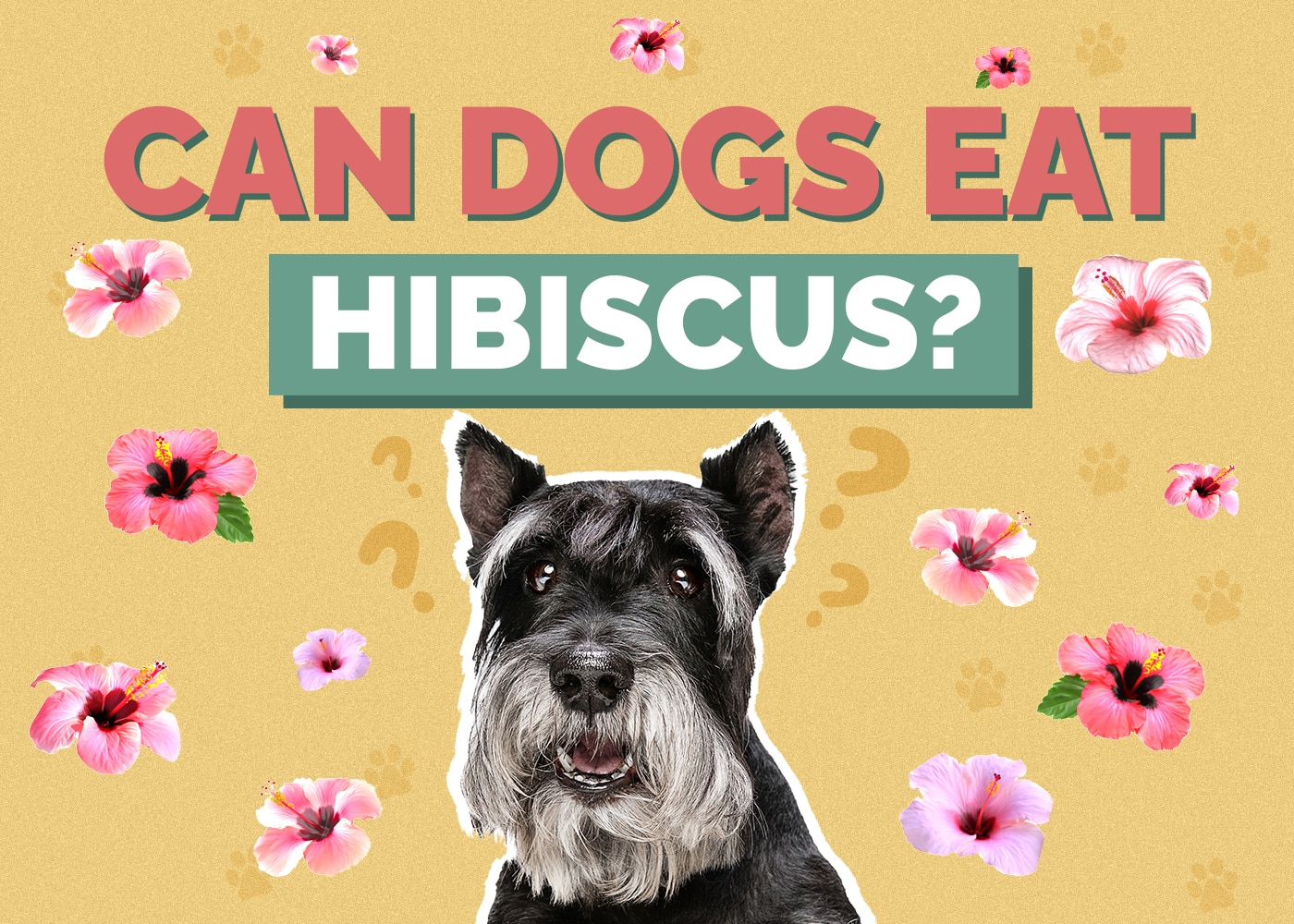
Common hibiscus plants are generally listed as non-toxic to dogs. The ASPCA lists rose of Sharon (Hibiscus syriacus) as non-toxic to dogs, cats, and horses.
However, “non-toxic” does not mean “safe to eat in any amount.” A dog can still have stomach upset after eating plant material. The risk also changes if:
- Your dog ate a large quantity.
- The plant was sprayed with insecticide, herbicide, or fungicide.
- Fertilizer was used near the roots or leaves.
- The plant is not actually hibiscus.
- The leaves were mixed with another toxic plant.
- Your dog has a health problem that makes vomiting or diarrhea more dangerous.
Hibiscus is a plant group with many species and cultivated varieties. The common garden plant may be hardy hibiscus, tropical hibiscus, or rose of Sharon. If you cannot identify the plant, take a clear photo and save a small sample for your veterinarian.
What symptoms can hibiscus cause?
A dog that eats a small amount may show no symptoms. If the plant irritates the stomach, possible signs include:
- Drooling
- Lip licking
- Nausea
- Vomiting
- Loose stool or diarrhea
- Reduced appetite
- Mild belly discomfort
These signs can also come from pesticides, fertilizer, moldy plant matter, or another plant your dog ate. The leaf alone may not explain the problem.
Call your veterinarian promptly if your dog has repeated vomiting, bloody diarrhea, severe weakness, trouble breathing, tremors, seizures, a swollen belly, pale gums, or collapse.

Why does my dog eat hibiscus leaves?
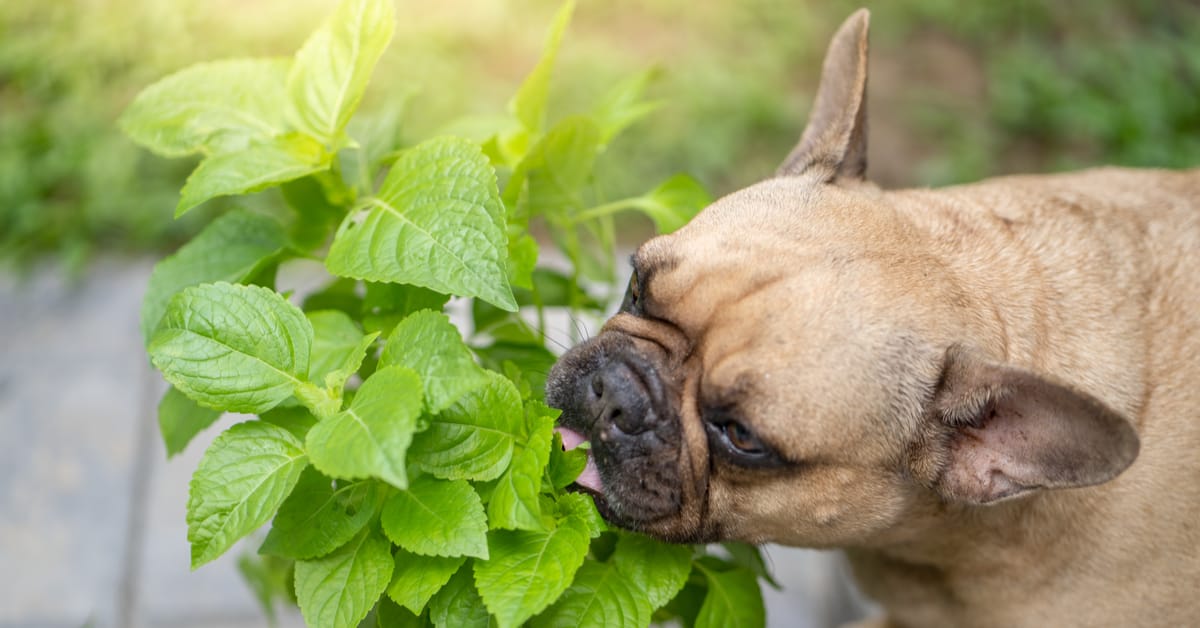
The most common reason is simple exploration. Dogs use their mouths to investigate new smells and textures. A hibiscus bush may also be easy to reach, fresh after rain, or more interesting than dry grass.
Other possible reasons include:
Curiosity and normal chewing
Puppies and young dogs often chew plants while they learn about their surroundings. Some adult dogs also sample leaves during walks or yard time.
Boredom or lack of enrichment
A dog with little exercise, play, or mental activity may turn to plants for something to do. Repeated chewing can become a learned habit if it is rewarding or gets attention.
Taste, smell, or texture
Hibiscus leaves have a plant texture that some dogs may enjoy. Moist leaves may be especially appealing during hot weather, although eating leaves should not replace access to clean water.
Hunger or scavenging behavior
A dog that is hungry or has access to fallen plant debris may eat leaves along with other outdoor objects. This does not always mean the dog has a nutrient deficiency.
Pica or compulsive eating
Pica is the repeated eating of non-food items. A dog that eats leaves, mulch, rocks, fabric, plastic, or feces may need a veterinary exam. Medical problems, anxiety, boredom, and learned behavior can all play a role.
There is no strong evidence that a dog eating hibiscus leaves proves a specific vitamin deficiency. Do not give supplements unless your veterinarian recommends them.

What should I do if my dog ate hibiscus leaves?
Start by checking how much your dog ate, which plant it was, and whether the plant had chemicals on it. Then monitor your dog and contact a professional when the situation is unclear.
Follow these steps
-
Move your dog away from the plant.
Prevent more chewing while you assess the situation. -
Identify the plant.
Check whether it is rose of Sharon, tropical hibiscus, hardy hibiscus, or another plant. Use the plant’s label, a garden record, or a clear photo. -
Estimate the amount eaten.
Note whether your dog took one bite, ate several leaves, or consumed a large part of the plant. -
Check for garden chemicals.
Look for recent use of fertilizer, weed killer, insecticide, slug bait, or other lawn products. Keep the product label nearby. -
Inspect your dog.
Look for vomiting, diarrhea, drooling, weakness, tremors, breathing problems, or unusual behavior. -
Call your veterinarian if you have concerns.
Give the dog’s weight, age, health conditions, the plant name, the estimated amount, and the product label if chemicals may be involved. -
Do not induce vomiting unless a veterinarian tells you to.
Hydrogen peroxide and other home remedies can cause harm or make some poison exposures worse.
In the United States, you can also contact the ASPCA Animal Poison Control Center at 888-426-4435 or Pet Poison Helpline at 855-764-7661. Fees may apply.
When is eating hibiscus leaves an emergency?
Eating one or two untreated leaves is usually less concerning than eating a large amount of an unknown or chemically treated plant. The following situations deserve urgent professional advice:
| Situation | Why it matters | Best action |
|---|---|---|
| Your dog ate a small amount of known, untreated hibiscus | Serious poisoning is less likely, but stomach upset can occur | Remove access and monitor |
| Your dog ate many leaves or branches | A larger plant load may cause vomiting or diarrhea | Call your veterinarian |
| The plant was sprayed or fertilized | The chemical may be more dangerous than the plant | Call a veterinarian or poison service with the label |
| You cannot identify the plant | It may not be hibiscus | Send a photo to your veterinarian and seek advice |
| Your dog is vomiting repeatedly or acting weak | Dehydration or poisoning may be developing | Seek urgent veterinary care |
| Your dog has tremors, seizures, breathing trouble, or collapse | These are emergency signs | Go to an emergency veterinary hospital now |
Puppies, senior dogs, small dogs, and dogs with kidney, liver, or gastrointestinal disease may need a lower threshold for veterinary advice. So may dogs taking medication or those that have eaten several types of plants.

Can hibiscus leaves cause vomiting or diarrhea?
Yes. Plant material can irritate a dog’s digestive tract even when the plant is not classified as poisonous. Large amounts may be harder to digest and may lead to vomiting, diarrhea, gas, or reduced appetite.
Chemical exposure is a separate concern. Fertilizers can cause stomach irritation, while some insecticides, herbicides, and slug or snail products can cause more serious signs. The product name and active ingredient help a veterinarian judge the risk.
Do not give human stomach medicine unless your veterinarian directs you to do so. Some human medicines are unsafe for dogs, and treating vomiting at home can delay care for poisoning, obstruction, or another illness.
How can I stop my dog from eating hibiscus?
The safest approach combines access control with training and better enrichment. Removing the habit is easier than trying to correct it after your dog has already swallowed the leaves.
Make the yard safer
- Fence off the hibiscus if possible.
- Remove fallen leaves and flowers.
- Do not use garden chemicals where your dog can reach wet foliage or treated soil.
- Follow the product label before allowing your dog back into the area.
- Keep fertilizer, pesticides, bulbs, and mulch in locked storage.
- Check plant identity before adding new ornamentals to your yard.
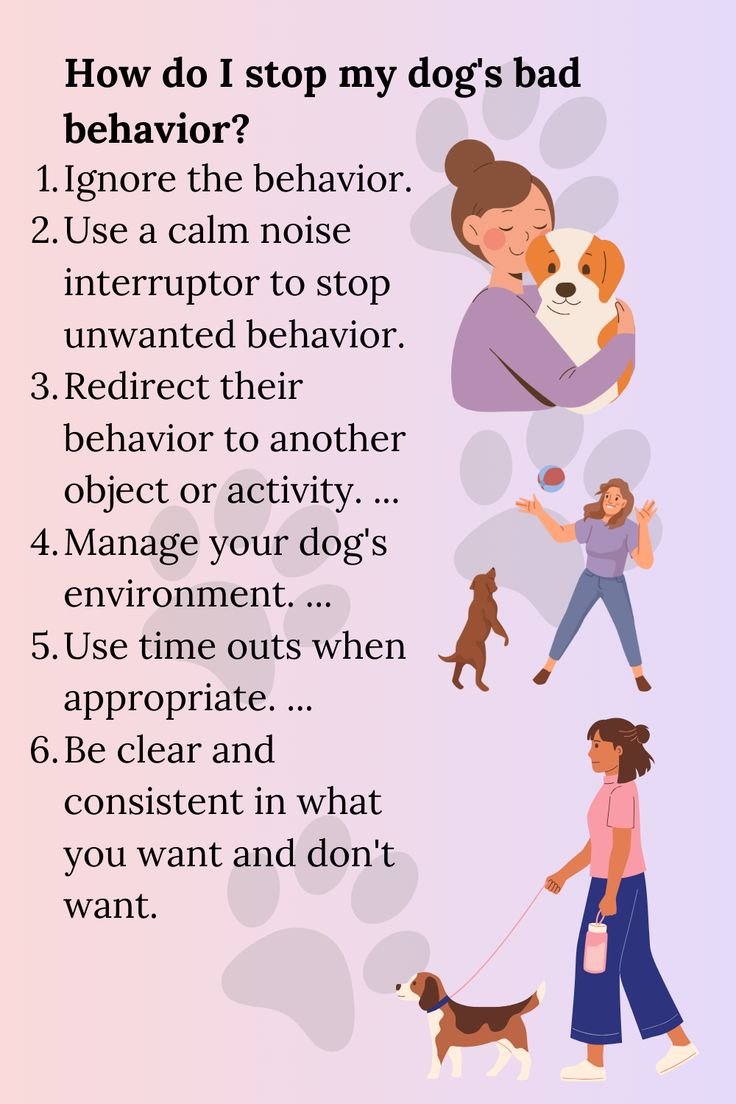
Teach “leave it”
Practice indoors first with a low-value object and a high-value treat. Reward your dog for turning away from the object. Gradually practice near the plant while keeping your dog on a leash.
Do not yell or chase your dog. Chasing can turn leaf eating into a game, and punishment may increase anxiety without teaching a safer choice.
Add safe alternatives
Offer daily walks, sniffing time, food puzzles, short training sessions, and suitable chew toys. If your dog likes to graze, ask your veterinarian whether a safe, untreated grass area is appropriate.
If your dog keeps eating plants despite supervision and training, schedule a veterinary exam. Persistent plant eating may reflect pica, anxiety, gastrointestinal disease, or another problem that needs individual assessment.

Hibiscus leaves versus hibiscus tea, flowers, and products
The plant, tea, extract, and prepared human foods are not the same exposure. A dog that chews a leaf has a different risk from a dog that drinks a concentrated herbal product or eats a dessert containing other ingredients.
Avoid giving your dog hibiscus tea, supplements, extracts, or human drinks without veterinary guidance. Products may contain caffeine, sweeteners, flavorings, herbs, or xylitol, which is highly dangerous to dogs. Some teas also contain raisins, spices, or other ingredients that create separate risks.
Do not assume that a product labeled “natural” is safe for pets. Read the full ingredient list and contact a veterinarian if your dog consumed a prepared product.

What if my dog eats hibiscus flowers?
A small amount of an untreated hibiscus flower is generally unlikely to cause serious poisoning when the plant is correctly identified. However, flowers may carry pesticides, fertilizer residue, mold, or other plant material.
Remove the flowers from your dog’s reach and monitor for stomach upset. If the flower came from a bouquet, floral arrangement, or store display, identify every plant in the arrangement. Decorative plants are not always labeled clearly, and some may be toxic.
Seek advice if your dog ate a large number of flowers, swallowed stems, or shows any unusual signs.

Common mistakes to avoid
Assuming every plant called hibiscus is identical
Plant names can be confusing. Common names may refer to different species or cultivars. Confirm the plant before relying on a toxicity list.
Ignoring chemicals
A non-toxic plant can still be dangerous after exposure to certain lawn and garden products. Ask about recent spraying, fertilizing, and bait use.
Waiting through severe symptoms
Mild stomach upset may resolve, but repeated vomiting, neurologic signs, breathing trouble, or collapse requires urgent care.
Using home remedies
Milk, oil, salt, hydrogen peroxide, and human medicines can cause additional harm. Use only a treatment plan provided by a veterinarian or poison specialist.
Treating repeated leaf eating as a harmless quirk
Occasional nibbling may be normal exploration. Repeated or intense eating of leaves and other non-food items deserves a veterinary discussion.

Frequently asked questions
Are hibiscus leaves safe for puppies?
A small bite of a correctly identified, untreated hibiscus leaf is usually not expected to cause serious poisoning. Puppies can become dehydrated quickly, though, and they are more likely to chew large amounts or swallow other yard items. Contact your veterinarian if a puppy eats many leaves or develops symptoms.
Should I take my dog to the vet after eating hibiscus?
Not every case requires an emergency visit. Call your veterinarian if your dog ate a large amount, the plant was chemically treated, the plant is unknown, or your dog has symptoms. Go to an emergency clinic for seizures, collapse, breathing trouble, severe weakness, or repeated vomiting.
Can dogs eat hibiscus flowers?
A small amount of an untreated flower is generally unlikely to be highly toxic when it is confirmed to be hibiscus. It is still best to prevent regular eating because flowers may contain chemicals or may be mixed with other plants.
Why does my dog eat plants every day?
Daily plant eating may result from habit, boredom, anxiety, grazing behavior, or pica. It can also occur with some medical problems. A veterinarian can decide whether your dog needs an exam, diet review, behavior plan, or testing.
What should I tell the poison control center?
Provide your dog’s weight, age, symptoms, health conditions, medications, the plant name or photo, the estimated amount eaten, and the time of exposure. Include the name and active ingredients of any fertilizer or pesticide used nearby.
Key takeaways
- Common hibiscus, including rose of Sharon, is generally listed as non-toxic to dogs.
- A dog can still develop vomiting or diarrhea after eating plant material.
- Garden chemicals may pose more risk than the hibiscus leaves.
- Remove access, identify the plant, estimate the amount, and monitor your dog.
- Do not induce vomiting or give home remedies without veterinary advice.
- Seek urgent help for severe symptoms or any suspected chemical exposure.
Conclusion
Your dog may eat hibiscus leaves because of curiosity, taste, boredom, grazing, or a repeated chewing habit. A small amount of untreated, correctly identified hibiscus is usually not a poisoning emergency, but the plant’s identity and any garden chemicals matter.
Remove the plant from reach, watch for symptoms, and contact your veterinarian when the amount is large, the plant is uncertain, or your dog seems ill. Persistent plant eating should also be discussed with a veterinarian rather than treated as a simple bad habit.