Why Do Dogs Like Cobbing: Canine Behavior Explained
Introduction
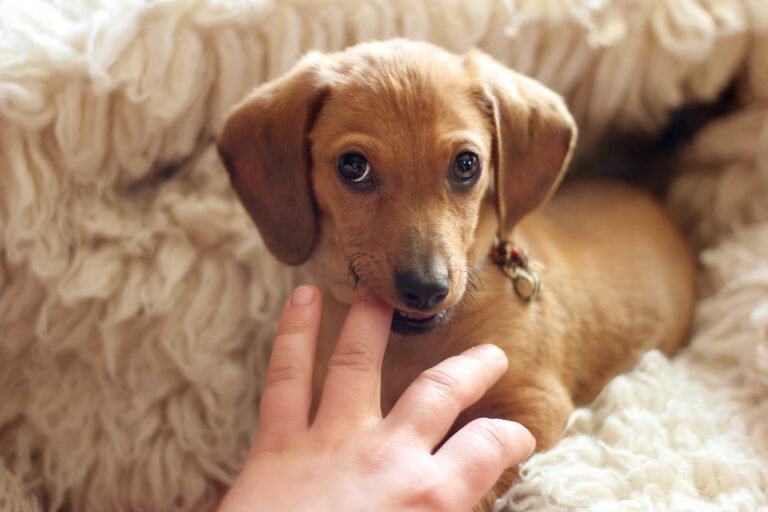
In many American homes, a dog may gently nibble a person, another dog, or its own fur with its tiny front teeth. This is called cobbing, corn-cobbing, or flea-biting. It often looks like the dog is nibbling corn from a cob.
Most cobbing is harmless. Dogs may do it to groom, bond, play, relax, or get your attention. Yet frequent or rough nibbling can point to itchy skin, pain, stress, or a compulsive habit. The key is to watch where, how often, and how hard your dog nibbles.
What Is Cobbing in Dogs?
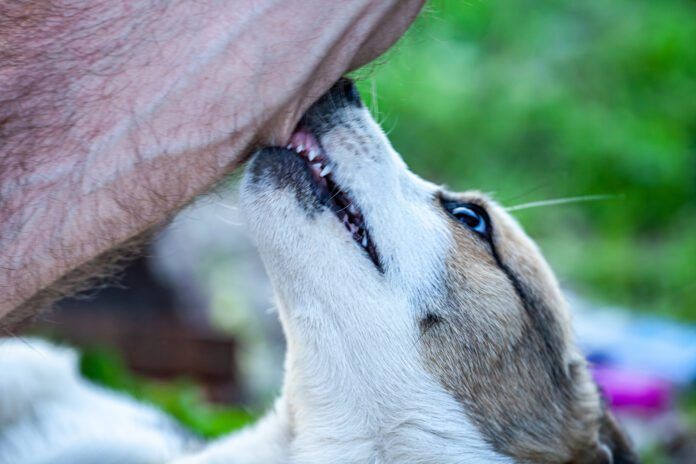
Cobbing is a light, rapid nibble made with a dog’s small front teeth. The dog does not usually bite down with force. Instead, it picks at fur, skin, clothing, or another dog’s coat.
The name comes from the way the motion looks. A dog may seem to strip kernels from a corn cob.
Cobbing is not a formal medical diagnosis. It is a common term used by dog owners and behavior professionals. A dog may cob:
- Its own legs, paws, or tail
- Your arm, hand, hair, or clothing
- Another dog’s neck, ears, or back
- A favorite blanket or toy
The meaning depends on the setting. A calm dog that gives a few soft nibbles during cuddling is showing a different behavior from a dog that bites one spot until the skin turns red.
Cobbing, mouthing, and biting are not the same
These behaviors can look alike, but they have different meanings.
| Behavior | What it looks like | Common meaning |
|---|---|---|
| Cobbing | Small, quick front-teeth nibbles | Grooming, comfort, play, or attention |
| Mouthing | Holding or touching with the mouth | Play, exploration, or puppy behavior |
| Licking | Repeated tongue contact | Grooming, social contact, taste, or attention |
| Biting | Firm pressure that causes pain or injury | Fear, pain, guarding, conflict, or poor control |
A dog can shift from gentle cobbing to painful biting if it becomes excited, frustrated, or uncomfortable. Do not ignore pain just because the behavior began as a soft nibble.

Why Do Dogs Like Cobbing?
Dogs often like cobbing because it meets a social, sensory, or grooming need. No single reason explains every dog. Context matters more than the motion alone.
1. Cobbing can be a form of social grooming
Dogs use their mouths to clean and inspect themselves. They may also groom trusted members of their social group.
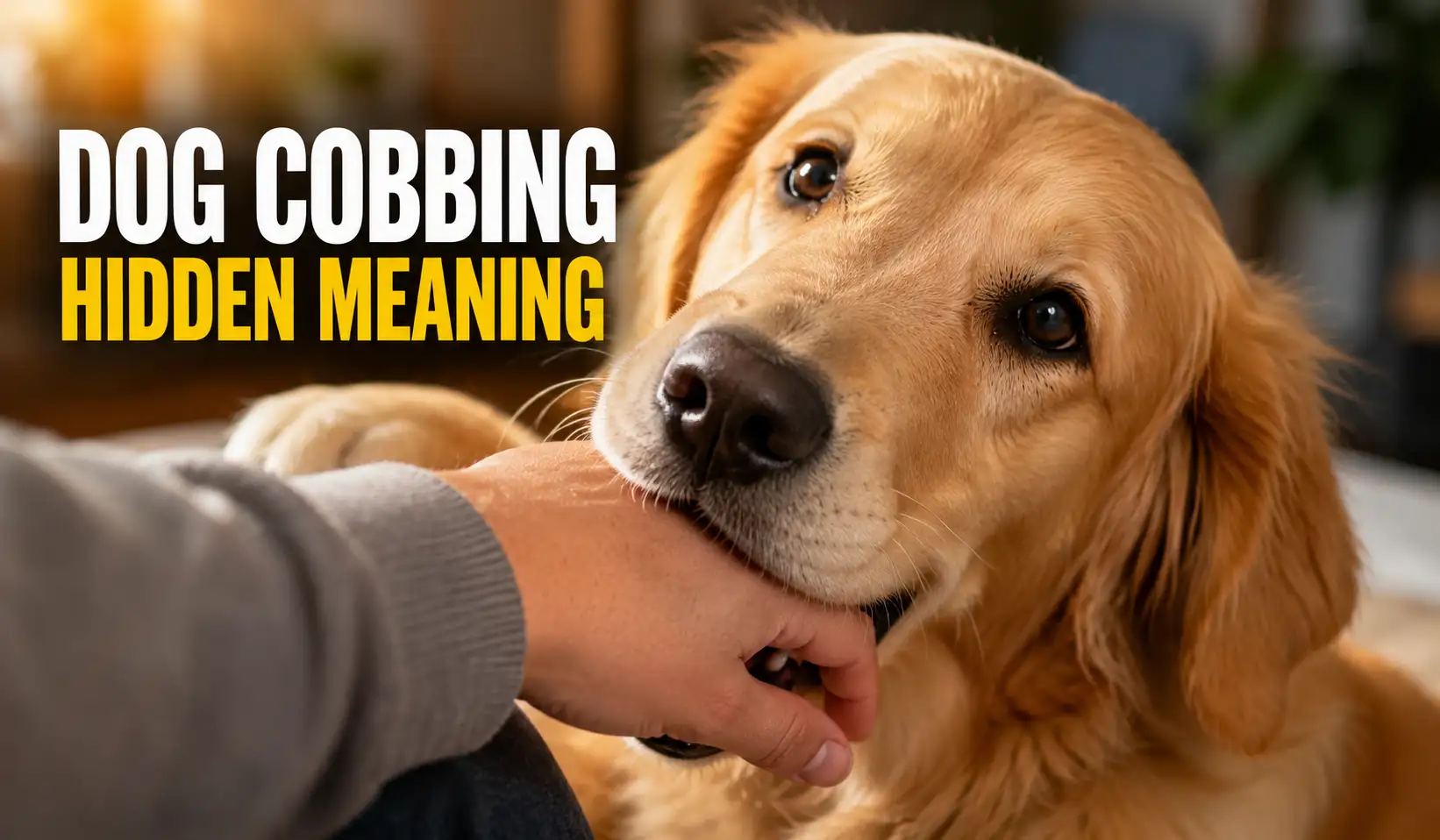
When your dog gently nibbles your sleeve or skin, it may be treating you like a close companion. This does not prove that the dog sees you as another dog. It does suggest that the behavior may have a social purpose.
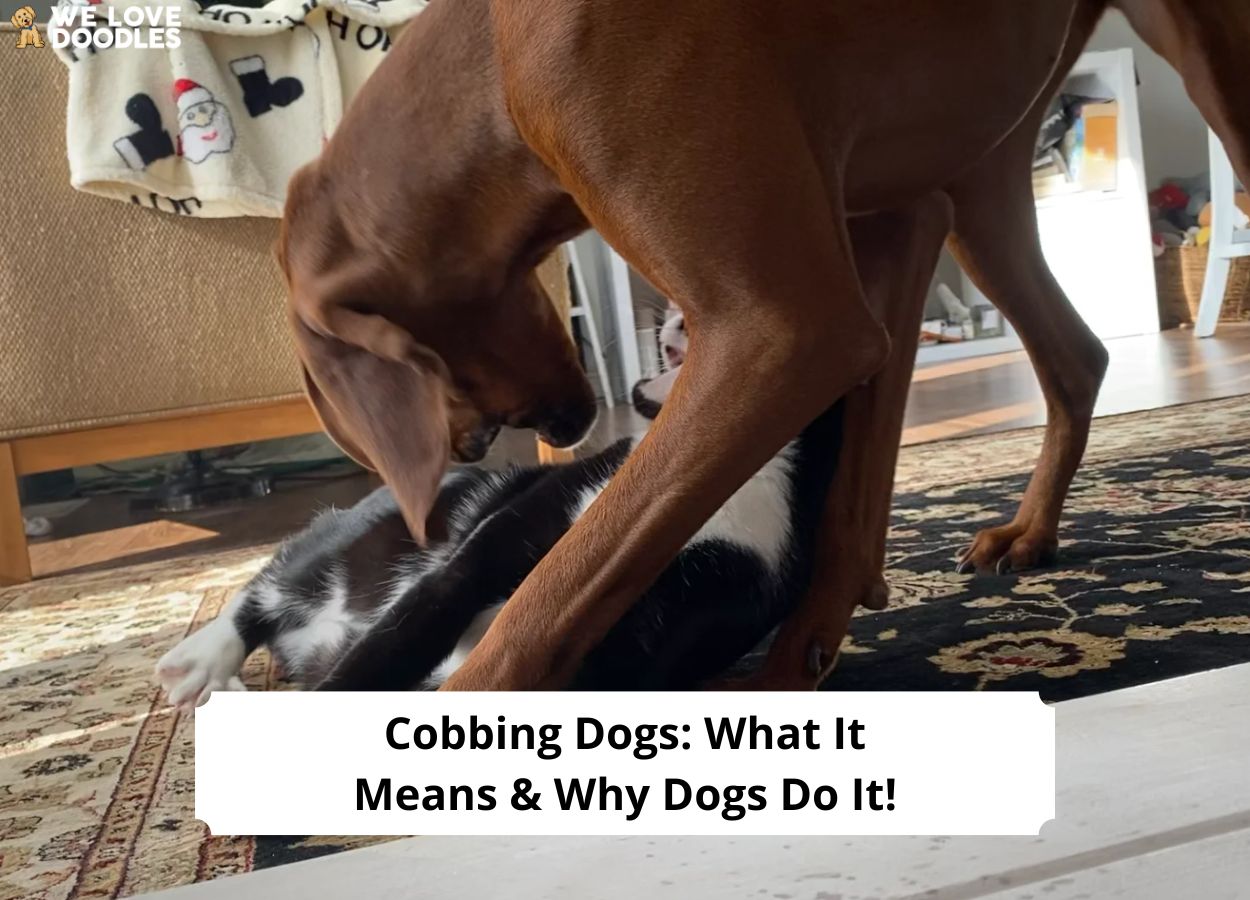
Dogs may also cob one another. A relaxed dog may nibble another dog’s neck, face, or back during rest. Some dogs seem to enjoy this shared grooming routine.
2. It may show affection or trust
Many dogs cob when they feel safe. The act is close and gentle. Some dogs use it during calm contact, such as:
- Sitting beside you
- Resting on your lap
- Receiving a massage
- Lying with a familiar dog
- Settling after a walk
Cobbing can be one part of a friendly interaction. Still, avoid assuming that every nibble means love. A dog may also nibble because its skin itches or because it has learned that nibbling gets attention.
3. Cobbing may feel good
The front teeth provide precise contact. A soft nibble may give a dog useful sensory input. It may feel like scratching a small itch or working through loose fur.
Some dogs appear to use cobbing to calm themselves. Repetitive actions can become part of a settling routine. This is more likely when the dog remains loose, quiet, and easy to interrupt.
4. Your dog may be asking for attention
If you look at, touch, speak to, or laugh at your dog after it nibbles, the behavior may gain strength. From the dog’s point of view, the result is simple:
“I nibble, and my person responds.”
The response does not need to be positive. Even pushing the dog away can reward the behavior if the dog wants contact.
This does not mean your dog is being spiteful or manipulative. It has learned a pattern. Calm redirection can change that pattern.
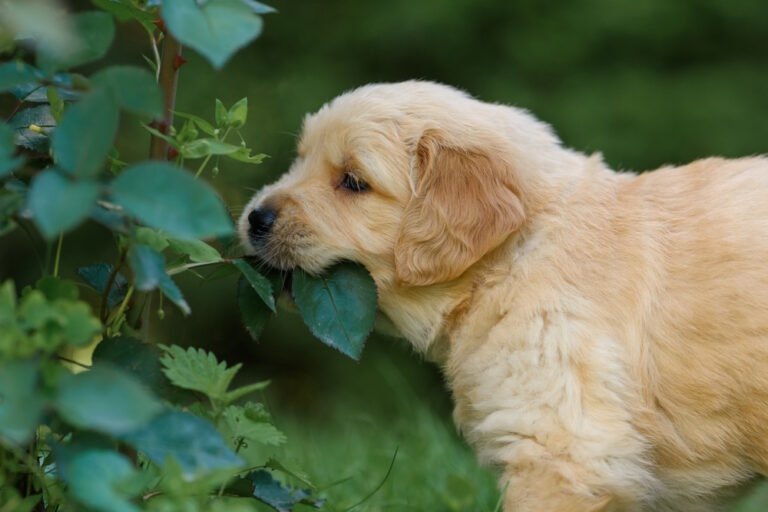
5. Puppies may cob while exploring
Puppies use their mouths to learn about the world. They may nibble hands, hair, clothing, toys, and other dogs.
Teething can also make chewing feel useful. The American Kennel Club notes that puppy teething can lead to increased chewing and mouth use. Puppy cobbing is usually less controlled than adult cobbing, so gentle training helps prevent painful habits.
6. It may be part of play
Some dogs cob during loose, social play. Look for other signs of friendly play:
- A relaxed, wiggly body
- Play bows
- Brief pauses
- Open, soft mouths
- Taking turns
- Easy disengagement
A dog that becomes stiff, silent, or intense is not showing the same play pattern. Stop the interaction if either dog looks worried.
7. It can result from itch or skin trouble
Self-cobbing deserves closer attention. A dog may nibble one area because of:
- Fleas or flea allergy
- Environmental allergies
- Food-related allergy
- Dry or inflamed skin
- Bacterial or yeast infection
- A small wound or foreign object
- Pain in a joint or body part
The Merck Veterinary Manual lists parasites, infections, allergies, and other skin problems among common causes of itching in dogs. A dog may lick, scratch, chew, or cob the same area.
8. Stress can make the behavior more frequent
Some dogs nibble when they feel tense, bored, or overstimulated. Common triggers include:
- A move or schedule change
- Loud noise
- Separation from a family member
- Conflict with another pet
- Too little rest
- Repeated frustration
Stress-related cobbing may occur with pacing, panting, lip licking, whining, hiding, or trouble settling.
How to Tell Whether Cobbing Is Normal
The safest way to judge cobbing is to assess the whole dog, not just the teeth.
Signs that usually point to harmless cobbing
Cobbing is more likely to be a normal social or comfort behavior when your dog:
- Has a loose body
- Keeps soft eyes
- Has relaxed ears
- Nibbles gently
- Stops when you ask
- Does not damage skin or fur
- Shows no signs of pain
- Acts normally at other times
A short episode during calm contact is usually less concerning than repeated chewing throughout the day.
Signs that suggest a problem
Contact your veterinarian if your dog:
- Nibbles one spot again and again
- Causes redness, sores, scabs, or hair loss
- Scratches or licks more than usual
- Has fleas, flea dirt, odor, or skin flakes
- Cries, flinches, or guards the area
- Suddenly starts cobbing as an adult
- Cannot stop when distracted
- Seems anxious, restless, or distressed
- Eats fur, fabric, or other objects
A sudden behavior change can have a medical cause. A veterinary exam should come before assuming that the problem is only behavioral.
A simple observation checklist
Write down four details for two or three days:
- Target: What does your dog nibble?
- Timing: When does it happen?
- Body language: Does your dog look relaxed or tense?
- Result: What happens after the nibbling?
This record can help you spot a pattern. It also gives your veterinarian or trainer useful information.

Why Do Dogs Cobb People?
Dogs may cob people because they seek contact, grooming, attention, or comfort. The behavior is often aimed at hands, arms, feet, hair, or clothing.
Your dog may choose you because:
- You are a trusted person
- Your skin or clothing has an interesting smell
- You respond each time
- The behavior helps the dog settle
- The dog wants you to pet or play
- Your movement triggers playful mouthing
Cobbing a person is usually not a sign of dominance. Older dominance theories often explain normal dog behavior too broadly. Modern behavior work places more weight on learning, emotion, context, and the dog’s immediate needs.
If you enjoy the behavior and it stays gentle, you may allow it for a short time. If you do not like it, avoid yelling or rough handling. Quietly move your hand away and offer a toy or another calm activity.
Reward your dog when it chooses the toy or settles without nibbling. This teaches a clear alternative.

Why Do Dogs Cobb Each Other?
Dogs may cob each other as part of grooming, bonding, or play. It is common to see one dog nibble another dog’s neck, cheeks, or back.
Watch both dogs. Cobbing is acceptable only when both dogs can move away and remain relaxed.
Signs the other dog is comfortable
Look for:
- Loose movement
- A relaxed mouth
- Normal play breaks
- Voluntary return to the interaction
- No hiding or escape attempts
- No repeated growls or snaps
Signs you should step in
Interrupt calmly if the dog being nibbled:
- Freezes
- Turns its head away repeatedly
- Tucks its tail
- Pins its ears back
- Tries to leave
- Hides behind you
- Growls, snaps, or yelps
Do not punish a warning growl. A growl gives useful information. Separate the dogs, let them calm down, and seek help if the pattern repeats.
How to Stop a Dog From Cobbing You
You do not need to stop every gentle nibble. Stop it when it hurts, becomes annoying, damages clothing, or creates conflict.
Use this simple process:
- Stay calm. Do not jerk your hand away or shout.
- End the contact. Move your hand or body away.
- Offer an approved item. Use a durable toy, chew, or food puzzle.
- Praise calm behavior. Reward your dog when it takes the item or settles.
- Repeat the same response. Consistency helps the dog learn faster.
Do not wrestle with the dog’s mouth or push its face away. Those actions can increase excitement or turn the moment into a game.
For puppies, provide several safe chew options. Avoid hard objects that can break teeth and items small enough to swallow. Ask your veterinarian which chews fit your puppy’s size, age, and chewing style.
If cobbing happens during petting, use shorter petting sessions. Stop before your dog becomes overexcited. You can also teach a simple behavior, such as placing the head on a mat, and reward it during calm contact.
When Should a Veterinarian Check Cobbing?
A veterinarian should check self-cobbing that is new, intense, or linked with skin damage. Medical problems can look like anxiety or habit.
Seek prompt veterinary care for:
- Open wounds
- Bleeding
- Facial swelling
- Severe itching
- Signs of infection
- Sudden pain
- A swallowed toy, fabric, or large piece of chew
- Trouble breathing or repeated vomiting
Do not apply human creams, essential oils, flea products, or pain medicines unless your veterinarian says they are safe. Some human products can harm dogs when swallowed or absorbed through the skin.
If the exam finds no medical cause but the behavior continues, ask your veterinarian about a qualified veterinary behaviorist or reward-based dog trainer. A professional can help identify triggers and build a behavior plan.

Cobbing Causes at a Glance
| What you notice | More likely explanation | Best first step |
|---|---|---|
| Gentle nibbling during cuddling | Social contact or comfort | Allow briefly or redirect |
| Puppy nibbles hands and clothes | Exploration or teething | Offer safe chews and reward gentle play |
| Nibbling during play | Excitement or play | Add breaks and redirect to a toy |
| Repeated nibbling on one body area | Itch, pain, or skin disease | Arrange a veterinary exam |
| Nibbling after stressful events | Stress or self-soothing | Reduce triggers and add rest |
| Nibbling that always earns attention | Learned attention behavior | Give attention for calm behavior instead |
| Nibbling with stiffness or hard pressure | Conflict or over-arousal | Stop contact and seek behavior help if needed |
The main decision is simple: gentle and easy to stop is usually less concerning; intense, damaging, sudden, or hard-to-interrupt cobbing needs attention.

Common Mistakes to Avoid
Do not assume every cob is affection
A dog can enjoy contact and still have itchy skin. Check the target area, especially if your dog cobbs itself.
Do not punish the behavior
Punishment can add fear and may hide warning signs. Calm interruption and reward-based teaching are safer choices.
Do not ignore skin changes
Redness, odor, hair loss, scabs, and moist patches are clues. Early care can prevent a small skin problem from becoming a larger one.
Do not let dogs “work it out” when one dog is uncomfortable
A dog that tries to leave is already giving a clear signal. Step in before the interaction becomes a snap or fight.
Do not use random home remedies
A product that is safe for people may be unsafe for dogs. Ask a veterinarian before treating a skin problem at home.
Frequently Asked Questions
Is cobbing a sign that my dog loves me?
It can be part of a friendly bond, but it is not proof of affection by itself. A relaxed body, soft behavior, and willingness to stop give better clues about how your dog feels.
Why does my dog cob only me?
Your dog may trust you, enjoy your scent, seek your attention, or have learned that you respond. If you want it to stop, reward calm behavior and redirect the nibbling each time.
Is cobbing the same as biting?
No. Cobbing uses light, quick nibbles. Biting uses more pressure and may cause pain or injury. A dog can become more forceful when it is excited, afraid, guarding, or in pain.
Why does my dog cob itself?
Self-cobbing may be normal grooming, but repeated self-nibbling can signal fleas, allergies, infection, pain, or stress. Check for skin changes and contact your veterinarian if the behavior persists.
Should I stop my dog from cobbing another dog?
Stop it if the other dog looks tense, tries to escape, or gives warning signals. If both dogs stay loose and can pause or leave, brief cobbing may be a normal social behavior.
Conclusion
Dogs like cobbing for several possible reasons. Gentle nibbling may support grooming, bonding, play, comfort, or attention. Puppies may also cob while exploring and teething.
Look at the full picture. A relaxed dog that gives soft, brief nibbles is usually showing a harmless habit. Repeated self-cobbing, skin damage, sudden onset, pain, or stress calls for a veterinary check.
Your next step is to watch the target, timing, body language, and result. Then allow calm cobbing, redirect unwanted nibbling, or schedule professional help when the signs point to a medical or behavior concern.