Why Does My Dog Nibble On My Hand: Meaning Explained
Your dog may nibble on your hand because they are playing, seeking attention, showing affection, exploring with their mouth, or trying to groom you. Gentle nibbling is often normal. However, hard pressure, stiff body language, growling, sudden changes, or broken skin can point to fear, pain, overexcitement, or a behavior problem that needs help.
For dog owners in the United States, the safest approach is to judge the whole body, not the nibble alone. Look at your dog’s ears, eyes, tail, posture, and behavior before and after the contact. A relaxed dog with a loose body is very different from a dog that is tense, guarding, or trying to escape.
Common Reasons Dogs Nibble on Hands
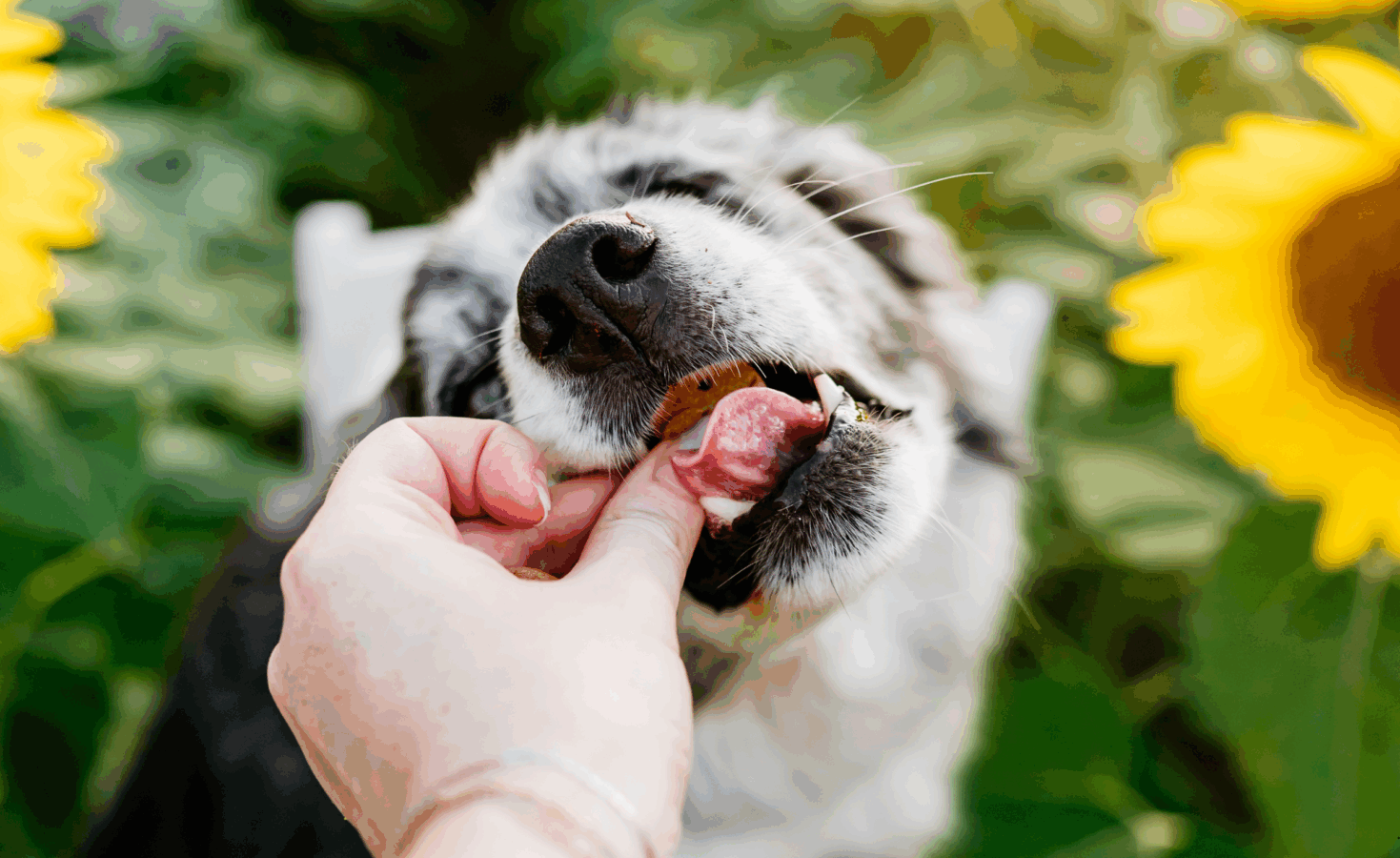
Most hand nibbling has a simple cause. Dogs use their mouths much like people use their hands: to explore, play, communicate, and interact with the world.
1. Your dog wants to play
Dogs often use gentle mouthing during play. A dog may nibble your fingers, hold your hand softly, or make quick, light contact when they feel excited.
Signs of playful nibbling may include:
- A loose, wiggly body
- A relaxed open mouth
- A play bow, with the front legs lowered
- Bright but soft eyes
- Quick movements followed by pauses
- Bringing you a toy
- Stopping when you stop the game
Puppies are especially likely to mouth hands during play. They are still learning how much pressure is acceptable.
2. Your dog wants attention
If you pet, talk to, look at, or play with your dog after they nibble, your response may reward the behavior. From your dog’s point of view, nibbling worked: it caused you to engage.
This does not mean your dog is being bad or manipulative. It means the behavior has become useful. Dogs repeat actions that lead to a result they want.
3. Your dog is showing affection
Some dogs gently nibble people they trust. They may also lick, lean against you, rest their head on you, or follow you around.
People sometimes call this behavior “love bites.” That phrase can describe soft contact, but it should not excuse painful biting. Affection is only one possible reason, so do not assume every nibble means love.
4. Your dog is grooming you
Dogs may use small front teeth to pick at fur, skin, or objects. This behavior can resemble social grooming. A dog may direct it toward your hand after you touch their face, ears, or coat.
This is more common in some individual dogs than others. It can be harmless if your dog stays relaxed and uses very little pressure.
5. Your dog is teething
Puppies explore with their mouths. During the teething period, chewing may help relieve gum discomfort. The American Veterinary Medical Association explains that puppies lose their baby teeth as adult teeth develop, and chewing is a normal part of this stage.
Offer safe puppy chew items instead of allowing hands to become the main target. Avoid very hard items that can damage teeth. Your veterinarian can help you choose suitable chews for your puppy’s age and size.
6. Your dog is overstimulated
some dogs begin to nibble after a long petting session, rough play, or a busy event. Their excitement rises faster than their ability to control their behavior.
Common warning signs include:
- Fast movements
- Jumping
- Grabbing clothing
- Dilated pupils
- Turning the head quickly
- Repeated licking
- A tense mouth
- Trouble settling
In this case, your dog may need a quiet break rather than more play.
7. Your dog is anxious or uncomfortable
Mouthing can also occur when a dog feels worried. A dog may nibble because they want space, feel trapped, or do not know how else to communicate.
Look for stress signals such as:
- Lip licking
- Yawning when not tired
- Turning away
- Crouching
- Tucked tail
- Flattened ears
- Whale eye, where the whites of the eyes show
- Avoiding touch
- Freezing
If nibbling starts suddenly, pain is also possible. Dental disease, joint pain, skin problems, or another illness can change how a dog responds to handling. The American Veterinary Medical Association recommends taking dog bite prevention seriously and seeking veterinary advice when behavior changes are unusual or concerning.

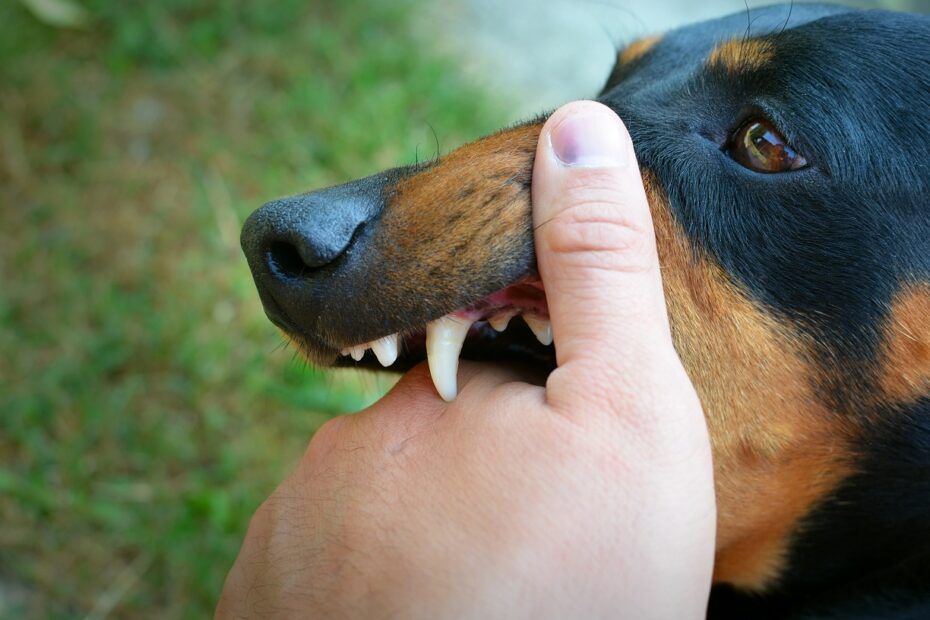
How to Tell Gentle Nibbling From a Real Bite
The pressure, body language, and result matter more than the label. A “play bite” can still hurt or become unsafe if the dog has poor control.
| Sign | Gentle mouthing | Concerning biting |
|---|---|---|
| Body | Loose and relaxed | Stiff, tense, or frozen |
| Mouth | Soft contact with little pressure | Clamps down or punctures |
| Face | Relaxed eyes and muscles | Hard stare, wrinkled nose, or tense lips |
| Sound | Quiet or playful | Growling, snarling, or sharp barking |
| Trigger | Play, attention, or excitement | Fear, guarding, pain, or conflict |
| Response to stopping | Pauses or backs away | Chases, lunges, or bites again |
| Injury | No mark or mild pressure mark | Broken skin, bruising, or bleeding |
A dog can be friendly and still cause injury. Small dogs can break skin, and large dogs can cause serious wounds even during excitement. Treat repeated painful contact as a behavior issue, not as a harmless personality trait.
Do not rely on tail wagging alone. A wagging tail can occur during excitement, conflict, or stress. Read the tail together with the dog’s posture, eyes, ears, and mouth.

What to Do When Your Dog Nibbles Your Hand
The best response is calm, consistent, and easy for your dog to understand.
Step 1: Stop hand play
Keep your hands still. Do not wave your fingers, wrestle with your dog, or push the muzzle away during an exciting moment. Fast hand movements can make the game more exciting.
Use a neutral voice. Avoid yelling, hitting, or holding the mouth shut. Punishment can increase fear and may make a dog more likely to bite without warning.
Step 2: End attention briefly
If the nibbling is playful or attention-seeking, quietly remove your hand and turn away. You may stand up or step behind a gate for a short period.
The goal is not to frighten your dog. The goal is to show that teeth on skin make the interaction stop.
Step 3: Offer an appropriate alternative
Once your dog is calm, give them a toy or chew item. Praise calm play with the toy.
Useful alternatives include:
- A tug toy with a handle
- A food-stuffed toy
- A puppy-safe chew
- A fetch toy
- A snuffle mat or other enrichment item
Keep a toy nearby during times when nibbling often starts. This lets you redirect the behavior before your dog becomes too excited.
Step 4: Reward calm contact
Teach your dog that calm behavior earns attention. Pet them when all four paws are on the floor. Reward a soft mouth, a sit, or looking at you without grabbing.
You can also teach cues such as:
- “Leave it”
- “Drop it”
- “Touch”
- “Sit”
- “Go to bed”
Practice these cues when your dog is calm. A dog may not respond well to a new cue in the middle of intense excitement.
Step 5: Prevent predictable triggers
If nibbling happens during rough play, switch to toy-based games. If it happens during petting, use shorter sessions and pause often. If it happens when your dog is tired, give them a quiet place to rest.
Puppies need frequent sleep and breaks. An overtired puppy may act like an overstimulated child and lose control of their mouth.
Step 6: Teach everyone the same rule
Adults, children, and visitors should follow one clear rule: teeth do not touch human skin. Inconsistent rules can confuse a dog.
Children should not be left alone with a dog, especially during play, feeding, resting, or handling. The American Academy of Pediatrics advises close supervision and teaching children safe behavior around dogs.

When Hand Nibbling Needs Professional Help
Contact your veterinarian if the nibbling is new, gets worse, or occurs with signs of pain. A veterinary exam can help rule out dental disease, injury, illness, or other physical causes.
Seek help from a qualified behavior professional if your dog:
- Breaks or punctures skin
- Bites during handling
- Guards food, toys, furniture, or people
- Growls, snaps, or lunges
- Bites when you try to stop the behavior
- Shows fear around family members
- Has a history of biting
- Escalates despite calm training
For serious aggression or bite risk, ask your veterinarian for a referral to a board-certified veterinary behaviorist or another appropriately qualified professional. The American College of Veterinary Behaviorists provides a directory of veterinary behaviorists.
Do not use punishment-based methods that involve hitting, intimidation, shock, or forced restraint. These methods may suppress warning signs without fixing the cause. A dog that stops growling but remains afraid can become harder to read and potentially more dangerous.
If a bite breaks your skin, wash the wound with soap and running water. Seek medical care for deep wounds, bites to the face or hand, heavy bleeding, signs of infection, or uncertain rabies vaccination status. In the United States, report animal bites as required by your local health department. Follow local guidance about the dog’s rabies vaccination and observation.

How to Stop a Puppy From Nibbling Hands
Puppy mouthing is common, but it still needs guidance. The goal is not to stop all use of the mouth. The goal is to teach your puppy where chewing is allowed.
Use this routine:
- Keep your hands still when teeth touch skin.
- End the game for a moment.
- Offer a suitable toy.
- Praise the puppy for biting the toy.
- Repeat the same response every time.
- Give the puppy a nap or quiet break if they cannot settle.
Avoid pulling your hand away quickly. A moving hand can act like a toy and encourage chasing.
Do not encourage wrestling with bare hands. It may seem harmless when a puppy is small, but the same habit can become painful when the dog grows.
Some puppies become more mouthy when they are hungry, tired, or overexcited. A steady routine, age-appropriate play, training, and rest can make a major difference. If the puppy bites hard, cannot calm down, or shows fear, ask your veterinarian or a reward-based trainer for help.

Mistakes That Can Make Nibbling Worse
Several common reactions can accidentally strengthen the behavior.
Pulling away sharply
This can turn your hand into a moving target. Move slowly and end the interaction instead.
Laughing or continuing to play
Your dog may read laughter, eye contact, and movement as a reward. If you want the nibbling to stop, make the response calm and predictable.
Scolding after the fact
Dogs learn from events that happen close together. A correction several minutes later is unlikely to teach the lesson you want. It may only create confusion.
Pushing the dog’s face away
Physical responses can increase excitement or fear. They may also turn a mild behavior into a struggle.
Ignoring a sudden change
A new behavior can have a medical cause. Do not assume that an adult dog has simply become “mouthy” without checking for pain, stress, or changes at home.
Allowing some people to accept biting
If one person plays with hands while another person tries to stop the behavior, the dog receives mixed feedback. Use the same household rule for everyone.

Quick Decision Guide
Use this short guide to choose your next step:
- Soft nibble, relaxed body, stops easily: Redirect to a toy and reward calm behavior.
- Nibbling during petting or play: Reduce stimulation, pause the interaction, and use toy-based play.
- Puppy chewing often: Provide safe chew options, consistent rules, training, and rest.
- Sudden nibbling in an adult dog: Schedule a veterinary check, especially if handling causes discomfort.
- Growling, guarding, stiff posture, or repeated bites: Stop the interaction and contact a qualified behavior professional.
- Broken skin: Provide first aid and seek medical guidance when needed.
The right response depends on the cause. A playful puppy needs clear practice. A worried dog needs safety and space. A painful dog needs veterinary care.

Frequently Asked Questions
Is my dog nibbling my hand a sign of affection?
It can be, but not always. Some dogs nibble during social contact, while others do it to play, seek attention, explore, or cope with excitement. A relaxed body and very light pressure support a friendly interpretation.
Should I let my dog nibble my fingers?
It is safer to discourage teeth on skin, even when the contact is gentle. Teach your dog to play with toys instead. This rule helps prevent confusion and reduces the chance that playful mouthing will become painful biting.
Why does my dog nibble me but not other people?
Your dog may have learned that you respond in a rewarding way, or they may nibble during activities they share with you, such as petting or play. The behavior can also relate to your movement, scent, clothing, or the way you handle them.
Why does my dog nibble my hand while I pet them?
Your dog may be grooming you, asking for more interaction, becoming overstimulated, or asking you to stop. Pause the petting and watch what your dog does next. If they move away, stiffen, lick their lips, or avoid touch, give them space.
When is dog nibbling aggressive?
Nibbling is more concerning when it involves hard pressure, repeated attempts, stiff posture, growling, guarding, fear, or injury. Sudden aggression also deserves a veterinary check because pain and illness can affect behavior.
Conclusion
A dog nibbling on your hand is often a form of play, attention-seeking, grooming, exploration, or puppy mouthing. It is usually manageable when your dog remains relaxed and stops easily.
Keep hands out of rough play, end attention when teeth touch skin, redirect to a toy, and reward calm behavior. If the behavior is painful, sudden, fearful, or linked to guarding or aggression, contact a veterinarian and seek qualified behavior support.