Why Should We Have Dogs: Benefits Of Dog Ownership
For many people in the United States, dogs bring companionship, routine, exercise, and joy. They can help some owners feel less alone and may support a more active lifestyle. But a dog is also a long-term responsibility that includes daily care, training, veterinary visits, housing rules, and ongoing costs.
The best reason to have a dog is not a promised health benefit. It is that you can safely meet the animal’s needs and value the relationship. A dog may improve your life, but only when the match fits your time, home, budget, and experience.
Why Do People Have Dogs?
People choose dogs for several connected reasons. Dogs can provide steady companionship, encourage daily movement, and add structure to life. They can also help people meet neighbors and take part in local activities.
The benefits differ by person. A young adult in an apartment may want a small companion. A family may value a dog’s presence and shared care. An older adult may prefer a calm dog that supports routine without demanding intense exercise.
Companionship and emotional support
A dog offers regular contact and a sense of connection. Feeding, walking, and caring for a dog create small daily moments that can make a home feel less empty.
Dogs may also support people during stressful periods. Petting a calm dog, talking to it, or following a familiar care routine can feel grounding. However, a dog is not a treatment for depression, anxiety, or loneliness. Mental health care may still be needed.
Research on pets and well-being often finds an association, not proof that dogs directly cause better mental health. People who choose dogs may already differ from people who do not own them. Their age, income, health, social life, and living conditions can affect the result.
More movement during the day
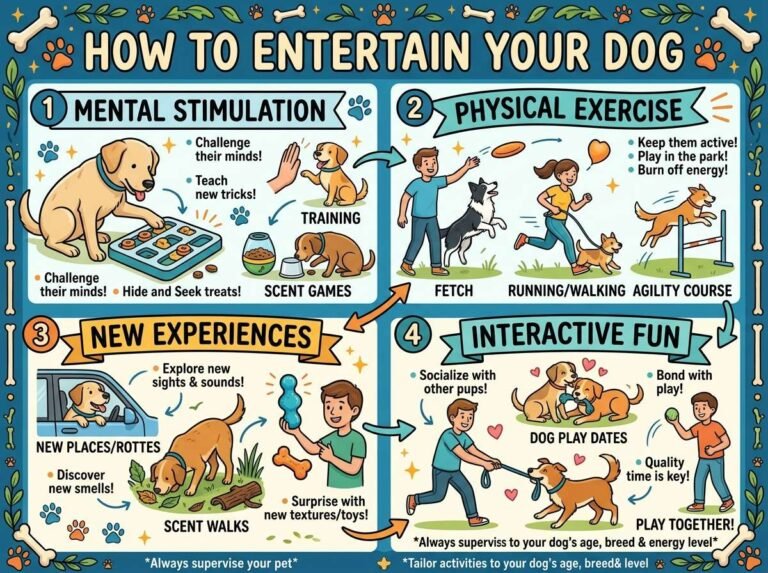
Most dogs need regular activity. That need can encourage owners to walk, play, and spend time outside.
The amount of exercise depends on the dog. A young herding breed may need far more activity than a senior companion dog. A short bathroom walk may meet one dog’s needs but leave another bored and restless.
The Centers for Disease Control and Prevention recommends regular physical activity for adults and children. Dog ownership may make movement easier to build into a routine, but the dog cannot replace a complete exercise plan.
A stronger daily routine
Dogs depend on a schedule. They need food, fresh water, bathroom breaks, exercise, training, grooming, and medical care.
That routine can help some owners organize their day. It may encourage a person to wake up, go outside, and keep regular habits. The same routine can feel difficult for someone who works long hours, travels often, or has unpredictable health needs.
Social contact and community
Walking a dog can create natural chances to speak with neighbors. Dog parks, training classes, rescue groups, and local events can also help owners meet people with a shared interest.
This benefit is not automatic. A fearful or reactive dog may make social contact harder. Owners should never force a dog to greet people or other animals.
Safety and alerting behavior
Some dogs alert their owners to sounds, visitors, or unusual activity. Trained service dogs can perform specific tasks for people with disabilities under the Americans with Disabilities Act.
A typical pet dog is not a reliable security system. Dogs can bark at harmless sounds, miss real danger, or react in unsafe ways. Do not depend on a pet dog for emergency protection.

What Are the Health Benefits of Having a Dog?
Dog ownership may support physical and emotional health, but the evidence has limits. The strongest practical benefit is often increased opportunity for walking and regular activity. Health improvements are not guaranteed, and owning a dog can also create stress.
Possible physical benefits
Dog owners may walk more often because their dogs need outdoor activity. More walking can support heart health, muscle function, balance, and weight control when it adds enough moderate activity.
The American Heart Association has reported that dog ownership may be linked with lower cardiovascular risk in some studies. Its scientific statements also warn that these studies do not prove that owning a dog directly prevents heart disease.
A large review may find a relationship between dog ownership and longer life, but such findings can reflect other factors. For example, dog owners may have stronger social networks, different income levels, or better access to outdoor space.
Possible mental health benefits
A dog can offer comfort, companionship, and a reason to follow a daily plan. These effects may matter during periods of isolation or major life change.
Still, dogs can also add worry. Veterinary bills, behavior problems, separation concerns, and the loss of freedom may increase stress. A person with allergies, fear of dogs, or limited mobility may not receive the same benefits.
Dogs and children
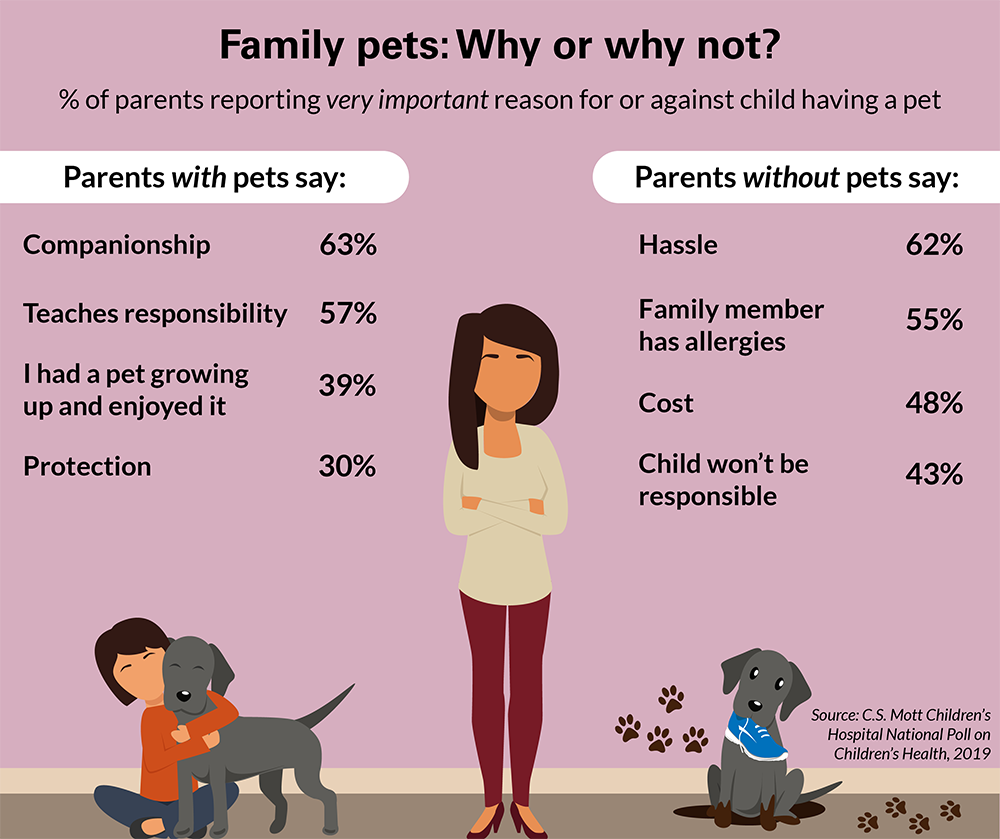
A dog can teach children about care, patience, and respectful behavior. It can also become a valued part of family life.
Adults must remain responsible for safety. Young children should not be left alone with a dog, even if the dog is familiar. Children need clear rules:
- Ask before touching a dog.
- Do not pull ears, tails, fur, or collars.
- Leave a dog alone while it eats, sleeps, hides, or cares for puppies.
- Do not climb on, chase, hug, or corner a dog.
- Tell an adult if the dog growls, snaps, stiffens, or tries to move away.
The CDC tracks dog bites and other animal-related injuries. Any dog can bite under the right conditions, including a family dog.
Dogs do not replace professional care
A dog may support well-being, but it cannot replace a doctor, therapist, physical therapist, caregiver, or service provider. Do not get a dog as a substitute for treatment.
If you want a dog for emotional support, check the difference between a pet, an emotional support animal, and a service dog. Their legal roles are not the same. The U.S. Department of Housing and Urban Development and the U.S. Department of Justice provide separate guidance for housing and public access.

What Does a Dog Need Every Day?
A dog needs more than food and a yard. Responsible care includes physical needs, behavior needs, health care, and safe supervision.
Daily care needs
Most dogs need:
- Fresh water and suitable food
- Bathroom breaks
- Exercise and play
- Human contact
- Rest in a safe space
- Basic training
- Protection from extreme heat and cold
- Regular checks for illness or injury
Some dogs need more care than others. A puppy may need frequent bathroom trips and close supervision. A senior dog may need medication and help with stairs. A long-haired dog may need frequent brushing and professional grooming.
Training and mental activity
Training helps a dog live safely with people. Useful skills include coming when called, walking on a leash, settling on a mat, and responding to basic cues.
Mental activity matters, too. Food puzzles, scent games, short training sessions, and safe play can reduce boredom. Punishment-based methods can increase fear or aggression. The American Veterinary Society of Animal Behavior supports reward-based training and advises against methods that cause pain or fear.
Time alone
Dogs vary in how well they handle time alone. Some relax for several hours. Others develop separation-related behavior, such as barking, destruction, house-soiling, or escape attempts.
Before adopting, create a plan for workdays, travel, illness, and emergencies. Options may include a trusted neighbor, dog walker, pet sitter, daycare, or family member. These services add cost and may not suit every dog.
Housing and neighborhood fit
Check your lease, homeowners association rules, insurance policy, and local laws before bringing home a dog. Some U.S. housing providers limit breed, size, weight, or the number of pets.
Also consider:
- Stairs and elevator access
- Fenced areas
- Noise limits
- Nearby sidewalks
- Hot pavement and summer heat
- Access to a veterinarian
- Emergency evacuation plans
A fenced yard can help, but it does not replace walks, supervision, or training.

How Much Does It Cost to Own a Dog in the U.S.?
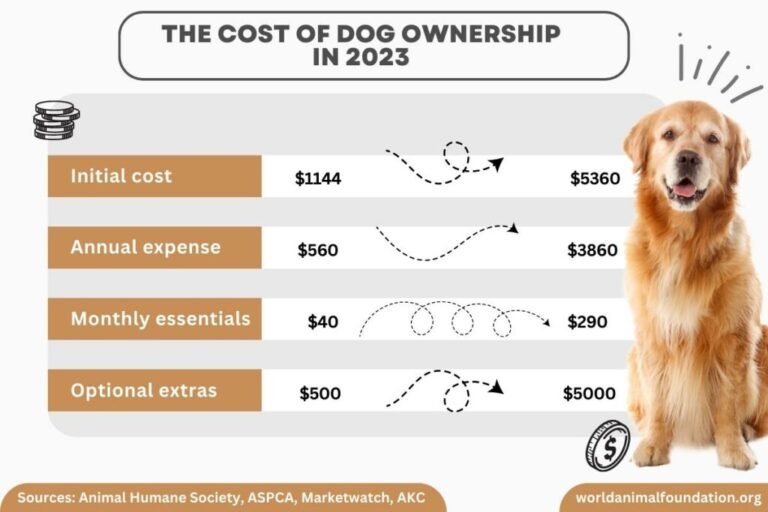
The cost of a dog includes more than the adoption fee. Food, routine care, supplies, grooming, training, boarding, and emergency treatment can all affect the total.
There is no single reliable national price for every dog. Costs vary by location, size, age, health, coat, lifestyle, and access to veterinary care.
Common dog ownership expenses
| Expense | What can change the cost |
|---|---|
| Adoption or purchase | Shelter, rescue, breeder, location, and dog type |
| Food | Dog size, diet, medical needs, and food quality |
| Veterinary care | Vaccines, exams, dental care, illness, and age |
| Parasite prevention | Local parasite risk, product type, and dog size |
| Training | Group classes, private help, and behavior complexity |
| Grooming | Coat type, frequency, and professional services |
| Boarding or daycare | Travel, work schedule, dog temperament, and location |
| Pet insurance | Provider, coverage, deductible, age, and exclusions |
| Supplies | Crate, leash, collar, bed, gates, toys, and cleaning items |
| Emergency care | Injury, sudden illness, surgery, and after-hours fees |
| Housing | Pet rent, deposits, fees, or a move to pet-friendly housing |
The American Society for the Prevention of Cruelty to Animals provides general cost estimates, but its figures are not a personal budget. Use local veterinary clinics, shelters, groomers, trainers, and boarding providers to estimate your likely costs.
A simple planning method
Use this formula:
Estimated annual cost = routine care + food + supplies + grooming + training + services + housing fees + emergency savings
Then add a separate emergency reserve. A regular budget cannot predict every medical event. Ask a veterinarian about likely care for the dog’s age, size, breed traits, and health history.
Do not choose a dog based only on the adoption fee. A low initial cost can still lead to high ongoing costs.

Who Should Not Get a Dog Yet?
A dog may be the wrong choice if you cannot provide stable care. Waiting is often kinder than bringing home a dog and later giving it up.
You may need to wait if:
- Your housing does not allow dogs.
- You cannot afford routine care and emergency planning.
- You travel often without a care plan.
- You lack time for exercise, training, and supervision.
- Someone in the home has a serious allergy or fear.
- You expect the dog to raise a child, protect the home, or cure loneliness.
- You are not ready for hair, odor, barking, mess, and possible damage.
- You cannot safely control the dog in your home or community.
A temporary life change does not always rule out dog ownership. You may be able to use a dog walker, foster first, choose an adult dog, or delay adoption until your schedule improves.
When a dog may be a poor match
A high-energy dog may struggle in a small home if the household cannot provide enough activity. A shy dog may not fit a loud home with many visitors. A strong dog may be unsafe for a person who cannot control it on a leash.
Breed labels do not predict every behavior. Individual history, early experiences, health, training, and the environment also matter. Ask a shelter or rescue about the specific dog’s behavior in different settings.
Consider fostering first
Fostering can help you learn whether your household can handle dog care. It may also help a shelter place a dog in a temporary home.
Fostering is not risk-free. Ask who pays for veterinary care, what supplies are provided, what behavior support is available, and what happens if the placement fails.

How to Choose the Right Dog
Choose the dog that fits your real life, not the dog that looks most appealing in a photo or video.
Assess your household first
Write down:
- Your normal work and school schedule
- The amount of daily exercise you can provide
- Your budget for routine and emergency care
- Your housing limits
- The ages and needs of people in the home
- Other pets
- Your travel plans
- Your experience with training and behavior
Then compare this list with the dog’s needs.
Ask specific questions
A shelter, rescue, breeder, or previous owner may be able to tell you:
- Has the dog lived with children?
- How does the dog act around other dogs and cats?
- Can the dog stay alone?
- Is the dog house-trained?
- Has the dog shown guarding, biting, chasing, or escape behavior?
- What medical records are available?
- What food and medications does the dog use?
- What kind of exercise does the dog receive?
- Why is the dog being rehomed?
No history is complete. Treat unknown behavior as unknown, not as proof that the dog has no problem.
Meet more than once when possible
Watch how the dog responds to handling, noise, new people, other dogs, and changes in space. Ask a qualified behavior professional for help if you see freezing, repeated lunging, hard staring, snapping, or other warning signs.
Do not rush because you feel sorry for a dog or fear that someone else will adopt it. A careful match protects both the household and the dog.

What Are the Risks of Having a Dog?
Dogs can improve life, but they also create health, safety, financial, and emotional risks.
Allergies and disease
Dogs can spread germs through saliva, feces, fur, food bowls, and contaminated surfaces. The CDC advises regular handwashing, safe waste removal, veterinary care, and extra caution for people with weakened immune systems.
Allergies may come from skin flakes, saliva, urine, or particles carried on the coat. No dog is fully allergen-free. If someone in your home has allergies, speak with a health professional before adopting.
Bites and unsafe interactions
A dog may bite when frightened, injured, restrained, guarding food, or unable to escape. Supervise children and learn canine stress signals.
Contact a health professional after a bite, especially if the wound is deep, bleeding, on the face or hand, or caused by an unfamiliar animal. Local animal control or public health officials may need to assess rabies risk.
Heat and weather
Dogs can overheat quickly, especially in hot cars, humid weather, or during hard exercise. Never leave a dog in a parked car, even with windows open.
In winter, ice, salt, and cold can harm paws and skin. Adjust outdoor time and ask a veterinarian about risks for short-coated, elderly, very young, or medically fragile dogs.
Financial and emotional strain
Unexpected illness may require urgent treatment. Behavior problems may require professional help. A dog may also live for more than a decade, so adoption affects future moves, jobs, relationships, and family plans.
These costs do not mean dogs are a bad choice. They mean the choice should be planned rather than based only on emotion.

A Practical Dog Ownership Decision Checklist
Use this checklist before adopting or buying a dog.
You may be ready if you can answer “yes” to most questions
- Is my housing stable and dog-friendly?
- Can I pay for food, routine veterinary care, supplies, and emergency needs?
- Who will care for the dog every day?
- Can I provide exercise, training, and social contact?
- Do all household members agree?
- Have I planned for travel, illness, work changes, and emergencies?
- Can I manage barking, shedding, accidents, and damage?
- Have I chosen a dog based on fit rather than appearance?
- Can I keep the dog safe around children, visitors, and other animals?
- Am I prepared to care for this dog throughout its life?
If several answers are “no,” wait or consider a lower-commitment option. You might volunteer at a shelter, dog-sit for a trusted owner, or foster with clear support.
Signs of a good match
A good match does not mean the dog is easy every day. It means the dog’s needs and your resources fit well enough for both of you to succeed.
You should understand the dog’s expected activity, care, health, and behavior needs. You should also have a plan for problems before they occur.

Frequently Asked Questions About Having Dogs
Is having a dog good for your health?
It can support activity, routine, and social contact. However, health benefits are not guaranteed, and dog ownership may add stress or expense. Treat the possible benefit as one factor, not the main medical reason to get a dog.
Are dogs good for people who live alone?
They can be. A dog may provide companionship and a reason to keep a daily routine. People who live alone must plan carefully for work, illness, travel, emergencies, and the dog’s time alone.
Is it better to adopt a puppy or an adult dog?
Neither is always better. Puppies need frequent training, supervision, and bathroom breaks. Adult dogs may have more known habits, but they can also have established fears or behavior problems. Choose based on your time, experience, and household.
Can a dog help with anxiety or depression?
A dog may offer comfort and structure, but it is not a guaranteed treatment. Caring for a dog can also feel overwhelming. Speak with a qualified mental health professional if symptoms affect daily life or safety.
How can I find a responsible dog in the United States?
Start with local animal shelters, municipal shelters, reputable rescue groups, or a responsible breeder. Review medical records, ask about behavior, and avoid sources that will not let you see where dogs live or that pressure you to act quickly.
Should I get a dog for my child?
The adult should want and manage the dog. Children can help with age-appropriate tasks, but they cannot carry full responsibility for feeding, training, supervision, veterinary care, or safety.
Conclusion: Should You Have a Dog?
You should consider having a dog if you want a long-term relationship and can meet the animal’s daily, medical, behavioral, and financial needs. Dogs may add companionship, exercise, routine, and social connection to life in the United States.
The right choice depends on fit. Review your housing, schedule, budget, household, and support plan before choosing a dog. If the match is uncertain, fostering, volunteering, or waiting can be responsible choices—not failures.