Why Do I Love Dogs More Than Humans: Honest Reasons
If you love dogs more than humans, you are not alone, and it does not automatically mean something is wrong with you. In the United States, many people feel safer, calmer, and more understood around dogs because dogs offer steady affection, simple communication, and low-conflict companionship. That preference often reflects personality, life experience, and the kind of relationship a person wants, not a moral failure.
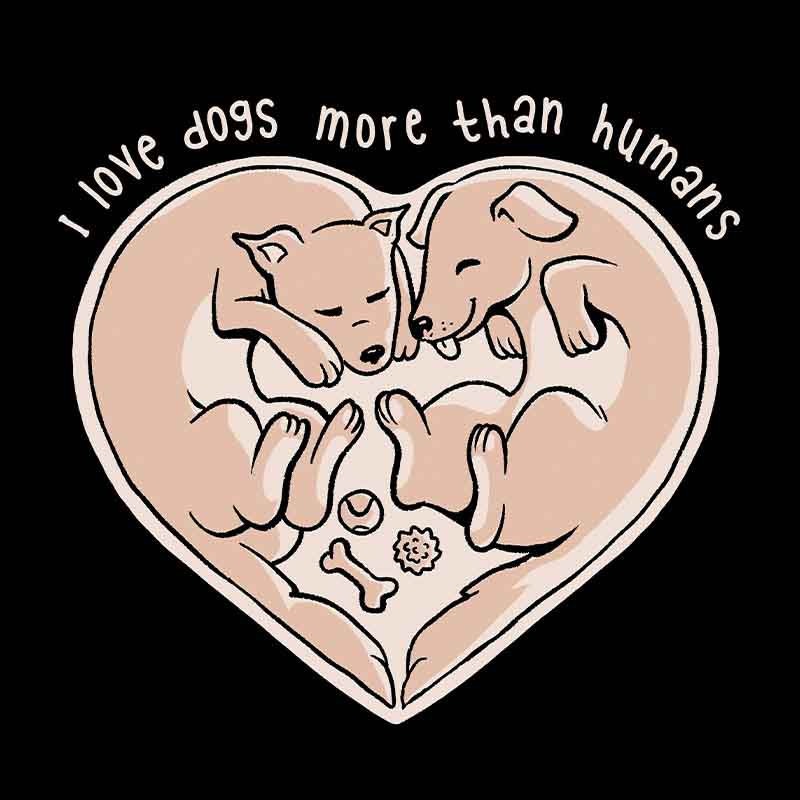
What “loving dogs more than humans” usually means
This feeling usually means you prefer the emotional experience of being with dogs over being with people. For many adults in the U.S., dogs feel easier because they are direct, affectionate, and less likely to judge, interrupt, or create social pressure. The preference can be mild, or it can be strong enough that a dog feels like the most trusted being in the home.
It can also mean different things in different contexts. Some people love dogs more in daily life because dogs are comforting and predictable. Others mean they trust dogs more than people after being hurt, ignored, or disappointed by human relationships.
Why dogs can feel easier to love than humans
Dogs often feel easier because they communicate in simple, readable ways. A wagging tail, a relaxed body, or a nudge for attention can be easier to understand than mixed human signals. That clarity can feel like relief, especially if you are tired of overthinking conversations.
Dogs also tend to give affection without making you perform for it. They do not usually expect witty replies, social status, or perfect timing. They often respond to presence, routine, and kindness, which can feel deeply calming in a busy American life shaped by work stress, long commutes, and constant online noise.
Common reasons this preference is so strong
- Dogs are consistent. They often greet you with the same warmth every day.
- Dogs are emotionally direct. Their affection usually feels obvious.
- Dogs reduce social pressure. You do not have to be “on” around them.
- Dogs offer comfort without judgment. Many people find that reassuring.
- Dogs support routine. Feeding, walking, and care can create structure.
For many people, that steady bond feels safer than human relationships, which can be complicated by conflict, expectations, and past hurt.
Is it normal to prefer dogs over people?
Yes, it is normal. A preference for dogs does not make you cold, antisocial, or incapable of human connection. It simply means your nervous system may respond more positively to the kind of bond dogs offer.
That said, the meaning depends on how broad the feeling is. If you simply enjoy dogs more, that is common. If you avoid nearly all human closeness because people feel threatening or overwhelming, then the preference may be connected to anxiety, loneliness, grief, or past relationship pain.
A simple way to tell the difference
| Pattern | What it may mean | Practical takeaway |
|---|---|---|
| You prefer dogs but still have a few close human relationships | A normal personality preference | No problem; enjoy the bond |
| You feel calmer with dogs and drained by many social situations | Social fatigue or introversion | Build rest into your schedule |
| You trust dogs more because people have hurt you | Past disappointment or trauma | Consider support if it affects daily life |
| You feel safer with animals than with any person | Strong fear or avoidance | A mental health professional may help |
Why your brain may respond more strongly to dogs
Your brain may respond to dogs because their behavior is easy to read and often emotionally rewarding. Positive interactions with dogs can trigger feelings of comfort and connection, especially when the dog is familiar. In plain terms, dogs can feel like a steady emotional signal in a noisy world.
There is also a practical reason. Human relationships often require interpretation, compromise, and negotiation. Dog relationships are simpler: feed, walk, train, and enjoy companionship. That simplicity can feel like emotional rest.
What your preference may say about you
Loving dogs more than humans can reflect several healthy traits. You may value loyalty, calmness, routine, and nonverbal affection. You may also be highly sensitive to conflict and therefore drawn to relationships that feel safe and predictable.
It can also reflect unmet human needs. If you feel more accepted by dogs than by people, that may point to a history of criticism, exclusion, betrayal, or emotional neglect. In that case, the dog preference is not the problem by itself; it may be a clue about what has been missing in your life.
When this preference is healthy and when to pay attention
The preference is usually healthy when it adds comfort, joy, and companionship without shutting out human connection. Many Americans live fuller, calmer lives because a dog helps them feel grounded. In those cases, the bond is a strength.
Pay closer attention if the preference becomes a shield against all human contact. If you are withdrawing, losing trust in every person, or feeling intense distress around people, the issue may be less about dogs and more about unmet emotional needs. That is a good time to talk with a licensed mental health professional.
Signs the preference is probably healthy
- You still have at least one or two trustworthy human relationships.
- You enjoy dogs without needing them to replace all people.
- Your life is not shrinking because of fear of humans.
- The preference brings comfort, not constant isolation.
Signs you may need support
- You feel intense fear or disgust toward most people.
- You avoid work, family, or community contact because of mistrust.
- You rely on a dog as your only source of emotional safety.
- You feel numb, angry, or unsafe most of the time.
Why some people trust dogs more than humans
Many people trust dogs more because dogs usually feel predictable. A dog’s affection is often tied to regular care, touch, tone, and routine. Humans, by contrast, can lie, judge, manipulate, or change their behavior in confusing ways.
Trust is built on repeated experience. If a person has been disappointed by friends, family, dating partners, or coworkers, the calm honesty of a dog can feel like a rare relief. That relief can become a strong emotional preference.
How to think about the difference without guilt
You do not have to choose between loving dogs and valuing people. In fact, many people love dogs because dogs make them better versions of themselves: more patient, more present, and more affectionate. That can improve human relationships too.
A useful way to frame it is this: dogs may meet a need that people have not met well enough yet. Instead of judging yourself, ask what the preference is protecting, soothing, or replacing.
Common mistakes people make about this feeling
One common mistake is assuming the preference means you “hate humans.” Most people who say this do not truly hate people; they are often tired, hurt, or overwhelmed. Another mistake is treating the dog preference as proof that all human connection is bad. That belief can isolate you more than it helps.
A third mistake is using a dog to avoid every difficult feeling. Dogs are wonderful companions, but they cannot solve grief, trauma, depression, or chronic loneliness on their own. If the preference is tied to pain, healing usually requires both support and honest reflection.
What to do if you relate to this strongly
Start by noticing what dogs give you that people do not. For example, it may be safety, routine, loyalty, touch, or quiet companionship. That answer can help you understand your emotional needs more clearly.
Then ask whether you are missing those needs in all human relationships or only in some of them. If it is only some, you may simply need better boundaries and better people. If it is all, you may benefit from counseling, support groups, or intentional work on trust and connection.
Practical next steps
- Write down what you love most about dogs.
- Notice which of those needs are missing with people.
- Keep the dog bond strong, but do not let it replace every human tie.
- If fear or hurt is driving the preference, consider professional support.
FAQs
Is it weird to love dogs more than humans?
No. It is common and usually reflects comfort, trust, and personality, not a defect.
Does this mean I have attachment issues?
Not necessarily. It can simply mean dogs feel easier and safer. If the preference comes from fear of people, attachment wounds may be part of it.
Why do dogs feel more loyal than people?
Dogs are usually more consistent in how they show affection. Human relationships involve more complexity, misunderstanding, and change.
Can loving dogs more than humans be a sign of loneliness?
Sometimes, yes. It can also be a sign of introversion or a strong bond with animals. The key question is whether you still have meaningful human connection.
Should I be worried if I only trust my dog?
If your dog is your only source of safety or comfort, that may be a sign you need more support, especially if you feel isolated or anxious around people.
Conclusion
If you love dogs more than humans, the simplest answer is that dogs may offer the qualities you value most: loyalty, calm, affection, and simplicity. In the United States, where many people feel stressed, overconnected, and socially drained, that preference makes real emotional sense. It is usually normal, and it becomes a concern only when it replaces healthy human connection or hides deeper pain.
If you want, the next best step is to identify what dogs give you that people do not, then decide whether you need better boundaries, better relationships, or more support.