Why Do Dogs Like Human Food? 10 Reasons Dogs Love What We Eat
If your dog rushes into the kitchen when you open a food package, you are not alone. Many dogs seem far more excited about a bite from your plate than their own bowl. This can make dog owners wonder, why do dogs like human food so much?
The answer is not simply that human food tastes better. Dogs have a strong sense of smell, a natural drive to seek food, and a powerful ability to learn from rewards. A dog may also connect your meals with attention, family time, and the chance to get a tasty bite.
Understanding why dogs like human food can help you manage begging without making your dog feel left out. It also helps you tell the difference between a harmless food preference and a habit that could lead to weight gain or unsafe eating.

Why Do Dogs Like Human Food So Much?
The main reason dogs like human food is that many human meals provide strong smells and rewarding flavors. Meat, cheese, eggs, fish, and other foods can release powerful scents that quickly catch a dog’s attention. For a dog, smell is a major part of how food is explored.
Dogs also learn very fast. If a dog gets a piece of chicken after sitting near the table, that dog may soon learn that staying near the table can lead to food. Over time, the behavior can become a routine.
Another key factor is variety. A bowl of the same kibble may seem less exciting than the changing smells from a family kitchen. This does not mean a complete dog food is poor quality. It means that a varied human meal can provide a new sensory experience.
- ✦ Strong smells
Many human foods have strong aromas that can quickly attract a dog’s attention.
- ✦ Rich flavors
Foods with meat, fat, or savory flavors can be highly rewarding to dogs.
- ✦ Learned rewards
Dogs may repeat begging when it has led to food in the past.
- ✦ Food variety
New smells, textures, and flavors can make human meals more interesting than a familiar meal.
Dogs Are Natural Food Seekers
Dogs evolved from animals that had to find food and make use of available opportunities. Modern pet dogs do not need to hunt for every meal, but many food-seeking behaviors remain. When a tasty smell appears, showing interest can be a normal part of canine behavior.
- ✦ Opportunity matters
A dog may investigate food simply because it is available and smells interesting.
- ✦ Food has high value
Dogs can quickly learn which foods and situations are linked with a reward.
A Dog’s Sense of Smell Makes Human Food Hard to Ignore
Smell plays a major role in answering why do dogs like human food. Dogs rely heavily on their noses when they explore the world. The aroma from roasted meat, cooked eggs, cheese, or other foods can travel through a home and reach a dog before the meal reaches the table.
This is one reason a dog may appear interested before you even sit down. The dog may already know that something tasty is being prepared. Strong aromas can trigger food-seeking behavior even when the dog has recently eaten.
The smell of human food can also be very different from the smell of dry kibble. A warm meal may release more noticeable aromas, especially when it contains meat or other strongly scented ingredients.

- ✦ Warm food releases aromas
Cooking can make food smells more noticeable and appealing to a dog.
- ✦ Dogs investigate with their noses
A strong food smell naturally encourages a dog to approach and investigate.
- ✦ Smell does not equal nutritional need
A dog wanting a food does not mean the dog needs that food in its diet.
Why Your Dog May Smell Food From Another Room
A dog’s nose is highly sensitive compared with ours, so food odors can remain noticeable even when a person barely notices them. That helps explain why your dog may appear suddenly when you open a refrigerator, unwrap leftovers, or start cooking dinner.
- ✦ Food scent travels
Kitchen odors can move through rooms and attract dogs from a distance.
Dogs Learn That Human Food Comes With Rewards
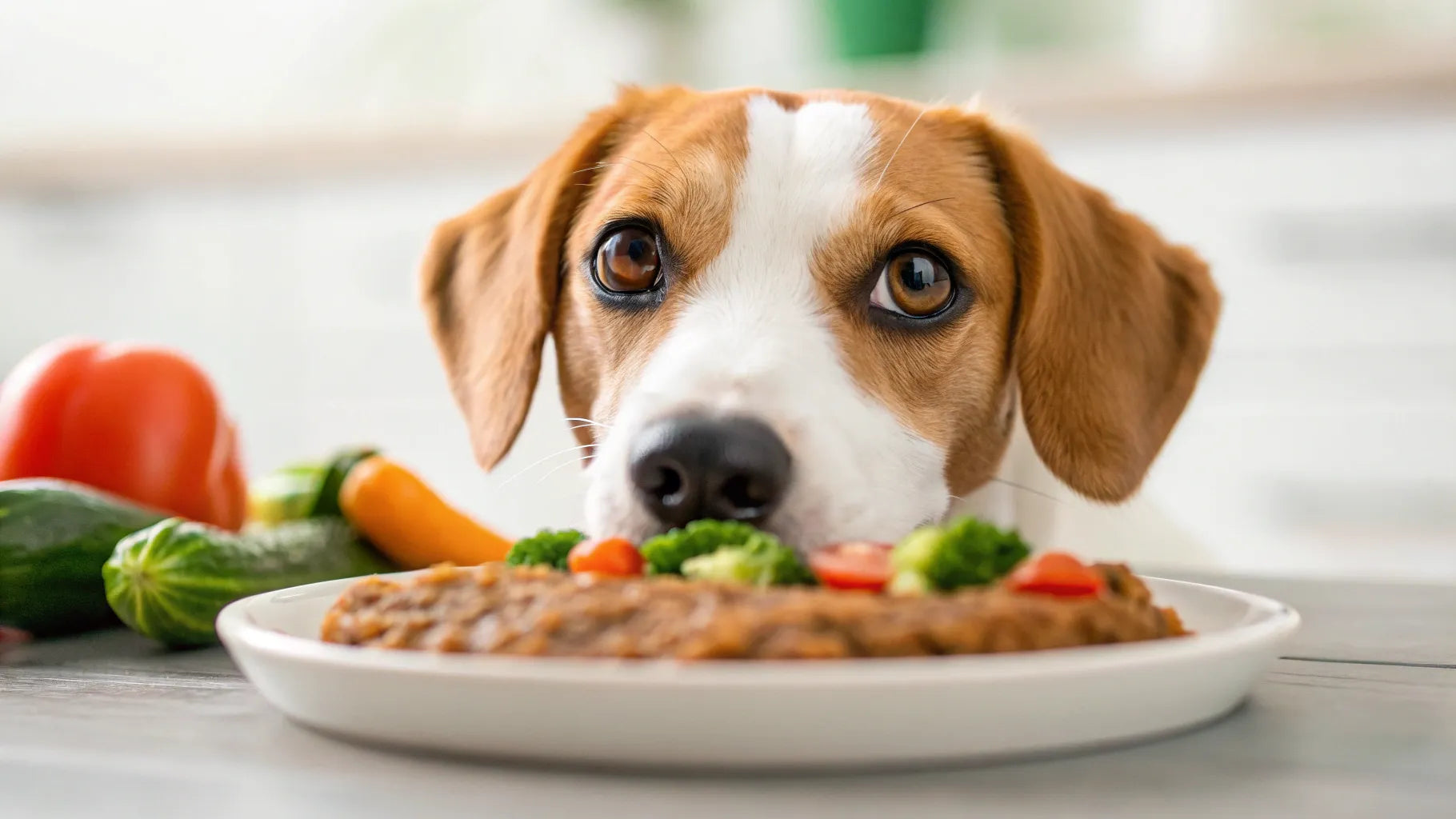
One of the strongest answers to why do dogs like human food is simple learning. Dogs notice what happens after they perform a behavior. If begging near the dinner table sometimes leads to a bite of food, the dog has a reason to try begging again.
The reward does not need to happen every time. In fact, occasional rewards can make a behavior very persistent. A dog may keep watching, waiting, or pawing because a past attempt eventually worked.
This is why family habits matter. One person may refuse to share food while another person gives the dog leftovers. From the dog’s point of view, continuing to ask makes sense because the behavior sometimes pays off.
- ✦ Begging can be reinforced
Giving food after begging can teach a dog that begging is an effective way to get rewards.
- ✦ Inconsistent rules can confuse dogs
Dogs may continue begging when different family members use different feeding rules.
- ✦ Attention can also reward begging
Talking, touching, or looking at a dog can sometimes reinforce attention-seeking behavior.
Why Dogs Keep Begging Even After They Are Fed
A full stomach does not erase learned behavior. If begging has worked before, a dog may continue the behavior even after eating a normal meal. The dog may be seeking the reward, attention, or excitement rather than trying to solve hunger.
- ✦ Habit
Repeated food rewards can turn begging into a routine.
- ✦ Attention
Some dogs learn that sitting near the table gets them interaction from people.
Human Food Can Taste and Feel Different From Dog Food
Dogs do have taste buds, although their sense of taste is not the same as ours. They can detect basic tastes, and smell adds much more information to the eating experience. This means a food’s aroma, texture, and flavor can all affect how attractive it seems.
Human meals also come in many forms. A dog may encounter crunchy vegetables, soft meat, warm rice, eggs, or other textures. That variety can make a small food sample feel more interesting than a familiar bowl of kibble.
This helps explain why do dogs like human food even when their regular diet meets their nutritional needs. Preference and nutritional need are not the same thing.

- ✦ Texture matters
Different textures can add novelty to a dog’s eating experience.
- ✦ Flavor matters
Savory foods may be especially appealing to many dogs.
- ✦ Novelty matters
A new food can attract attention simply because it is different from the usual meal.
Why Some Dogs Prefer Meat, Cheese, or Other Rich Foods
Many rich foods have strong aromas and concentrated flavors. Dogs may find these foods rewarding, but that does not make them ideal everyday treats. Foods high in fat or calories can add up quickly when given in addition to a complete diet.
- ✦ Rich does not mean healthy
A food can be very appealing while still being too fatty, salty, or calorie-dense for regular treats.
Dogs May Like Human Food Because They Associate It With You
Food is not only about taste for a dog. Meals often happen while the family is together. When your dog watches you eat, the dog may want to join the social activity as well as get the food.
Sharing food can become part of a dog’s routine with its people. A dog may sit close, look at its owner, or wait near the kitchen because these actions have become connected with family meals.
This social side is another useful part of understanding why do dogs like human food. The dog may be responding to the whole situation, not just the food itself.

- ✦ Family time
Dogs often want to be near their people during daily routines, including meals.
- ✦ Attention
A dog may approach the table because meals often bring human interaction.
- ✦ Shared routine
Repeated meal-time patterns can teach dogs to expect food or attention.
Why Dogs Watch People While They Eat
Watching you eat can be useful from a dog’s point of view. The dog may have learned that food sometimes appears during this routine. Even when no food is offered, staying nearby may have become a familiar part of the dog’s day.
- ✦ Observation
Dogs can pay close attention to human actions that have led to rewards in the past.
Does Liking Human Food Mean a Dog Is Hungry?
Not always. A dog can show intense interest in food even after eating enough calories. Food motivation is normal in dogs, and a tasty smell can create interest without true hunger.
Still, a sudden change in appetite deserves attention. If a dog that normally ignores food becomes unusually hungry, starts stealing food, loses weight, drinks much more water, or shows other changes, talk with a veterinarian.
This distinction matters when asking why do dogs like human food. Normal food interest is common, but a major change in eating behavior can sometimes point to a health issue.

- ✦ Normal food interest
Many healthy dogs enjoy food and may eagerly investigate appealing smells.
- ✦ Sudden appetite change
A sharp change in appetite or eating habits should be discussed with a veterinarian, especially when other signs appear.
- ✦ Weight matters
Regular extra treats can contribute to excess calorie intake and unwanted weight gain.
When Increased Food Seeking Deserves Attention
Contact your veterinarian if unusual hunger comes with weight loss, vomiting, diarrhea, increased thirst, increased urination, weakness, or other health changes. These signs need a proper medical assessment rather than a simple change in treats.
- ✦ Look at the whole dog
Appetite should be considered along with weight, thirst, energy, stool, and other changes.
Can Dogs Eat Human Food Safely?
Some human foods can be safe for dogs when served in suitable portions and prepared without harmful ingredients. Plain foods such as certain cooked meats, carrots, green beans, and small amounts of some fruits can be used as treats for many healthy dogs.
But the phrase human food covers thousands of foods, recipes, sauces, snacks, and ingredients. Some can harm dogs. Chocolate, grapes and raisins, onions, garlic, xylitol, alcohol, and some other foods can pose serious risks.
Portion size also matters. Even a food that is safe in a small amount may add too many calories when offered often. When asking why do dogs like human food, it is important to separate what dogs enjoy from what dogs should eat.
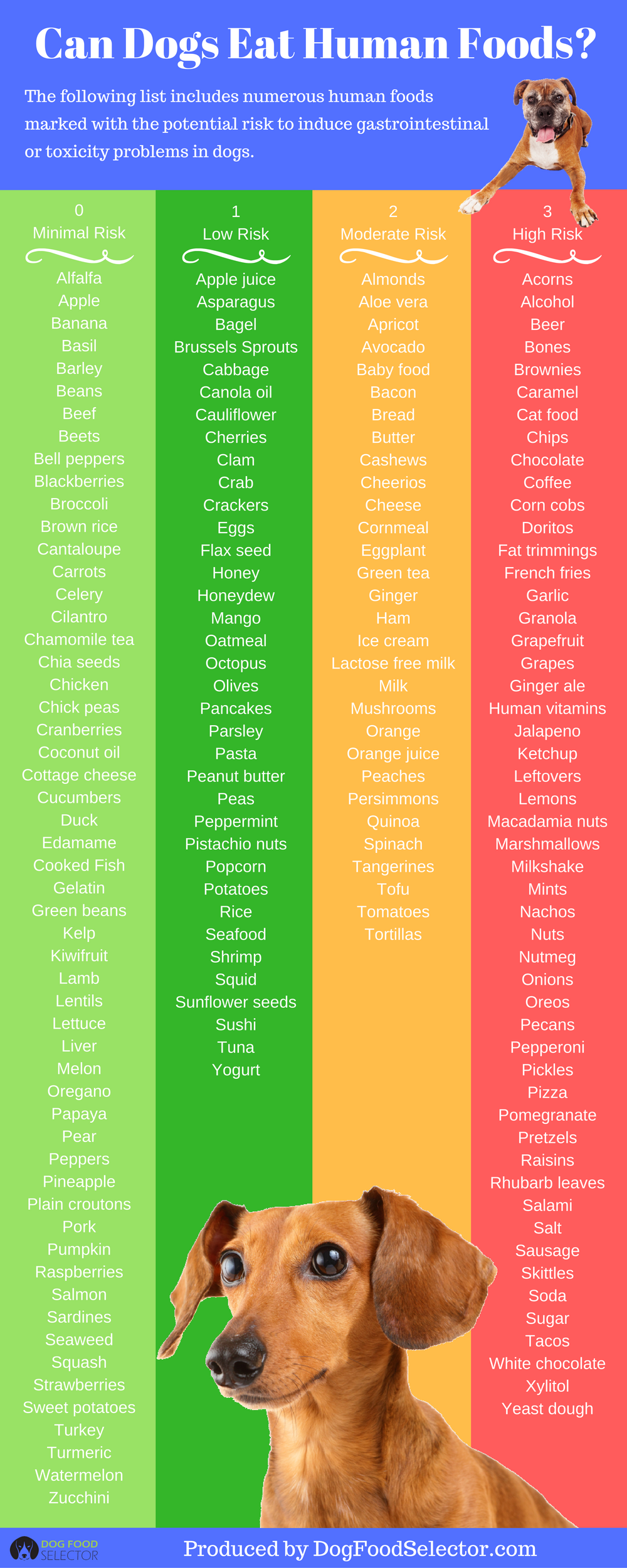
- ✦ Potentially suitable foods
Plain, dog-safe foods such as some vegetables, fruits, and cooked lean meats may work as occasional treats.
- ✦ Foods to avoid
Chocolate, grapes, raisins, onions, garlic, xylitol, alcohol, and other dangerous foods should not be given to dogs.
- ✦ Watch ingredients
Sauces, seasonings, sweeteners, and rich ingredients can make an otherwise simple food unsafe.
- ✦ Keep portions small
Treats and extras should not replace a complete and balanced diet.
Safe Does Not Mean Unlimited
A dog-safe food can still be too much of a good thing. Extra calories can make weight control harder, while sudden diet changes may upset the stomach. Treat human foods as occasional extras unless your veterinarian recommends a different feeding plan.
- ✦ Use small portions
Small pieces are usually enough to provide a taste without adding a large number of calories.
- ✦ Keep meals balanced
A complete dog diet should remain the main source of daily nutrition.
Why Table Scraps Can Become a Problem
Table scraps may seem harmless, but frequent sharing can create several problems. A dog can learn to beg during every meal, gain extra weight, or develop an upset stomach after eating foods that are too rich.
Another issue is portion control. People often give small bites without counting them. Several small bites from different family members can become a large number of extra calories by the end of the day.
There is also a safety risk when dogs grab food from plates, counters, or trash. A dog that learns to search for human food may eventually eat something dangerous.
- ✦ Begging
Regular table scraps can teach dogs to expect food whenever people eat.
- ✦ Extra calories
Small treats can add up and make weight control harder.
- ✦ Stomach upset
Rich or unfamiliar foods may cause digestive problems in some dogs.
- ✦ Accidental poisoning
Dogs that seek human food may gain access to unsafe foods, leftovers, or food waste.
How to Reduce Begging Without Being Harsh
Set one clear rule for the whole household. If you do not want your dog begging at the table, avoid rewarding the behavior with food. You can instead give attention, a toy, or a planned dog-safe treat at a different time.
- ✦ Reward calm behavior
Give rewards when your dog settles in an appropriate place instead of begging.
- ✦ Use a consistent routine
A predictable feeding routine can make meal-time rules easier for dogs to understand.
How to Give Human Food Without Encouraging Begging
If you want to share human food with your dog, plan the treat instead of handing over random table scraps. Set aside a small amount of a dog-safe food before you add sauces, spices, or other ingredients that may not suit dogs.
Give the treat when your dog is calm. This helps avoid teaching the dog that staring, whining, barking, or pawing at the table is the way to get food.
It can also help to use some human foods as training rewards. Small pieces can be useful for training, but they should still fit within the dog’s overall calorie needs.
- ✦ Prepare first
Set aside a plain, dog-safe portion before adding ingredients that may be unsafe or too rich.
- ✦ Reward calm behavior
Offer treats when the dog is calm rather than immediately after begging.
- ✦ Keep portions small
A tiny piece can be enough for a training reward or occasional treat.
- ✦ Count all extras
Include treats and human-food snacks when thinking about your dog’s daily calorie intake.
Use Human Food as a Training Tool
Food can be a strong reward during training. Small pieces of a suitable food can help reinforce behaviors such as sitting, staying, coming when called, or settling on a mat. The key is to reward the behavior you want instead of rewarding unwanted begging.
- ✦ Tiny rewards work
Training treats can be very small because the reward is about timing and learning, not a large snack.
Why Do Dogs Like Human Food More Than Their Own Food?
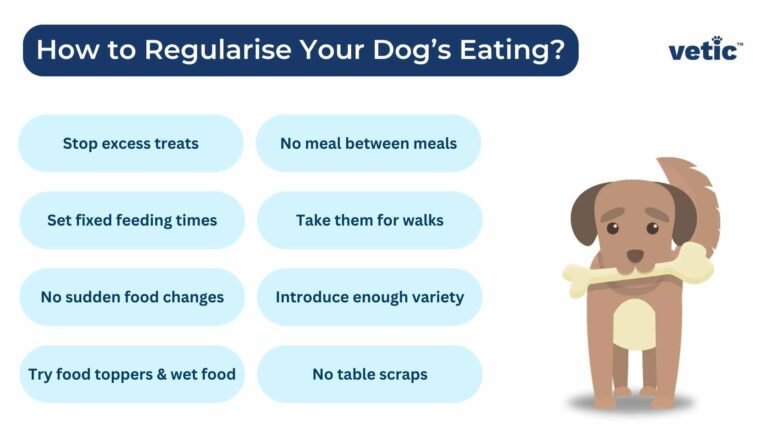
A dog that ignores kibble but wants food from your plate may seem picky. Often, the dog is responding to the stronger smell, greater variety, or higher reward value of the human food. The contrast can make normal dog food seem less exciting.
However, a real change in appetite should not be dismissed as simple pickiness. Dental pain, stomach problems, stress, illness, or other issues can affect eating behavior. If your dog suddenly stops eating its normal food, contact a veterinarian for advice.
Do not assume that adding human food is always the solution. Frequent food toppers can make some dogs hold out for something better, especially if they learn that refusing their meal leads to a tastier replacement.

- ✦ Human food may smell stronger
Freshly cooked food can have a strong aroma that makes it more noticeable than dry food.
- ✦ Novel food is exciting
A new taste or texture can be more interesting than a familiar meal.
- ✦ Sudden food refusal matters
A sudden loss of appetite should be taken seriously, especially when other symptoms appear.
When a Dog Seems Suddenly Picky
If a dog suddenly changes eating habits, look beyond preferences. Check for other changes and speak with a veterinarian when the change is persistent, severe, or paired with other symptoms.
- ✦ Do not force a diagnosis
A change in eating behavior can have many causes, so a veterinarian should assess persistent or concerning changes.