Why Do Dogs Get Attached To Humans: Explained
Dogs get attached to humans because they are built to form social bonds, and human companionship meets several of their core needs: safety, food, comfort, routine, and emotional connection. In the U.S., where dogs often live indoors as family members, that attachment can become very strong because daily care and close contact teach dogs that people are their trusted social partners.
From a behavioral science view, this bond is not “just love” in a human sense. It is a mix of attachment, learning, reward, and social bonding that develops when a dog repeatedly experiences a person as predictable, protective, and rewarding.
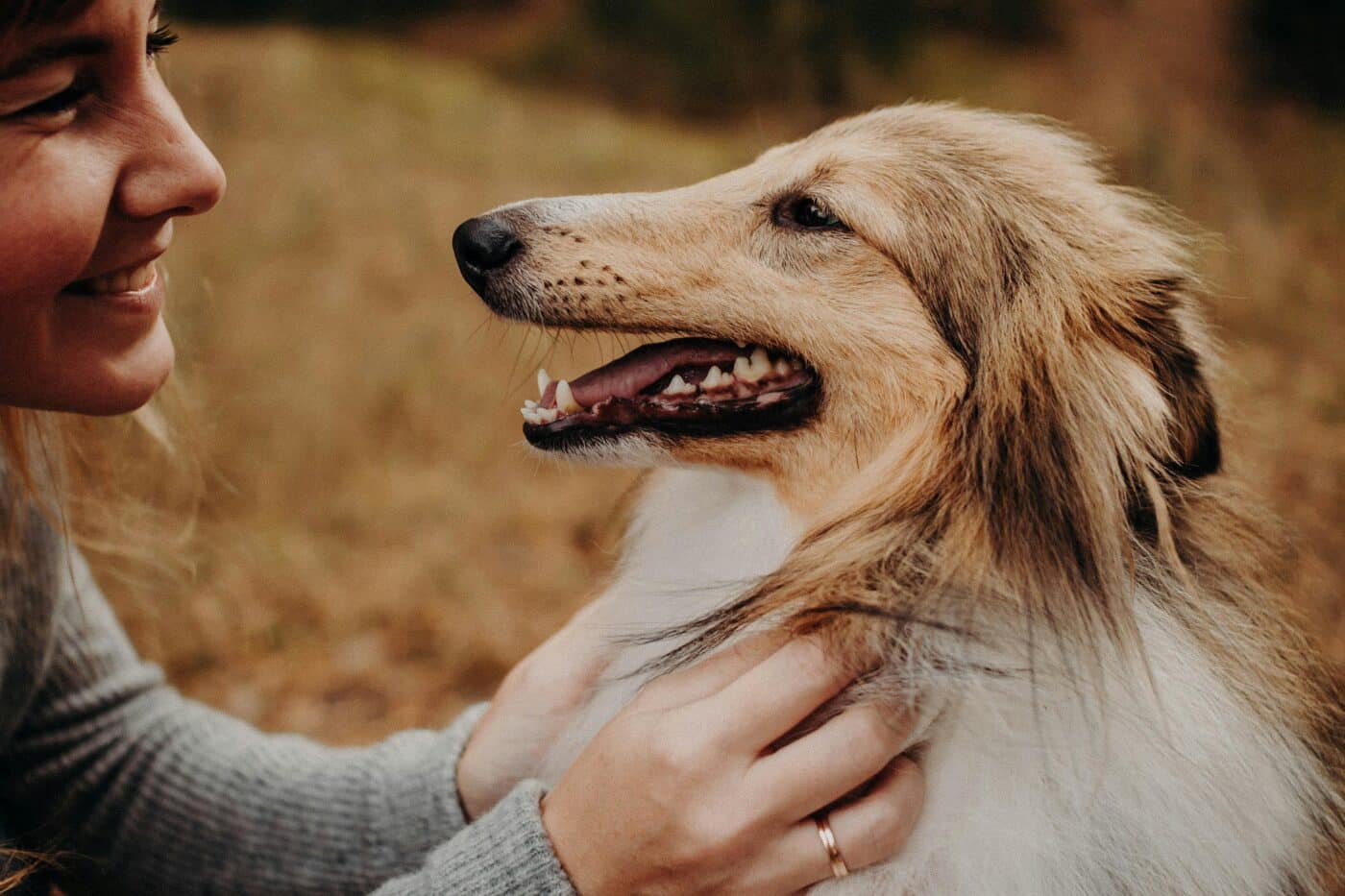
What “attached” means in dogs
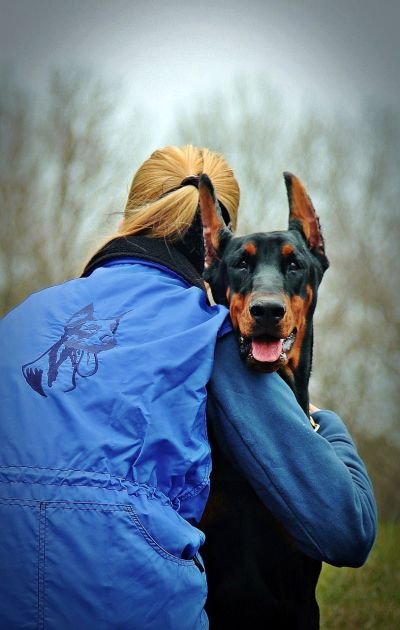
Attachment in dogs means a dog prefers a specific person, seeks them out for security, and uses that person as a “safe base” in uncertain situations. That does not mean the dog is weak or spoiled. It means the dog has learned that a human can help them feel safe.
Researchers often compare dog-human attachment to the attachment seen between human infants and caregivers. The comparison is not perfect, but it helps explain why dogs may follow a person, wait by the door, or become upset when that person leaves.
A dog that is attached may do several things:
- Follow you from room to room
- Relax faster when you are nearby
- Look to you when something is unfamiliar
- Greets you with excitement after a separation
- Show distress when left alone
These behaviors are useful signs of bonding, but they do not always mean separation anxiety. Some dogs are simply social and highly people-oriented.
Why dogs form strong bonds with humans
Dogs attach to humans because domestication shaped them to read and rely on people. Over thousands of years, dogs that were better at living near humans had a survival advantage. They became more responsive to human cues, more tolerant of close contact, and more likely to seek human help.
1. Humans provide safety and stability
A dog that lives with people usually gets regular food, shelter, medical care, and protection from threats. Those benefits matter at the most basic level. A stable caregiver becomes important very quickly in an animal’s mind.
Dogs also learn patterns fast. If a person feeds them, walks them, comforts them, and protects them from scary situations, the dog starts to associate that person with safety. Over time, the person becomes a trusted anchor.
2. Dogs are social animals
Dogs are not solitary by nature. They are pack-oriented and highly social, which makes them naturally responsive to companionship. In a home, that social drive often gets directed toward humans instead of other dogs.
This is one reason dogs often want to be near their people even when nothing “needs” to happen. Proximity itself can be rewarding. For many dogs, simply sharing space is enough to feel content.
3. Positive reinforcement strengthens attachment
Attachment grows through repeated reward. When a human gives food, play, praise, toys, petting, or calm attention, the dog’s brain links that person with good outcomes. That makes the person more valuable to the dog.
The effect is stronger when the human is consistent. A dog is more likely to attach to someone who is calm, predictable, and fair than to someone who is erratic or rough.
4. Dogs read human signals well
Dogs are unusually good at watching human faces, body language, tone of voice, and movement. They can often tell when a person is happy, tense, inviting, or upset. That skill helps them adapt to human households.
When a dog learns that a specific person is easy to read, the relationship becomes smoother and safer. Clear communication reduces stress, and reduced stress supports bonding.
5. Early life experience shapes trust
A puppy that gets gentle handling, socialization, and steady care often bonds more easily with people. Early experiences teach the dog whether humans are safe and reliable.
Dogs with poor early experiences may still attach strongly later, but they may need more time, patience, and structure. The bond can be just as deep, but it may not form as quickly.
The biology behind the bond
Dog-human attachment is supported by brain and hormone systems that reward social connection. One key player is oxytocin, often called the “bonding hormone.” In both dogs and humans, friendly interaction can raise oxytocin levels and support trust and calm.
That does not mean the bond is purely chemical. Biology and behavior work together. Repeated positive experiences help the dog feel safe, and those experiences can strengthen the emotional bond over time.
Other brain systems also matter:
- Dopamine supports reward and motivation
- Cortisol rises with stress and drops when the dog feels safe
- Oxytocin supports social bonding and affiliative behavior
The practical result is simple: the more a human becomes a source of comfort and reward, the more the dog wants to stay close.
Signs your dog is attached to you
A dog’s attachment is usually visible in everyday behavior. The signs are often subtle, then very obvious once you know what to look for.
| Behavior | What it can mean |
|---|---|
| Following you around | You are a preferred social anchor |
| Checking in visually | The dog looks to you for guidance |
| Calmness near you | Your presence helps regulate stress |
| Happy greeting | The dog values reunion |
| Choosing to rest beside you | Closeness feels safe and rewarding |
| Seeking you when unsure | You function as a secure base |
Not every clingy dog is overly attached, and not every independent dog is less bonded. Breed tendencies, age, health, and personality all matter.
Why some dogs get more attached than others
Some dogs bond more intensely because of temperament, breed traits, routine, and life history. Herding breeds, companion breeds, and dogs selected for close human cooperation may often show stronger people focus. That does not mean every dog in those groups will act the same way.
Common factors that affect attachment
- Age: Puppies often bond quickly because they are still learning who provides care.
- Breed tendencies: Some breeds were developed to work closely with people.
- Training style: Gentle, consistent training tends to support trust.
- Time spent together: More shared routine usually means stronger bonding.
- Past experiences: Rescue dogs may attach strongly once they feel safe.
- Household structure: A quiet, predictable home may help shy dogs settle in faster.
A dog that seems “needy” may be responding to uncertainty, boredom, or lack of structure. In those cases, the issue may not be attachment itself, but how the dog manages stress.
When attachment is healthy versus when it becomes a problem
Healthy attachment helps a dog feel secure while still being able to relax alone for reasonable periods. Problem attachment becomes a concern when the dog cannot cope without constant contact.
Healthy attachment often looks like:
- Enjoying your company
- Settling when you leave briefly
- Greeting you warmly, then relaxing
- Seeking comfort without panicking
Concerning attachment may look like:
- Panic when you prepare to leave
- Destructive behavior when alone
- Inability to rest unless you are present
- Excessive distress after separations
If these behaviors are severe or worsening, a veterinarian or qualified behavior professional should evaluate the dog. Separation anxiety, pain, and other medical issues can look similar.
How to strengthen your bond with your dog
You do not need a complicated plan. The most effective approach is steady, kind, and predictable care.
- Be consistent. Feed, walk, and train on a reliable schedule.
- Use rewards. Praise, treats, toys, and play teach your dog that you are a source of good things.
- Stay calm. Dogs often mirror the emotional tone around them.
- Offer choice when possible. Let the dog approach for affection instead of forcing contact.
- Practice short separations. This helps build confidence and reduces overdependence.
- Meet your dog’s needs. Exercise, mental work, and rest all support emotional balance.
A strong bond does not come from constant attention alone. It comes from trust. The dog learns, “This person makes my life safer and better.”
Common myths about dog attachment
“Dogs only attach because of food.”
Food matters, but it is not the whole story. Dogs also attach through comfort, routine, play, and social safety.
“A dog that follows you is dominant.”
That idea is outdated in most cases. Following behavior usually reflects attachment, curiosity, habit, or uncertainty, not dominance.
“Independent dogs do not love their owners.”
Some dogs show affection in quieter ways. They may prefer lying nearby, resting calmly, or checking in less often.
“A clingy dog is always emotionally damaged.”
Not necessarily. Some dogs are simply very social. The concern is not closeness itself, but distress or inability to function when apart.
FAQ
Why do dogs choose one person over another?
Dogs often choose the person who feeds them, trains them, plays with them, or makes them feel safest. Consistency matters more than being the loudest or most playful person in the house.
Can a dog be attached to more than one human?
Yes. Many dogs bond with multiple people. They may still have a favorite, but they can form meaningful attachments to more than one caregiver.
Do male and female dogs attach differently?
Not in a simple, universal way. Personality, experience, socialization, and household routine matter more than sex alone.
Why does my dog follow me into every room?
That is usually a sign of social attachment and interest. In some dogs, it can also reflect insecurity or habit, especially if the dog becomes upset when separated.
Does sleeping near me mean my dog is attached?
Often, yes. Sleeping near a person can signal trust and comfort, though some dogs simply prefer warmth, routine, or the best spot in the house.
Conclusion
Dogs get attached to humans because humans meet the dog’s core needs and become a source of safety, reward, and social comfort. The bond is shaped by domestication, learning, biology, and daily care. In practical terms, the stronger and more predictable the relationship, the more secure the dog usually feels.
If you want a stronger bond with your dog, focus on trust, routine, and positive interaction. That is the foundation dogs understand best.