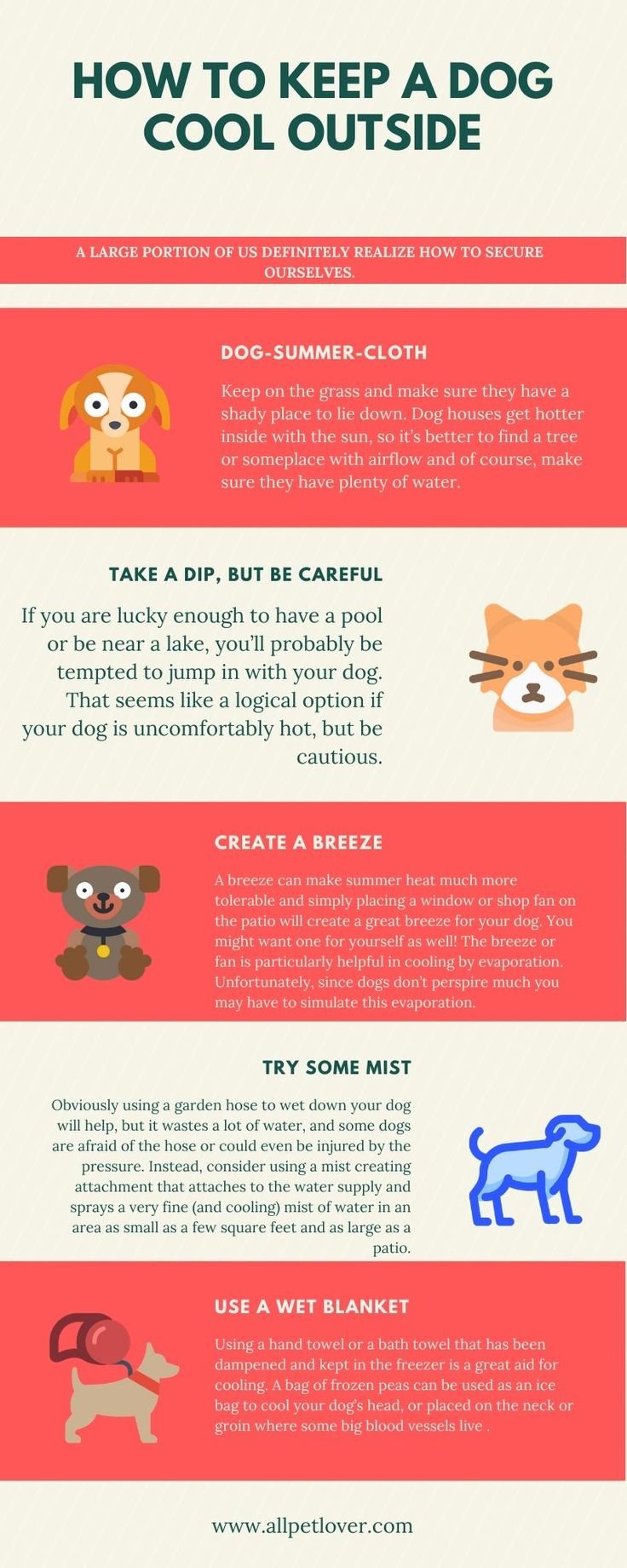
The best way to keep a dog cool outside is to provide constant shade, fresh water, airflow, cooler surfaces, and shorter outdoor time during the hottest parts of the day.
In the United States, summer heat can create serious risks for dogs spending time outdoors, especially during heat waves across states with high temperatures such as Arizona, Texas, Florida, and parts of the Midwest. Dogs do not cool themselves the same way people do because they rely mainly on panting and limited sweating through their paw pads.
Keeping a dog comfortable outside requires more than placing a water bowl in the yard. A safe outdoor setup combines protection from direct sun, access to hydration, careful activity planning, and awareness of heat stress warning signs. This guide explains practical steps owners can use to reduce heat risks while allowing dogs to enjoy outdoor time.
Source: storage.googleapis.com
Create A Cool Outdoor Space For Your Dog
The first step in keeping a dog cool outside is creating an area where the dog can escape heat whenever needed. A shaded resting place helps reduce direct exposure to sunlight, which can raise body temperature and make outdoor conditions more stressful.
Natural shade from trees can help, but it may move throughout the day. A more reliable setup includes a covered area such as a ventilated dog house, canopy, or outdoor shelter positioned away from direct afternoon sun.
The resting surface also matters. Concrete, asphalt, and dark surfaces can become much hotter than the surrounding air and may burn paw pads. Grass, elevated beds, or shaded flooring are usually more comfortable options.
Source: worldanimalfoundation.org
Provide dependable shade
Use a shelter or shaded area that remains available throughout the hottest hours instead of relying only on temporary shade.
Improve airflow
A breezy location or well-ventilated shelter can help heat escape and make resting more comfortable.
Choose cooler surfaces
Avoid leaving dogs on hot pavement or metal surfaces that absorb and hold heat.
Why Direct Sun Is Dangerous For Dogs
Direct sunlight can increase heat exposure even when air temperature does not seem extreme. A dog resting in full sun may struggle to release enough heat, especially during humid weather or after exercise.
Dogs with thick coats, flat faces, or dark-colored fur may have more difficulty managing heat. Owners should judge the environment, not only the temperature shown on a weather app.
Watch the environment
Humidity, sunlight, wind, and surface temperature all affect how hot outdoor conditions feel for a dog.
Keep Fresh Water Available At All Times
Fresh water is one of the most important ways to help a dog regulate body temperature outdoors. Panting causes moisture loss, and dogs need access to clean water to replace fluids.
Outdoor water bowls should be checked often because heat, dirt, insects, and evaporation can reduce water quality. A large, stable bowl placed in the shade is usually more practical than a small container that warms quickly.
For dogs spending extended periods outside, owners should create a routine of checking water before outdoor time and during hot weather.
Source: storage.googleapis.com
Refill regularly
Replace warm or dirty water with fresh, cool water throughout the day.
Use stable containers
Heavy bowls reduce spills and help ensure water remains available.
Avoid extreme temperature changes
Fresh cool water is helpful, but very cold water is not required for safe hydration.
Signs Your Dog May Need More Water
A dog that drinks less than usual, has dry gums, seems tired, or pants heavily may need attention. Reduced drinking can also be linked to illness, so ongoing concerns should be discussed with a veterinarian.
Monitor behavior
Changes in normal drinking habits can be an early sign that something is wrong.
Adjust Outdoor Time During Hot Weather
Timing outdoor activities is one of the easiest ways to reduce heat exposure. Early morning and evening are often safer because temperatures and surfaces are usually cooler than during midday.
Exercise should be reduced when conditions are hot or humid. A dog may continue playing even when overheating begins, so owners need to watch for signs of fatigue.
Short outdoor breaks are often safer than long periods outside during extreme heat.
Source: Top Dog Tips
Avoid peak heat
Limit outdoor activity when the sun is strongest and temperatures are highest.
Test walking surfaces
Place your hand on pavement for several seconds before allowing your dog to walk on it.
Allow rest breaks
Give dogs time in shade and water access during outdoor play.
Dogs That Need Extra Heat Protection
Some dogs face higher heat risks because of body structure or health factors. Brachycephalic breeds with short noses, senior dogs, overweight dogs, puppies, and dogs with heart or breathing problems may require stricter limits.
A safe outdoor plan should consider the individual dog rather than applying the same routine to every breed.
Consider individual needs
Age, breed, coat thickness, fitness level, and medical conditions can change heat tolerance.
Use Safe Cooling Methods For Outdoor Dogs
Cooling methods can help dogs feel more comfortable, but they should support natural cooling rather than create sudden temperature changes. The goal is gradual relief from heat.
A shallow pool, damp towel in a shaded area, cooling mat, or misting system may help some dogs. These options work best when combined with shade, water, and supervision.
Never force a dog into cold water if the dog is frightened or stressed. Comfort and safety should guide every cooling choice.
Source: dogoutsiders.com
Offer a cooling area
A shaded spot with a cool surface gives dogs a place to lower heat naturally.
Supervise water play
Monitor dogs around pools or water containers to prevent accidents.
Avoid unsafe shortcuts
Do not rely on extreme cooling methods without considering the dog’s comfort and condition.
How To Know Cooling Is Helping
A dog that begins breathing normally, relaxes, and returns to normal behavior is showing positive signs. Continued heavy panting, weakness, or unusual behavior means more help may be needed.
Look for normal behavior
Recovery should include calmer breathing and normal movement.
Recognize Signs Of Overheating And Heat Stress
Overheating can become dangerous when a dog’s body cannot release heat fast enough. Early recognition allows owners to act before the condition becomes severe.
Heavy panting after normal activity, excessive drooling, restlessness, weakness, vomiting, confusion, or collapse can indicate serious heat stress. A dog showing severe symptoms needs immediate cooling and veterinary assistance.
Do not wait for a dog to recover alone if signs appear severe or unusual.
Heavy panting, tiredness, excessive drooling, and seeking shade may indicate heat strain.
Emergency signs
Collapse, confusion, seizures, or inability to stand require urgent veterinary attention.
Take action quickly
Move the dog to a cooler area and seek professional advice when symptoms are serious.
Common Mistakes That Increase Heat Risk
Many heat-related problems happen because owners underestimate outdoor conditions. Leaving a dog outside without checking conditions, assuming shade is enough, or exercising during extreme heat can increase danger.
A responsible outdoor routine includes planning ahead rather than reacting after a dog becomes uncomfortable.
Do not rely only on shade
Shade can move or become less effective as the day changes.
Frequently Asked Questions
Q
How long can a dog stay outside in hot weather?
There is no single safe time limit because temperature, humidity, shade, water access, breed, age, and health all affect heat tolerance. Dogs should have frequent checks and the ability to move to a cooler area.
Q
Does shaving a dog help keep it cool outside?
Shaving is not always helpful because a dog’s coat can provide insulation from heat and sun. Grooming decisions should depend on the dog’s coat type and should be discussed with a veterinarian or professional groomer when uncertain.
Q
What is the fastest way to cool down an overheated dog?
Move the dog to a cooler location, provide access to water if the dog can drink, and use safe cooling methods while seeking veterinary guidance if symptoms are serious. Avoid delaying care for severe signs.
Q
Can dogs get heat stroke outside even with water and shade?
Yes. Water and shade reduce risk but do not eliminate it. Hot weather, humidity, intense exercise, and individual health factors can still cause overheating.
Q
Are some dogs more likely to overheat outdoors?
Yes. Dogs with short noses, thick coats, older age, extra weight, or certain health conditions may have more difficulty managing heat and may need shorter outdoor periods.
✦ Wrapping Up
Conclusion
Learning how to keep a dog cool outside starts with simple protections: shade, water, smart timing, and careful observation. These steps help reduce heat stress and allow dogs to enjoy outdoor time more safely.
Every dog responds differently to hot weather. Owners should consider their dog’s breed, age, health, and behavior while adjusting outdoor routines during warm months.
💡 Key Takeaway
Create a shaded outdoor area, keep fresh water available, avoid peak heat, and act quickly if your dog shows signs of overheating.