You can stop a dog from barking at visitors by teaching a calm greeting routine, rewarding quiet behavior, managing the doorway, and slowly helping your dog feel safe around guests.
In homes across the United States, many dog owners deal with the same challenge: the doorbell rings, a friend arrives, and the dog reacts with loud barking, jumping, or rushing toward the entrance. This behavior is common because dogs often view visitors as exciting, unfamiliar, or potentially threatening events that need a response.
The most effective approach is not to punish barking alone. Barking is a form of communication, and the goal is to teach your dog a different response. With consistent training, clear boundaries, and controlled practice, many dogs can learn to stay calm when guests arrive.
This guide explains why dogs bark at visitors, how to train a better response, what mistakes can make the problem worse, and when professional help may be needed. The methods focus on reward-based training, safety, and realistic progress rather than quick fixes.
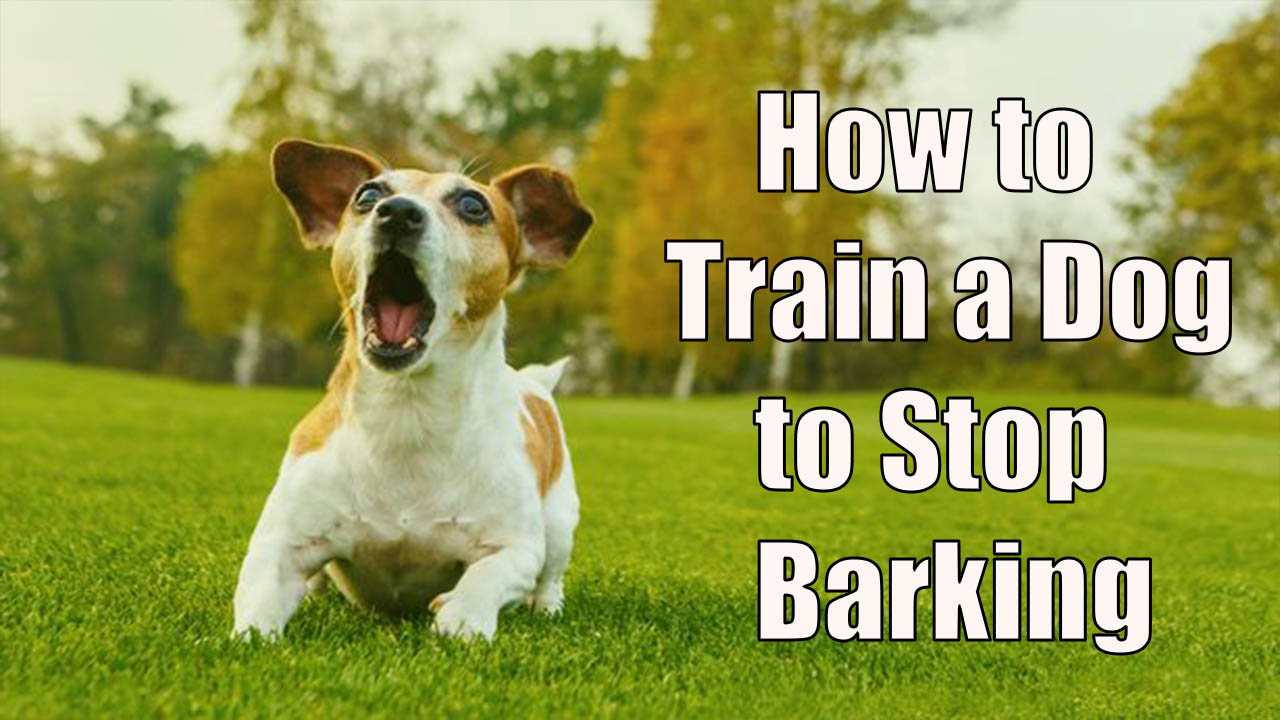
Source: dogtipper.com
Why Do Dogs Bark When Visitors Arrive
Dogs bark at visitors for different reasons, and identifying the cause helps you choose the right training method. A dog that barks from fear needs a different approach than a dog that barks because it wants attention or play.
The doorway creates a high-energy situation. A sound such as a doorbell or knocking can become a trigger that tells the dog something exciting or uncertain is about to happen. Over time, the dog may repeat the behavior because barking feels rewarding.
Source: static.wixstatic.com
Territorial response
Some dogs bark because they believe they need to protect their home or family from unfamiliar people entering their space.
Excitement
Friendly dogs may bark because they are eager to greet visitors and have learned that barking gets attention.
Fear or uncertainty
Dogs that feel uncomfortable around strangers may bark to create distance from something they consider unsafe.
Habit
If barking has repeatedly resulted in people looking at, talking to, or touching the dog, the behavior may become reinforced.
How To Identify Your Dog’s Barking Trigger
Watch what happens before, during, and after barking begins. Notice whether your dog moves forward confidently, backs away, hides, wags loosely, stiffens the body, or seeks attention. These details reveal whether the emotion behind the barking is excitement, fear, or another response.
Keeping a simple record of visitor situations can help. Write down the trigger, your dog’s reaction, how long barking lasts, and what helped your dog calm down.
Observe body language
Look for signs such as relaxed posture, stiff movements, tucked tail, raised hackles, or avoidance.
Prepare Your Dog Before Visitors Arrive
Preparation prevents many barking episodes before they begin. Training is easier when your dog is below its excitement threshold instead of already reacting at the door.
Before guests arrive, give your dog a chance to exercise, use the bathroom, and settle. A dog with fewer unused physical and mental needs may find it easier to focus.
Source: thesprucepets.com
Create a calm area
Set up a safe space with a bed, crate, or separate room where your dog can relax away from the entrance.
Teach basic cues
Commands such as sit, stay, place, or come can give your dog a clear alternative behavior.
Control the environment
Use doors, gates, or a leash to prevent your dog from rushing toward visitors while training is in progress.
Practice Before Real Guests Arrive
Do not wait until an important visitor arrives to start training. Practice with a family member or friend who can repeat the process calmly. Controlled practice allows you to reward the behavior you want without the pressure of a real situation.
Start with low difficulty
Begin with quiet knocking or a person standing outside before practicing full greetings.
Step By Step Training To Stop Visitor Barking
The key to changing visitor barking is teaching your dog that calm behavior leads to good things. Training should happen in small steps so your dog can succeed.
Avoid waiting until your dog is barking intensely before giving instructions. At that point, many dogs are too excited to respond well.
Source: dogshowtv.com
Step 1: Teach a calm door routine
When the doorbell rings, guide your dog to a specific place such as a mat or bed. Reward staying calm.
Step 2: Reward silence
When barking stops, even briefly, reward the quiet moment with praise or a treat.
Step 3: Add visitor practice
Increase the difficulty slowly by adding knocking, door opening, and guest movement.
Step 4: Repeat consistently
Short daily sessions usually work better than occasional long training sessions.
What Success Looks Like
Progress does not always mean complete silence immediately. A successful change may begin with fewer barks, faster recovery, or the ability to look at the visitor without rushing forward.
The goal is a dog that can notice visitors and choose a calmer behavior instead of automatically reacting.
Improved recovery
Your dog settles more quickly after hearing the doorbell or seeing a guest.
Common Mistakes That Make Visitor Barking Worse
Many owners accidentally strengthen barking by responding in ways the dog finds rewarding. Understanding these mistakes can speed up training progress.
A loud reaction from a person may seem like correction, but some dogs interpret it as joining the excitement.
Source: pupsguide.com
Yelling at the dog
Loud corrections can increase excitement or fear and may not teach the dog what to do instead.
Allowing inconsistent rules
If barking sometimes leads to greeting visitors, the dog may continue trying because the reward is unpredictable.
Forcing greetings
Making a fearful dog interact with strangers can increase stress and defensive behavior.
When To Seek Professional Help
Professional guidance may be appropriate if your dog shows aggression signs, attempts to bite, cannot calm down, or the behavior appears suddenly after years of being comfortable with visitors.
A veterinarian can help rule out medical issues, while a qualified behavior professional can create a plan for serious fear or aggression concerns.
Safety first
Use management strategies to prevent risky interactions while addressing the behavior.
Tools And Techniques That Can Support Training
Training is the foundation, but some tools can make the process easier by creating distance and reducing triggers. These tools should support learning rather than replace it.
The right choice depends on your dog’s personality, the reason for barking, and the situation.
Source: i.ytimg.com
Baby gates or barriers
These allow visitors to enter safely while preventing uncontrolled greetings.
Leash management
A leash can provide control during practice sessions when visitors arrive.
Food rewards
Small rewards can help build a positive association with calm visitor behavior.
Why Quick Fixes Often Fail
Methods that only suppress barking may not address the reason behind the behavior. A dog that feels afraid may need confidence-building training, while an excited dog may need impulse control practice.
Changing behavior takes repetition because the dog must learn a new habit in place of the old one.
Focus on teaching
Show your dog the behavior you want instead of only reacting to the behavior you dislike.
Frequently Asked Questions
Q
How long does it take to stop a dog from barking at visitors?
The timeline depends on the dog’s age, history, motivation, and the reason for barking. Some dogs improve within weeks of consistent practice, while others need longer training.
Q
Should I ignore my dog when visitors arrive?
Ignoring barking alone may not solve the problem. It is usually more effective to prevent unwanted behavior, reward calm moments, and teach an alternative action.
Q
Can treats stop a dog from barking at guests?
Treats can help by rewarding calm behavior and creating positive associations. They work best as part of a complete training plan.
Q
Why does my dog bark at some visitors but not others?
Dogs may react differently depending on a person’s movement, voice, appearance, scent, or past experiences. Different triggers can create different responses.
Q
Is barking at visitors a sign my dog is aggressive?
Not always. Barking can come from excitement, fear, alerting behavior, or frustration. Aggression concerns are more likely when barking includes threatening body language, snapping, or attempts to bite.
✦ Wrapping Up
Conclusion
Stopping a dog from barking at visitors requires understanding the reason behind the behavior and teaching a calmer response. The most reliable approach combines preparation, controlled practice, rewards, and safe management.
Every dog learns at a different pace. Consistency matters more than forcing quick results. With patience and clear training, many dogs can learn that visitors do not require a loud reaction.
💡 Key Takeaway
Start by practicing a calm door routine with one trusted person, reward quiet behavior, and increase difficulty only when your dog can succeed.