You can tell if your dog has a cold by watching for mild signs such as sneezing, a runny nose, watery eyes, coughing, lower energy, and changes in appetite. Many mild cases improve with rest and care, but some symptoms can point to a more serious illness.
Across the United States, many dog owners notice changes in their pets during colder months, after boarding, or when respiratory illnesses are circulating among animals. A dog that suddenly sneezes, coughs, or seems less active may have a simple upper respiratory infection, but those signs can also have other causes. Understanding the difference helps owners respond correctly.
A common dog cold is usually a mild respiratory problem, but dogs do not catch the same human cold viruses that cause seasonal colds in people. Symptoms that look like a cold may come from different infections, allergies, irritation, or other health conditions. Careful observation and knowing when veterinary help is needed are the most important steps.
This guide explains how to recognize possible cold symptoms in dogs, what you can safely do at home, which warning signs require professional care, and how to avoid common mistakes when treating a sick dog.
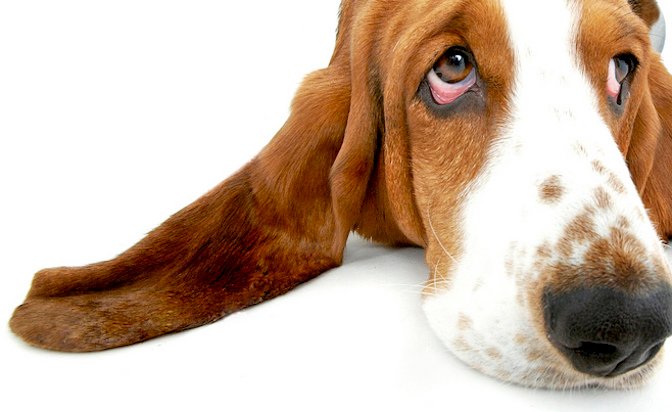
Source: i.pinimg.com
What Does A Cold Look Like In A Dog?
A dog with a cold may show mild respiratory changes that are easy to confuse with normal behaviors. The most common signs involve the nose, throat, eyes, and energy level. A dog may sneeze more than usual, have a small amount of clear nasal discharge, or cough occasionally.
Unlike people, dogs cannot explain that they feel unwell. Owners often notice small behavior changes first, such as sleeping more, playing less, or eating slower. These small clues can help identify a problem early.
A mild cold-like illness often improves with time, but the pattern of symptoms matters. A dog that remains alert and comfortable is different from a dog that struggles to breathe or becomes extremely tired.
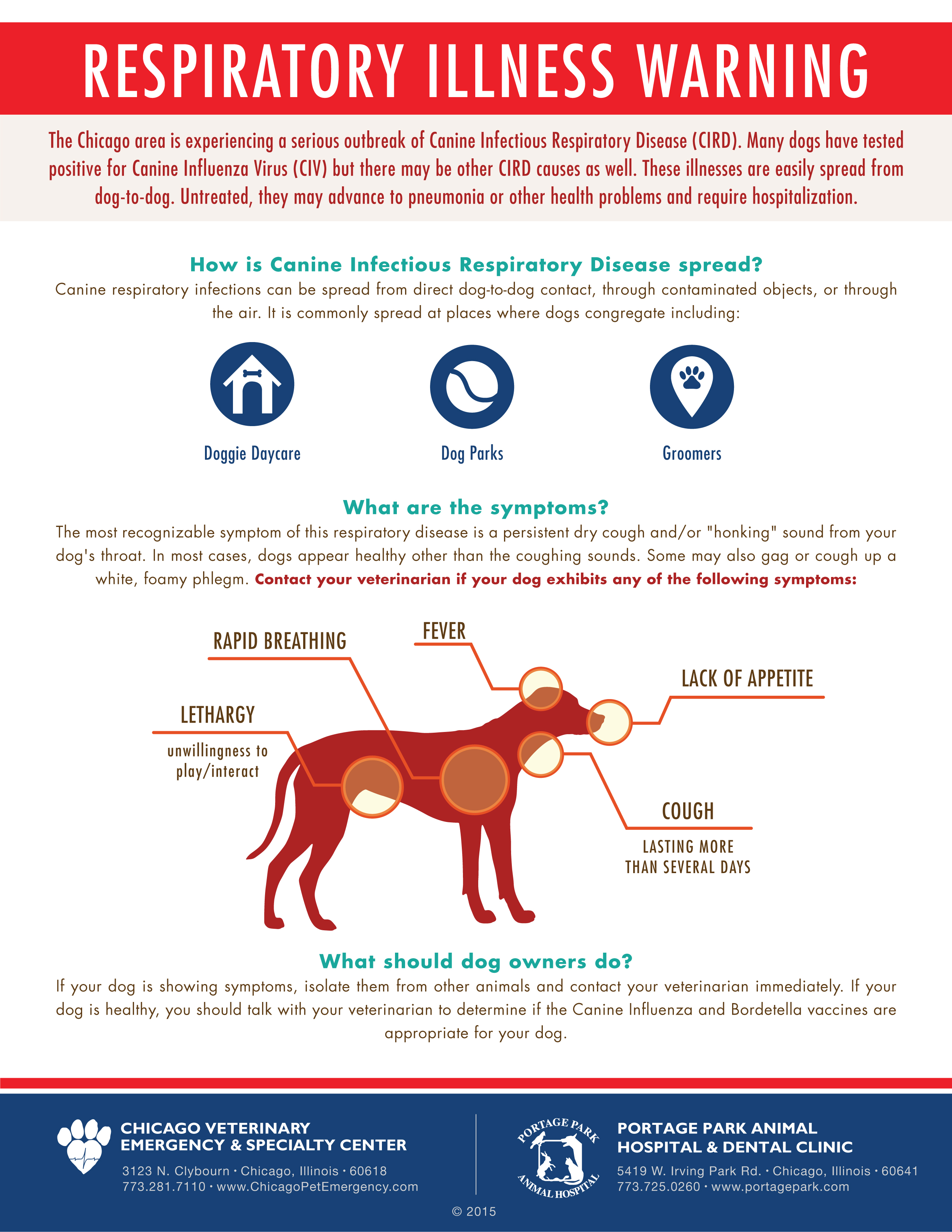
Source: portagepark.com
Sneezing
Occasional sneezing may happen with mild irritation or a respiratory infection. Frequent or intense sneezing may need further evaluation.
Runny nose
Clear nasal discharge can occur with mild illness, while thick, colored discharge may suggest another issue.
Coughing
A cough can happen with respiratory infections but can also be linked to other conditions, so the type and duration matter.
Low energy
A sick dog may rest more and show less interest in normal activities.
How A Dog Cold Differs From Human Colds
Dogs can develop respiratory infections that create cold-like symptoms, but these illnesses are not usually the same viruses that cause common colds in humans. A dog may appear to have a cold while actually dealing with another condition.
Because many illnesses share similar signs, owners should avoid assuming every cough or runny nose is a simple cold. The full picture, including age, vaccination status, exposure history, and symptom severity, helps determine the next step.
Similar signs
Sneezing, coughing, and nasal discharge can appear in both mild and more serious respiratory problems.
Different causes
Allergies, infections, irritants, and other health problems may create symptoms that look like a cold.
Common Signs That Your Dog May Have A Cold
The best way to tell if your dog has a cold is to look for a combination of symptoms instead of one sign alone. A single sneeze after smelling something outside is usually not concerning, but several changes together may indicate illness.
Track when symptoms started, whether they are improving, and whether your dog is still eating, drinking, and acting normally. This information can help a veterinarian if the problem continues.
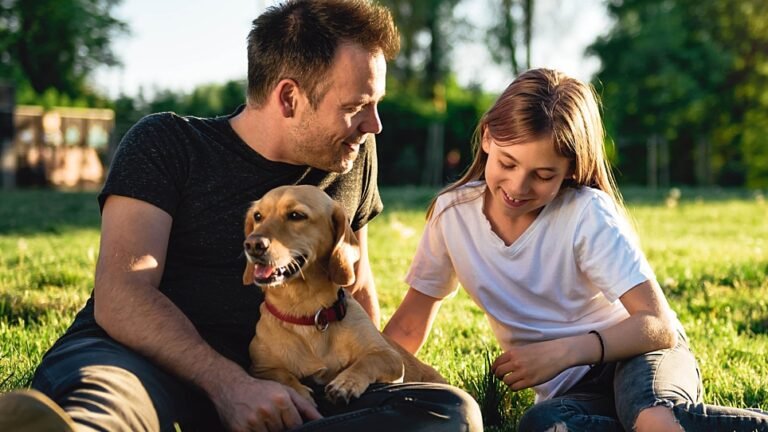
Source: zooawesome.com
Nasal discharge
A mild clear discharge may occur with irritation or infection. Changes in color, amount, or thickness should be monitored.
Watery eyes
Eye watering may accompany respiratory irritation but can also occur with eye problems.
Changes in appetite
Some dogs eat less when they feel sick, but refusing food for a prolonged period needs attention.
Reduced activity
A dog that avoids walks or play may be showing that they do not feel well.
Signs That Need Extra Attention
Some symptoms are less consistent with a simple cold and should be taken more seriously. Breathing changes are especially important because respiratory problems can become dangerous quickly.
If your dog appears distressed, weak, or unable to perform normal activities, contact a veterinarian rather than waiting to see if the symptoms disappear.
Breathing difficulty
Fast breathing, struggling to breathe, or unusual breathing sounds require prompt veterinary attention.
Persistent coughing
A cough that continues, becomes severe, or affects sleep and activity should be checked.
What To Do If You Think Your Dog Has A Cold
For mild cold-like symptoms, supportive care is often the first step. The goal is to help your dog stay comfortable while watching for signs that the condition is changing.
Keep your dog in a calm, warm area and make sure fresh water is available. Avoid stressful activity and allow extra rest while monitoring symptoms.
Source: urbakipets.com
Provide rest
Extra sleep and reduced activity can help your dog recover from mild illness.
Encourage hydration
Fresh water should always be available because dehydration can make illness worse.
Keep the environment comfortable
Avoid smoke, strong scents, and other irritants that may affect breathing.
Monitor changes
Record symptoms and notice whether your dog improves or gets worse.
What Not To Give Your Dog For A Cold
Human cold medicines can contain ingredients that are unsafe for dogs. Products designed for people should not be given unless a veterinarian specifically instructs you to use them.
Home remedies should also be considered carefully. A treatment that is safe for humans may not be safe for pets.
Avoid human medication
Some common over-the-counter medicines can be harmful or toxic to dogs.
Ask before treatment
A veterinarian can help identify the cause before recommending medication.
Cold Symptoms In Dogs Compared With Other Problems
Cold-like symptoms are not always caused by a simple respiratory infection. Several other conditions can create similar signs, which is why symptom patterns are important.
The table below shows common possibilities and what makes them different. It is not a diagnosis tool, but it can help owners decide when further advice may be needed.
Source: topdogtips.com
Allergies
Allergies may cause sneezing, itching, or watery eyes without the same illness pattern.
Kennel cough
A contagious respiratory condition may cause a noticeable cough, especially after exposure to other dogs.
Foreign object irritation
Something stuck or irritating the nose may cause sudden sneezing or discomfort.
When To Call A Veterinarian
Contact a veterinarian if symptoms are severe, last longer than expected, or appear to be getting worse. Puppies, older dogs, and dogs with existing health concerns may need earlier evaluation.
Emergency care may be needed if your dog has trouble breathing, collapses, shows extreme weakness, or has signs of serious distress.
Seek professional help
A veterinarian can determine whether symptoms are caused by infection or another medical issue.
How To Help Prevent Respiratory Illness In Dogs
You cannot prevent every illness, but good daily care can reduce some risks. Keeping vaccinations current, maintaining good hygiene, and avoiding unnecessary exposure to sick animals can support overall health.
Regular veterinary checkups also help identify health issues before they become more serious. Prevention works best when combined with early attention to changes in behavior or symptoms.
Source: wgpetfarm.com
Regular veterinary care
Routine health checks help monitor your dog’s condition and identify concerns early.
Healthy habits
Good nutrition, exercise, and clean living conditions support overall wellness.
Watch exposure
Be careful around dogs showing signs of contagious illness.
Frequently Asked Questions
Q
Can dogs catch a cold from humans?
Dogs generally do not catch the same common cold viruses that affect humans. However, dogs can develop their own respiratory illnesses that may look similar.
Q
How long does a dog cold usually last?
The length of a mild respiratory illness can vary depending on the cause and the dog’s health. Symptoms that continue, worsen, or become severe should be checked by a veterinarian.
Q
Can I give my dog cold medicine?
Do not give human cold medicine to your dog unless a veterinarian specifically recommends it. Some ingredients can be dangerous for pets.
Q
Is sneezing always a sign that my dog has a cold?
No. Dogs may sneeze because of dust, smells, allergies, irritation, or other causes. Frequent sneezing with other symptoms may need evaluation.
Q
When should I worry about my dog’s cold symptoms?
Seek veterinary advice if your dog has breathing problems, severe coughing, extreme tiredness, loss of appetite, or symptoms that do not improve.
✦ Wrapping Up
Conclusion
Learning how to tell if your dog has a cold starts with paying attention to small changes. Sneezing, coughing, nasal discharge, and lower energy can be signs of a mild problem, but they can also appear with other conditions.
The safest approach is to monitor your dog’s symptoms, provide comfort and hydration, avoid unsafe medications, and contact a veterinarian when warning signs appear. Early attention can help your dog receive the right care.
💡 Key Takeaway
Watch your dog’s symptoms closely, support recovery with safe care, and contact a veterinarian if anything seems unusual, severe, or persistent.
Why do some dogs have floppy ears? Learn how genetics, breed traits, and development shape ear position, plus when floppy ears may signal a health issue.