Why Do Dogs Get Attached to One Person? 9 Reasons and What to Do
If your dog follows you from room to room, waits by the door, and picks your lap over everyone else’s, you may wonder why. **Why do dogs get attached to one person** when several people live in the same home? The answer is not just about who fills the food bowl. Dogs build bonds through trust, daily care, shared experiences, play, and comfort.
Dogs also notice small details. They learn who takes them outside, who plays their favorite games, who stays calm when they feel scared, and who spends the most time with them. In many U.S. homes, work schedules and family routines mean one person may naturally have more one-on-one time with the dog. Over time, that repeated contact can create a very strong bond.

Why Do Dogs Get Attached to One Person?
The main reason dogs become attached to one person is simple: **relationships grow through repeated positive experiences**. A dog may choose the person who gives them the most comfort, play, food, walks, training, or calm attention.
This does not mean the dog dislikes other family members. A dog can love several people while still showing a stronger preference for one person. The favorite person may simply have become the dog’s main source of safety and good things.
So, why do dogs get attached to one person instead of bonding equally with everyone? Dogs do not divide affection in a neat or equal way. They respond to patterns, emotions, routines, and individual interactions.
- ✦ Daily care
The person who feeds, walks, trains, grooms, and comforts the dog often becomes a trusted figure.
- ✦ Positive experiences
Play, treats, walks, praise, and gentle contact can make one person especially rewarding.
- ✦ Safety and trust
Dogs may stay close to people who make them feel calm and protected.
- ✦ Time together
More shared time gives a dog more chances to learn and trust one person.
Dogs Learn Who Meets Their Needs
Dogs are very good at learning routines. They may know who grabs the leash, who opens the treat jar, and who gets ready for the morning walk. These repeated events help build strong links between a person and positive outcomes.
- ✦ Routine
A steady routine can help a dog feel safe and know what to expect.
- ✦ Reward
Food, play, praise, and walks can strengthen a dog’s bond with the person who provides them.
1. You May Spend More Time With Your Dog
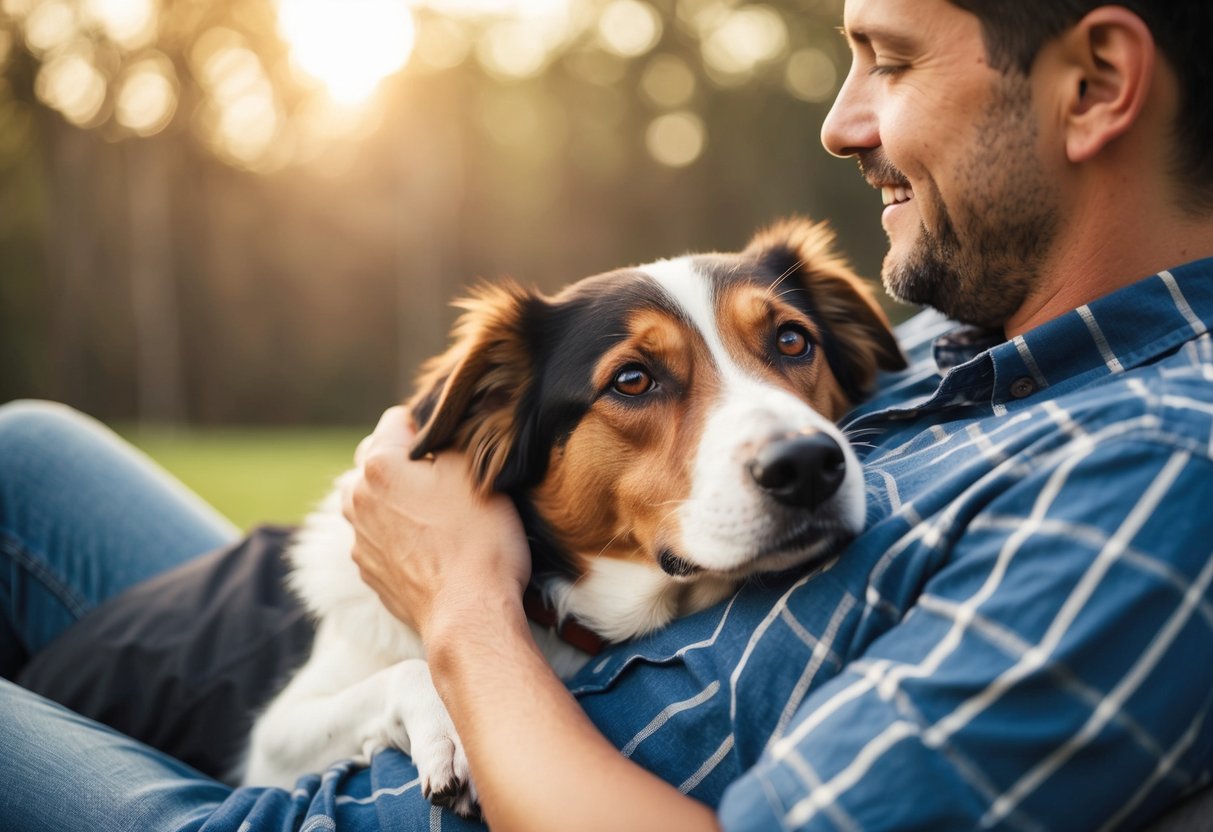
Time matters when you ask, **why do dogs get attached to one person**? A dog often bonds most with the person who shares the most ordinary moments with them. Sitting nearby, going on walks, playing, training, and resting together all add up.
This can happen even when another family member provides more food or buys more toys. Dogs do not judge a relationship by one task. They respond to the full pattern of daily interaction.
For example, one person may work from home while another works long hours outside the home. The dog may naturally become more connected to the person who is around during the day.
- ✦ More shared moments
More time together gives dogs more chances to form positive memories with one person.
- ✦ Quiet companionship
Even calm time on the couch can strengthen a dog’s sense of connection.
- ✦ Regular activities
Walks, training, meals, and play can create a strong daily bond.
2. That Person Makes the Dog Feel Safe
Safety is a major part of the answer to **why do dogs get attached to one person**. Dogs often seek out people who are calm, gentle, and predictable. When a dog learns that someone responds kindly when they are scared, that person can become a trusted safe place.
This can be easy to see during storms, fireworks, vet visits, or other stressful events. A dog may move toward its favorite person for comfort. The behavior is not random. The dog has learned that staying near this person can help them feel more secure.

- ✦ Calm behavior
A calm person can be easier for a worried dog to approach and trust.
- ✦ Gentle handling
Kind handling during grooming, training, and care can support a strong bond.
- ✦ Reliable responses
Predictable reactions help dogs understand what to expect from a person.
Attachment Can Grow During Stress
A dog may become especially close to someone after that person helps during a hard period. A new home, illness in the household, travel, or a major change in routine can make a trusted human even more important.
- ✦ Comfort
A trusted person may become the dog’s main source of comfort during stressful events.
- ✦ Predictability
Stable routines can help reduce uncertainty and support trust.
3. Dogs Can Have Different Personal Preferences
Every dog has its own personality. Some dogs love active play and may prefer the person who runs, hikes, or plays fetch with them. Other dogs want quiet contact and may choose the person who sits beside them and gives gentle attention.
Breed traits can also shape behavior, but they do not decide which person a dog will choose. Individual history, socialization, genetics, age, and past experiences all matter.
This is another reason **why do dogs get attached to one person** does not have one answer for every dog. Two dogs in the same home can form very different relationships with the same family members.
- ✦ Energy level
Active dogs may enjoy people who offer lots of movement and play.
- ✦ Touch preference
Some dogs seek cuddles, while others prefer being close without much handling.
- ✦ Personality match
A dog’s natural style may fit one person’s way of interacting more closely.
4. Food, Play, and Training Can Strengthen the Bond
Positive experiences can make a relationship stronger. When a person gives a dog a meal, plays a fun game, teaches a new cue, or offers praise, the dog may learn that being near that person leads to good things.
Training is especially useful because it creates two-way communication. The dog learns what the person wants, while the person learns how the dog responds. Short, reward-based sessions can build trust without making the dog feel pressured.
This does not mean you should try to buy your dog’s affection with treats. **The quality and consistency of interaction matter more than simply giving more food.**
- ✦ Play
Games can create fun shared experiences and encourage social connection.
- ✦ Training
Reward-based training can improve communication and help build trust.
- ✦ Meals
Regular feeding can add to a bond, especially when paired with calm and positive care.
- ✦ Praise
Warm praise can reinforce behaviors that bring a dog and person together.
5. Puppies May Form Strong Early Bonds
Early life can shape how dogs respond to people later. Puppies need safe and positive social experiences during their development. Gentle contact with different people can help them learn that many humans are safe and predictable.
If a puppy spends most of its early time with one person, it may naturally become especially close to that person. This does not mean the puppy cannot bond with others. With positive interaction, the puppy can build healthy relationships with several people.
Early socialization should be calm and age-appropriate. Too much pressure can have the opposite effect and make a puppy worried rather than confident.
- ✦ Safe exposure
Let puppies meet different people in calm, positive settings.
- ✦ Gentle handling
Short and pleasant handling sessions can help puppies feel comfortable with people.
- ✦ Positive rewards
Treats, praise, and play can make new social experiences more enjoyable.
6. A Dog’s Favorite Person Can Change
A dog’s preferred person is not always fixed for life. Changes in work schedules, family routines, health, living arrangements, or daily activities can change who spends the most time with the dog.
A dog may also become more attached to someone during a certain stage of life. An older dog may seek out the person who provides more gentle care. A young dog may favor the person who offers more play and exercise.
So if you are asking **why do dogs get attached to one person**, remember that attachment can shift. A strong bond today does not prevent a dog from forming another close bond tomorrow.

- ✦ New routine
A change in who walks or cares for the dog can affect attachment over time.
- ✦ Life stage
A dog’s needs may change with age, which can affect its preferred companion.
- ✦ Family changes
Moving, travel, new work hours, or a new household member can change social patterns.
Do Dogs Replace Their Favorite Person?
Dogs can form more than one strong bond. If a favorite person is away, the dog may grow closer to another family member who provides steady care and comfort. This does not erase the earlier relationship.
- ✦ Multiple bonds
Healthy dogs can form close relationships with several people.
- ✦ Adaptation
Dogs can adjust to new routines and build trust with new caregivers.
7. Strong Attachment Is Not Always a Problem
Following you around the house does not automatically mean your dog has a behavior problem. Many dogs simply enjoy being near the person they trust. A dog can have a strong attachment and still relax alone, play independently, and spend time with other people.
The key question is how your dog behaves when you are not available. A healthy bond allows some independence. A dog that becomes highly distressed every time its favorite person leaves may need more support.
- ✦ Usually normal
Following, greeting, resting nearby, and seeking attention can all be normal social behaviors.
- ✦ Watch for distress
Panic, destructive behavior, nonstop vocalizing, or escape attempts when alone can be signs of a deeper problem.
- ✦ Build independence
Reward calm alone time and provide safe activities that your dog can enjoy without constant human contact.
When Attachment May Point to Separation Anxiety
Separation anxiety involves more than wanting to stay close. Affected dogs may show intense distress when a person leaves or when they expect to be left alone. Signs can include repeated barking or whining, destruction, house-soiling, pacing, or attempts to escape.
If these signs are severe or new, talk with a veterinarian or qualified behavior professional. Sudden behavior changes can have medical or emotional causes, so it is worth finding the reason instead of assuming the dog is simply being clingy.
- ✦ Look for patterns
Notice whether distress happens mainly when the preferred person leaves or when the dog is left alone.
- ✦ Use gradual practice
Short, calm periods apart may help some dogs learn that being alone is safe.
- ✦ Get professional help
Severe distress deserves guidance from a veterinarian or qualified behavior professional.
8. How to Help Your Dog Bond With the Whole Family
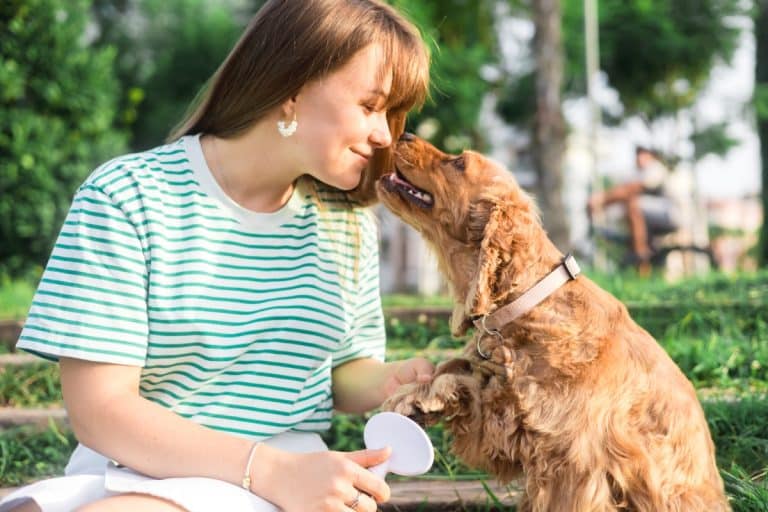
If your dog only wants one person, you can help build wider family bonds. The goal is not to force the dog to ignore its favorite person. Instead, make other family members a safe and rewarding part of the dog’s daily life.
Each person can take part in simple activities. One family member can handle a walk, another can offer a short training session, and another can play a favorite game. Over time, these shared experiences can help the dog feel comfortable with everyone.
Let the dog choose its pace. Do not force hugs, close contact, or interaction. **Trust grows faster when the dog can approach people by choice.**
- ✦ Share walks
Let different family members take turns on calm, enjoyable walks.
- ✦ Share training
Use the same simple cues and reward-based methods so the dog gets clear signals from everyone.
- ✦ Share play
Find games the dog enjoys and let different people take part.
- ✦ Respect boundaries
Allow the dog to move away when it wants space and avoid forcing physical contact.
- ✦ Keep routines steady
Predictable care can help the dog learn that every trusted person is reliable.
9. Why Does My Dog Follow Me Everywhere?
Following is one of the most common signs that makes owners search for **why do dogs get attached to one person**. Your dog may follow you because you are interesting, predictable, rewarding, or comforting. In some cases, your dog has simply learned that good things happen when it stays close.
Following can also become stronger when a dog feels bored, worried, or unsure. Look at the whole picture. A relaxed dog that follows you and then naps nearby is very different from a dog that becomes frantic whenever you move toward the door.
If the behavior suddenly becomes much stronger, consider what changed. A new schedule, a move, a stressful event, pain, illness, or another change can affect behavior.
- ✦ Curiosity
Dogs often follow people because they want to know what is happening next.
- ✦ Reward history
If staying close often leads to food, play, walks, or attention, the dog may keep doing it.
- ✦ Comfort
A dog may stay close when it feels uncertain or wants reassurance.
Signs Your Dog Has a Strong Bond With You
A strong bond is more than a dog sitting in your lap. Dogs show connection in many ways. Some are obvious, while others are quiet and easy to miss.
Your dog may choose to rest near you, check in with you during walks, bring you toys, or seek you out after something surprising happens. These behaviors can show that your dog sees you as an important social partner.

- ✦ Chooses to stay near you
Your dog often rests or relaxes close to you when it has other places to go.
- ✦ Checks in with you
Your dog looks toward you during new or exciting situations.
- ✦ Seeks comfort
Your dog may come to you when it feels unsure, tired, or stressed.
- ✦ Enjoys shared activities
Your dog becomes engaged when you offer play, training, walks, or other familiar activities.
- ✦ Relaxes around you
A dog that can settle and rest near you may feel comfortable in your presence.
How to Build a Stronger Bond With Your Dog
You do not need to become your dog’s only favorite person to have a close relationship. Good bonds come from trust and clear communication. Focus on activities your dog enjoys and keep your interactions calm and consistent.
Small daily habits can make a real difference. A few minutes of reward-based training, a sniffing walk, gentle play, or quiet time together can create positive experiences without taking much time.
If you are still wondering **why do dogs get attached to one person**, remember that attachment is built through many small moments. The best way to strengthen your bond is to become a reliable source of safety, fun, and care.
- ✦ Use positive training
Reward the behaviors you want and avoid harsh methods that can reduce trust.
- ✦ Give your dog choices
Let your dog choose whether to approach, play, rest, or move away.
- ✦ Take quality walks
Allow safe sniffing and exploration instead of rushing every walk.
- ✦ Play together
Use games that match your dog’s age, size, health, and interests.
- ✦ Stay predictable
Consistent rules and routines help dogs know what to expect.
Avoid Trying to Force Affection
A close bond cannot be forced. If your dog moves away from a person, give the dog space and try again later with a calm activity. Letting the dog control the pace can help create trust.
- ✦ Give space
Allow your dog to step away when it does not want touch or attention.
- ✦ Reward approach
When your dog chooses to come closer, make the interaction calm and positive.
When to Talk to a Veterinarian or Behavior Professional
Most one-person attachments are normal. However, a sudden change in attachment deserves attention. If a dog that was once independent becomes extremely clingy, fearful, restless, or distressed, look for other changes in behavior as well.
Pain and illness can sometimes change how a dog acts. If the behavior is sudden, severe, or paired with other signs of illness, a veterinarian can help rule out a medical cause. For serious anxiety or behavior problems, a qualified behavior professional can help create a safe plan.
- ✦ Sudden clinginess
A sharp increase in attachment without an obvious reason can be worth discussing with a veterinarian.
- ✦ Severe distress
Panic, escape attempts, or destructive behavior when alone should not be ignored.
- ✦ Other behavior changes
Changes in appetite, sleep, movement, bathroom habits, or mood can add important clues.
- ✦ Persistent fear
Ongoing fear around people or normal household events may need professional support.