Why Do Dogs Nibble When Excited: Meaning Explained
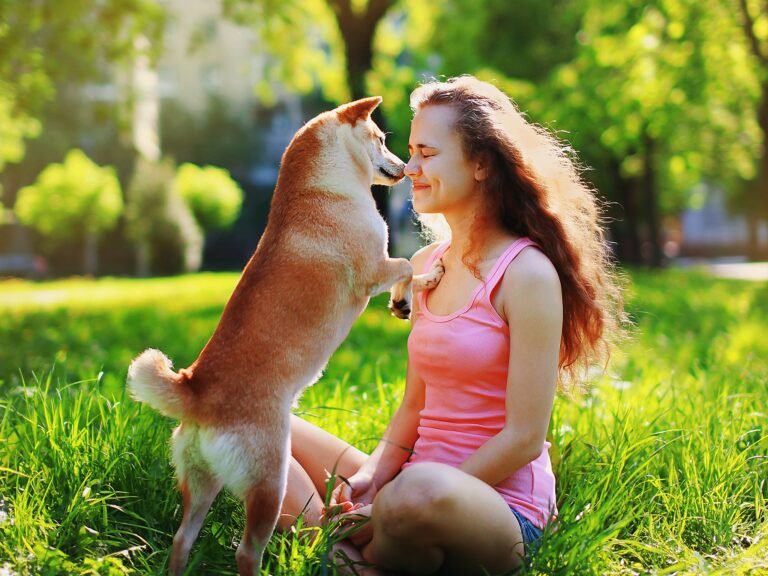
In U.S. homes, many dogs nibble at hands, sleeves, or arms when family members come home, guests arrive, or play begins. This behavior often means the dog is excited and trying to interact—not that the dog wants to hurt anyone. Still, even gentle nibbling can frighten a child, damage clothing, or grow into a harder bite if people reward it by giving attention.
Dogs may nibble because of play, teething, learned attention-seeking, stress, breed traits, or poor impulse control. The best response is to read the dog’s body language, prevent practice, and reward a calm behavior such as sitting or touching a toy.

What Does Nibbling Mean in Dogs?
Dog nibbling is usually a form of mouthing. Mouthing means using the mouth to touch, hold, or explore a person or object without a clear intent to cause harm. A soft nibble during a burst of excitement is different from a fast, hard bite paired with fear or aggression.
The meaning depends on the whole situation, not just the teeth. Look at:
- The dog’s body posture
- Ear and tail position
- Facial expression
- Muscle tension
- Speed and force of the contact
- What happened just before the nibble
- Whether the dog can stop when asked
A loose body, wiggly movement, open mouth, playful bow, and soft contact often point to social excitement. A stiff body, fixed stare, closed mouth, growl, lip lift, or repeated hard bites needs more caution.
Nibbling can also become a learned habit. If a dog nibbles and receives petting, eye contact, laughter, play, or a chase, the dog may learn that mouthing works. The dog may not understand that the attention was meant as correction.
Nibbling, mouthing, and biting are not identical
These terms describe different levels of contact:
| Behavior | Common features | Likely concern |
|---|---|---|
| Gentle mouthing | Soft contact, little pressure, loose body | Usually low, but still needs guidance |
| Excited nibbling | Quick small nips during greetings or play | Can become a habit |
| Teething behavior | Chewing hands, clothes, or objects | Common in puppies |
| Warning snap | Fast movement with tension or a warning signal | Needs careful management |
| Hard bite | Skin puncture, bruising, or strong pressure | Requires safety planning and professional help |
No single sign proves why a dog is nibbling. Context matters. A dog can look playful and still be too aroused to control its mouth safely.
Why Do Dogs Nibble When Excited?
Dogs nibble when excited because high arousal can reduce self-control and increase the urge to use the mouth. Dogs do not have hands, so they often use their mouths to start play, seek contact, move objects, or communicate.
1. The dog is trying to start play
Many dogs use their mouths during play. A dog may grab a sleeve, tap a hand with its teeth, or give quick nips when a person reaches for a toy.
This behavior can be normal dog-to-dog communication. However, human skin is more sensitive than a dog’s coat. A behavior that is harmless with another dog may hurt a person.
2. The dog wants attention
nibbling often works from the dog’s point of view. People may speak, push the dog away, laugh, or make eye contact. Even negative attention can reward the behavior.
A dog that nibbles during greetings may be saying, “Notice me,” rather than showing aggression. The solution is not to give the nibble a strong reaction. Instead, teach the dog that calm behavior earns attention.
3. The dog is overexcited
Excitement is not always happy energy. A dog can become over-aroused during:
- Door greetings
- Rough play
- Fast movement
- Loud celebrations
- Visits from children
- Trips to busy places
- Leash frustration
- Anticipation of food or walks
When arousal rises, a dog may jump, spin, bark, run, and nibble. The dog may know a cue such as “sit” but be too excited to respond.
4. The dog is teething
Puppies explore with their mouths. During teething, chewing may also help relieve gum discomfort. The American Veterinary Medical Association notes that puppies commonly chew as they explore and develop their teeth.
Puppy nibbling is common, but it still needs a clear response. If people allow a puppy to chew hands because the puppy is small, the habit may continue after the dog grows.
5. The dog has learned that hands are toys
Wrestling with a puppy, wiggling fingers, or letting a dog chase hands can teach the dog to target human skin. Fast hand movement may also trigger a chase response.
Use toys for tug and fetch. Keep hands still when the dog moves toward them. Then redirect the dog to an appropriate toy.
6. The dog is trying to manage stress
Some dogs nibble when they feel unsure, trapped, or overwhelmed. Excitement and stress can look similar. A dog at a crowded U.S. holiday gathering may nip because the noise and close contact are too much.
Stress signals may include:
- Lip licking
- Yawning outside a sleep setting
- Turning the head away
- Whale eye, where the white of the eye shows
- Tucked tail
- Crouching
- Pacing
- Hiding
- Sudden scratching or shaking off
If stress may be involved, create distance and reduce stimulation. Do not force the dog to greet people.
7. Breed traits may play a role
Some dogs were bred to control movement. Herding breeds may nip at heels or ankles, especially when people run. Terriers and other working dogs may also have strong chase or grab instincts.
Breed traits can influence the behavior, but they do not determine a dog’s future. Training, exercise, enrichment, age, health, and past learning also matter.

How Can You Tell If Excited Nibbling Is Playful or Aggressive?
You cannot judge a dog’s intent from nibbling alone. The safest approach is to assess body language, pressure, triggers, and recovery.
Signs that often suggest playful excitement
These signs may point to play or social excitement:
- Loose, wiggly body
- Play bow
- Relaxed, open mouth
- Bouncy movement
- Brief nips followed by an attempt to play
- Ability to pause or disengage
- No guarding of space or objects
- Quick return to a relaxed state
These signs do not make the behavior acceptable. They only help explain the likely cause.
Signs that need more caution
Take the behavior seriously if the dog:
- Becomes stiff or still
- Shows a hard stare
- Growls with a tense body
- Raises the lips
- Snaps repeatedly
- Bites harder when a person stops
- Guards food, toys, furniture, or a person
- Chases and bites moving children
- Breaks skin or leaves bruises
- Cannot calm down after the trigger ends
Fear-based behavior may look sudden. A frightened dog may bite when someone reaches over it, grabs its collar, removes an object, or blocks its escape.
Record the pattern
For several days, write down:
- Who was present?
- What happened before the nibble?
- Where did contact occur?
- How hard was the contact?
- What did people do next?
- How long did the dog take to calm down?
This simple record can reveal a pattern. For example, a dog may nibble only when children run, when a person returns from work, or when play lasts too long.
How to Stop a Dog From Nibbling When Excited
The most effective plan combines prevention, calm responses, redirection, and reward-based training. The goal is not only to stop the nibble. The goal is to teach what the dog should do instead.
1. Prevent the behavior before excitement peaks
Watch for early signs such as faster movement, jumping, barking, or intense staring. End the interaction before the dog begins to nibble.
Useful steps include:
- Keep a toy near common greeting areas.
- Use a baby gate during busy visits.
- Ask guests to ignore the dog at first.
- Keep children away during high-energy greetings.
- Give the dog a quiet space with water and a safe chew.
- Avoid games that involve chasing hands or clothing.
Prevention matters because every successful nibble can strengthen the habit.
2. Stay still and remove attention
When teeth touch skin or clothing, avoid yelling, pushing, or waving your hands. Those actions can increase excitement or turn the moment into a game.
Instead:
- Freeze your hands.
- Turn your body slightly away.
- Say little or nothing.
- Wait for the dog to pause.
- Offer a toy or ask for a known calm behavior.
- Reward the calm choice.
If the dog continues, calmly step behind a gate or leave the room for a short pause. This removes access to attention without using fear or force.
3. Teach an alternative behavior
A dog needs a behavior that can replace nibbling. Good options include:
- Sit for greetings
- Four paws on the floor
- Touch a hand with the nose
- Go to a mat
- Hold a toy
- Look at the handler
- Find treats on the floor
Practice when the dog is calm. Then slowly add mild distractions. Reward before the dog becomes too excited.
For example, ask for a sit before opening the door. If the dog stays calm, the door opens. If the dog jumps and nibbles, the door closes and the person waits. The dog learns that calm behavior makes the greeting happen.
4. Use toys for mouth-based play
Keep play objects longer than your hands, such as a tug toy or fleece toy. Move the toy away from the body rather than pulling it across the dog’s face.
If the dog grabs skin, stop the game. Resume only when the dog chooses the toy. Do not jerk the toy away if doing so causes more grabbing or guarding.
5. Reward calm greetings
Ask family members to enter quietly. They should avoid excited voices, fast movements, and immediate petting.
Reward the dog for:
- Standing calmly
- Sitting
- Looking away from the person
- Keeping its mouth off clothing
- Going to a mat
- Choosing a toy
The reward may be a treat, praise, petting, access to the visitor, or a short play session. Use what the dog values most.
6. Add rest and mental activity
A tired dog may still nibble if the real cause is poor impulse control. Exercise alone does not solve every behavior problem.
Offer a balanced routine with:
- Age-appropriate walks
- Sniffing time
- Food puzzles
- Short training sessions
- Chew items suited to the dog
- Quiet rest
- Predictable sleep
Puppies often become mouthier when overtired. A quiet nap may help more than another exciting game.
7. Avoid punishment-based corrections
Do not hit, hold the mouth shut, alpha-roll, yell at, or physically intimidate the dog. The American Veterinary Society of Animal Behavior recommends reward-based training and warns that aversive methods can harm welfare and may increase fear or aggression.
Punishment may stop a sound or movement in the moment while leaving the cause unchanged. A dog may also learn that people near its mouth are threatening.

What Should You Do If a Dog Nibbles a Child?
Separate the dog and child calmly if teeth touch skin. Children may squeal, run, wave their hands, or push the dog, which can increase chasing and mouthing.
Teach children to:
- Stand still like a tree
- Keep hands near the chest
- Avoid running from the dog
- Avoid hugging or climbing on the dog
- Call an adult
- Leave the dog alone while it eats, sleeps, or chews
Adults should supervise every interaction between a dog and a young child. Supervision means actively watching, not simply being in the same room.
A dog that targets ankles, sleeves, or hands during movement should not have free access to running children. Use gates, a leash held by an adult, or a separate room while you work on training.
When Is Excited Nibbling a Serious Problem?
Contact a veterinarian or qualified behavior professional when the behavior is new, worsening, painful, or hard to control. A sudden change can be linked to pain, illness, sensory loss, medication effects, or another medical issue.
Seek professional help if:
- The dog breaks skin
- The dog leaves bruises
- Bites happen without clear excitement
- The dog becomes stiff or threatening
- The dog guards food or objects
- The behavior targets children
- The dog cannot disengage
- Training has not improved the pattern
- A person in the home feels afraid
A veterinarian can check for medical causes and refer you to a veterinary behaviorist when appropriate. In the United States, a board-certified veterinary behaviorist is identified as a DACVB. A certified professional dog trainer with experience in aggression and humane methods may also help.
If a bite breaks the skin, wash the area with soap and running water and seek medical advice. Ask your local health department or animal control agency about U.S. reporting, rabies-vaccination, and observation rules. Requirements vary by state and local jurisdiction.

Common Mistakes That Can Make Nibbling Worse
Several well-meant responses can reinforce or increase the behavior.
Pushing the dog away
Pushing uses your hands and may feel like play. It can also frustrate a dog that already wants physical interaction.
Repeating “no” without teaching an alternative
A verbal correction does not tell the dog what to do with its mouth. Pair limits with a clear replacement, such as holding a toy or sitting.
Allowing the behavior sometimes
If nibbling works during one greeting but not another, the dog may try harder. Everyone in the home should follow the same basic plan.
Giving a toy too late
A toy works best before the dog reaches peak excitement. Watch for early signals and redirect at once.
Using a muzzle without professional guidance
A muzzle can help prevent injury in specific cases, but it does not teach calm behavior. A poorly fitted or badly introduced muzzle can create fear. Ask a veterinarian or qualified behavior professional for help.
Frequently Asked Questions
Do dogs nibble because they love you?
Sometimes a dog nibbles during friendly social contact, but nibbling is not a reliable sign of love. It may also reflect play, attention-seeking, teething, stress, or excitement. Read the dog’s full body language and the situation.
Why does my dog nibble me but not other people?
Your dog may have learned that you play with hands, give attention, move quickly, or respond in a rewarding way. Your clothing, routine, smell, or greeting style may also be different. Ask every person in the home to use the same calm response.
Why does my puppy bite me when excited?
Puppies use their mouths to explore, play, and chew while teething. Excitement makes control harder. Give the puppy regular rest, use toys for play, stop attention when teeth touch skin, and reward calm behavior.
Should I let my dog nibble gently?
It is usually safer to discourage teeth on human skin, even when the contact is gentle. A small dog may later become larger, stronger, or less careful. Teaching “teeth stay off people” creates a clearer rule.
Can anxiety cause a dog to nibble?
Yes. Some dogs nibble when they feel worried, trapped, or overwhelmed. Look for stress signals and remove the dog from the trigger. If the behavior includes fear, stiffness, snapping, or bites, seek professional guidance.
Conclusion: Teach Calm Contact Instead of Nibbling
Dogs often nibble when excited because they are trying to play, gain attention, explore, or release high arousal. Puppies may also be teething, while some adult dogs have learned that mouthing brings a reaction.
Treat the behavior as information, not a reason to punish the dog. Prevent high-risk situations, keep hands still, redirect to a toy, and reward calm choices. If the dog bites hard, breaks skin, shows fear or stiffness, or targets children, involve a veterinarian and a qualified behavior professional.
The next practical step is to identify the trigger, prepare a toy or barrier before excitement starts, and reward the first calm behavior you see.