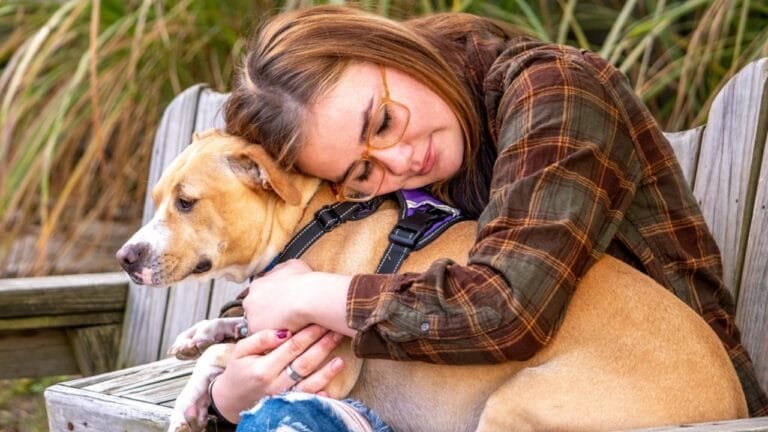
Why Does My Dog Cry For Attention: Causes And Solutions
For dog owners in the United States, a dog crying, whining, or pawing for attention can feel hard to ignore—especially in a busy home, apartment, or family setting. Most often, the behavior has been rewarded in some way, but crying can also signal pain, fear, anxiety, hunger, or another health problem.
The best response depends on when the crying happens, what your dog does next, and whether the behavior started suddenly. This guide explains the common causes, how to rule out medical issues, and how to teach your dog a calmer way to ask for attention.

The Short Answer: Your Dog May Cry Because It Works
Dogs repeat behaviors that lead to useful results. If crying brings petting, eye contact, food, play, a walk, or access to a person, your dog may learn that vocalizing is an effective way to communicate.
This does not mean your dog is being manipulative or “bad.” Whining is a normal form of canine communication. The problem begins when the behavior becomes frequent, intense, or linked to an unmet physical or emotional need.
Common reasons include:
- Your dog wants petting, play, or social contact.
- Your dog needs to go outside.
- Your dog is hungry, thirsty, bored, or under-exercised.
- Your dog feels anxious, afraid, or lonely.
- Your dog has learned that crying gets a response.
- Your dog is in pain or feels unwell.
- Your dog is aging and experiencing confusion or sensory loss.
The key question is not only, “Why is my dog crying?” Ask instead: “What happens after my dog cries?” That answer often reveals what keeps the habit going.

How to Tell Attention-Seeking Crying From a Medical Problem
Crying that begins suddenly, changes in intensity, or occurs with other symptoms should be treated as a possible health concern—not simply an attention habit.
Dogs may vocalize when they have pain, nausea, breathing trouble, urinary problems, digestive illness, or age-related changes. Some dogs hide pain, so even a small behavior change can matter.
Signs that may point to illness or pain
Contact your veterinarian if crying occurs with:
- Limping, stiffness, trembling, or trouble standing
- Repeated licking of one body area
- Vomiting, diarrhea, coughing, or heavy panting
- Loss of appetite or unusual thirst
- Straining to urinate or defecate
- A swollen or painful-looking abdomen
- Restlessness, hiding, or reluctance to be touched
- Sudden confusion or unusual nighttime vocalizing
- A major change in sleep, energy, or behavior
Seek urgent veterinary care for trouble breathing, collapse, seizures, severe pain, repeated vomiting, a swollen abdomen with retching, suspected poisoning, or inability to urinate.
Do not give your dog human pain medicine unless a veterinarian specifically tells you to. Drugs such as ibuprofen, naproxen, and acetaminophen can harm dogs.
If your dog appears healthy and the crying follows a predictable pattern—such as when you sit down to work—it is more likely to involve learned behavior, boredom, or a need for interaction. Still, a veterinarian should assess persistent or new vocalization, especially in puppies, senior dogs, and dogs with chronic conditions.

Common Reasons Dogs Cry for Attention
1. Your dog wants social contact
Dogs are social animals. A dog may cry when you stop petting them, talk on the phone, work at a desk, or focus on another person.
This often happens in dogs that receive attention immediately after whining. Even saying “quiet” can reinforce the behavior because your dog still receives eye contact and conversation.
2. Your dog is bored
A dog with too little mental or physical activity may create its own entertainment. Crying, pacing, nudging, barking, and stealing objects can all follow boredom.
Exercise needs vary by age, breed, health, and temperament. A short walk may help one dog but leave another dog ready for more activity. Mental work also matters. Sniff walks, food puzzles, short training sessions, and safe chewing activities can reduce idle time.
3. Your dog needs something practical
Crying may mean your dog needs to:
- Go outside
- Drink water
- Eat at a normal meal time
- Move away from heat, cold, noise, or another pet
- Reach a toy or resting place
- Get help with a collar, crate, or physical discomfort
Check these basic needs before treating the vocalization as a training issue.
4. Your dog feels anxious or afraid
Fear-based crying may occur during thunderstorms, fireworks, car rides, visits, construction noise, or separation from family members.
Look for related signs such as panting, trembling, drooling, pacing, hiding, escape attempts, pinned-back ears, or a tucked tail. A frightened dog needs support and a behavior plan. Punishment can increase fear and may worsen the response.
5. Your dog has learned a strong habit
Suppose your dog cries when you prepare dinner. You give a piece of food to make the crying stop. From your dog’s point of view, crying worked.
If this pattern repeats, the behavior may become stronger. When people later stop rewarding it, the dog may cry more intensely for a short time. This temporary increase is called an extinction burst. It can make owners give in, which teaches the dog to cry even harder next time.
6. Your dog is aging
Older dogs may vocalize more because of pain, hearing or vision loss, anxiety, sleep changes, or canine cognitive dysfunction. Nighttime crying deserves special attention.
A senior dog with new vocalization should receive a veterinary checkup. Do not assume the change is “just old age.”
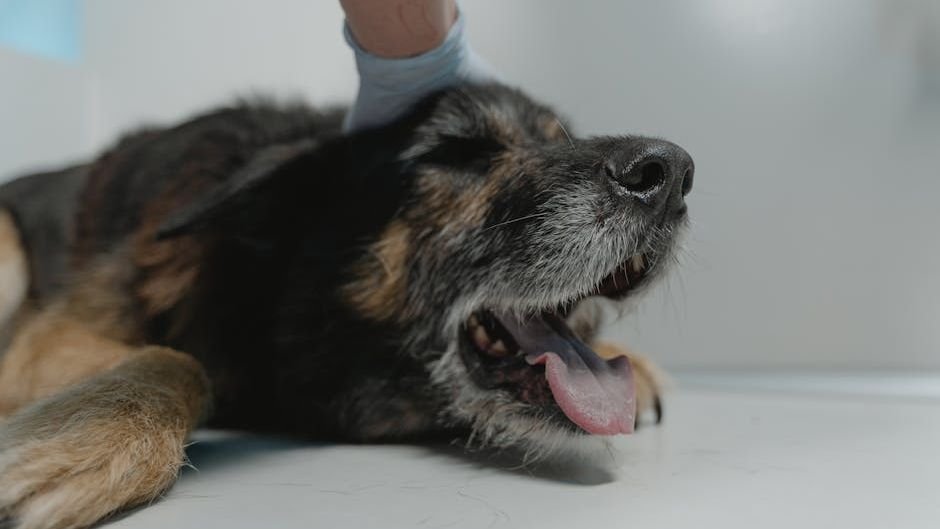
What to Do When Your Dog Cries for Attention
Use a calm, consistent plan. The goal is not to ignore every sound. The goal is to meet real needs and reward a behavior that works better than crying.
Step 1: Check basic needs first
Before training, ask:
- Has your dog had a chance to urinate and defecate?
- Is fresh water available?
- Is the dog comfortable and free from obvious pain?
- Has the dog had suitable exercise and mental activity?
- Could noise, visitors, another animal, or confinement be causing stress?
If the answer to any question is no, fix that need first.
Step 2: Identify the trigger
Keep a simple record for several days. Note:
- Time of day
- What happened just before the crying
- Where your dog was
- What your dog did
- How you responded
- Whether the crying stopped
Patterns are useful. Crying before meals may involve food anticipation. Crying when you leave may suggest separation distress. Crying when touched may suggest pain.
Step 3: Stop rewarding the crying when it is safe to do so
If your dog is healthy, safe, and has no urgent need, avoid giving the desired reward while the dog is actively crying. Do not yell, lecture, stare, or push the dog away. These actions can still provide attention.
Wait for a brief pause. At first, one or two seconds of quiet may be enough. Then calmly provide attention, a toy, a treat, or access to the yard.
The timing matters: quiet should make good things happen; crying should not.
Step 4: Teach a replacement behavior
Give your dog another way to ask for what they want. Useful choices include:
- Sitting quietly
- Lying on a mat
- Touching your hand with the nose
- Bringing a toy
- Looking at you without vocalizing
- Ringing a bell for a potty break
For example, before petting your dog, wait for quiet and ask for a sit. Reward the sit with gentle attention. Over time, your dog learns that calm behavior starts the interaction.
Step 5: Reinforce calm behavior during the day
Do not wait for crying before giving attention. Offer brief, planned periods of play, training, petting, and exercise when your dog is already calm.
This teaches your dog that attention is predictable. It also reduces the need to demand it.
Step 6: Increase enrichment
Try activities that match your dog’s needs:
- Sniffing walks at a relaxed pace
- Short obedience sessions
- Food-stuffed toys or veterinarian-approved puzzles
- Hide-and-seek with toys
- Safe chew items
- Play with clear start and stop cues
- Rest practice on a mat or bed
Avoid suddenly adding intense exercise to a dog with a medical condition, excess weight, or joint problems. Ask your veterinarian for a suitable activity plan.

Why Ignoring Your Dog Can Make the Crying Worse
Ignoring can help only when the behavior is safe, understood, and not caused by fear or illness. If you ignore a dog that needs to urinate, is in pain, or is panicking, you may delay care and increase distress.
Even with attention-seeking behavior, ignoring alone is incomplete. Your dog needs to learn what to do instead.
A better sequence is:
- Check for a real need.
- Wait for a small pause if the dog is calm and safe.
- Reward the pause.
- Ask for a replacement behavior.
- Reward that behavior consistently.
Expect progress to take time. If several family members respond differently, the dog may continue testing each person. Agree on the same rules for meals, play, petting, and door access.
Never use shock, pain, intimidation, or harsh physical correction. The American Veterinary Society of Animal Behavior recommends reward-based training and warns that aversive methods can harm welfare and the human-animal bond.

How Long Does It Take to Stop Attention-Seeking Crying?
Some dogs improve within days when every household member responds consistently. Others need several weeks, especially if the behavior has been rewarded for a long time or occurs with anxiety.
Progress may look like:
- The crying starts later.
- The vocalization becomes shorter.
- Your dog pauses more often.
- Your dog offers a sit, mat behavior, or toy instead.
- Your dog settles without constant contact.
A brief increase in crying does not always mean the plan is failing. It may mean the old reward has stopped. However, if the dog becomes frantic, destructive, aggressive, or unable to settle, stop treating the issue as simple attention seeking and contact a veterinarian or qualified behavior professional.

What to Do if Your Dog Cries When You Leave
Crying only when you leave may signal separation-related distress rather than ordinary attention seeking.
Possible signs include:
- Vocalizing soon after departure
- Scratching doors or windows
- Chewing near exits
- Urinating or defecating only when alone
- Pacing, drooling, or trying to escape
- Following you closely before departure
- Extreme excitement or distress when you return
Do not punish damage that happened while you were away. Dogs do not connect delayed punishment with the earlier behavior, and punishment can increase anxiety.
Use a camera, when practical, to learn what happens after you leave. Begin with very short absences that remain below the dog’s panic point. Because separation anxiety can worsen with poorly planned practice, ask your veterinarian for guidance. A veterinary behaviorist or qualified reward-based behavior consultant may help create a gradual plan. Medication may be appropriate for some dogs, but only a veterinarian can prescribe and monitor it.

When to Contact a Veterinarian or Behavior Professional
Make a veterinary appointment when crying is new, persistent, worsening, or paired with physical or behavioral changes. A medical exam is especially important for senior dogs and dogs that cry at night.
Ask for behavior help when:
- You cannot identify the trigger.
- The dog panics when alone.
- The dog attempts to escape.
- The dog growls, snaps, or bites when distressed.
- The crying continues despite consistent training.
- Family members cannot safely follow the plan.
- The behavior affects sleep, work, or daily life.
A veterinarian can check for health causes and refer you to a veterinary behaviorist or another qualified professional. Look for professionals who use reward-based methods and can explain the plan clearly.

Common Mistakes That Keep the Crying Going
Giving attention after a long crying episode
If you respond after five minutes of crying, your dog may learn that persistence pays. Respond during planned calm moments instead.
Rewarding quiet only once
Dogs need many clear repetitions. If quiet earns attention sometimes but crying earns attention at other times, the behavior may continue.
Treating fear like disobedience
A fearful dog is not choosing anxiety. Reduce the trigger, provide safety, and seek professional help when needed.
Removing all attention
Dogs need social contact, play, exercise, and rest with their people. The goal is healthy structure, not emotional isolation.
Changing too much at once
Start with one trigger and one replacement behavior. Small, repeatable steps are easier for both you and your dog.

Quick Decision Guide
| What you observe | More likely explanation | Best first action |
|---|---|---|
| Crying when you stop petting | Learned attention seeking | Reward quiet and teach a calm request |
| Crying before meals | Food anticipation or routine | Use a mat behavior; feed on a consistent schedule |
| Crying at the door | Potty need or desire to go out | Check potty needs, then teach a door signal |
| Crying during storms | Fear or noise sensitivity | Create a safe space and contact your vet if severe |
| Crying only when alone | Separation-related distress | Record the behavior and seek veterinary guidance |
| Sudden crying with limping or appetite loss | Possible pain or illness | Contact a veterinarian |
| Nighttime crying in an older dog | Pain, cognitive change, or anxiety | Arrange a veterinary exam |
The table is a starting point, not a diagnosis. The same behavior can have different causes in different dogs.

FAQs About Dogs Crying for Attention
Should I comfort my dog when they cry?
Yes, if your dog is frightened, hurt, sick, or facing a real need. Comfort does not “reward” pain or fear in the same way it may reward a learned demand. First identify why the dog is crying.
Should I ignore my dog whining at night?
Check for bathroom needs, pain, illness, anxiety, temperature problems, and unsafe conditions first. If your dog is healthy and the issue is a learned demand, reward quiet rather than responding during active whining.
Why does my dog cry when I sit down?
Your dog may expect play, petting, food, or access to you. It may also be bored or unable to settle. Reward a calm mat behavior and schedule regular interaction before your dog starts crying.
Why does my dog cry after being fed?
The dog may still expect more food, may have learned that crying produces treats, or may have digestive discomfort. Avoid adding food simply to stop the noise. Contact your veterinarian if crying follows meals with vomiting, bloating, pain, or unusual restlessness.
Can a crate cause my dog to cry?
A crate can trigger crying if the dog needs to eliminate, has too much energy, feels trapped, or has not been taught to rest there. Never use a crate as a solution for panic without professional guidance. Build crate comfort gradually and ensure the space is safe and properly sized.

Conclusion
Your dog may cry for attention because crying has worked, but attention seeking is only one possible cause. Check for health problems and basic needs before changing the behavior. Then reward quiet moments, teach a clear replacement behavior, provide enough enrichment, and keep the plan consistent.
Start by tracking when the crying happens and what follows it. If the behavior is sudden, severe, linked to fear, or paired with physical symptoms, contact a veterinarian rather than relying on training alone.