Why Do Some Dogs Have Pointy Ears: The Science Explained
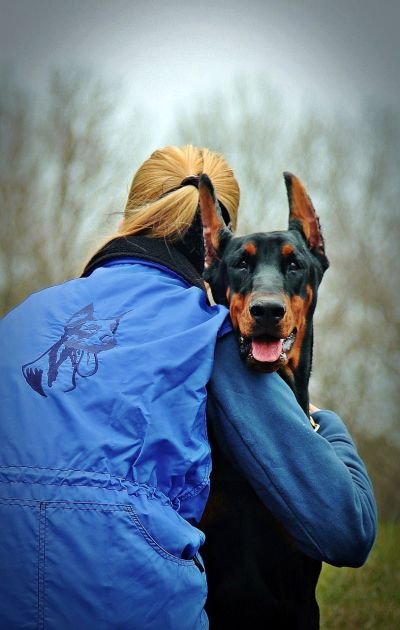
Some dogs have pointy ears because of their genes, ear shape, cartilage, and breeding history. An upright ear flap, called an erect pinna, has firm cartilage that holds it above the head. Many dog breeds inherited this trait through natural development or selective breeding.
Pointy ears can help a dog locate sounds and show alertness. But they do not always mean a dog hears better or behaves in a certain way.
Introduction: What Makes a Dog’s Ears Point Up?
A dog’s visible ear is called the pinna. It is made of skin, muscles, blood vessels, nerves, and flexible cartilage. The pinna collects sound and helps move it toward the ear canal.
In dogs with pointy ears, the cartilage is strong enough to keep the pinna upright. In dogs with floppy ears, the cartilage bends or folds. Breed genetics play the largest role, but age, health, injury, and development also matter.
Common pointy-eared dogs in the United States include:
- German Shepherd Dogs
- Siberian Huskies
- Alaskan Malamutes
- Australian Cattle Dogs
- Belgian Malinois
- Shiba Inus
- Chihuahua varieties
- Some mixed-breed dogs
Dogs may also have ears that are partly upright. Their ears may stand at the base but fold near the tip. This shape is common in many mixed-breed dogs.

How Did Dogs Develop Pointy Ears?
Pointy ears developed through inherited traits and human breeding choices. Early dogs likely had ear shapes that helped them survive and communicate. Later, people selected dogs for work, appearance, or both.
Genes control ear shape
A dog receives genes from both parents. These genes affect:
- Ear size
- Ear thickness
- Cartilage strength
- Ear muscle development
- The shape of the skull
- How high the ear attaches to the head
A puppy may inherit upright ears from one or both parents. Mixed-breed dogs can have many ear shapes because they carry genes from several breeds.
Research on dog body shape links ear position to changes in development that occurred during domestication. A well-known study by Charles Darwin also described how domesticated animals often show changes in ear shape. Modern research continues to examine the genes behind traits such as floppy ears and upright ears.
Selective breeding reinforced the trait
People bred dogs for jobs that rewarded certain body types. Herding and northern sled dogs often have upright ears. Examples include the Australian Cattle Dog, German Shepherd Dog, Siberian Husky, and Alaskan Malamute.
An upright ear can help a working dog detect sounds from different directions. It may also make alert body language easier to see. Still, breed history does not prove that every pointy-eared dog has better hearing.
The “wild look” is not the full explanation
Pointy ears can make a dog look more like a wolf or fox. That does not mean the dog is closer to a wild animal in behavior. Ear shape alone cannot predict prey drive, trainability, energy, or aggression.

Do Pointy Ears Help Dogs Hear Better?
Pointy ears may help a dog collect and direct sound, but ear shape is only one part of hearing. The middle ear, inner ear, brain, age, and overall health also matter.
A dog can move its pinnae toward a sound. The two ears receive the sound at slightly different times and volumes. The brain uses these differences to estimate where the sound came from.
Upright ears may improve sound direction
An erect pinna can act like a small sound guide. It may help direct sound into the ear canal. This can support sound localization, especially when the dog is alert and both ears can move freely.
However, this does not mean upright ears make a dog universally more sensitive. A dog with floppy ears can still hear well. Some floppy-eared breeds have excellent hearing and strong sound awareness.
Ear shape can also affect ear health
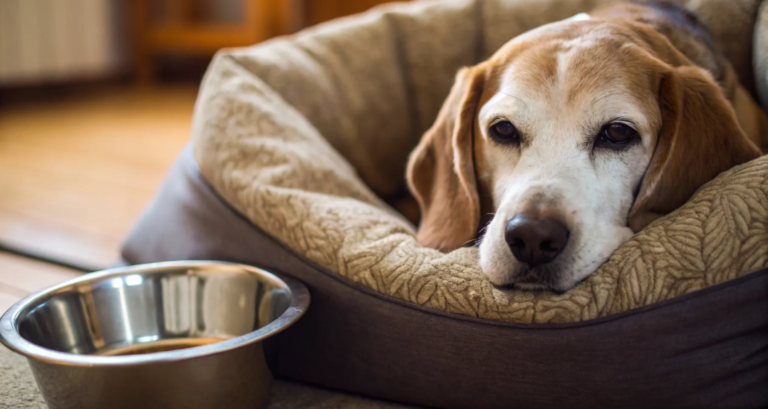
The outer ear shape may change airflow and moisture around the ear canal. Floppy ears can cover the opening and hold in warmth or moisture. This may increase the risk of ear infections in some dogs.
Pointy ears are not infection-proof. Allergies, parasites, yeast, bacteria, foreign objects, skin disease, and excess moisture can affect any dog.
The Merck Veterinary Manual describes ear disorders in dogs and lists signs such as odor, discharge, redness, pain, and head shaking.

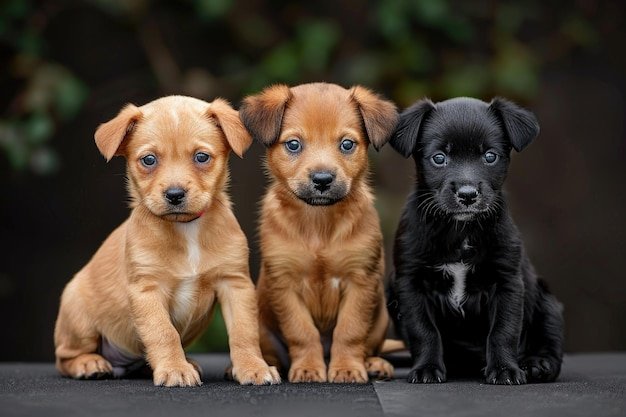
Why Do Puppies’ Ears Change Shape?
Puppies’ ears change because their cartilage and supporting muscles develop over time. Teething, growth, and inherited traits can affect when the ears rise.
A puppy may show this pattern:
- The ears begin to lift.
- One ear stands before the other.
- Both ears rise for a few days.
- The ears drop during growth or teething.
- The final shape develops as the puppy matures.
The exact timing varies by breed and by dog. German Shepherd puppies, for example, may have changing ear positions during early growth. Some dogs develop upright ears at a young age. Others keep soft or uneven ears for much longer.
One ear standing is often normal
An uneven ear position is common in puppies. One ear may have stronger cartilage or muscle support. The ears may even switch positions during growth.
Do not force a puppy’s ears upright without veterinary guidance. Home taping, supplements, or rigid supports can cause skin injury, pain, poor blood flow, or infection.
Adult ear changes need more attention
If an adult dog’s ear suddenly droops, check for a medical cause. Possible causes include:
- Ear infection
- Injury or bite
- Hematoma, which is a pocket of blood in the ear flap
- Pain
- Nerve problems
- A foreign object
- Severe skin irritation
Contact a veterinarian if the change is sudden or if it comes with head shaking, scratching, odor, swelling, discharge, pain, balance problems, or facial changes.

Which Dog Breeds Have Pointy Ears?
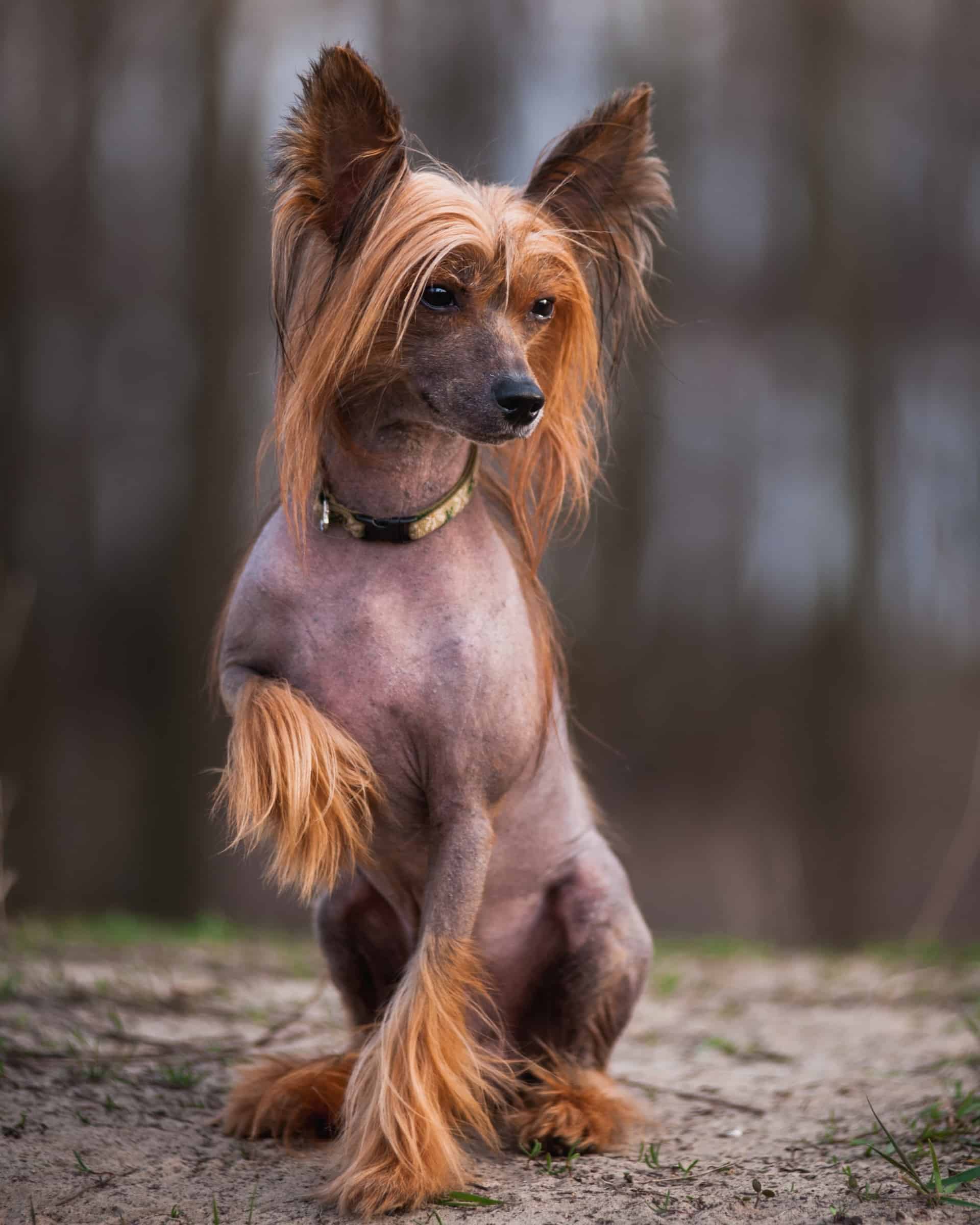
Many dog breeds have naturally upright ears. Their ears differ in size, angle, thickness, and mobility.
| Breed or group | Typical ear shape | Common original role |
|---|---|---|
| German Shepherd Dog | Large, upright ears | Herding and working |
| Siberian Husky | Medium, triangular, upright ears | Sled pulling and endurance work |
| Alaskan Malamute | Smaller upright ears | Freight hauling and cold-weather work |
| Australian Cattle Dog | Upright, alert ears | Cattle herding |
| Belgian Malinois | Upright, triangular ears | Herding and service work |
| Shiba Inu | Small, upright ears | Hunting and companion work |
| Chihuahua | Large ears that may stand upright | Companion dog |
| West Highland White Terrier | Small, pointed upright ears | Vermin control |
Breed standards describe the expected ear shape for many recognized breeds. The American Kennel Club breed standards provide breed-specific descriptions in the United States.
A mixed-breed dog may have pointed ears even if its parents have different shapes. Ear appearance can suggest ancestry, but it cannot identify a dog’s breed with certainty.
Natural ears and cropped ears are different
Some dogs have naturally upright ears. Other dogs may have ears altered through ear cropping, a surgical procedure that removes part of the ear flap and attempts to make it stand.
Cropping is not needed to make naturally pointy-eared breeds healthy. Rules and veterinary opinions differ by location. In the United States, state and local laws may also differ. The American Veterinary Medical Association opposes ear cropping and tail docking when done only for cosmetic reasons.

Can You Make a Dog’s Ears Pointy?
You should not try to change a dog’s ear shape at home. A dog’s natural ear position is mainly controlled by genetics and development.
Some breeders or owners tape puppy ears. This practice may cause skin damage or infection if done poorly. It may also create stress without changing the final result.
A veterinarian should examine any plan involving taping, cropping, supplements, or devices. There is no safe, proven home method that can make every dog’s ears stand.
Avoid unproven ear supplements
Calcium, minerals, and other supplements do not reliably make a dog’s ears upright. Extra calcium can cause health problems, especially in growing puppies. Feed a complete diet made for the dog’s life stage unless a veterinarian advises otherwise.
Avoid pulling or bending the ears
Repeated handling can hurt the cartilage and skin. Children should not play with a puppy’s ears. Gentle checks are enough for routine care.
The safest approach is simple: let the ears develop naturally, keep them clean and dry, and ask a veterinarian about any pain or sudden change.

Do Pointy-Eared Dogs Have Different Temperaments?
Ear shape does not determine a dog’s personality. Pointy-eared dogs can be calm, shy, playful, social, nervous, or highly active.
People may read upright ears as a sign of alertness. That body-language clue can be useful, but it must be read with the whole dog. Look at the tail, eyes, mouth, posture, movement, and situation.
For example:
- Ears forward may show attention or interest.
- Ears pinned back may show fear, stress, or appeasement.
- Relaxed ears may show calmness.
- Ears held high with a stiff body may signal tension.
A dog’s behavior is shaped by genetics, early socialization, training, health, and daily experience. Do not judge a dog as friendly or dangerous based only on its ears.

Pointy Ears vs. Floppy Ears: Key Differences
The main difference is the position and support of the pinna. Both ear types can be healthy and functional.
| Feature | Pointy ears | Floppy ears |
|---|---|---|
| Pinna position | Stands upright | Folds or hangs |
| Cartilage | Holds a firm shape | Bends more easily |
| Sound direction | May help direct sound | Can still support good hearing |
| Airflow near canal | Often more open | May be less open |
| Ear infection risk | Still possible | May be higher in some dogs |
| Personality prediction | Not reliable | Not reliable |
Ear shape should guide observation, not fear. Clean only the parts your veterinarian recommends. Never push cotton swabs deep into the ear canal.

When Should You Call a Veterinarian?
Call a veterinarian when an ear change looks painful, sudden, or severe. Early care can help prevent a small problem from becoming a deeper ear disease.
Seek veterinary advice for:
- Sudden drooping in one or both ears
- Strong odor
- Yellow, brown, bloody, or thick discharge
- Redness or swelling
- Frequent scratching
- Repeated head shaking
- Whining when the ear is touched
- Loss of balance
- Hearing changes
- A swollen or thickened ear flap
- A puppy that seems ill during ear development
Do not use leftover ear medicine. Some products can harm the eardrum if the eardrum is damaged. A veterinarian may need to inspect the ear canal and test a sample before choosing treatment.
Common Myths About Pointy Dog Ears
Myth: Pointy ears always mean better hearing
Not always. Upright ears may help with sound direction, but hearing ability depends on many body systems.
Myth: Floppy ears are unhealthy
Not by themselves. Floppy ears can be normal. Some dogs with them may need closer ear care because moisture and debris can remain near the canal.
Myth: Pointy ears prove a dog is part wolf
No. Ear shape can occur in many domestic breeds and mixed-breed dogs. It does not prove recent wolf ancestry.
Myth: A dog with upright ears is more aggressive
No. Ear position is not a reliable measure of aggression. Behavior depends on the individual dog and its circumstances.
Myth: You must tape every puppy’s ears
No. Many puppies develop naturally. Unnecessary taping can cause harm and should not replace veterinary advice.

Frequently Asked Questions
Why do some dogs have pointy ears while others have floppy ears?
Genes control cartilage strength, ear muscles, skull shape, and ear placement. Selective breeding made some ear shapes common in certain breeds.
Do dogs with pointy ears hear better than dogs with floppy ears?
Not necessarily. Upright ears may help with sound localization, but floppy-eared dogs can also hear well. Hearing loss depends on the ear and nervous system, not just the visible ear flap.
Why do my puppy’s ears go up and down?
Growth, teething, cartilage development, and normal muscle changes can make puppy ears shift position. Uneven ears are often normal during development.
Can a dog’s ears become pointy later in life?
A young dog’s ears may become more upright as cartilage develops. An adult dog is unlikely to change naturally from floppy to fully upright ears without an underlying reason or human alteration.
What does it mean if my dog’s pointy ear suddenly falls?
A sudden change may signal pain, infection, injury, swelling, or a nerve problem. Arrange a veterinary exam, especially if other signs appear.
Key Takeaways
- Pointy dog ears result mainly from inherited genes and firm cartilage.
- Selective breeding made upright ears common in many working and companion breeds.
- Upright ears may help a dog locate sounds, but they do not guarantee better hearing.
- Puppy ears can change during growth and teething.
- Do not tape, crop, bend, or supplement a dog’s ears without veterinary advice.
- A sudden change in an adult dog’s ear position deserves attention.
- Ear shape does not predict personality or aggression.
Conclusion
Some dogs have pointy ears because their genes shape strong ear cartilage and upright pinnae. Human breeding later reinforced this trait in many herding, hunting, sled, and companion breeds.
Pointy ears can help a dog direct and locate sound, but they are not a simple measure of hearing or temperament. Let puppy ears develop naturally, care for all ears gently, and contact a veterinarian when an ear becomes painful, swollen, smelly, or suddenly changes position.