Why Are Dogs Domesticated? How Wolves Became Our Closest Canine Companions
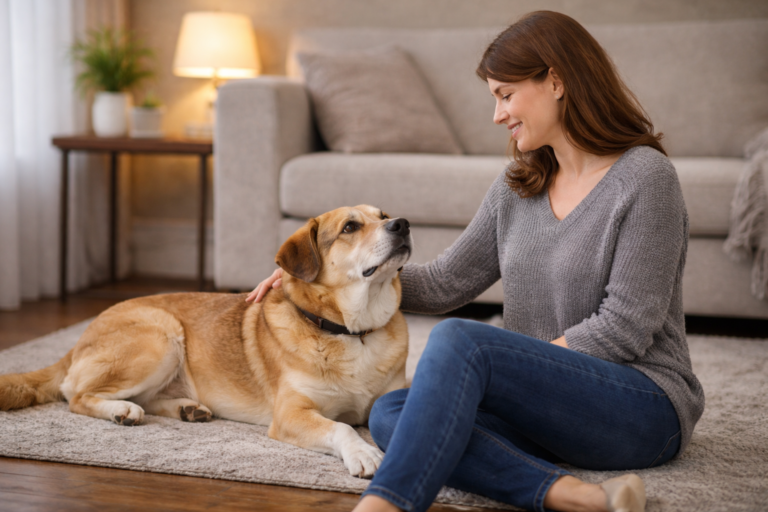
If you live with a dog in the United States, it is easy to forget how unusual that relationship is. A dog may sleep beside a family, follow people around the house, and respond to simple words. Yet its distant ancestors were wild canids that lived without human care. The story of how that change happened is one of the most important examples of animal domestication.
So, why are dogs domesticated? The answer is not that humans simply captured wolves and trained them. Dog domestication was likely a long process in which some ancient wolves became comfortable around human groups, found food near camps, and gradually developed traits that helped them live with people. Humans also gained useful partners for hunting, warning, protection, and companionship.
Modern genetic research shows that the history is more complex than the simple idea of a single wolf population becoming today’s dogs. Ancient wolf populations moved, mixed, and disappeared, while dog groups also moved with humans. Scientists continue to use ancient DNA, fossils, and archaeology to work out this history.

What Does Dog Domestication Mean?
Domestication means that a wild animal population changes over many generations as it lives and reproduces with humans. This is different from simply taming one wild animal. A person can tame a wolf, but that does not make wolves a domesticated species.
Dog domestication changed both dogs and humans. Dogs became better suited to human environments, while people gained animals that could live near them and respond to human signals. This close relationship grew over a very long period rather than from one single event.
The domestic dog is generally classified as Canis lupus familiaris. Modern dogs share ancestry with ancient wolves, but the exact ancient wolf populations that gave rise to dogs are no longer living in the same form.
- ✦ Taming
Taming changes the behavior of one wild animal through human contact. It does not change an entire population through generations.
- ✦ Domestication
Domestication is a population-level evolutionary process in which inherited traits become common because they help animals live with humans.
- ✦ Selective breeding
People later shaped dogs even more by choosing animals with useful or desired traits to reproduce.
Why Are Dogs Domesticated From Wolves?
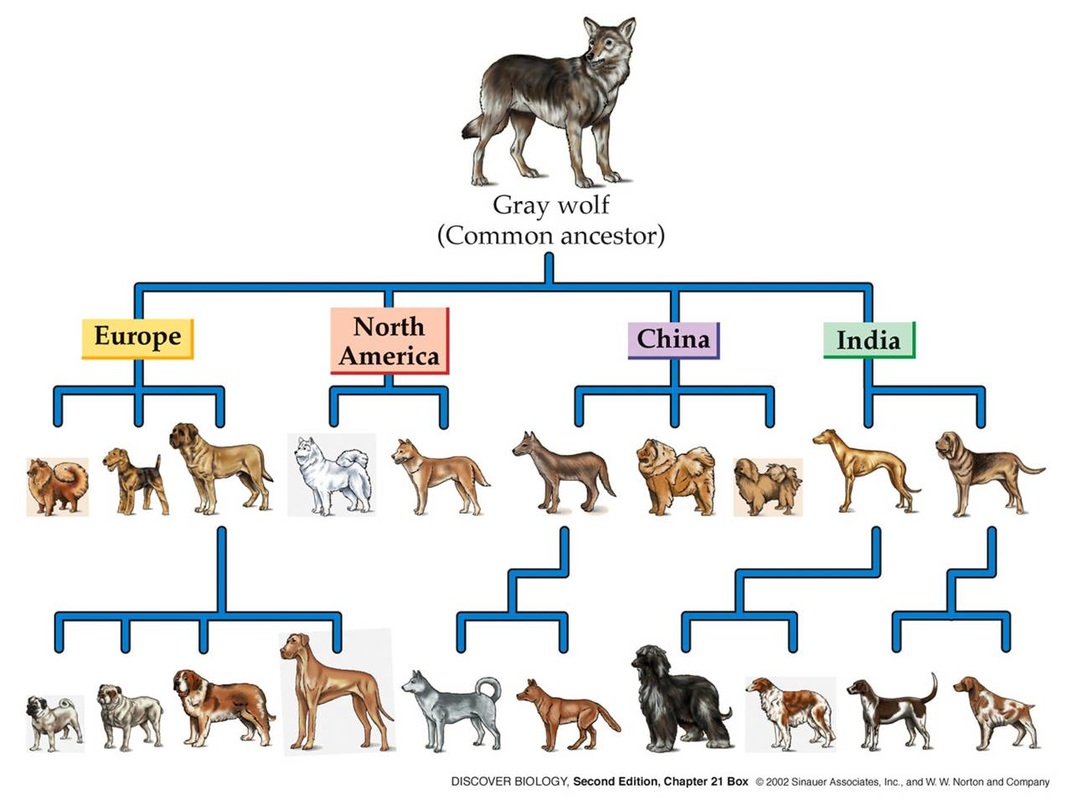
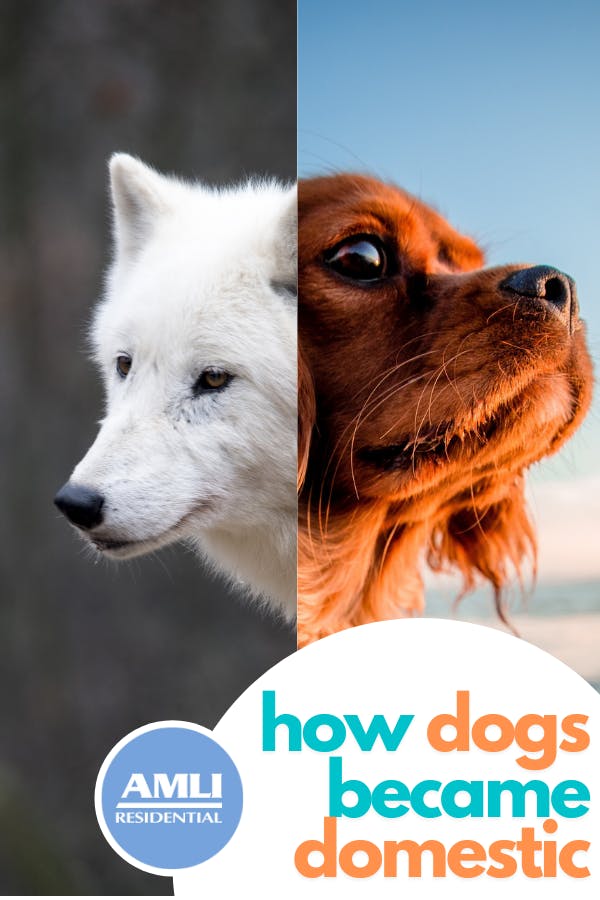
The strongest evidence points to ancient wolves as the wild ancestors of dogs. Dogs and gray wolves are closely related, and genetic studies show that dogs carry ancestry from ancient wolf populations. The wolves that gave rise to dogs were not simply identical to any wolf population alive today.
Why are dogs domesticated from wolves rather than another wild animal? Wolves already had traits that made a partnership with humans possible. They are social, intelligent, cooperative, adaptable, and able to learn from other members of their group. Those traits could also help them interact with human groups.
Some ancient wolves may have spent time near human camps because camps offered food scraps and other resources. Wolves that were less fearful and less aggressive around people could have had an advantage in these settings. Over many generations, this could help create a population that was increasingly comfortable around humans.

- ✦ Social behavior
Wolves live in social groups and use many signals to coordinate behavior. This social nature may have helped early dogs adapt to human groups.
- ✦ Learning ability
Wolves can learn from experience and from other animals. This made their descendants well suited to learning from people.
- ✦ Flexible diet
Ancient canids that could use food near human settlements may have had an advantage as they spent more time around people.
- ✦ Cooperation
Wolves can work together during hunting and other activities. Humans could later make use of similar cooperative behavior in dogs.
Did Humans Capture Wolves and Make Them Into Dogs?
That is one possible image of domestication, but it is probably too simple. Scientists have proposed several models, including a process in which less fearful wolves began taking advantage of food around human camps. These animals may have become increasingly tolerant of people before humans began deliberately selecting them.
The exact sequence is still debated. Ancient DNA suggests a complex history, so it is safer to think of dog domestication as a long relationship rather than a single moment when a wolf became a dog.
When Did Dogs Become Domesticated?
There is no single date that answers when dogs became domesticated. The process likely began during the late Ice Age, and researchers have found evidence of dogs living with humans more than 14,000 years ago. Some genetic models suggest that the relationship may have started much earlier, but the timing remains an active area of research.
Recent ancient DNA research has identified a dog from Kesslerloch in Switzerland that lived about 14,200 years ago. The study found that this dog shares ancestry with later dogs, showing that dog genetic history was already developing well before that time.
This matters because domestication does not leave one simple marker in the fossil record. Early dogs could look much like wolves, and some wolf remains can also show features that resemble early dogs. Scientists therefore combine skull shape, teeth, burial evidence, archaeological context, and DNA.

- ✦ More than 14,000 years ago
Genetically identified dogs were already present in Europe by this time, showing that the human-dog relationship was well established.
- ✦ Possibly much earlier
Some genetic and archaeological evidence points to an earlier start, but scientists do not agree on one exact date.
- ✦ A long process
Domestication likely unfolded over many generations instead of beginning on one clearly recorded day.
Why Is the Exact Date Hard to Find?
The first dogs did not need to look like modern dogs. Early domestication could begin with changes in behavior before large changes in body shape became obvious. This makes the oldest dog remains hard to separate from unusual wolf remains.
Ancient DNA has improved the picture, but it also shows that dog ancestry was complex. Different ancient populations could mix, spread, and disappear. As new genomes are studied, older ideas about where and when dogs began may change.
Why Did Humans Keep Dogs Around?
Why are dogs domesticated if humans could live without them? Early dogs could offer practical benefits. Their senses, movement, social behavior, and ability to learn made them useful in ways that other animals could not easily match.
Dogs may have helped people detect danger, locate animals, track scents, and guard camps. In some settings, they may also have helped with hunting. These benefits would have been especially useful for hunter-gatherer communities that depended on close knowledge of their surroundings.
Dogs also offered social benefits. Living near a human group could give dogs access to food and protection, while humans could gain companionship and an alert animal near camp. The relationship could therefore benefit both sides.

- ✦ Hunting support
Dogs have strong senses of smell and hearing. These abilities could help people find, track, or flush prey.
- ✦ Warning and protection
A dog can notice sounds, movement, and unfamiliar animals. An alert dog could warn a human group about possible danger.
- ✦ Tracking
A strong sense of smell allows dogs to follow scent trails. This skill remains useful in search and rescue work today.
- ✦ Companionship
Dogs became close social partners. Their ability to interact with people helped turn a practical relationship into a lasting bond.
Dogs Became Partners, Not Just Workers
It is easy to focus only on the jobs dogs could do, but that misses an important part of domestication. Dogs are highly social animals, and their relationship with humans became more than a simple exchange of food for work.
Evidence of ancient dog burials shows that people sometimes treated dogs as valued members of their communities. This suggests that emotional and social bonds were important parts of the human-dog relationship long before modern pet keeping.
How Did Humans and Dogs Benefit Each Other?
The best way to understand why are dogs domesticated is to look at the relationship from both sides. Humans gained a useful animal, while early dogs gained access to food, safer places, and a stable social environment.
This does not mean every human and every dog had the same experience. The relationship changed across regions and time. Still, a two-way benefit helps explain why contact between people and canids could continue for many generations.
Over time, humans also became better at understanding dog behavior. Today, American families may use dogs as pets, service animals, therapy animals, detection dogs, farm helpers, and working partners. These modern roles are extensions of a relationship that began long before written history.
- ✦ Benefits for humans
People could gain help with hunting, tracking, guarding, warning, and other tasks.
- ✦ Benefits for dogs
Dogs living near people could gain reliable access to food and protection from some dangers.
- ✦ Social connection
Dogs and humans are both social. This shared need for interaction helped strengthen the bond.
The Human-Dog Bond Today
A modern family dog may have little need to hunt or guard a camp, but many old traits still shape its behavior. Dogs often watch human faces, follow gestures, seek attention, and learn routines quickly.
This is one reason the answer to why are dogs domesticated is not only about survival. Domestication changed dogs into animals that could share human spaces and respond to human social cues. That ability still matters in homes across the United States.
How Did Domestication Change Dogs?
Domestication changed more than a dog’s ability to live near people. It also changed behavior, body shape, diet, reproduction, and the way dogs use their senses and social skills.
Genetic research has found signs of selection in genes linked to brain function, nervous system development, digestion, and metabolism. Research has also found adaptations that helped dogs use diets with more starch than the diets of many wolves.
Later human breeding created even greater differences. People selected dogs for size, coat, speed, scent ability, appearance, temperament, and specific work. This is why a Chihuahua, Great Dane, Border Collie, and Bloodhound can look and behave so differently while still belonging to the same domestic species.

- ✦ Behavior
Selection favored traits that helped dogs remain calm, social, trainable, and comfortable around people.
- ✦ Diet
Some dog populations developed genetic changes linked with better use of starch-rich foods compared with wolves.
- ✦ Body shape
Human selection later produced major differences in height, weight, skull shape, coat, ears, and tails.
- ✦ Working skills
People selected dogs for tasks such as herding, guarding, hunting, retrieving, and scent work.
Why Do Dogs Look So Different From Wolves?
Modern dog diversity is largely the result of long-term selection. Once humans began choosing dogs for particular jobs or traits, those traits could become more common in later generations.
Modern breeds are also quite recent compared with the full history of dog domestication. Many formal breed systems developed within the last few hundred years, so today’s breeds should not be confused with the first domestic dogs.
Why Are Dogs Domesticated Instead of Other Large Carnivores?
Dogs were not the only animals that could live near humans, but their ancestry gave them a special mix of traits. Wolves already lived in social groups, worked together, communicated clearly, and learned from group members. These qualities could make a wolf lineage more suited to a long-term relationship with humans than many solitary predators.
Their size and abilities also mattered. Wolves could travel long distances, detect scents, and help with demanding physical tasks. Yet their social nature meant they could also form strong bonds with members of another species.
Other predators can be tamed, but taming is not the same as domestication. Dogs are unusual because humans and their ancestors developed a deep relationship that lasted through many thousands of years.
- ✦ Social nature
Wolves naturally form social groups and communicate through body language, sounds, and scent.
- ✦ Strong senses
Dogs inherited powerful senses that made them useful for tracking, warning, and finding animals.
- ✦ Trainability
Dogs can learn human signals and routines, which became especially valuable as people selected them for different tasks.
- ✦ Adaptability
Dogs can live in many environments, from rural farms to crowded cities, when their basic needs are met.
Did Dogs Domesticate Humans Too?
People sometimes say that dogs domesticated humans, and there is a useful idea behind the joke. The relationship changed human behavior as well as dog behavior. People began feeding dogs, protecting them, moving with them, selecting them for tasks, and making room for them in daily life.
Dogs also became part of human communities. Their movement with people helped dogs spread into new regions, and ancient dog genomes can provide clues about past human movements. In that sense, the history of dogs and humans is closely linked.
Still, scientists use domestication to describe an evolutionary process in animal populations. Saying that dogs domesticated humans is a playful way to describe the two-way relationship, not a formal scientific definition.
- ✦ Shared movement
Dogs often traveled with human groups, helping domestic dog populations spread across large regions.
- ✦ Shared resources
People supplied food and shelter, while dogs could provide useful skills and social companionship.
- ✦ Shared social life
Dogs became part of human settlements and daily routines, creating a relationship that went beyond simple work.
What Does Dog Domestication Mean for Dog Owners Today?
Understanding why are dogs domesticated can also change how we see the dogs living in our homes. A dog is not simply a small wolf that lives with people. Thousands of years of selection have shaped dogs to depend on human social environments in ways that wild wolves do not.
Dogs still need outlets for behaviors that come from their ancestry. Sniffing, exploring, playing, chasing appropriate toys, learning, and social contact can all be important parts of a dog’s daily life.
For a U.S. dog owner, this means good care is more than food and shelter. A well-managed routine should also give a dog safe exercise, mental activity, training, rest, and positive interaction with people.

- ✦ Give dogs mental work
Simple training, scent games, food puzzles, and new safe experiences can give dogs useful mental activity.
- ✦ Respect natural behavior
Sniffing, exploring, chewing safe items, and social interaction can be normal parts of canine behavior.
- ✦ Use positive training
Clear cues, rewards, and consistent routines can help dogs understand what people want.
- ✦ Remember individual needs
Breed, age, health, personality, and past experience all affect what a dog needs from its human family.
Domestication Does Not Mean Every Dog Is Easy to Train
Domestication made dogs highly adaptable to human life, but it did not erase individual differences. A dog’s genetics, early experiences, environment, age, and training all affect its behavior.
This is why owners should avoid assuming that every dog will respond in the same way. Good training starts with the individual dog and uses safe, clear, consistent methods.
What Scientists Still Do Not Know About Dog Domestication
The broad story is clear: dogs came from ancient wolf populations and formed a long-term relationship with humans. But many details remain uncertain. Scientists still study where the first dog populations lived, when the process began, and how many ancient wolf populations contributed to modern dogs.
Ancient DNA has made the story much clearer, but it has also shown why simple answers can be misleading. Ancient wolf populations that contributed to dogs may no longer exist, and later mixing between dogs and wolves can blur genetic signals.
Researchers also continue to debate whether different regions played separate roles in early domestication or whether one early process spread and later mixed with local wolves. New archaeological finds and ancient genomes can change the picture.
- ✦ Exact starting point
Scientists do not have one universally accepted place where dog domestication began.
- ✦ Exact starting date
Evidence supports a very old relationship, but estimates for the beginning of domestication vary.
- ✦ Ancient wolf populations
The direct ancestral wolf populations may be extinct, which makes their identity difficult to establish.
- ✦ Multiple ancestry signals
Ancient and modern dogs show complex genetic patterns caused by movement, population change, and later mixing.