Why Do Dogs Eat Sunflower Leaves: Reasons And Safety
Across backyards, parks, and community gardens in the United States, dogs may nibble sunflower leaves while exploring. Common sunflower plants (Helianthus annuus) are generally listed as non-toxic to dogs, but eating the leaves can still cause stomach upset. The greater risks often come from pesticides, fertilizer, unknown plant varieties, sharp plant parts, or eating a large amount.
A dog that takes a few bites and acts normal usually needs close watching, not panic. However, repeated vomiting, severe diarrhea, choking, weakness, belly pain, or trouble breathing calls for prompt veterinary care.

The short answer: Why do dogs eat sunflower leaves?
Dogs may eat sunflower leaves because of:
- Curiosity about a new smell or texture
- Normal plant-grazing behavior
- Hunger or boredom
- The taste, moisture, or rough texture of the leaf
- A habit of chewing plants during walks or yard time
- The presence of insects or food smells on the plant
There is no strong evidence that dogs eat sunflower leaves because they need a specific nutrient from them. Some dogs eat grass and other plants without showing illness. Researchers have proposed several reasons, including instinct, taste, fiber, and self-soothing, but the exact reason differs from dog to dog.
A small amount of a clean, untreated sunflower leaf is unlikely to poison a dog. Still, “non-toxic” does not mean “safe in unlimited amounts.” Any plant material can upset the digestive tract, and stems or large pieces may create a choking or blockage risk.

Are sunflower leaves poisonous to dogs?
Common sunflowers are generally considered non-toxic to dogs. The ASPCA lists sunflower as non-toxic to dogs, cats, and horses. This applies to the usual garden sunflower, not every plant that has a similar appearance.
The plant’s leaves, flowers, and seeds are different from commercial sunflower foods. A plain, unsalted sunflower seed is not the same as a salted snack mix, a seed shell, or a product with garlic, onion, chocolate, or other harmful ingredients.
What “non-toxic” means
A non-toxic plant is not known to contain a poison that usually causes serious poisoning when eaten in small amounts. It may still cause:
- Vomiting
- Loose stool
- Drooling
- Gas
- Mild stomach pain
- Reduced appetite
The risk depends on the amount eaten, the dog’s size, the plant’s condition, and any chemicals used on it.
When sunflower leaves become more concerning
Contact a veterinarian if the plant was:
- Sprayed with an herbicide, insecticide, or fungicide
- Treated with fertilizer, slug bait, or other garden chemicals
- Growing near a road or area with unknown chemical exposure
- Moldy, rotten, or contaminated with animal waste
- Not clearly identified as a common sunflower
- Eaten with a large amount of stem, stalk, or soil
The plant itself may not be the main problem. A chemical on the plant can be much more dangerous than the leaf.

Why some dogs seek out plants
Dogs use their mouths to investigate the world. A sunflower leaf may smell fresh, feel different from grass, or carry the scent of insects and soil. Puppies and young dogs are especially likely to chew plants as they learn about their surroundings.
Plant eating can also become a learned habit. If a dog enjoys the action, receives attention after doing it, or has easy access to a garden, the behavior may continue.
Common reasons for leaf eating
| Possible reason | What it may look like | What it means |
|---|---|---|
| Curiosity | One or two bites of a new plant | Often normal exploration |
| Grazing | Nibbling several types of grass or leaves | May be a routine behavior |
| Boredom | Chewing plants when alone or under-stimulated | Enrichment may help |
| Hunger | Plant eating near meal times | Review meal timing and food intake |
| Stress | Chewing during storms, visitors, or change | Look for other stress signs |
| Medical discomfort | Repeated plant eating with vomiting or appetite changes | Veterinary advice may be needed |
These signs do not prove a single cause. A dog can be curious and bored at the same time, or show plant eating because of a medical problem.
When plant eating may signal illness
Occasional nibbling is often harmless. Repeated or sudden plant eating deserves more attention when it occurs with:
- Vomiting
- Diarrhea
- Loss of appetite
- Weight loss
- Excessive thirst
- Low energy
- Lip licking or drooling
- Trouble passing stool
- A tense or painful belly
Plant eating alone does not diagnose an upset stomach, parasite infection, or nutritional problem. A veterinarian must assess the full pattern.

What to do if your dog eats sunflower leaves
If your dog ate a small amount of a known, untreated sunflower, follow these steps:
- Move the dog away from the plant. Prevent more eating while you assess the situation.
- Identify the plant. Confirm that it is a common sunflower and not an unknown look-alike.
- Check for garden chemicals. Look for recent sprays, fertilizer, bait, or treated soil.
- Estimate the amount eaten. Note whether your dog ate leaves only or also consumed stems, flowers, seed shells, or soil.
- Watch for symptoms. Monitor behavior, appetite, stool, and vomiting over the next day.
- Offer normal access to fresh water. Do not force water or food.
- Call your veterinarian if symptoms appear or the exposure is uncertain.
Do not give hydrogen peroxide, oil, salt, milk, or human medicine unless a veterinarian specifically tells you to do so. Trying to make a dog vomit can cause additional injury, especially if the dog swallowed plant material, a chemical, or a sharp stem.
What information to give the veterinarian
Have these details ready:
- Your dog’s weight and age
- The name or photo of the plant
- The amount eaten and approximate time
- Any fertilizer or pesticide used
- The dog’s symptoms
- A photo of the product label, if chemicals may be involved
If you suspect poisoning, contact your veterinarian or a U.S. animal poison service. The ASPCA Animal Poison Control Center and Pet Poison Helpline provide case-specific guidance. Fees and availability can vary.
How to tell whether your dog needs a vet
A dog that eats a few untreated leaves and remains bright, comfortable, and interested in food can often be monitored at home. Call your regular veterinarian if mild vomiting or diarrhea continues, if your dog is very young or elderly, or if the dog has a condition that makes dehydration risky.
Seek urgent veterinary care for:
- Repeated vomiting or inability to keep water down
- Blood in vomit or stool
- Severe or persistent diarrhea
- A swollen, hard, or painful abdomen
- Retching without producing vomit
- Weakness, collapse, confusion, or tremors
- Choking, coughing, or trouble breathing
- Pale, blue, or gray gums
- Suspected pesticide, herbicide, or bait exposure
- A large amount of plant material or stalk swallowed
A blockage may not cause signs right away. Watch for worsening vomiting, refusal to eat, belly pain, straining to pass stool, or unusual tiredness after a large ingestion.

How to stop your dog from eating sunflower leaves
The safest approach is to prevent access. Use a garden fence, raised planter, or barrier that your dog cannot push through. Remove fallen leaves and broken stalks from areas where the dog plays.
Training also helps:
- Teach “leave it” with treats and short practice sessions.
- Reward the dog for turning away from plants.
- Keep the dog on a leash near public gardens.
- Provide safe chew toys and food puzzles.
- Add walks, sniffing games, and play to reduce boredom.
- Avoid chasing the dog, which can turn plant stealing into a game.
Do not rely on plant sprays or homemade repellents. Some deterrents can irritate the mouth or become toxic when swallowed. Physical barriers and positive training are safer choices.
If your dog eats many types of plants every day, arrange a veterinary check. The appointment can help rule out illness, review diet, and address anxiety or compulsive behavior.

Sunflower seeds, stalks, and other plant parts
Sunflower leaves are only one part of the plant. The risks change with what the dog eats.
- Leaves: Usually low risk when clean and eaten in small amounts, but they may cause stomach upset.
- Flowers: Usually low risk when untreated, but petals and plant matter can still irritate the stomach.
- Stems and stalks: Tough, fibrous pieces may cause choking or intestinal blockage.
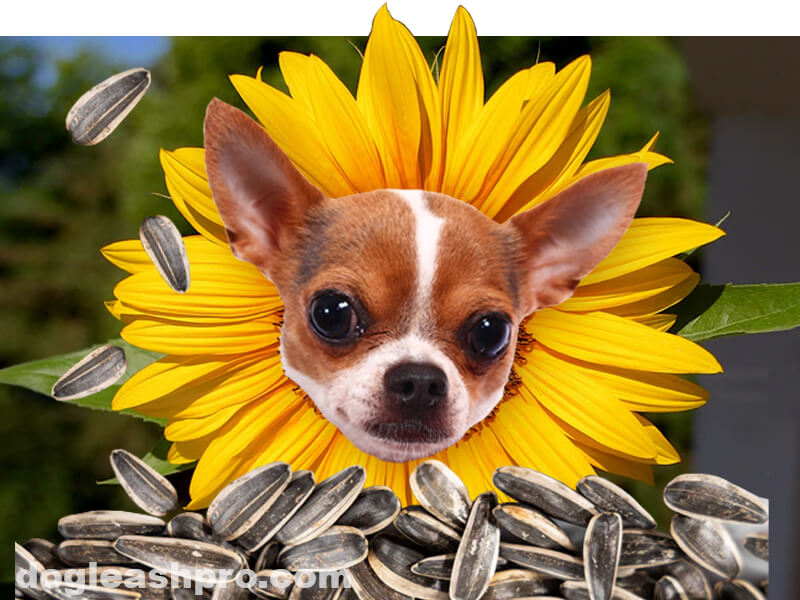
- Seeds: Plain, unsalted, shelled seeds are not generally poisonous in small amounts, but they are high in fat and can cause digestive upset. Shells may be hard to digest.
- Salted or flavored seeds: Avoid them. Salt, spices, garlic, onion, and other additives can harm dogs.
- Moldy plant material: Discard it and contact a veterinarian if your dog eats it. Mold toxins can cause serious illness.
- Birdseed mixes: These may contain raisins, macadamia nuts, chocolate-like products, or other unsafe ingredients. Check the label and call for advice if the contents are unclear.
Do not treat all “sunflower” products as equal. A clean garden leaf, a salted snack, and a moldy birdseed pile present different risks.

Key takeaways
- Dogs may eat sunflower leaves from curiosity, grazing habits, boredom, or taste.
- Common sunflower leaves are generally considered non-toxic to dogs.
- Small amounts can still cause vomiting or diarrhea.
- Unknown plants, garden chemicals, mold, and large stems raise the risk.
- Do not induce vomiting unless a veterinarian directs you.
- Prevent access and teach “leave it” if the behavior repeats.
- Seek urgent care for breathing trouble, collapse, severe vomiting, belly pain, or suspected chemical exposure.
Frequently asked questions
Can dogs eat sunflower leaves every day?
It is not a good idea to let a dog eat sunflower leaves every day. Even a non-toxic plant can upset the stomach, and regular leaf eating may expose the dog to soil, insects, mold, or garden chemicals. Use barriers and training instead.
Can sunflower leaves cause diarrhea in dogs?
Yes. Plant fiber and other plant compounds may irritate a dog’s digestive tract and cause loose stool or vomiting. Diarrhea that is severe, bloody, persistent, or paired with weakness needs veterinary attention.
Should I worry if my puppy ate a sunflower leaf?
A single small leaf from a known, untreated sunflower is unlikely to cause poisoning. Puppies can be more sensitive to dehydration and are more likely to swallow large pieces, so monitor closely and call your veterinarian if the puppy vomits, has diarrhea, seems tired, or ate stems or chemicals.
Can dogs eat sunflower seeds?
Plain, unsalted, shelled sunflower seeds may be safe in small amounts for many dogs, but they are not necessary for a balanced diet. Avoid salted or flavored seeds and large amounts because the fat, salt, shells, and additives can cause problems.
What if my dog ate a sunflower treated with pesticide?
Call your veterinarian or a U.S. animal poison service promptly. Keep the product container or take a photo of its label. Do not induce vomiting or give home remedies unless a veterinary professional gives exact instructions.
Conclusion
Dogs usually eat sunflower leaves because they are exploring, grazing, bored, or attracted to the plant’s smell and texture. A few leaves from a clean, common sunflower are generally unlikely to poison a dog, but they can still cause digestive upset.
Remove access, check whether chemicals were used, and watch for symptoms. If your dog ate a large amount, swallowed stalks, consumed an unknown plant, or shows signs of illness, contact a veterinarian rather than waiting for the problem to worsen.