Why Does My Dog Cob So Much: Causes And Tips
If your dog gently nibbles with the tiny front teeth, your dog may be cobbing. In the United States, many owners use “cobbing,” “flea biting,” or “corn-cobbing” to describe this fast, light nibble. Dogs may do it while grooming themselves, showing affection, reacting to itchy skin, or calming down.
Occasional cobbing is often normal. Frequent, intense, or sudden cobbing can point to fleas, allergies, skin pain, stress, or another health problem. The key is to watch where, when, and how hard your dog nibbles.
What Is Cobbing in Dogs?
Cobbing is a series of small, quick nibbles made with a dog’s front teeth. The motion can look like a dog picking at corn on a cob, which explains the name.
A dog may cob:
- Its own legs, paws, tail, or coat
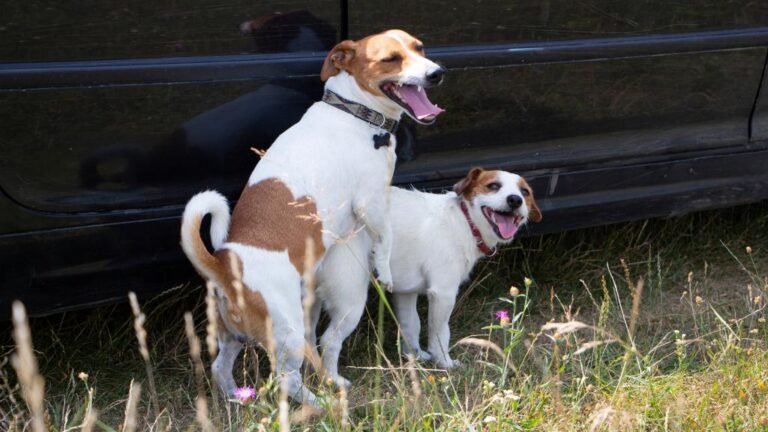
- Another dog’s ears, neck, or back
- Your hands, arms, hair, or clothing
- A blanket, toy, or bed
Cobbing is not a formal medical diagnosis. It is a description of behavior. The same action can have different causes in different dogs.
Gentle cobbing during play or social grooming is usually less concerning. Cobbing that leaves red skin, bald spots, scabs, or sores needs closer attention.
Cobbing versus biting
Cobbing is usually light and repetitive. It often stops when you call your dog or change the activity. A bite is harder, more forceful, and may come with a stiff body, growl, hard stare, or other signs of fear or aggression.
Do not punish either behavior. Instead, look at the setting and check your dog for pain or skin irritation.

Why Does My Dog Cob So Much?
Your dog may cob often because of grooming, affection, itch, pain, stress, habit, or a mix of these causes. The most common explanations are below.
1. Your dog is grooming
Dogs use their teeth as grooming tools. A dog may nibble at loose hair, dirt, dried skin, or a small mat.
This behavior is common on areas that are easy to reach, such as the legs and paws. A dog may also groom another dog as part of normal social behavior.
Grooming is more likely when:
- The skin looks normal
- The nibbling is gentle
- Your dog stops easily
- There is no hair loss or wound
- The behavior occurs after outdoor play or rest
2. Your dog is showing affection
Some dogs cob their people as a social gesture. Gentle nibbling may be your dog’s way of grooming you or asking for contact.
This can happen when your dog is relaxed, sitting beside you, or receiving petting. It may be more common in dogs that learned early that gentle mouthing brings attention.
Even friendly cobbing should have limits. A dog that nibbles a child’s face, grabs skin, or becomes hard to interrupt needs calm training and close supervision.
3. Your dog has fleas or another skin parasite
Fleas can cause intense itching. A dog may nibble at the coat to catch fleas or relieve the bite of an itchy spot.
Check the skin around the:
- Base of the tail
- Lower back
- Belly
- Inner thighs
- Groin
- Neck
Flea dirt can look like black pepper. If you place suspected flea dirt on a damp white paper towel, it may leave a reddish-brown smear because it contains digested blood.
A single flea can still cause major itching in a sensitive dog. Do not rely only on seeing live fleas. Ask a veterinarian which flea prevention is safe for your dog’s age, weight, health, and home environment.
4. Allergies are making the skin itch
Dogs can develop allergies to environmental triggers, food ingredients, or flea saliva. Allergic skin disease often causes licking, chewing, scratching, and cobbing.
Possible signs include:
- Red skin
- Repeated paw licking
- Ear infections
- Face rubbing
- Hair thinning
- A musty odor
- Recurrent hot spots
Food allergy is possible, but it is often over-assumed. A veterinarian may use a strict elimination diet followed by a controlled food challenge to assess it. Random food changes rarely prove the cause.
5. Your dog has dry, irritated, or infected skin
Dry skin, yeast overgrowth, bacterial infection, and other skin problems can trigger chewing or nibbling. The skin may appear red, moist, greasy, scaly, or crusted.
A dog may focus on one small area. That does not mean the problem is minor. A sore spot under thick fur can grow before an owner sees it.
Avoid applying human creams, essential oils, alcohol, or leftover medicine unless your veterinarian approves it. Some products can harm dogs if they lick them.
6. Your dog is reacting to pain
Dogs may cob near a painful joint, wound, lump, insect sting, or surgical site. A dog may also nibble a limb because of nerve pain or discomfort that is not visible on the skin.
Pain becomes more likely if the behavior is new or focused on one exact place. Look for:
- Limping
- Trouble rising
- Flinching
- Hiding
- Panting at rest
- Less interest in food or play
- Growling when touched
- Restlessness
Do not press hard on a painful area. Arrange a veterinary exam instead.
7. Your dog is bored, anxious, or overstimulated
Repetitive cobbing can become a coping behavior. Some dogs nibble when they feel bored, worried, frustrated, or overexcited.
Stress-related cobbing may occur:
- When visitors arrive
- During storms or fireworks
- Before you leave the house
- After a change in routine
- During long periods alone
- After intense play
A behavior is more likely to be stress-related when the skin looks healthy and the cobbing appears during a predictable event. Still, a veterinarian should help rule out itch and pain first.
8. The behavior has become a habit
A dog may begin cobbing because of an itch or stressful event. The action can continue after the first trigger is gone.
Repetitive habits can become hard to stop, especially when they provide comfort. If your dog spends long periods cobbing or becomes upset when interrupted, seek help early from a veterinarian or a qualified veterinary behavior professional.
9. Your dog is playing
Puppies and young dogs often explore with their mouths. Gentle nibbling can be part of play, especially between dogs that know each other well.
Play is more likely when both dogs have loose, relaxed bodies and take turns. Stop the interaction if one dog tries to escape, freezes, tucks its tail, shows the whites of its eyes, or gives repeated warning signals.
How to Find the Cause at Home
You can learn a lot by recording the pattern before trying to stop the behavior. Do not wait if your dog has severe pain, open wounds, or rapid swelling.
Use this short check:
| What you notice | More likely explanations |
|---|---|
| Gentle nibbling during cuddling | Affection, social grooming |
| Nibbling after walks | Dirt, plant material, fleas, irritation |
| Nibbling at the tail base | Fleas, allergy, skin infection |
| Paw chewing with red feet | Allergy, yeast, injury, foreign material |
| One exact sore spot | Pain, wound, lump, infection |
| Cobbing during storms or alone time | Stress or anxiety |
| Hair loss or scabs | Itch, parasites, infection, overgrooming |
| Sudden behavior change | Pain, illness, fear, or a new trigger |
Step 1: Record the behavior
Write down:
- The body area
- The time of day
- What happened just before it
- How long it lasts
- Whether your dog can stop
- Any changes in food, home, routine, or medication
A short video can help your veterinarian understand the motion and setting.
Step 2: Inspect the coat and skin
Use good light and part the fur gently. Look for fleas, flea dirt, ticks, mats, redness, swelling, scabs, wet fur, odor, or discharge.
Stop if your dog seems painful or may bite. A painful dog can react even if it is normally friendly.
Step 3: Check for recent changes
- Flea products
- Shampoos
- Bedding
- Plants or lawn treatments
- Food or treats
- Cleaning products
- Pets or people in the home
- Travel
- Noise or schedule changes
A recent change does not prove the cause, but it can reveal a useful pattern.
Step 4: Redirect gently
If the cobbing is mild and your dog’s skin looks healthy, call your dog away and offer a toy, sniffing game, or calm task. Reward the choice to stop.
Do not yell, hold the muzzle shut, or physically punish your dog. These actions can increase fear and may make handling less safe.
When Should a Veterinarian Examine Your Dog?
Make a veterinary appointment when cobbing is frequent, worsening, or linked with skin changes. A veterinarian may examine the skin, ears, paws, joints, and mouth. They may also check for parasites, infection, allergies, pain, or behavioral causes.
Seek prompt care if your dog has:
- Open sores or bleeding
- Rapidly spreading redness
- Facial swelling
- Severe itching
- A painful lump
- Pus or a strong odor
- A sudden limp
- Repeated vomiting or weakness
- Trouble breathing
- A sudden major behavior change
A skin problem can worsen quickly when a dog keeps licking or nibbling it. This can create a hot spot, which is a painful, moist area of inflamed skin.
Do not give human pain medicine. Drugs such as ibuprofen and acetaminophen can be dangerous for dogs. Call your veterinarian or a U.S. animal poison control service if your dog may have swallowed a medicine or harmful product.
How to Stop Excessive Cobbing
The best solution depends on the cause. Training alone will not fix fleas, infection, allergy, or pain.
If the cause is medical
Follow the treatment plan from your veterinarian. This may involve parasite control, treatment for infection, allergy management, pain relief, or care for a wound.
Use only products intended for dogs and for your dog’s specific size and condition. Never combine flea products without veterinary guidance.
If the cause is boredom
Add safe daily activity that fits your dog’s age and health:
- Short sniff walks
- Food puzzles
- Simple training
- Chew-safe toys
- Hide-and-seek games
- Calm play
- Regular rest
Mental work can help more than simply adding intense exercise.
If the cause is stress
Reduce the trigger where possible. Give your dog a quiet resting place and keep a steady routine. Pair mild triggers with treats or calm activities, but do not force a fearful dog to stay near something frightening.
For severe anxiety, ask your veterinarian about a behavior plan. A certified behavior professional may also help.
If your dog nibbles people
Keep your hands still. Avoid turning the behavior into a chase game. Move away, pause attention, and reward calm contact such as sitting beside you.
If children are present, supervise every interaction. Do not allow a child to put a face near a dog that mouths, guards, or becomes tense.
Common Mistakes to Avoid
Several well-meant responses can make cobbing worse.
Mistake 1: Assuming every case is affection
A dog can look happy while experiencing itchy skin or pain. Check the body area before treating frequent cobbing as a cute habit.
Mistake 2: Treating only the visible symptom
A cone may stop access to the skin, but it does not cure the reason for the behavior. Use a cone only when your veterinarian recommends the right fit and use.
Mistake 3: Changing many things at once
If you switch food, shampoo, treats, bedding, and medication at the same time, you may not know what helped or caused a reaction. Make changes with a clear plan.
Mistake 4: Using harsh corrections
Punishment may stop the behavior for a moment while increasing fear. It can also hide warning signs and damage trust.
Mistake 5: Waiting for bald spots
Dogs can have serious itch or pain before hair loss appears. Early attention is often simpler than treating a damaged skin barrier or infection.
Key Takeaways
- Cobbing means gentle, repeated nibbling with the front teeth.
- It can be normal grooming, affection, or play.
- Frequent cobbing can also signal fleas, allergies, infection, pain, stress, or habit.
- Check the skin, note the pattern, and look for recent changes.
- See a veterinarian for sudden, intense, focused, or damaging cobbing.
- Redirect gently, and do not use punishment or human medicine.
Frequently Asked Questions
Is cobbing normal for dogs?
Occasional gentle cobbing can be normal. It is more reassuring when your dog is relaxed, the skin looks healthy, and the behavior stops easily. Repeated or forceful cobbing needs closer attention.
Why does my dog cob me?
Your dog may be grooming you, seeking attention, showing affection, or playing. If the behavior hurts or is hard to stop, calmly end the interaction and reward a different behavior.
Why does my dog cob another dog?
Dogs may cob each other during social grooming or relaxed play. Watch both dogs. The behavior should remain gentle and mutual. Stop it if either dog becomes tense, tries to leave, or shows fear.
Is cobbing a sign of fleas?
It can be. Fleas often cause chewing and nibbling near the tail base, lower back, belly, and inner thighs. However, allergies, infection, pain, and stress can look similar.
Can anxiety cause a dog to cob?
Yes. Some dogs use repetitive nibbling to self-soothe during stress. A veterinarian should first rule out itch, parasites, pain, and skin disease before labeling the behavior anxiety.
Should I stop my dog from cobbing?
Stop cobbing that causes injury, targets people in an unsafe way, or cannot be interrupted. Redirect gently. If it is frequent or linked to skin or behavior changes, find and treat the underlying cause rather than correcting the motion alone.
Conclusion
Your dog may cob because it feels good, helps with grooming, supports social bonding, or relieves an itch. When cobbing becomes frequent, focused, forceful, or damaging, it is a clue rather than a diagnosis.
Start by noting the pattern and checking the skin without causing pain. If you see wounds, hair loss, redness, strong itching, pain, or a sudden change, contact a veterinarian. The safest long-term fix is to address the reason your dog is cobbing, not simply suppress the behavior.