Why Do Dogs Cob Other Dogs: Meaning Explained
Across homes, dog parks, and daycare centers in the United States, dog owners often see one dog gently nibble another with its front teeth. This behavior is called cobbing, cob nibbling, or sometimes corn-cobbing. It can look odd, but gentle cobbing is often a normal social behavior.
Dogs may cob other dogs to groom them, show affection, seek attention, enjoy a calming activity, or respond to an interesting smell. However, repeated nibbling can also point to fleas, allergies, skin irritation, stress, or a conflict between the dogs. The meaning depends on the full body language, the place being nibbled, and how the other dog responds.

What Is Dog Cobbing?
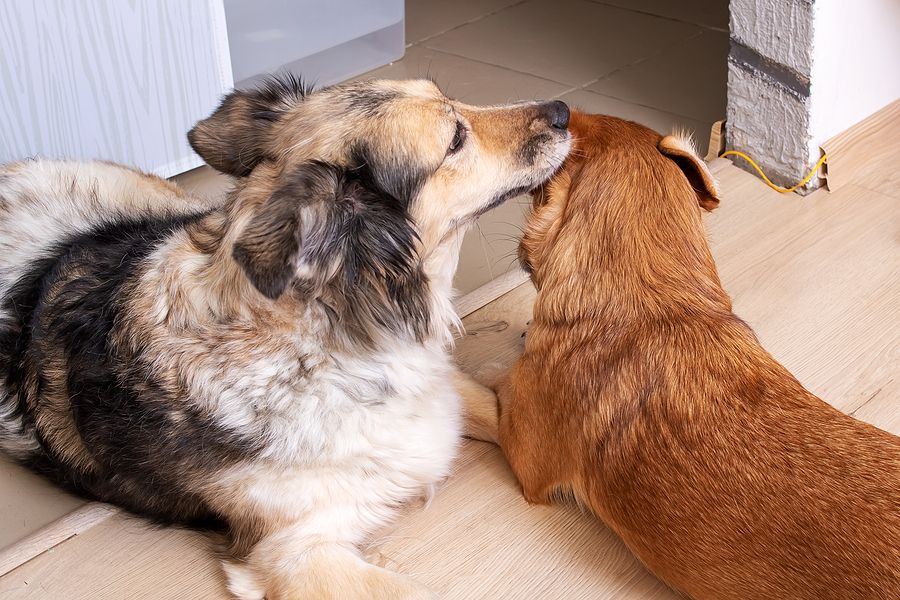
Dog cobbing is a gentle, rapid nibbling motion made with a dog’s small front teeth. The dog may grip and release tiny bits of fur without breaking the skin. Many dogs cob the neck, shoulders, ears, back, or legs of another dog.
The motion can resemble the way a person bites corn from a cob. That is why many owners use the nickname “corn cobbing.”
Cobbing is different from a hard bite. A relaxed dog may keep its body loose, use soft eyes, and pause when the other dog moves away. A dog that bites from fear or aggression is more likely to show tension, force, a fixed stare, growling, snapping, or a rapid retreat.
Cobbing may also occur between dogs that live together. Some dogs perform it during rest, play, or quiet contact. Others may nibble a human’s skin, hair, or clothing for similar reasons.

Why Do Dogs Cob Other Dogs?
Dogs cob other dogs for several possible reasons. The behavior is not tied to one fixed meaning, so context matters more than the nibbling alone.
1. Social grooming
Dogs cannot groom every part of their own bodies. Gentle nibbling may help remove loose hair, dirt, or small debris from a companion’s coat. It can be a form of social grooming, much like mutual grooming in other social animals.
This is more likely when both dogs look calm. The dog being nibbled may relax, lean into the contact, or return the grooming.
2. Bonding and affection
Some dogs use cobbing as a friendly social ritual. It may help maintain a relationship between dogs that live together or spend a lot of time together.
Cobbing does not prove that a dog is showing affection. Still, when the behavior occurs with relaxed body language and mutual contact, bonding is one reasonable explanation.
3. Attention seeking
A dog may learn that cobbing gets a response. The other dog may play, move, lick the nibbler, or give it attention. People may also react by talking, laughing, touching the dog, or stopping the behavior.
If the dog repeats the behavior after each reaction, attention may be reinforcing it. This does not mean the dog is being spiteful or “dominant.” It may simply have learned that nibbling works.
4. A calming or enjoyable habit
Some dogs find repetitive oral behaviors soothing. Cobbing may occur when a dog is relaxed, tired, excited, or trying to settle.
You may notice it after play, during rest, or while two dogs lie close together. If the habit is gentle and easy to interrupt, it may be a normal comfort behavior.
5. A response to scent or skin changes
Dogs use their noses and mouths to explore. A particular dog may smell interesting because of sweat, dirt, food, medication, hormonal changes, or a skin product.
This does not mean the nibbled dog has a serious disease. It does mean that a sudden interest in one exact area deserves attention, especially if the area is red, moist, swollen, or losing hair.
6. Fleas, allergies, or skin irritation
A dog may focus on another dog’s coat when it notices an irritant. Fleas, flea dirt, mites, yeast, bacteria, allergies, dry skin, and small wounds can all cause itching or unusual skin odor.
Cobbing is not a reliable way to diagnose any of these problems. It is only a clue. Check both dogs for scratching, licking, scabs, hair loss, odor, redness, or parasites.
7. Stress or overexcitement
Some dogs nibble when they are overexcited or unsure. The behavior may appear during greetings, crowded play, daycare visits, or tense interactions.
In this case, look beyond the mouth. A stressed dog may freeze, turn its head away, tuck its tail, lick its lips, yawn, hide, or repeatedly try to leave. The other dog may tolerate the cobbing without enjoying it.
8. Puppy behavior that continued into adulthood
Puppies explore with their mouths. They also learn social skills through play, grooming, and contact with littermates. A puppy that gently nibbles may carry the habit into adulthood.
Adult cobbing is not automatically a problem. The key question is whether the behavior remains gentle, brief, and welcome.

Is Cobbing Normal or a Sign of Aggression?
Gentle cobbing is often normal, but the other dog’s response is a major part of the answer. A behavior is not truly social if one dog is trying to escape it.
Signs of friendly cobbing
Look for:
- Loose, wiggly body movement
- Soft eyes and a relaxed mouth
- Normal breathing
- Frequent pauses
- Play bows or gentle movement
- Both dogs choosing to stay close
- The nibbled dog returning contact
- Easy interruption when called
The dogs may switch roles or settle down after a short session.
Signs that the behavior is unwanted
Intervene if the nibbled dog:
- Turns away again and again
- Hides behind a person
- Freezes or becomes stiff
- Tucks its tail
- Pins its ears back
- Licks its lips repeatedly
- Yelps, growls, snaps, or bares its teeth
- Tries to leave but cannot
A quiet dog is not always a comfortable dog. Freezing can be a stress response, not consent.
Signs of a fight risk
Separate the dogs calmly if you see:
- A hard stare
- A stiff, forward-leaning body
- Raised hackles with tension
- Lip lifting
- Snarling
- Fast, forceful biting
- Chasing that does not stop
- One dog cornering or blocking the other
Do not put your hands between fighting dogs. Use a barrier, a door, a chair, or another safe method to create space. If a person is bitten, seek medical care and follow local reporting rules in the United States.

When Should You Stop a Dog From Cobbing?
Stop the behavior when it is excessive, one-sided, hard to interrupt, or linked to distress. You should also stop it if the nibbling damages skin or causes the other dog to avoid contact.
A short, gentle session may need no intervention. In contrast, repeated cobbing of the same area can irritate the coat and skin. It can also create conflict if the recipient has already asked the other dog to stop.
Use this simple decision guide:
| What you observe | Likely concern | Best response |
|---|---|---|
| Both dogs are loose and relaxed | Normal social contact may be occurring | Watch closely |
| One dog moves away repeatedly | The contact is unwanted | Call the nibbler away |
| Cobbing is focused on one sore or itchy spot | Skin or parasite problem is possible | Inspect the area and contact a veterinarian if needed |
| The dog cannot stop when called | Habit, arousal, or stress may be involved | Separate, redirect, and seek behavior help if persistent |
| Skin is broken or bleeding | Injury or excessive force | Separate the dogs and arrange veterinary care |
| The behavior began suddenly | Medical, environmental, or social change may be involved | Check for health changes and consult a veterinarian |
How to Stop a Dog From Cobbing Another Dog
Use calm interruption and reward a better choice. Punishment can increase stress and may make the dogs less safe around each other.
1. Watch for the early signal
Interrupt before the nibbling becomes intense. Call the dog’s name, offer a treat, or guide it toward a toy. Early redirection is easier than stopping a dog that is already highly aroused.
2. Create space
If the other dog looks uncomfortable, separate them with a leash, gate, pen, or different room. Give both dogs time to settle.
Do not drag a dog away by the collar during a tense moment. Sudden handling can trigger a bite, especially if the dog is already excited.
3. Reward calm behavior
Give praise, a treat, or a chew when the dog looks at the other dog without nibbling. You can also reward coming when called, lying on a mat, or choosing a toy.
The goal is to teach: calm contact earns good things; unwanted nibbling ends access to the other dog.
4. Provide another outlet
Offer activities that meet the dog’s needs, such as:
- A food puzzle
- A safe chew approved for that dog
- Sniffing games
- Short training sessions
- Rest after exciting play
- Supervised play with compatible dogs
Avoid giving any chew that can splinter, cause choking, or damage teeth. Ask your veterinarian which options fit your dog’s age, size, and health.
5. Check the recipient dog
Part the fur and look for fleas, flea dirt, redness, scabs, wounds, swelling, hair loss, or a strong odor. Check the ears, paws, tail base, belly, and areas that the nibbler targets.
If you find a problem, do not apply human creams or insect products unless a veterinarian says they are safe. Some human products and dog products can harm pets when used incorrectly.
6. Keep a short behavior record
Write down:
- Which dog starts the cobbing
- Which body area it targets
- What happens just before it begins
- How long it lasts
- How the other dog responds
- What stops it
This record can help a veterinarian or qualified behavior professional identify patterns.

Medical Reasons to Consider
A veterinarian should assess the dogs if cobbing is sudden, intense, or focused on one location. The behavior may be caused by a medical issue in the dog being nibbled, the dog doing the nibbling, or both.
Possible concerns include:
- Fleas or other external parasites
- Allergic skin disease
- Bacterial or yeast skin infection
- A small wound or bite
- Pain
- Ear disease
- Anal gland problems
- Neurologic or compulsive behavior
- Stress-related overgrooming
Seek prompt veterinary care for bleeding, swelling, pus, severe pain, marked hair loss, a foul odor, or a dog that seems ill. Also call your veterinarian if the behavior continues despite safe interruption and better management.
A veterinarian can examine the skin, ears, mouth, and general health. If medical causes are ruled out, ask for a referral to a qualified behavior professional. In the United States, a board-certified veterinary behaviorist can assess behavior while also considering medical causes. The American College of Veterinary Behaviorists provides information about this specialty.

Cobbing, Licking, and Biting: What Is the Difference?
These behaviors can look similar, but they do not carry the same risk.
- Licking: The dog uses its tongue. It may be social, exploratory, appeasing, or related to a wound or odor.
- Cobbing: The dog makes light, repeated nibbles with the front teeth. It is often gentle social grooming or a learned habit.
- Biting: The dog closes its jaws with force. It may cause pain, puncture wounds, bruising, or conflict.
- Barbering: The dog repeatedly chews or cuts hair from a specific area. This may signal itching, pain, parasites, or a compulsive pattern.
Do not judge the behavior by sound alone. Some gentle cobbing sounds sharp, while a quiet bite can still cause injury. Watch pressure, body tension, skin damage, and the recipient dog’s response.

Common Mistakes Owners Make
Assuming cobbing always means love
Cobbing can occur during friendly contact, but it can also reflect stress, habit, or skin irritation. The whole interaction matters.
Calling it dominance
There is no need to label ordinary cobbing as dominance. That label does not explain the cause or tell you what to do. Focus on observable signs: who starts, who stops, and whether both dogs remain comfortable.
Ignoring the dog being nibbled
The nibbled dog may tolerate the behavior while feeling trapped. Give that dog an easy escape route and respect attempts to leave.
Punishing the nibbler
Scolding, hitting, or using harsh equipment can increase fear and arousal. Calm separation and reward-based training are safer first steps.
Treating the skin without advice
Human creams, essential oils, and some parasite treatments can be unsafe for dogs. A veterinarian can help choose a proper treatment if the skin looks abnormal.
Letting dogs “work it out”
This can turn a mild annoyance into a fight. Dogs do not always resolve repeated unwanted contact safely. Owners should manage the interaction before tension rises.

Frequently Asked Questions
Is dog cobbing the same as biting?
No. Cobbing is usually a light, repeated nibble with the front teeth. A bite uses more force and may cause pain or injury. Still, any behavior that makes the other dog uncomfortable should be interrupted.
Why does my dog cob only one dog?
That dog may have a unique scent, coat texture, skin issue, relationship, or play style. Check the targeted dog for fleas, irritation, wounds, and signs of stress. Also observe whether the two dogs interact differently than they do with other dogs.
Why does my dog cob another dog’s ears?
The ears are easy to reach and may have an interesting scent. Ear cobbing can be social grooming, but frequent focus on one ear may point to wax, infection, inflammation, or another problem. Arrange a veterinary check if the dog scratches, shakes its head, smells unusual, or seems painful.
Should I let my dogs cob each other?
You can allow brief cobbing when both dogs are relaxed, the contact is gentle, and either dog can leave. Stop it when one dog avoids the contact, becomes tense, or the skin becomes irritated.
Can puppies cob older dogs?
Yes. Puppies often explore with their mouths and may copy social behaviors. Supervise the interaction because an older dog may have less patience. Give the adult dog a clear way to move away.
Is cobbing a sign of anxiety?
It can be, but it is not proof of anxiety. Repetitive cobbing that is hard to interrupt, appears during stressful events, or occurs with pacing and other stress signs deserves closer assessment.

Key Takeaways
- Dog cobbing is gentle, repeated nibbling with the front teeth.
- Common reasons include grooming, bonding, attention, exploration, and self-soothing.
- Cobbing is usually harmless when both dogs are relaxed and free to leave.
- Stop the behavior if one dog looks tense, tries to escape, or suffers skin damage.
- Sudden or focused cobbing can point to fleas, allergies, pain, infection, or stress.
- Use calm redirection, distance, rewards, and veterinary care when needed.
- Never assume silence means the other dog is comfortable.
Conclusion
Dogs cob other dogs for many reasons, and the behavior is often a normal part of social contact. The safest interpretation comes from the full picture: body language, frequency, pressure, the targeted area, and each dog’s ability to opt out.
Let calm, mutual interaction continue under supervision. Interrupt unwanted cobbing, check for skin or ear problems, and speak with a veterinarian when the behavior is new, intense, painful, or difficult to stop.