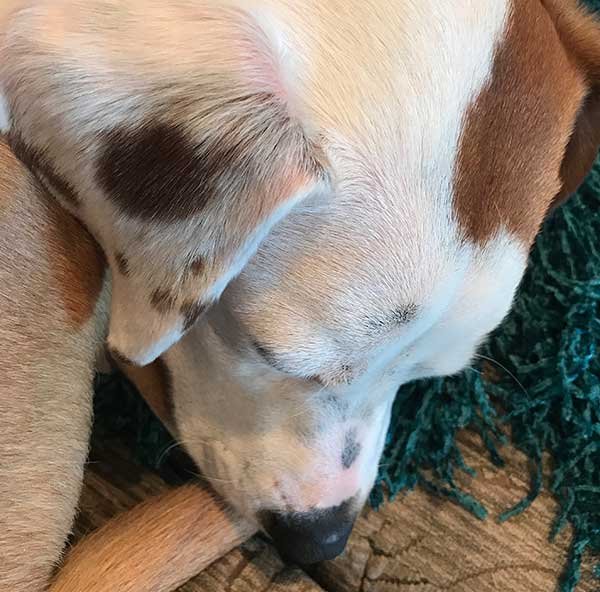
Why Do Men Love Their Dogs So Much: Real Reasons
Men often love their dogs so much because dogs give them steady companionship, emotional comfort, routine, and unconditional acceptance in a way that feels simple and honest. In the United States, where many men are expected to stay composed, self-reliant, and emotionally restrained, a dog can become one of the few relationships that feels easy to show up for and easy to trust.

The short answer: dogs meet needs many men do not say out loud
For many men in the U.S., a dog fills a gap that friendship, work, or family life does not always cover. A dog is present without demanding performance, talks back without judgment, and offers affection that does not depend on status, income, or appearance.
That matters because many men are raised to value control and independence. A dog creates a safe place to feel needed, protective, and emotionally open without the pressure of human social rules.
Why the bond feels so strong
Dogs offer uncomplicated loyalty
A dog usually greets its person with the same energy whether it has been an easy day or a hard one. That consistency feels powerful because it is rare in adult life.
Men often describe their dogs as “always there” for them. That may sound simple, but it reflects a real emotional need: predictable affection reduces stress and builds trust.
Dogs create a sense of purpose
Caring for a dog adds structure to the day. Feeding, walking, training, grooming, and playing all create small responsibilities that are easy to keep and easy to measure.
For many men, especially those with demanding jobs or isolated routines, that matters. A dog makes them feel useful in a direct, visible way.
Dogs give emotional support without pressure
A dog does not ask a man to explain every feeling. It sits nearby, follows him from room to room, and responds to tone, touch, and routine.
That kind of quiet support can be easier to accept than human advice. It gives comfort without debate, which is one reason the bond can feel so deep.
Dogs help men feel grounded
Physical routines with a dog can lower the sense of drift that comes from long work hours, screen time, or loneliness. A morning walk or evening play session can break up the day and create a rhythm.
That rhythm often becomes emotionally meaningful. The dog is not just a pet; it becomes part of how a man organizes life.
What makes the male-dog bond different from simple pet ownership?
The bond is often less about possession and more about relationship. Many men do not just “have” a dog. They build a daily partnership with it.
That partnership can mirror values many men already respect:
- loyalty
- protection
- consistency
- discipline
- companionship
- trust
For some men, a dog feels like the closest thing to a teammate. For others, it feels like a family member. In either case, the dog’s role goes beyond entertainment.
The psychology behind it
Dogs reduce loneliness
Loneliness is common across age groups in the U.S., including among men who may not talk openly about it. A dog does not replace human connection, but it can reduce the feeling of being alone.
Even quiet presence matters. Hearing nails on the floor, feeling a dog lean against a leg, or coming home to an excited greeting can soften isolation.
Dogs make affection easier to express
Some men struggle to show tenderness toward people, even when they care deeply. With a dog, affection is safer and more socially acceptable.
Petting, talking to, feeding, and protecting a dog allow men to express care without needing the right words. That can feel natural in a way that human vulnerability sometimes does not.
Dogs support identity
Many men connect dogs with who they believe they are: dependable, protective, active, calm, or outdoorsy. A dog can reinforce that identity in a positive way.
For example, a man may see himself as the one who keeps the household steady. A dog gives him a living relationship where that role feels clear and rewarding.
Real-life examples of why men become attached
The dog becomes part of the routine
A man who works long hours may start by walking the dog out of duty. Over time, that walk becomes the best part of the day.
The same pattern often happens with training or weekend trips. What begins as care becomes connection.
The dog becomes a source of calm
Some men say their dog helps them decompress after stress, noise, or conflict. That is not magic. It is the result of repeated calm interaction, physical touch, and predictability.
The dog’s presence can lower the emotional volume of a home. That can feel especially valuable after a difficult workday.
The dog becomes a companion through life changes
Men often become especially attached to dogs during major life shifts:
- moving to a new city
- living alone
- divorce or separation
- retirement
- working from home
- becoming a father
In each case, the dog offers continuity. When life feels unsettled, that steady presence can mean more than people expect.
Common reasons men love their dogs so much
| Reason | What it feels like in daily life | Practical effect |
|---|---|---|
| Loyalty | The dog is happy to see him every day | Builds emotional security |
| Routine | Walks, feeding, and play become habits | Adds structure and purpose |
| Physical affection | Sitting close, leaning, following him around | Reduces stress and loneliness |
| Identity | The dog reflects values like protection and care | Strengthens self-image |
| Low-pressure connection | No need for perfect words or social performance | Makes affection easier |
| Responsibility | The dog depends on him | Creates meaning and commitment |
When the bond is especially strong
The attachment often grows stronger when a man:
- lives alone
- works remotely
- has limited close friendships
- prefers quiet over large social circles
- grew up around animals
- has experienced stress, grief, or major change
- feels more comfortable showing care through action than words
This does not mean only these men love dogs deeply. It means the dog-human bond may become especially important when life feels isolated or emotionally demanding.
What men often get from dogs that they do not get elsewhere
Dogs can provide a rare mix of things at once:
- affection without criticism
- companionship without small talk
- trust without performance
- movement without pressure
- comfort without judgment
That mix is powerful. Many men find it easier to connect with a dog because the relationship is direct and honest. The dog wants food, walks, play, and care. In return, it gives warmth and presence.
Common mistakes people make when explaining this bond
Mistake 1: Thinking it is only about masculinity
Some people assume men love dogs because dogs make them seem tough, protective, or “manly.” That explanation is too narrow.
Yes, some men connect with a dog’s protective side. But the deeper reason is usually emotional: the dog feels safe, consistent, and loving.
Mistake 2: Assuming men do not need emotional closeness
A man may not talk much about feelings, but that does not mean he does not need connection. Dogs often become important because they meet that need without social pressure.
Mistake 3: Treating it like a trend
The bond is not a fad. It comes from basic human needs: companionship, routine, touch, and trust. Those needs do not change because the culture changes.
Are there limits to this bond?
Yes. A dog can be deeply supportive, but it cannot replace human relationships, professional help, or medical care when those are needed. If a man is using a dog to avoid all people, that may signal a deeper loneliness that should be addressed.
A healthy bond looks like care, not replacement. The dog adds to life; it should not carry the full emotional weight of it.
What this means for understanding men and dogs
Men love their dogs so much because dogs make emotional life feel simpler, safer, and more honest. The relationship gives them loyalty, structure, companionship, and a place to express care without judgment.
In the U.S., where many men are taught to keep emotions tight and self-reliance high, a dog can feel like a rare exception. It is a companion that asks for very little and gives a great deal in return.
FAQs
Why are men often so attached to their dogs?
Men often become attached because dogs provide steady companionship, routine, and affection without judgment. That combination can feel especially meaningful when a man values loyalty and calm.
Do dogs help men with stress?
Yes, dogs can help some men feel calmer through touch, routine, and companionship. A dog is not a treatment for anxiety or depression, but it can be a strong source of daily comfort.
Why do men talk to their dogs so much?
Talking to a dog is low-pressure. It lets men express thoughts and feelings without worrying about being judged or misunderstood.
Is it normal for a man to love his dog like family?
Yes. Many people in the U.S. see dogs as family members. For some men, that bond becomes one of the most important relationships in their lives.
Can a dog help a man feel less lonely?
A dog can reduce the feeling of loneliness by offering company, physical presence, and routine. It does not replace people, but it can make daily life feel less empty.
Conclusion
Men love their dogs so much because dogs meet real emotional needs in a simple, reliable way. They offer loyalty, structure, comfort, and a kind of companionship that feels honest and easy to trust. For many men in the U.S., that makes a dog far more than a pet. It makes the dog a partner in everyday life.