Why Is My Dog Not Eating? Causes, Warning Signs, and What to Do
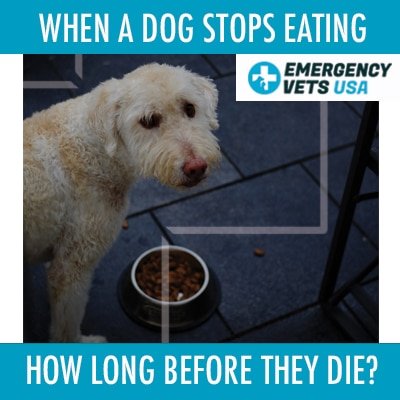
If you are asking, “why is my dog not eating,” the first thing to know is that appetite loss is a sign, not a diagnosis. Dogs can skip food for a simple reason, such as stress or a new diet. They can also stop eating when they have pain or a health problem that needs treatment.
The best way to judge the situation is to look at the whole picture. Check your dog’s energy, water intake, bowel movements, vomiting, breathing, gums, and behavior. Age also matters. A young puppy, senior dog, or dog with a known health problem may need faster veterinary advice.
Do not panic over one missed meal if your dog is otherwise bright, drinking, and acting normal. Still, a clear change from your dog’s usual eating pattern deserves attention. This guide explains why dogs stop eating, what you can safely try at home, and when a veterinarian should take a closer look.

Common reasons why is my dog not eating
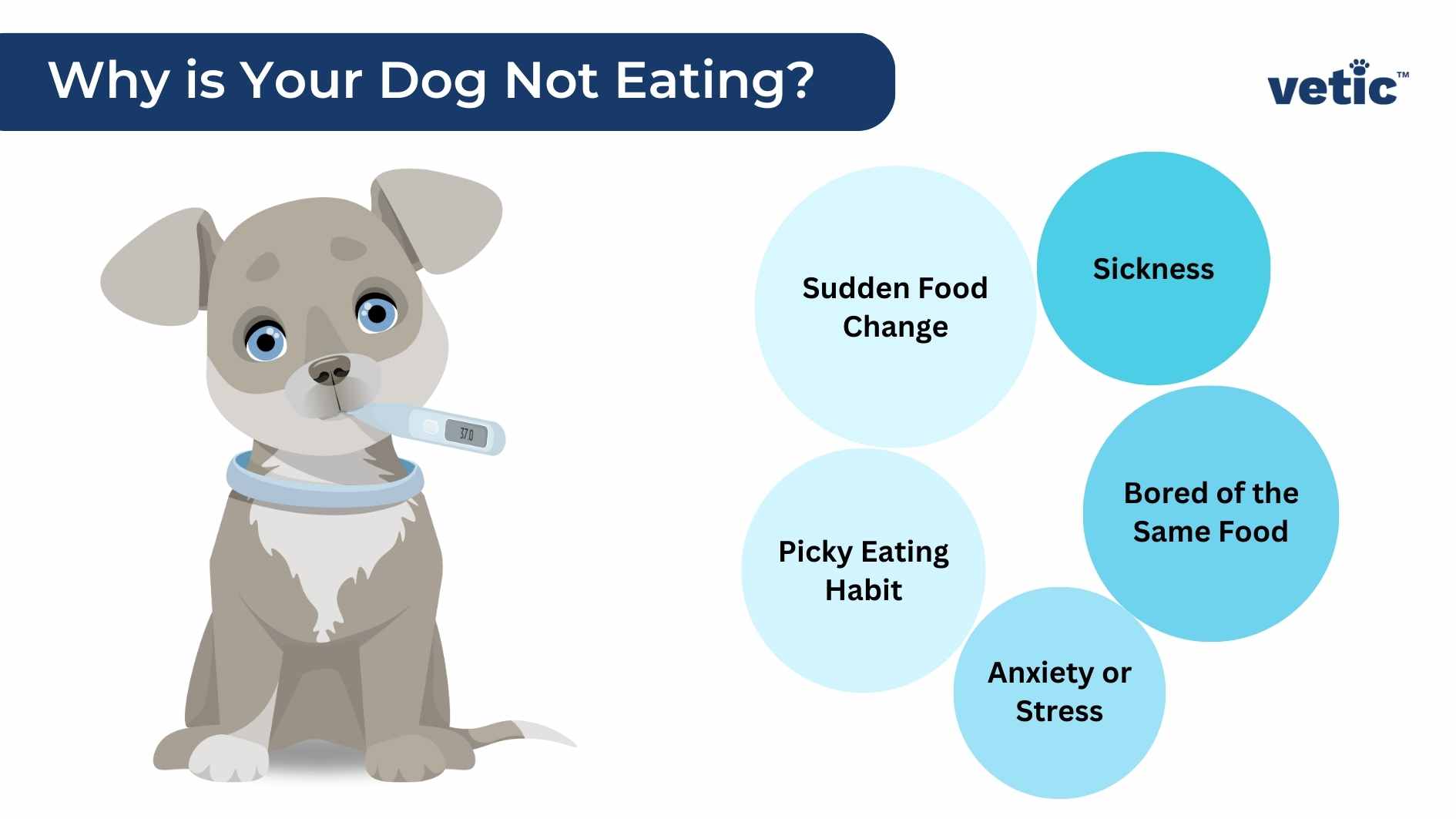
There are many possible reasons why is my dog not eating. Some are mild and short lived. Others need prompt care.
Start by asking what changed. Did you switch foods? Did someone visit your home? Has your dog started a new medicine? Is your dog chewing less, hiding, sleeping more, or showing pain? These clues can help your veterinarian find the cause.
- ✦ Stress or anxiety
Moving, travel, loud noise, guests, boarding, a new pet, or a change in routine can reduce appetite. Some dogs eat less until they feel safe again.
- ✦ Food changes
A new brand, flavor, texture, or feeding schedule may make a dog refuse food. A sudden diet change can also upset the stomach.
- ✦ Dental pain
Broken teeth, gum disease, mouth sores, or other oral pain can make eating hard. A dog may seem hungry but drop food, chew on one side, or avoid dry food.
- ✦ Stomach upset
Nausea, mild digestive upset, or eating something unusual can reduce appetite. Vomiting or diarrhea makes this more important to watch.
- ✦ Pain elsewhere in the body
Pain from an injury or another health problem can cause a dog to lose interest in food. Changes in posture, movement, sleep, or behavior can offer useful clues.
- ✦ Medication effects
Some medicines can change appetite or cause nausea. If your dog’s appetite changed after starting a medicine, tell the prescribing veterinarian.
- ✦ Underlying illness
Infections, digestive disease, kidney or liver problems, hormonal disease, and other conditions can cause appetite loss. A veterinarian may need to examine your dog and run tests to find the cause.
Why a dog may refuse food but still drink water
A dog that drinks water but skips food may have mild nausea, stress, dental pain, or another problem. Drinking normally is reassuring, but it does not rule out illness.
Watch for other changes. Vomiting, diarrhea, low energy, pain, weight loss, or changes in urination can help show how serious the problem may be.
- ✦ Watch behavior
Notice whether your dog still wants walks, play, attention, and normal activities.
- ✦ Watch the stomach
Note vomiting, diarrhea, repeated swallowing, drooling, or signs of nausea.
Could dental pain be why my dog is not eating?
Dental pain is an easy cause to miss. Dogs often hide pain, and some will keep acting fairly normal even when their mouth hurts.
Look for signs such as bad breath, red or swollen gums, drooling, pawing at the mouth, chewing on one side, dropping food, or refusing hard food. Never force your dog’s mouth open if doing so causes pain or fear.

- ✦ Dry food refusal
A dog with mouth pain may avoid kibble but show interest in softer food. This pattern is a useful clue for your veterinarian.
- ✦ Bad breath
Strong or unusual breath odor can occur with dental disease and should be checked, especially when paired with eating problems.
- ✦ Mouth discomfort
Drooling, chewing slowly, dropping food, or rubbing the face can point to pain in the mouth.
What you should not do for suspected dental pain
Do not give human pain medicine unless a veterinarian specifically tells you to do so. Some common human medicines can be dangerous for dogs.
A veterinary exam can identify dental disease, a broken tooth, a foreign object, or another mouth problem. Treatment depends on the cause.
- ✦ Do not use human medicine
Human pain medicines can harm dogs. Ask your veterinarian about safe options instead.
- ✦ Do not force food
Force-feeding can increase stress and may cause choking or aspiration if done incorrectly.
When not eating may mean your dog is sick
Sometimes the answer to why is my dog not eating is a health problem rather than picky eating. Appetite loss can occur with infections, pain, digestive problems, organ disease, and other conditions.
The risk is higher when food refusal comes with other symptoms. A dog that stops eating and also becomes weak, vomits repeatedly, has severe diarrhea, or seems painful needs more attention than a dog that simply skips one meal while acting normal.
- ✦ Repeated vomiting
Repeated vomiting can lead to dehydration and may occur with problems that need urgent care.
- ✦ Severe or bloody diarrhea
Severe diarrhea, especially with weakness, dehydration, or blood, should be discussed with a veterinarian promptly.
- ✦ Extreme weakness
A dog that will not eat and is very weak, difficult to wake, or unable to stand needs urgent veterinary assessment.
- ✦ Pain or a swollen belly
A painful, tense, or swollen abdomen can be a serious sign. Seek veterinary care rather than trying home remedies.
- ✦ Breathing trouble
Difficulty breathing is an emergency. Do not wait for appetite to return before getting help.
- ✦ Possible toxin exposure
If your dog may have eaten a harmful substance, contact a veterinarian or animal poison service right away. Do not make your dog vomit unless a professional tells you to.
Red flags that need urgent veterinary care
A sudden loss of appetite becomes more concerning when your dog looks or acts sick. Trust changes that are clearly different from your dog’s normal behavior.
If you are unsure, call your veterinary clinic. In the United States, an emergency veterinary hospital can help when your regular clinic is closed.
- ✦ Emergency signs
Seek urgent care for trouble breathing, collapse, seizures, severe weakness, a swollen or very painful abdomen, uncontrolled bleeding, or suspected poisoning.
- ✦ Puppies and fragile dogs
Very young puppies and dogs with serious health problems may become unwell faster. Call your veterinarian sooner rather than waiting.
How long can a dog go without eating?
There is no single safe time limit that fits every dog. A healthy adult dog may occasionally skip a meal, but ongoing food refusal is not something to ignore.
The dog’s age, size, health, medications, and symptoms all matter. A puppy, diabetic dog, senior dog, or dog with another medical condition may need advice sooner than a healthy adult dog.
Instead of watching the clock alone, watch the whole dog. If your dog is not eating and also seems sick, contact your veterinarian rather than waiting for a set number of hours.
- ✦ One missed meal
If a healthy adult dog skips one meal but remains active, comfortable, and hydrated, you can monitor closely and offer the next normal meal.
- ✦ Ongoing appetite loss
If your dog continues to refuse food or the eating pattern keeps changing, contact your veterinarian for guidance.
- ✦ High-risk dogs
Puppies, elderly dogs, pregnant or nursing dogs, and dogs with known medical conditions may need faster assessment.
Why puppies need extra care
Puppies have smaller bodies and can be more vulnerable to problems caused by poor food and fluid intake. A puppy that refuses food, vomits, has diarrhea, or becomes weak should be assessed promptly.
Do not assume a puppy is simply being picky. Ask your veterinarian how quickly your puppy should be seen based on age, size, vaccination status, and symptoms.
- ✦ Small body size
Young puppies have less reserve than many healthy adult dogs, so a sudden change can matter more.
- ✦ Other symptoms
Vomiting, diarrhea, weakness, shaking, or unusual sleepiness make food refusal more concerning.
What to do if your dog is not eating
If your dog is otherwise alert and has no emergency signs, start with simple steps. Keep fresh water available and offer the food your dog normally eats at the usual meal time.
Avoid turning the situation into a buffet of treats and table scraps. Too many extras can upset the stomach and may teach a picky dog to wait for something better.
If your dog seems interested in food but cannot eat, stop trying to solve the problem with new foods. That pattern may point to pain, nausea, or another issue that needs a veterinary exam.

- ✦ Check the food
Make sure the food is fresh, stored well, and has not changed in smell, texture, or appearance.
- ✦ Keep the routine calm
Feed your dog in a quiet place away from loud noise, busy traffic, and other pets that may create stress.
- ✦ Offer fresh water
Keep clean water available. Note whether your dog drinks much more or much less than usual.
- ✦ Avoid force-feeding
Do not force food into your dog’s mouth unless a veterinarian has given you a specific feeding plan.
- ✦ Track symptoms
Write down when your dog last ate, drank, vomited, had a bowel movement, took medicine, or showed unusual behavior.
- ✦ Call your veterinarian when needed
Contact your veterinarian if appetite loss continues, keeps returning, or comes with other changes that concern you.
Should you change your dog’s food?
Changing food may help when a dog dislikes a new formula, but changing food again and again can make the problem harder to understand. If you need to change diets, ask your veterinarian about a gradual transition.
A dog that suddenly refuses a food it used to love may have a health issue. Do not assume the dog is simply being stubborn.
- ✦ Use familiar food first
When there are no signs of illness, start with the food your dog normally eats rather than adding many new foods.
- ✦ Avoid constant food switching
Frequent changes can cause digestive upset and make it difficult to identify what your dog tolerates.
Why is my dog not eating but acting normal?
This is a common question. A dog that skips food but still plays, drinks, sleeps normally, and shows interest in daily activities may have a minor cause such as stress, a food change, mild stomach upset, or simply less hunger than usual.
Still, acting normal does not prove that nothing is wrong. Some dogs show very few signs early in an illness, so keep watching for changes and contact your veterinarian if the appetite problem continues.
- ✦ Stress
A change in home life, travel, visitors, fireworks, or other stress can briefly reduce appetite.
- ✦ Too many treats
A dog that gets many treats or snacks may not be hungry at normal meal times.
- ✦ Warm weather
Some dogs may eat less during hot weather, but they should still have access to clean water and should not show signs of heat illness.
- ✦ Food preference
Some dogs become selective after getting used to highly rewarding treats or table food.
How to tell picky eating from a health problem
Picky eating often comes and goes while the dog stays bright and active. A health problem is more likely when appetite loss is paired with pain, vomiting, diarrhea, weight loss, low energy, or another new symptom.
Look for a pattern rather than one meal. A clear and lasting change from your dog’s normal eating habits deserves a closer look.
- ✦ Picky pattern
The dog may refuse one food but happily eat another while showing normal energy and behavior.
- ✦ Illness pattern
The dog may lose interest in food along with changes in energy, digestion, weight, movement, or behavior.
What will a veterinarian do for a dog that is not eating?
Your veterinarian will start with your dog’s history and a physical exam. Be ready to share when the appetite changed, what your dog normally eats, recent diet changes, medications, possible access to unsafe items, and any other symptoms.
The exam may include checking the mouth, teeth, gums, abdomen, hydration, temperature, heart, lungs, and overall behavior. The next steps depend on what the veterinarian finds.
Some dogs need only close monitoring and simple treatment. Others may need blood work, imaging, stool testing, or other tests to find the cause of appetite loss.

- ✦ Medical history
The veterinarian may ask about food, treats, medications, recent travel, changes at home, bowel movements, vomiting, and possible toxin exposure.
- ✦ Physical examination
The veterinarian checks for signs of pain, dehydration, dental disease, fever, breathing problems, and other abnormalities.
- ✦ Diagnostic tests
Blood tests, urine tests, stool tests, X-rays, ultrasound, or other tests may be used when the exam suggests they are needed.
- ✦ Treatment
Treatment depends on the cause. It may involve dental care, fluids, diet support, medicine, treatment for infection, or care for another medical problem.
What information should you bring to the appointment?
A simple timeline can help. Write down when your dog last ate a normal meal and note any vomiting, diarrhea, changes in drinking, unusual behavior, or possible exposure to something unsafe.
If possible, bring the food label or a photo of the food and a list of all medicines and supplements. These details can help the veterinarian work faster.
- ✦ Food history
Record the brand, type, amount, treats, table food, and any recent diet changes.
- ✦ Symptom timeline
Note when appetite changed and when other symptoms began.
How to prevent appetite problems in dogs
You cannot prevent every cause of appetite loss, but good daily care can lower some risks. Keep your dog’s diet steady, store food safely, keep harmful items out of reach, and maintain regular veterinary care.
Dental care also matters. Regular mouth checks and professional dental care when advised can help catch painful problems before they become severe.
- ✦ Keep meals consistent
Use a regular feeding routine and avoid frequent, sudden diet changes.
- ✦ Limit table scraps
Human food can add extra calories and may upset the stomach. Some foods are also unsafe for dogs.
- ✦ Protect your dog from toxins
Store medicines, chemicals, certain foods, and other harmful items where your dog cannot reach them.
- ✦ Maintain dental care
Use a veterinarian-approved dental routine and arrange dental checks when recommended.
- ✦ Track normal habits
Knowing your dog’s normal appetite, drinking, stool, energy, and weight makes changes easier to spot.
- ✦ Keep routine veterinary visits
Regular exams can help identify health problems before they cause major changes in appetite.