Why Do I Love My Dog More Than People: The Real Reason
If you have ever wondered, “Why do I love my dog more than people?”, you are not strange, cold, or broken. For many people in the United States, the answer is simple: dogs often feel safer, steadier, and less judgmental than people do. That does not mean you cannot love people. It usually means your bond with your dog meets emotional needs that human relationships have not met as reliably.
Why dog love can feel stronger than people love
You may love your dog more than people because the relationship is built on trust, routine, and clear emotional reward. Dogs give you consistent affection, show excitement when you come home, and do not argue with your feelings. That kind of steady response can feel deeply comforting, especially if human relationships have been stressful.
In the U.S., many people also live with high social pressure, busy schedules, and a lot of loneliness. A dog can become the one part of the day that feels simple and honest. That does not make the bond less real. It means the bond is giving you something important.
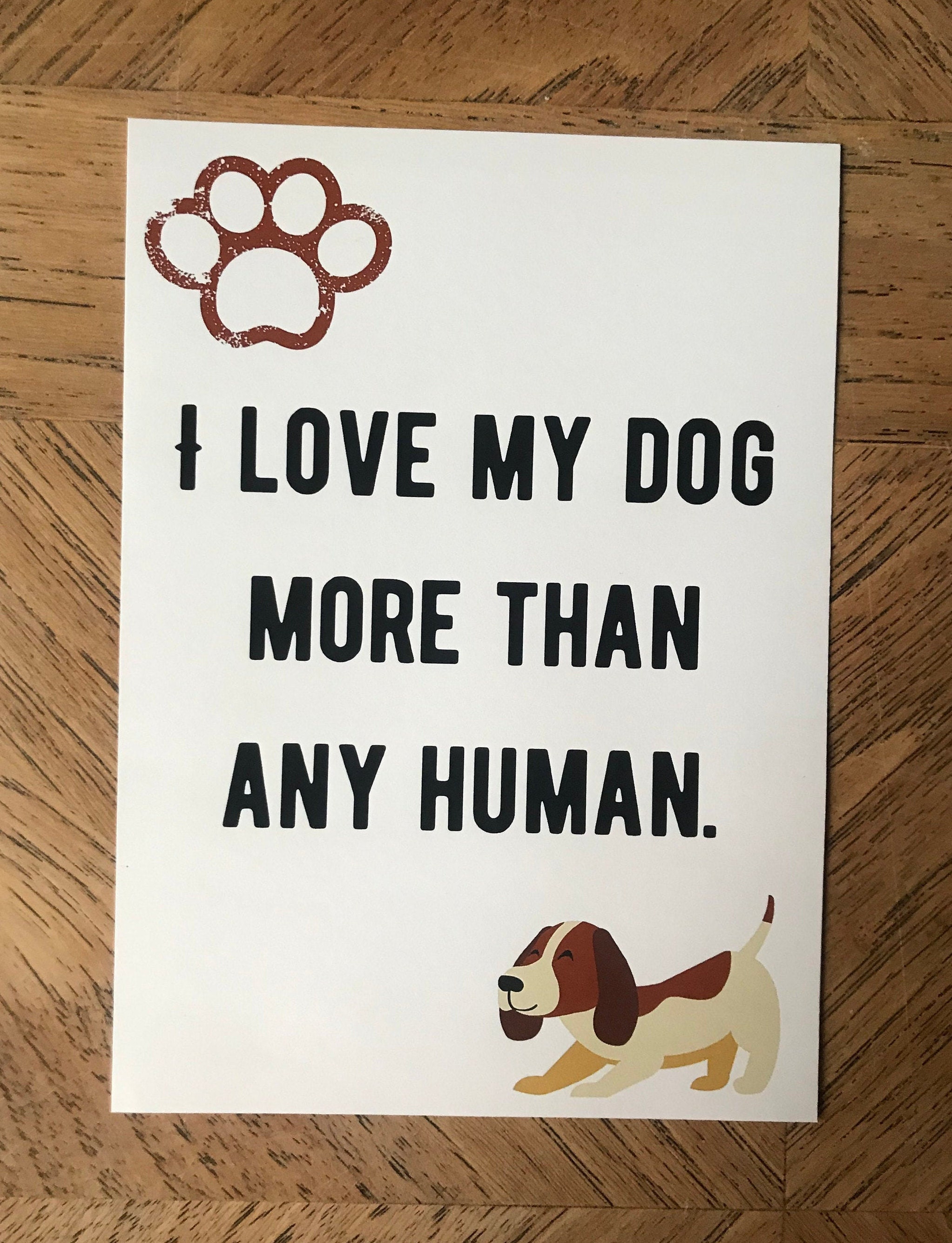
What your attachment to your dog may be telling you
A strong attachment to a dog often points to a healthy capacity for care, not a lack of care for people. Dogs can activate attachment feelings because they depend on us, respond to our moods, and stay close during stress. That can make the relationship feel emotionally rich in a way that is easier to trust than some human connections.
It can also reflect unmet needs. If people have disappointed, criticized, ignored, or drained you, your dog may feel like the one relationship that does not demand performance. In that case, the love is not “too much.” It may be a sign that you want safety, loyalty, and emotional ease.
Why dogs can feel easier to love than people
Dogs can feel easier to love because they are predictable in ways people are not. They usually offer affection without sarcasm, mixed signals, or social games. For someone who finds human relationships complicated, a dog can feel like a calm place to land.
Dogs also provide immediate emotional feedback. If you are sad, your dog may sit near you. If you are happy, your dog may match your energy. That simple back-and-forth can feel more emotionally satisfying than relationships that require long talks, compromise, or repair after conflict.
Common reasons the bond feels stronger
- Less judgment: Your dog does not criticize your clothes, job, or mistakes.
- More consistency: Your dog often acts the same way from day to day.
- Clear affection: A wagging tail or a cuddle is easy to read.
- Lower conflict: The relationship usually has fewer arguments.
- A sense of purpose: Caring for a dog can make your day feel meaningful.
Is it normal to love a dog more than people?
Yes, it is normal to feel that way at times. Human emotions are not ranked by a rulebook. Many Americans describe their dogs as family because the relationship is close, daily, and emotionally important.
What matters is not whether you love your dog “more” in a perfect comparison. What matters is whether your feelings are helping you live well. If your bond with your dog supports your mental health, comfort, and sense of belonging, it is a valid relationship. If it is replacing every human connection, that may be a sign to look closer at what is missing.
When this feeling is healthy and when it needs attention
This feeling is usually healthy when your dog helps you feel calmer, more connected, and more responsible in a good way. It is also healthy when you still keep some human relationships, even if they are limited. Loving your dog deeply and preferring animals over many people is common and not automatically a problem.
It may need attention if you avoid all people because of fear, sadness, or past hurt. It may also need attention if you feel angry, numb, or unable to trust anyone at all. In that case, the dog is not the problem. The dog may simply be where your emotions feel safest.
| What you notice | Possible meaning | What to do next |
|---|---|---|
| You prefer your dog’s company but still have a few close people | Normal preference and attachment | Enjoy the bond and keep healthy human ties |
| You trust your dog more than most people | Past disappointments may be shaping your view | Notice patterns in your relationships |
| You feel calm with your dog but tense around everyone else | Social stress or anxiety may be involved | Reduce pressure and build safer connections |
| You avoid people entirely | Emotional hurt or isolation may be growing | Consider talking with a mental health professional |

How to think about this feeling without judging yourself
Start by asking what your dog gives you that people do not. The answer is often comfort, loyalty, routine, or quiet companionship. Once you name that need, the feeling becomes easier to understand.
Then ask whether you want the same qualities from people. If you do, that can guide you toward better friendships and family boundaries. You do not need to stop loving your dog to want more from human relationships. The goal is balance, not guilt.
What to do if you feel like dogs are the only ones who understand you
If your dog feels like the only being that understands you, start with small steps rather than forcing a big social change. Keep caring for your dog, but also test low-pressure human contact. A short text, a brief coffee, or a walking group can be enough at first.
If the feeling comes with sadness, hopelessness, or long-term withdrawal, talk with a licensed mental health professional. In the U.S., a therapist can help you sort out loneliness, social anxiety, grief, trauma, or burnout without taking away your bond with your dog. That bond can stay part of your healing.
Common misconceptions about loving a dog more than people
One common misconception is that this means you are incapable of human love. That is not true. Many people who adore their dogs are deeply caring in other relationships too.
Another misconception is that preferring a dog means you hate people. Usually, it means people feel harder to trust. That difference matters. Preference is not the same as hostility.
A third misconception is that this feeling is childish. It is not. Dogs often meet real emotional needs in an honest, nonverbal way. That can be powerful at any age.
FAQ
Why do I feel safer with my dog than with people?
Dogs are usually more predictable than people. They do not criticize, interrupt, or judge in the same way. That predictability can create a strong sense of safety.
Does loving my dog more than people mean something is wrong with me?
Not necessarily. It often means your dog meets emotional needs that people have not met consistently. It becomes a concern only if it comes with isolation or distress.
Can a dog replace human connection?
A dog can support you, but it cannot fully replace human connection. Most people still need some kind of human support for long-term emotional health.
Why do I cry when I think about losing my dog?
Because the bond is real and attachment is strong. For many people, a dog is a daily source of comfort, structure, and unconditional presence.
Should I feel guilty for loving my dog so much?
No. Love is not a limited resource. You can love your dog deeply and still work on human relationships at your own pace.
Conclusion
If you love your dog more than people, that often says more about the safety and comfort your dog gives you than about any flaw in you. In the United States, where many people feel stressed, lonely, or judged, a dog can become the most emotionally reliable presence in the home. That bond is valid.
The best next step is simple: appreciate the relationship, learn what it gives you, and notice whether you also want more from people. If you do, your dog can stay part of your support system while you build human connections that feel safer and more real.