Why Do Humans Need Dogs: 7 Surprising Benefits
Humans do not biologically need dogs to survive, but many people in the United States do need dogs in a practical, emotional, and social sense. Dogs help people feel less alone, move more, build routine, and create safer-feeling homes and neighborhoods. They also provide working support in roles like service, police, military, search and rescue, and therapy.
Across the U.S., dogs are not just pets. They are companions, helpers, and sometimes lifelines. For millions of Americans, that is the real answer to why humans need dogs.

Why do humans need dogs?
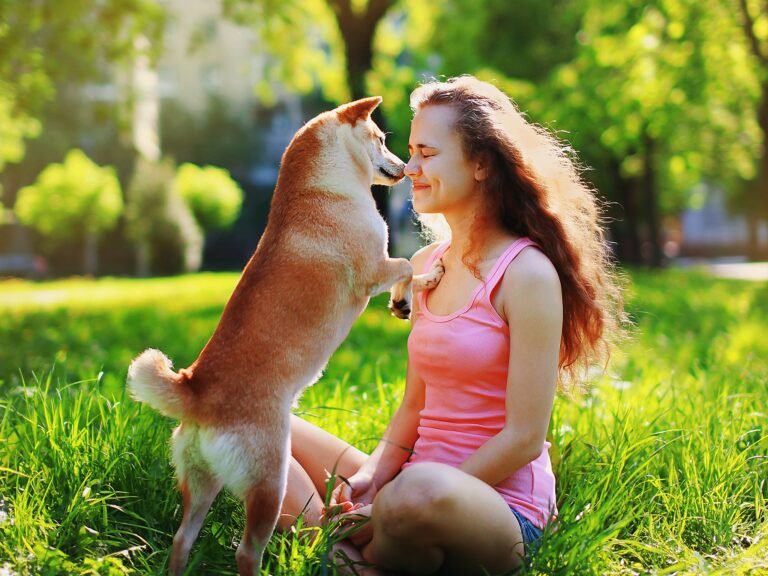
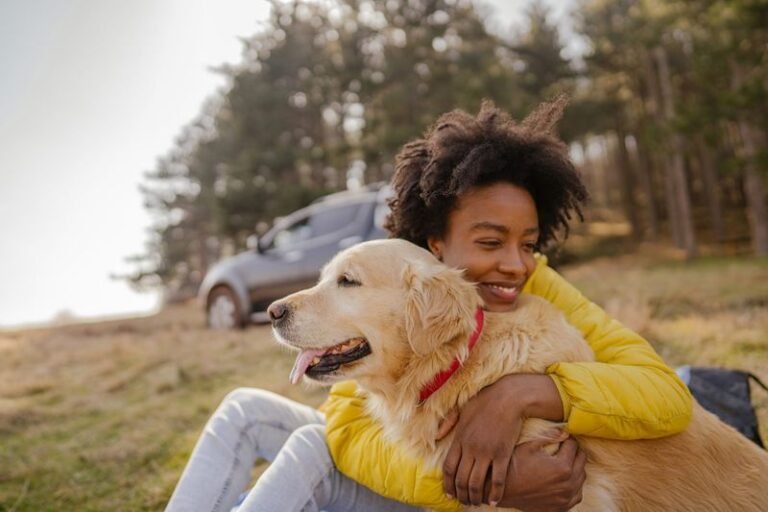
Humans need dogs because dogs meet several needs at once: companionship, structure, physical activity, emotional support, and assistance with daily life. A dog can reduce loneliness, encourage regular movement, and give many people a sense of purpose through daily care.
That does not mean every person needs a dog. But for the right household, the relationship can improve quality of life in ways that are hard to replace with anything else. Dogs are especially valuable when people want connection, routine, and a reason to get outside.
What dogs do for people that other animals often do not
Dogs are unusually responsive to human cues. Over thousands of years, people bred and selected dogs for cooperation, attention to people, and a strong ability to work alongside humans. That makes dogs different from many other companion animals.
Their value comes from this mix of traits:
- Social connection: Dogs often seek eye contact, touch, and interaction.
- Trainability: Many dogs can learn complex tasks and household rules.
- Routine support: Feeding, walking, and grooming create daily structure.
- Task help: Some dogs can assist people with disabilities or safety needs.
- Emotional feedback: Dogs often react quickly to human tone, movement, and mood.
In practical terms, that means a dog can fit into human life as both a companion and a functional partner.

The main reasons humans benefit from dogs
1. Dogs reduce loneliness and increase companionship
Loneliness is one of the biggest reasons people say they need a dog. A dog provides consistent social presence, which matters in a country where many people live alone, work remotely, or have limited face-to-face contact.
Unlike a casual social contact, a dog is present every day. That steady presence can make mornings, evenings, and quiet weekends feel less empty. For older adults, single adults, and people living far from family, that companionship can be deeply meaningful.
2. Dogs encourage more physical activity
Dogs often make people move more. Walking, playing, training, and caring for a dog can increase daily activity without requiring a gym or structured workout plan.
That matters because many Americans struggle with sedentary routines. A dog creates a simple reason to go outside, even when motivation is low. Over time, that can support better mobility, more consistent walking habits, and a healthier daily rhythm.
3. Dogs help create routine and responsibility
Dogs need food, water, exercise, bathroom breaks, and attention on a regular schedule. That routine can help people who benefit from structure, including children, teens, adults living alone, and some people coping with stress or grief.
Responsibility is not just about chores. It can give a person a sense of being needed. That feeling often improves follow-through, because the dog depends on the human every day.
4. Dogs can support mental well-being
Many people report that dogs help them feel calmer, less isolated, and more grounded. Physical touch, predictable behavior, and companionship can all help lower stress in everyday life.
That said, a dog is not a substitute for professional mental health care. A dog may help with comfort and routine, but it cannot replace therapy, medication, or crisis support when those are needed. Still, for many people, the presence of a dog makes daily stress easier to manage.
5. Dogs serve in important working roles
In the U.S., dogs do more than live in homes. They work in roles that directly support human safety and independence.
Common working roles include:
- Service dogs for people with disabilities
- Police dogs for detection and apprehension support
- Military dogs for patrol, detection, and protection
- Search and rescue dogs for locating missing people
- Detection dogs for scents related to narcotics, explosives, medical alerts, or other targets
- Therapy dogs in hospitals, schools, and care settings
These dogs help because their senses, trainability, and loyalty are useful in ways technology cannot fully replace.
6. Dogs strengthen family and community bonds
Dogs often become a shared focus in households and neighborhoods. They give families a reason to spend time together, take walks, and talk with other people at parks, trails, or vet clinics.
For children, dogs can also teach empathy, consistency, and respectful handling of another living being. For adults, dogs can make it easier to connect with neighbors and strangers in ordinary settings. That social side is one reason dogs matter beyond the home.
When a dog is a good fit, and when it is not
A dog is a good fit when a person or household can meet the animal’s real needs. That includes time, money, space, training, and veterinary care.
A dog may be the right choice if you:
- Have time for daily care
- Can afford food, grooming, vaccines, and vet visits
- Want regular companionship
- Can commit to training and behavior management
- Have a stable living situation that allows dogs
A dog may not be the right choice if you:
- Travel often without reliable pet care
- Work long hours with no backup support
- Live in housing that does not allow dogs
- Cannot manage the cost of care
- Want a pet but not the daily responsibility
This matters because dogs need more than affection. A dog that is poorly matched to a home can become stressed, undertrained, or neglected.
Common misconceptions about why humans need dogs
“Everyone needs a dog.”
Not true. Many people live full, healthy lives without dogs. The better question is whether a dog fits a person’s needs, schedule, and resources.
“Dogs fix loneliness on their own.”
Dogs can help with loneliness, but they do not solve every social or emotional problem. People still need human connection, support systems, and professional help when needed.
“Any dog will improve life equally.”
Not necessarily. Temperament, age, size, training, health, and energy level all matter. The right dog for one person may be a poor fit for another.
“Dogs are low-maintenance.”
Dogs are usually high-commitment animals. They need daily care, training, vet care, and long-term planning.
The practical trade-offs of having a dog
Dogs bring benefits, but they also bring costs and limits. A balanced decision should include both.
| Factor | Benefit | Trade-off |
|---|---|---|
| Companionship | Less loneliness, more daily connection | Less flexibility and more dependence |
| Routine | More structure and consistency | Daily obligations every day |
| Exercise | More walking and activity | Weather, time, and mobility can be barriers |
| Emotional support | Comfort during stress | Not a replacement for medical care |
| Working support | Assistance with specific tasks | Training and access rules can be complex |
The main trade-off is simple: dogs give a lot, but they also ask for a lot. The best outcomes happen when the match is realistic.
Signs a dog is helping rather than hurting your life
A dog is likely helping if:
- You feel more connected, not more overwhelmed
- Care tasks fit into your routine
- The dog is gaining skills and stability through training
- You can afford ongoing care without strain
- Your household is calmer and more organized because of the dog
A dog may be causing problems if:
- Care feels constantly unmanageable
- The dog’s behavior creates unsafe situations
- Veterinary care is being delayed because of cost
- The animal is increasing stress more than it reduces it
- Family members disagree strongly about the responsibility
If the second list sounds familiar, the problem may be the fit, not the dog itself.

FAQs
Do humans actually need dogs to live?
No. Humans do not need dogs for survival. But many people benefit from dogs in emotional, social, and practical ways.
Why are dogs so popular in the United States?
Dogs fit American life well because they often align with home life, outdoor activity, and family routines. They also serve major roles in service, safety, and assistance work.
Are dogs better than cats for companionship?
That depends on the person. Dogs are usually more interactive and task-oriented. Cats may suit people who want a quieter, lower-maintenance pet.
Can a dog help with anxiety?
A dog may help some people feel calmer by adding routine, touch, and companionship. But a dog is not a medical treatment and should not replace professional mental health care.
What is the biggest reason people say they need dogs?
Companionship is often the biggest reason. Many people want the steady presence, affection, and routine that dogs provide.
Conclusion
Humans do not need dogs to survive, but many people need what dogs provide: companionship, routine, movement, comfort, and in some cases direct assistance. In the United States, dogs also play important roles in homes, workplaces, public safety, and disability support.
The real question is not whether every human needs a dog. It is whether a dog fits a person’s life well enough to improve it. When the match is right, the relationship can be one of the most useful and meaningful partnerships humans ever built.