Why Are Dogs Important To Humans: 7 Key Reasons
Dogs are important to humans because they provide companionship, support mental well-being, improve daily routines, help with work and service tasks, and strengthen social connection. In the United States, dogs are also woven into family life, public life, and service systems in ways that make their value both emotional and practical.
For many American households, a dog is not just a pet. A dog can be a source of comfort, a reason to go outside, a helper for disability-related needs, and a steady presence that changes how a person lives day to day.
What Makes Dogs So Important to Humans?
Dogs matter to humans because they combine emotional support with real-world usefulness. They are one of the few animals that can fit into homes, workplaces, and service roles while also forming strong social bonds with people.
That mix is unusual. Many animals are loved. Fewer can also assist with mobility, hearing, seizure response, police work, search and rescue, therapy visits, and livestock management. Dogs do all of those things, often in the same society.
In the U.S., this matters at scale. Millions of households include dogs, and many Americans depend on dogs in daily life. The result is a relationship that is both personal and public.
Why Do Humans Bond So Strongly With Dogs?
Humans bond with dogs because dogs are highly responsive to human attention, voice, and routine. Over thousands of years, domestication selected for dogs that could live near people and read human cues better than many other animals.
That responsiveness builds trust. A dog learns its owner’s patterns, and the owner learns the dog’s signals. Over time, that shared rhythm creates attachment.
Dogs also tend to show behaviors people interpret as loyalty, affection, and protection. While the exact emotional experience varies by dog and person, the bond is real and widely recognized in behavioral research and everyday life.
How Dogs Support Mental Health and Emotional Well-Being
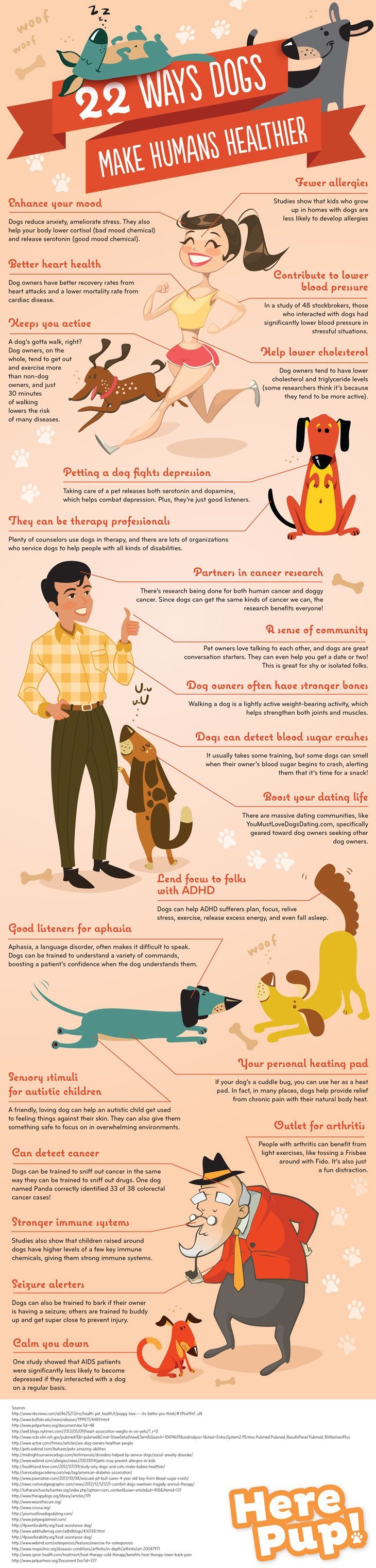
Dogs can reduce loneliness, increase structure, and provide comfort during stress. For many people, the simple act of caring for a dog creates a daily anchor: feeding, walking, grooming, and play.
That routine can help people feel needed and connected. A dog often gives immediate feedback through tail wags, eye contact, or physical closeness, which can be emotionally grounding.
Dogs are not a cure for depression, anxiety, or trauma. But they can be one helpful support in a broader care plan. People with serious mental health concerns should not rely on a dog alone instead of professional treatment.
Practical ways dogs help emotionally
- They offer companionship when a person lives alone.
- They encourage daily movement and routine.
- They can reduce feelings of isolation.
- They may make stressful moments feel more manageable.
- They can help children and older adults feel less alone.
How Dogs Improve Physical Health and Daily Life
Dogs often increase physical activity because they need walks, play, and outdoor time. That matters in the U.S., where many adults struggle to stay active consistently.
A dog can also change the structure of a day. People who might skip a walk may still go out because the dog needs it. That small push can build a healthier habit over time.
For some people, the health benefit is indirect but important. More movement can support cardiovascular health, mood, sleep, and weight management. The dog becomes a built-in reason to move.
Why Are Dogs Important for Children and Families?
Dogs can help children learn responsibility, empathy, and safe animal handling. When adults supervise well, a dog can be part of a child’s routine in ways that teach care and consistency.
Dogs can also help family life feel more connected. Shared walks, games, and training sessions give families a common activity. For many American homes, the dog becomes a center point for time together.
There are limits, though. Young children should never be left unsupervised with a dog, even a trusted family pet. Safety depends on the dog’s temperament, the child’s behavior, and adult oversight.
What Roles Do Dogs Play in Society?
Dogs play many roles beyond family companionship. In the United States, they work in service, therapy, protection, detection, and rescue.
Common working roles for dogs
- Service dogs: Assist people with disabilities.
- Therapy dogs: Visit hospitals, schools, and care facilities to provide comfort.
- Police and military dogs: Help with detection, tracking, and apprehension.
- Search and rescue dogs: Locate missing people in disasters or wilderness areas.
- Detection dogs: Find drugs, explosives, electronics, or agricultural threats.
- Herding dogs: Help manage livestock on farms and ranches.
These roles matter because dogs can do tasks that technology or people alone cannot always do as effectively. Their sense of smell, speed, and trainability make them uniquely useful.
Why Are Dogs Useful in Service and Assistance Work?
Dogs are useful in service work because they can learn specific tasks and perform them reliably in daily environments. A trained service dog can help a person navigate disability-related barriers with more independence.
For example, a guide dog can help a person with visual impairment move safely through public spaces. A seizure alert or response dog may help with warning signs or post-seizure support, depending on the dog and training. A mobility assistance dog may help retrieve items or assist with balance-related tasks when trained for those duties.
This is one reason dogs are not interchangeable with other pets. Their trainability and close cooperation with humans make them practical partners, not just companions.
How Dogs Strengthen Community and Social Connection
Dogs often help people connect with other people. A walk around a neighborhood, a visit to a dog park, or a training class can create natural conversation starters.
That social effect matters. In many U.S. communities, dogs help reduce isolation by making everyday interaction easier. A person may speak with neighbors more often because of a dog.
Dogs can also help people feel more included in public life. When a dog is part of a routine, the owner may visit parks, trails, stores, or events more often, depending on local rules and the dog’s training. In that way, dogs can support both social life and community participation.
What Are the Limits of Dog Ownership?
Dogs are important, but they are not simple. They require time, money, training, and long-term care. Their importance to humans does not remove the responsibility humans have toward them.
Common limits and challenges
- Cost: Food, vet care, grooming, training, and supplies add up.
- Time: Dogs need daily attention and exercise.
- Behavior issues: Poor training can create stress or safety problems.
- Allergies: Some people cannot live comfortably with dogs.
- Housing rules: Renters may face pet restrictions or fees.
- Not every dog fits every person: Breed, age, energy level, and temperament matter.
A dog is most helpful when the match is right. A highly active dog may overwhelm a sedentary household. A sensitive dog may not do well in a noisy home. Good ownership means choosing carefully and planning for the dog’s full lifespan.
When Dogs Help Most — and When They Do Not
Dogs help most when the person can meet the dog’s basic needs and when the dog’s role matches the person’s life. A calm older adult may benefit from a gentle companion dog. A runner may enjoy an energetic dog that fits an active lifestyle.
Dogs help less when expectations are unrealistic. A dog cannot solve loneliness by itself, replace medical care, or fix family conflict. It can support those areas, but it cannot carry them alone.
The best results come from a balanced relationship. The human provides care, structure, and safety. The dog provides companionship, motivation, and useful support.
How to Decide Whether a Dog Is Right for You
A dog may be a good fit if you want daily companionship and can commit to routine care. It is a better fit if your schedule, housing, budget, and energy level can support a living animal for many years.
A quick decision guide
| Question | If the answer is yes | If the answer is no |
|---|---|---|
| Do you have time for daily care? | A dog may fit your life well. | A dog may become stressful fast. |
| Can you afford vet care and supplies? | You can plan responsibly. | Ownership may be risky. |
| Is your home dog-friendly? | Training and setup are easier. | You may face constant conflict. |
| Do you want a long-term commitment? | A dog can be a strong companion. | Another pet or no pet may be better. |
This kind of check matters more than breed trends or social media appeal. The right dog is the one you can truly care for.
Common Questions About Why Dogs Matter to Humans
Do dogs really improve human happiness?
Yes, for many people they do. Dogs can increase routine, reduce loneliness, and create moments of joy. The effect is strongest when the owner has time, stable housing, and a good match with the dog.
Are dogs better than other pets for companionship?
Often, yes, because dogs are highly interactive and responsive to people. But “better” depends on the person. Some people may connect more easily with cats, birds, or other animals.
Can a dog replace therapy or medical care?
No. A dog can support emotional well-being, but it cannot replace professional treatment, medication, or emergency care when those are needed.
Why do service dogs matter so much?
Service dogs help people with disabilities do everyday tasks more independently. That can change access, safety, and quality of life in a direct way.
Why do dogs seem to understand humans so well?
Dogs are highly attuned to human tone, gestures, and routines. That makes them especially good at reading social cues and adjusting to people.
Conclusion
Dogs are important to humans because they offer companionship, practical help, emotional support, and social connection. In the United States, they also play major roles in families, public life, and service work.
Their value comes from both heart and function. A dog can comfort a child, motivate an adult to walk, assist a person with a disability, and bring people together in everyday life. That combination is why the human-dog bond remains one of the most meaningful relationships in American life.