Why Do Dogs Seek Human Affection: Explained Simply
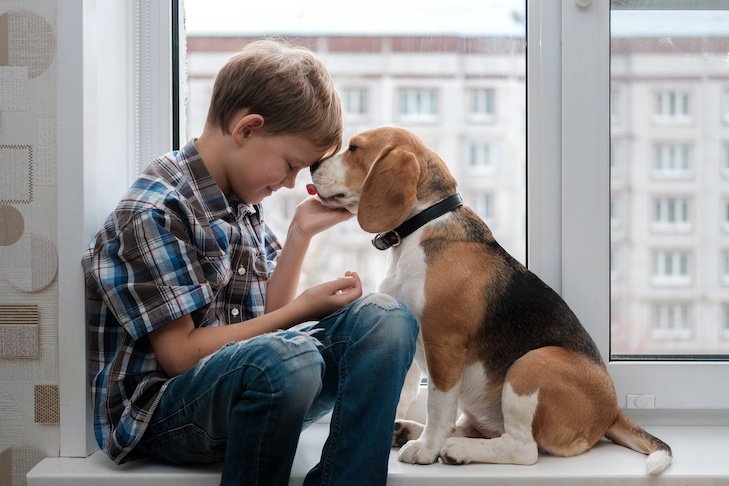
Dogs seek human affection because they are highly social animals that have evolved to bond closely with people. In the U.S., where many dogs live as family companions rather than working animals, that bond often shows up as leaning on you, following you from room to room, asking for petting, or nudging you for attention. Affection is not just “cute” behavior; it is part of how many dogs feel safe, connected, and emotionally regulated.
What human affection means to a dog
Human affection is any calm, positive interaction that strengthens a dog’s sense of connection to a person. That can include petting, soft talk, play, eye contact, training praise, and simply being near you.
For many dogs, affection also acts like a social reward. It can reduce stress, reinforce trust, and confirm that their human is a predictable source of safety and good things. Some dogs want affection often. Others want it only in certain moments or from specific people.

Why dogs are drawn to people
Dogs are drawn to people because domestication changed the dog-human relationship over thousands of years. Dogs that were better at reading human cues, tolerating close contact, and cooperating with people were more likely to thrive around human communities.
That long history helps explain why many dogs now treat humans as part of their social group. They do not just live near us. They often look to us for direction, comfort, and companionship. In practical terms, affection is one of the clearest ways a dog can keep that social bond active.
1. Dogs are social by nature
Dogs are pack-oriented in the broad sense that they prefer social contact and structure. They usually do better when they have regular interaction, clear routines, and a stable caregiver.
That is why a dog may settle next to you after a stressful event, follow you when you move, or rest a paw on your leg. Those behaviors often mean, “I feel better when I am close to you.”
2. Human affection feels rewarding
Many dogs learn that human attention comes with benefits. A gentle scratch behind the ears, a calm voice, or shared play can all feel rewarding.
This is especially true when affection has been paired with food, safety, or relaxation over time. The dog may seek it because it has become a reliable positive experience, not because the dog is “spoiled.”
3. Dogs use affection to manage stress
Affection can help dogs cope with uncertainty. A familiar person can lower a dog’s arousal level after a loud noise, a new environment, a vet visit, or a tense situation.
That does not mean affection fixes every problem. But for many dogs, close contact with a trusted human is a simple, effective source of comfort.
4. Some dogs seek reassurance
A dog may ask for affection when unsure, tired, overstimulated, or lonely. This is often a normal attachment behavior.
If a dog suddenly wants more closeness than usual, the reason may be situational. Changes in routine, illness, pain, noise, or a new home can all make a dog seek more contact.
5. Breed and temperament matter
Not all dogs seek affection in the same way. Genetics, early socialization, and individual personality all play a role.
Some dogs are naturally more independent. Others are “Velcro dogs” that prefer constant contact. Breed tendencies can influence this, but they do not determine it completely. The individual dog still matters most.
Common reasons a dog asks for affection
A dog may seek affection for one or more of these reasons:
| Behavior | What it may mean | Practical response |
|---|---|---|
| Leaning against you | Comfort, trust, or attention-seeking | Offer calm petting if the dog is relaxed |
| Following you room to room | Attachment or uncertainty | Keep a predictable routine |
| Pawing at you | Request for attention | Respond if the dog is calm, ignore if it is demanding |
| Nuzzling or licking | Social bonding or reassurance | Use gentle interaction and observe body language |
| Climbing into your lap | Closeness or security-seeking | Let the dog rest if it is appropriate and safe |
The key is to look at the full picture, not just one gesture. A dog asking for affection with a loose body and soft eyes is very different from a dog pawing anxiously while panting or pacing.

When affection-seeking is normal
Affection-seeking is usually normal when the dog is relaxed, healthy, and still able to function independently. A healthy dog may enjoy contact and also settle alone, eat normally, and handle short separations.
Signs that the behavior is likely normal include:
- The dog calms easily after receiving attention.
- The dog can rest on its own.
- The dog still eats, plays, and walks normally.
- The behavior fits the situation, such as after a nap or during quiet time.
In other words, affection is part of balance, not the whole story.
When affection-seeking may signal a problem
Sometimes a sudden increase in clinginess points to a concern that needs attention. Pain, anxiety, illness, or changes in the household can all make a dog more dependent on closeness.
Watch for these warning signs:
- Sudden change in behavior
- Loss of appetite
- Restlessness or pacing
- Whining, trembling, or hiding
- Sensitivity to touch
- Clinginess paired with aggression, panting, or shutdown
If the change is sudden or intense, a veterinarian should evaluate the dog. If anxiety seems likely, a qualified trainer or veterinary behavior professional may also help. Do not assume the dog just “wants more love” when the real issue may be discomfort or fear.
How to respond in a healthy way
The best response is to give affection in a way that matches the dog’s body language and needs. Calm, predictable interaction usually works better than overexcited attention.
Use these steps
-
Check the dog’s body language.
Look for loose muscles, soft eyes, and a relaxed mouth. -
Offer calm contact.
Gentle petting, a soft voice, or sitting nearby may be enough. -
Respect the dog’s limits.
If the dog moves away, stop. Affection should be welcome, not forced. -
Reward calm independence too.
Praise the dog for settling nearby without demanding attention. -
Get help if the behavior changes suddenly.
Sudden neediness can be linked to stress or medical issues.
Signs you are doing it right
- The dog relaxes instead of escalating.
- The dog can disengage and settle.
- The dog does not become more frantic after attention.
- The dog seems calmer overall.
Common mistakes owners make
One common mistake is assuming every affection request should be answered immediately. That can accidentally reinforce needy or pushy behavior.
Another mistake is ignoring body language. Some dogs want closeness but not full handling. Others like brief contact and then prefer space. Respecting those signals builds trust faster than forcing affection.
A third mistake is missing the medical angle. If a previously independent dog becomes unusually clingy, do not dismiss it. Behavior changes can be the first clue that something is wrong.
FAQs
Why does my dog follow me everywhere?
Your dog may follow you because you are a source of safety, routine, and social contact. It can be normal, especially in companion breeds or dogs with strong attachment. If it becomes extreme or starts suddenly, check for anxiety or health issues.
Is my dog being needy or just affectionate?
A dog that seeks affection calmly and can still relax alone is often being affectionate. A dog that panics when separated, whines constantly, or cannot settle may be showing anxiety instead. Body language and context matter more than the behavior alone.
Do all dogs like to cuddle?
No. Some dogs love close contact, while others prefer nearby companionship without heavy touching. Breed tendencies, early socialization, and personality all influence cuddle style.
Can too much affection make a dog clingy?
Yes, if affection is delivered in a way that rewards constant demand for attention. Balanced routines, independent rest time, and calm reinforcement help prevent clinginess from becoming the default behavior.
Should I worry if my dog suddenly wants more affection?
Yes, if the change is new or dramatic. Sudden clinginess can be linked to pain, illness, fear, or household changes. If you notice other symptoms, contact a veterinarian.
The bottom line
Dogs seek human affection because it meets real social and emotional needs. It helps them feel safe, connected, and rewarded, and it often reflects the close bond dogs have developed with people over time.
If the behavior is steady and relaxed, it is usually normal. If it changes suddenly or comes with other symptoms, treat it as a possible health or stress signal. The best response is simple: observe the dog, respect the dog’s limits, and get professional help when the behavior does not fit the dog’s usual pattern.