Why Are Dogs Loyal To Humans: The Real Reason
Dogs are loyal to humans because thousands of years of domestication shaped them to live closely with people, read human cues, and rely on us for safety, food, and social connection. In plain terms, dogs do not just “obey” people by accident. Their brains, behavior, and relationship with humans have evolved together.
In the United States, dogs are one of the most common family pets, and many American households treat them as companions, not just animals. That close daily contact helps explain why loyalty feels so strong. But the real answer is more than affection: it is biology, learning, and a long shared history.

What “loyalty” means in dogs
Dog loyalty is best understood as attachment, trust, and social bonding. It does not mean a dog is emotionally identical to a person, or that every dog acts the same way. It means many dogs show a strong preference for their human family and often seek them out in times of stress, uncertainty, or reward.
Researchers often compare this bond to parent-child attachment in broad behavior patterns, not in exact human terms. Dogs tend to stay close, watch faces, follow people, and use humans as a source of comfort. That is why a dog may wait by the door, follow you from room to room, or become calm when you return home.
The important point is that loyalty is not just a cute trait. It is a measurable social behavior shaped by evolution and reinforced by everyday life.
Why dogs became loyal over time
Dogs became loyal because human closeness helped them survive, and human tolerance helped them thrive. Early wolves that were less fearful of people had more access to food near human settlements. Over many generations, those animals became more social, more adaptable, and better at living around humans.
As domestication continued, humans also preferred dogs that were easier to train, less aggressive, and more responsive. That selection favored animals that paid attention to people and cooperated with them. In effect, humans and dogs shaped each other.
This history matters because loyalty is not just a random personality quirk. It is a trait that was rewarded over time. Dogs that stayed near people, followed cues, and formed bonds were more likely to be protected, fed, and bred.
The biology behind canine loyalty
Dogs are built to notice people. Their brains process human voices, facial expressions, and body language in ways that support social bonding. They also respond strongly to routine, touch, and positive reinforcement.
Oxytocin and bonding
Oxytocin is a hormone involved in social connection in many mammals. In dogs and humans, friendly interaction can raise oxytocin levels in both species. That helps explain why eye contact, petting, and gentle speech can strengthen the bond.
This does not mean oxytocin “creates” loyalty by itself. It is part of a larger feedback loop. The more positive the interaction, the more the dog learns that people are safe and rewarding.
Dogs are social learners
Dogs watch humans closely because humans are useful information sources. A dog can learn where food comes from, when walks happen, which tone means praise, and which behaviors get attention. That social learning makes dogs appear especially loyal because they often choose the person who consistently helps them.
Breed matters, but it does not explain everything
Some breeds were selected for close work with humans, such as herding, hunting, or guarding. Those dogs may show stronger orientation toward people or task focus. Still, breed alone does not determine loyalty.
Early experiences, training, and daily care matter just as much. A mixed-breed dog raised with consistent kindness may be more attached than a purebred dog with poor socialization. Environment shapes behavior.
How daily care strengthens loyalty
Dogs become more loyal when their human relationship is predictable and positive. Food, exercise, training, and routine all build trust. A dog that knows what to expect from you is more likely to feel secure around you.
What strengthens the bond
- Regular feeding and walk times
- Calm, consistent training
- Positive reinforcement, such as praise or treats
- Play and physical affection the dog enjoys
- Safe shelter and protection from stress
- Time together, especially during puppyhood
When people meet a dog’s basic needs, the dog learns that the human is a reliable source of care. That reliability is a major part of loyalty.
What weakens the bond
- Harsh punishment
- Inconsistent rules
- Long periods of isolation
- Fearful or unpredictable handling
- Neglect of exercise, medical care, or enrichment
A dog may still bond with a person after hardship, but trust usually takes longer to build. Some dogs become clingy, fearful, or withdrawn when their environment is unstable. Loyalty and anxiety can look similar from the outside, so behavior should be read carefully.
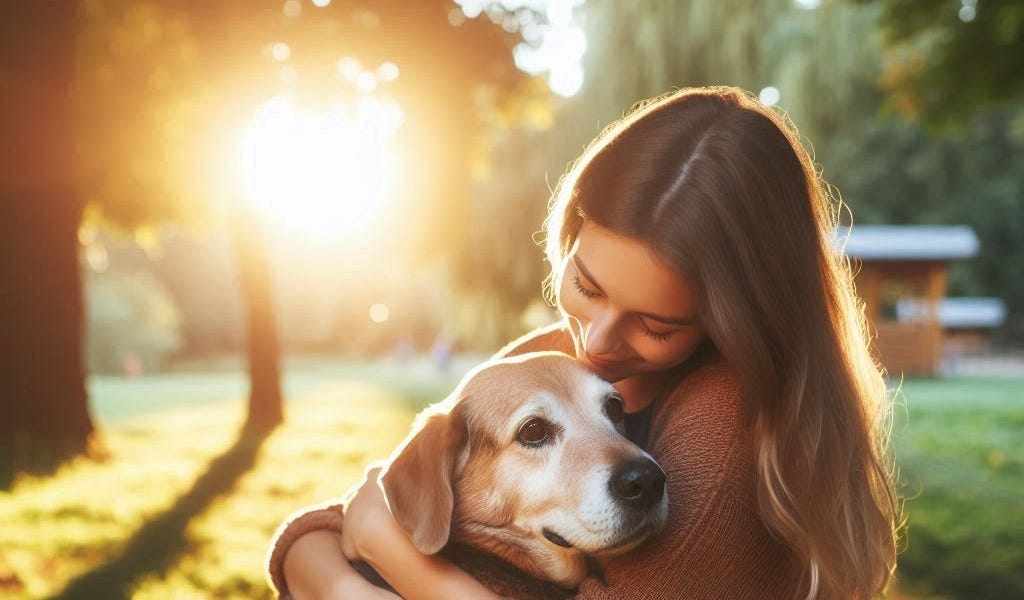
Why some dogs seem more loyal than others
Not all dogs express loyalty in the same way. Some follow one person everywhere. Others are friendly with everyone but still form a deep bond with their owner. Personality, breed tendencies, early life, and household structure all play a role.
Common factors that affect loyalty
| Factor | How it affects behavior | Practical example |
|---|---|---|
| Early socialization | Builds confidence and trust | A puppy handled gently by people often adapts more easily |
| Training style | Improves responsiveness | Reward-based training often strengthens attention to the owner |
| Household routine | Creates predictability | Dogs often bond strongly with the person who feeds and walks them |
| Breed tendencies | Influences work style and focus | Herding dogs may stay visually attentive to people |
| Temperament | Shapes attachment style | Some dogs are naturally more independent than others |
A dog that seems “less loyal” may simply show loyalty differently. For example, one dog may shadow one family member, while another happily greets everyone but still sleeps at a specific person’s feet every night. Both can be strong signs of attachment.
Why dogs often choose one favorite person
Dogs often pick a favorite person because that person is most connected to comfort, routine, and rewards. The favorite may be the one who feeds the dog, trains the dog, plays gently, or spends the most focused time with them. Dogs remember who makes them feel safe.
That preference is not always fixed forever. It can change with age, household changes, or improved bonding with another family member. A dog that once preferred one adult may later attach more strongly to another if the day-to-day care changes.
This behavior is practical, not mysterious. Dogs gravitate toward the person who best meets their social and physical needs.
Is dog loyalty the same as love?
Dog loyalty is closely related to love, but the terms are not identical. Loyalty describes consistent attachment and preference. Love is a broader emotional word people use to describe the bond.
From a scientific view, dogs likely experience strong social attachment rather than human-style romantic or moral loyalty. They do not make a conscious promise to stay faithful. Instead, their behavior reflects trust, memory, reward, and dependence on social partners.
That said, the emotional effect can feel very real to owners. A dog that greets you at the door, comforts you when you are upset, or stays close when you are sick is showing a bond that most people would reasonably call love.
Common misconceptions about dog loyalty
One common myth is that dogs are loyal only because they need food. Food matters, but it does not explain the whole bond. Dogs also stay close for comfort, routine, affection, and social connection.
Another myth is that all dogs are equally loyal. In reality, loyalty varies by individual dog and by relationship quality. Some dogs are more independent, while others are intensely people-oriented.
A third misconception is that loyalty means a dog will always behave perfectly. A loyal dog may still have fear, separation distress, or behavior problems. Loyalty does not replace training or care.
How to build stronger loyalty with your dog
If you want a stronger bond, focus on consistency, kindness, and communication. Dogs trust people who are predictable and fair. They also respond well to clear signals and positive reinforcement.
Practical ways to build trust
- Feed your dog on a routine.
- Use reward-based training.
- Spend quiet time together every day.
- Learn your dog’s body language.
- Avoid punishment that creates fear.
- Make vet care and grooming as calm as possible.
- Give your dog exercise suited to its age and health.
The goal is not to make your dog “clingy.” The goal is to make your dog secure. A secure dog usually shows loyalty in healthier ways, such as calm presence, attentiveness, and easy recovery from stress.
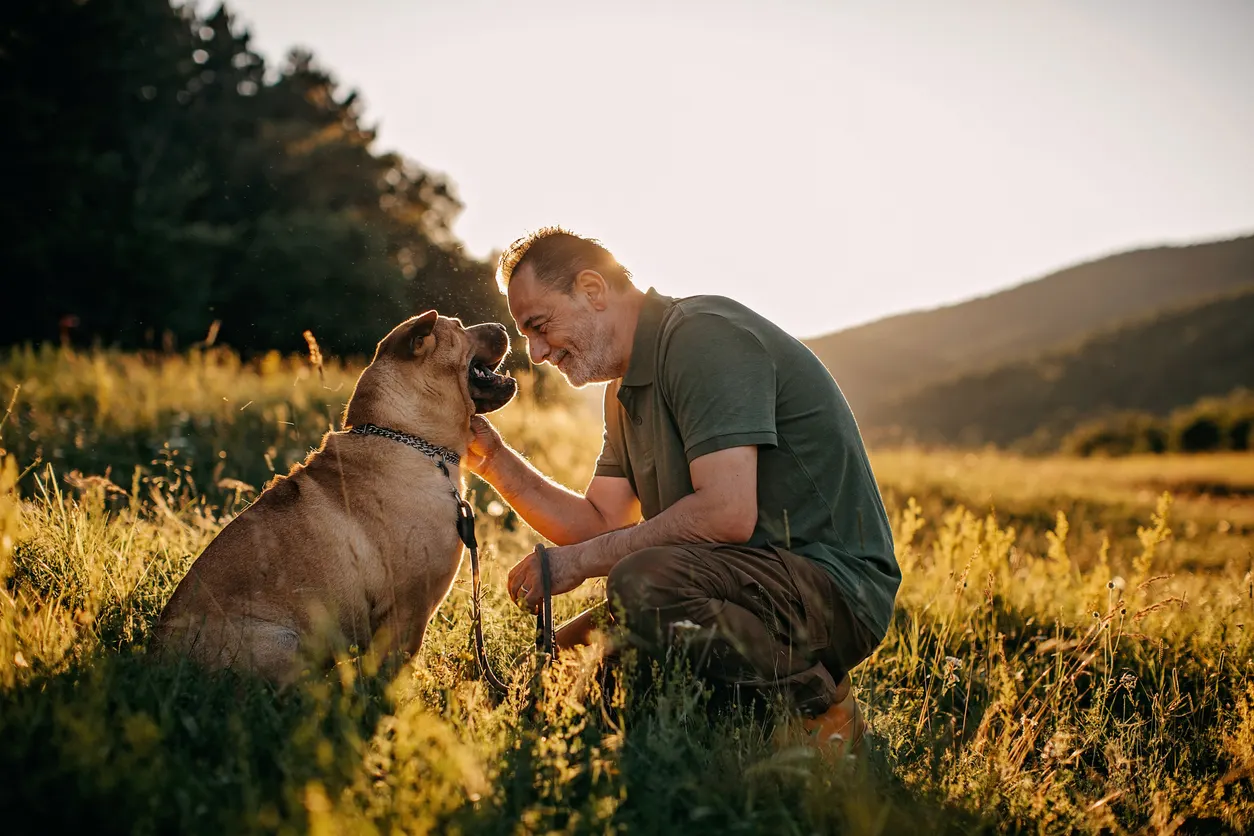
When loyalty can be a warning sign
Sometimes what looks like loyalty is actually anxiety. A dog that panics when left alone, refuses to settle without constant contact, or becomes distressed when one person leaves may have separation-related behavior issues. That is not the same as healthy bonding.
Watch for signs such as excessive drooling, destructive behavior, nonstop barking, or refusal to eat when alone. If those behaviors are frequent or severe, a veterinarian or qualified behavior professional can help. Early help is especially important if the dog’s distress is affecting daily life.
Healthy loyalty should support the dog’s well-being, not create suffering. A balanced bond allows the dog to relax, explore, and feel safe even when the person is not in direct view.
FAQ: Why are dogs loyal to humans?
Why do dogs bond so strongly with people?
Dogs bond strongly with people because domestication favored animals that were social, cooperative, and responsive to human care.
Are dogs loyal to the person who feeds them most?
Often, yes. The person who provides the most consistent care, training, and positive interaction frequently becomes the dog’s preferred person.
Do dogs know when humans are sad?
Many dogs notice changes in tone, posture, and routine. They may respond with closer contact or calmer behavior, though they do not understand sadness the same way humans do.
Can a dog be loyal to more than one person?
Yes. Many dogs bond with multiple family members, even if they show a stronger preference for one person.
Does breed determine loyalty?
Breed can influence temperament and work style, but individual experience and training usually matter more than breed alone.
Conclusion
Dogs are loyal to humans because evolution, learning, and daily care all push them toward strong social attachment. They are not loyal by accident, and not only because of food. They are loyal because people became part of their survival system, their social world, and their emotional security.
For American dog owners, that loyalty grows best through steady routines, gentle training, and respectful care. When a dog trusts you, the bond can look simple on the surface. Underneath, it is one of the most powerful partnerships in the animal world.