Why Do Dogs Mount Other Dogs: Causes And Meaning
Dogs mount other dogs for several normal reasons, including play, excitement, social communication, stress, overarousal, or sexual behavior. In the United States, this is one of the most common dog-to-dog behaviors owners ask about, and it is not always about dominance or mating. The meaning depends on the setting, the dogs involved, and whether the behavior is brief or repeated.
What Mounting Means in Dogs
Mounting is a physical behavior where one dog places its front body over another dog, another animal, or even a person, object, or pillow. It can look sexual, but in most everyday cases it is not a direct sign of breeding intent.
In real life, mounting is often a communication behavior. A dog may mount when it is overexcited at the park, unsure how to handle social tension, or trying to release built-up energy. Puppies do it too, which is one reason people sometimes misread it as a sign that the dog is “acting like an adult.”

Why Do Dogs Mount Other Dogs?
Dogs mount other dogs because the behavior can serve several different purposes. The most common causes are excitement, play, stress, habit, and sometimes reproductive drive.
1. Play and overexcitement
Mounting often happens during active play. A dog may be having fun, then lose self-control for a moment and mount another dog as the interaction becomes too intense.
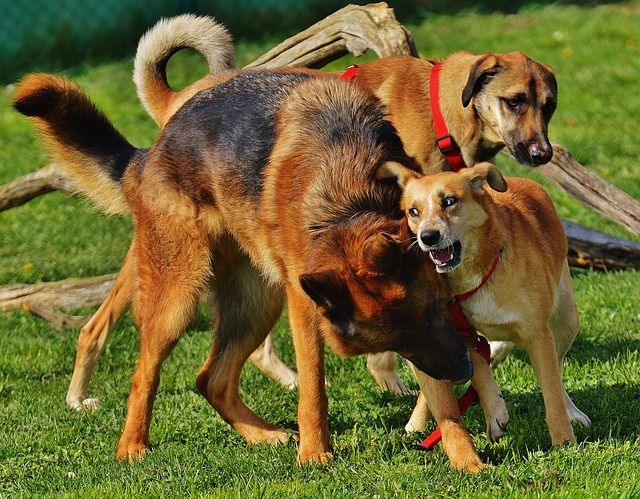
This is especially common in busy settings such as dog parks, day care, or family gatherings. The dog may not be trying to dominate the other dog. It may simply be overaroused, meaning its excitement level is too high to stay polite and balanced.
2. Social communication
Some dogs mount because they are sending a social message. The behavior may happen when a dog wants to change the direction of play, get attention, or manage a tense interaction.
In these cases, mounting is less about sex and more about communication. Dogs use body language constantly, and mounting can be part of that larger conversation.
3. Stress or anxiety
Mounting can appear when a dog feels nervous, uncertain, or overwhelmed. A dog at a loud event, around unfamiliar dogs, or in a crowded yard may mount as a coping behavior.
This is similar to a person pacing or fidgeting when stressed. The dog is not necessarily “being bad”; it may be trying to self-soothe or discharge tension.
4. Habit or learned behavior
If mounting has worked before, a dog may repeat it. For example, if another dog usually backs away after being mounted, the behavior may become a habit.
Dogs are quick learners. If mounting reliably changes the situation, the dog may keep using it, even when the original trigger is gone.
5. Sexual behavior
Unneutered males are more likely to mount because of sexual motivation, especially around females in heat. But sexual motivation is only one possible cause.
Even spayed females, neutered males, and puppies may mount. That is why it is a mistake to assume every mount is sexual.
Is Mounting a Dominance Problem?
Not usually. The old idea that mounting always means one dog is trying to “dominate” another is too simple and often wrong.
Dominance is a relationship concept, not a single behavior. A dog can mount without being “the alpha,” and two well-mannered dogs can still mount during excitement or play. What matters more is the full pattern of behavior, not the mount alone.
When Mounting Is Normal
Mounting is often normal when it is:
- brief
- occasional
- part of active play
- not causing distress
- easy to interrupt
- followed by calmer behavior
A dog may mount once or twice, then move on. That can happen in healthy social play, especially in younger dogs.
When Mounting Is a Problem
Mounting becomes a concern when it is frequent, intense, or linked to stress or conflict. It may also be a problem if the other dog is clearly annoyed or scared.
Watch for these signs:
- the mounted dog tries to escape
- the mounted dog growls, snaps, or hides
- the mounting dog ignores repeated redirection
- the behavior escalates instead of settling down
- the dog mounts people, furniture, or objects obsessively
- the dog seems unable to relax
If mounting is paired with aggression, fear, or panic, it should not be treated as harmless play.
What To Do When One Dog Mounts Another
The best response is calm, quick interruption followed by redirection. Yelling often adds tension and can make the situation worse.
Practical steps
- Separate the dogs briefly if the mounting is repeated or the other dog seems uncomfortable.
- Redirect the mounting dog to a different activity, such as a short walk, sniff break, or basic cue like sit.
- Reduce the trigger if possible, such as lowering play intensity or ending a crowded session.
- Reward calm behavior when the dog disengages.
- Watch the other dog’s body language for stress signals.
If the dogs are both relaxed and the mount is rare, a brief interruption may be enough. If the behavior keeps happening, the environment may be too exciting or stressful for that dog.
How to Read the Other Dog’s Body Language
The mounted dog’s reaction is often the best clue. A relaxed dog may simply walk away, while an uncomfortable dog may stiffen, turn its head away, lick its lips, or try to leave.
Useful warning signs include:
- pinned ears
- stiff posture
- whale eye, where the whites of the eyes show
- tucked tail
- avoidance
- growling
- snapping
If the mounted dog is signaling discomfort, end the interaction. Dogs do not need to “work it out” if one dog is clearly trying to escape.
Common Myths About Dog Mounting
Myth: Only unneutered males mount
False. Spayed females, neutered males, and puppies can all mount.
Myth: Mounting always means dominance
False. Excitement, stress, and play are often bigger factors.
Myth: Dogs mount only for sexual reasons
False. Sexual behavior is only one possible cause.
Myth: You should let dogs sort it out on their own
Not always. If the behavior is tense or repeated, stepping in early is safer and kinder.
When to Talk to a Veterinarian or Trainer
Seek help if the mounting is sudden, extreme, or comes with other behavior changes. A veterinarian can check for pain, hormone issues, or other medical causes if the behavior seems new or unusual.
A qualified trainer or behavior professional can help if:
- the dog mounts constantly
- the behavior happens in stressful social settings
- the dog cannot settle after excitement
- the dog shows aggression or fear
- the behavior is hard to stop at home or in public
If the dog seems distressed, injured, or unusually restless, medical evaluation is the right first step.
FAQs
Why do dogs mount each other at the dog park?
Dog parks are highly stimulating. Many dogs mount because they are overexcited, stressed, or struggling to keep play under control.
Is mounting a sign my dog is aggressive?
Not by itself. Mounting is usually not aggression, but it can happen in tense interactions. Body language around the mount matters.
Do female dogs mount other dogs?
Yes. Female dogs mount for the same general reasons as males, including play, excitement, stress, and communication.
Should I punish my dog for mounting?
No. Punishment can increase stress and make the problem worse. Calm interruption and redirection work better.
Will spaying or neutering stop mounting?
It may reduce sexual mounting in some dogs, but it does not always stop the behavior. Excitement, habit, and stress can still cause mounting.
Conclusion
Dogs mount other dogs for many reasons, and most of them are not about dominance. The behavior is usually a form of excitement, communication, or stress relief, though sexual motivation can also play a role. The key is to look at the full context and the other dog’s comfort level.
If the mounting is occasional and harmless, a simple redirection is often enough. If it is frequent, tense, or paired with fear or aggression, the safest next step is to manage the interaction and get professional help if needed.