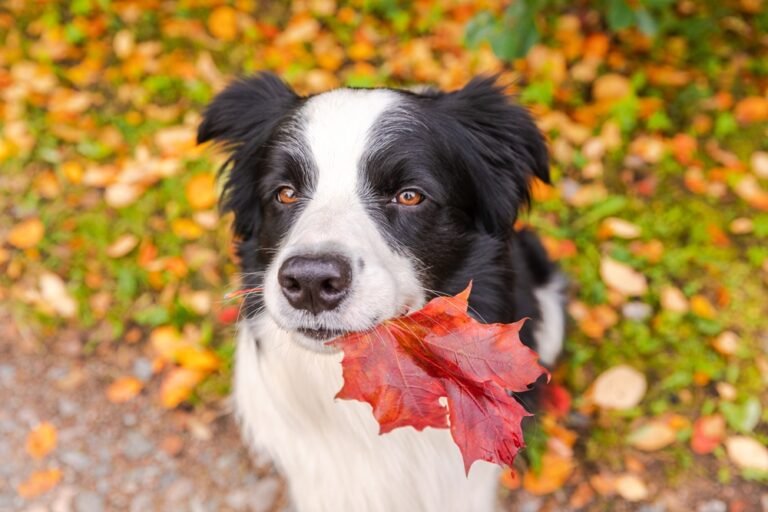
Why Does My Dog Make Weird Faces: Causes Explained
Your dog’s weird faces are usually normal. In most American households, a dog’s “odd” expression is just a mix of communication, emotion, scent processing, muscle movement, or a temporary physical issue like an itch or nausea. The key is to look at the full picture: what the face is doing, what the body is doing, and whether the behavior is new or repeated.
In the United States, many pet owners first notice these expressions at home, on walks, at the vet, or during play. That matters because context changes the meaning. A wrinkled nose during a sniff session is very different from a sudden grimace plus drooling and low energy.

What “weird faces” in dogs usually mean
A weird face is not a diagnosis. It is a visible clue. Dogs use their faces to react to smells, sounds, social pressure, pain, excitement, and even light touch around the mouth or eyes.
Most of the time, the expression is harmless and brief. For example, a dog may curl its lips after tasting something bitter, squint in bright light, or make a “smile-like” face while panting. But if the face change comes with discomfort, drooling, pawing at the mouth, or acting withdrawn, it may point to a health problem.
Veterinary behavior and medical guidance generally group facial expressions into two broad buckets:
- Normal communication or response
- sniffing and scent tracking
- greeting or appeasement
- excitement during play
- heat regulation through panting
- Possible discomfort or illness
- dental pain
- eye irritation
- nausea
- skin irritation
- jaw or facial pain
The practical rule is simple: if the face is new, frequent, or paired with other symptoms, take it seriously.
Common reasons your dog makes weird faces
1. Your dog is reading a smell
A dog’s face often changes because smell is doing the work. Dogs have far more olfactory sensitivity than people, so a scent can trigger lip lifts, squints, nose wrinkles, or a frozen, concentrated stare.
You may see this when your dog sniffs the grass, a trash can, another animal, or a strange object on a walk. The expression can look funny to us, but to the dog it is part of information gathering. This is usually normal if the dog stays relaxed and returns to baseline quickly.
2. Your dog is communicating emotion
Dogs use facial tension to signal feelings like uncertainty, friendliness, stress, or caution. A soft mouth, relaxed ears, and normal breathing usually suggest comfort. A tight mouth, lip licking, side-eye, or tucked posture can mean the dog feels uneasy.
This is where owners often misread the face. A dog that looks “guilty” is usually not showing guilt in the human sense. It is more likely reacting to your tone, body language, or the situation itself.
3. Your dog is excited or overaroused
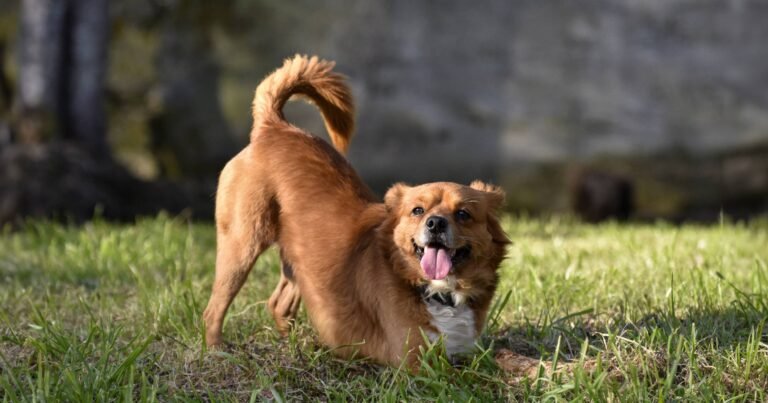
Some dogs make exaggerated faces when they are hyped up. The mouth may open wide, the tongue may loll, and the eyes may look intense or loose. This can happen during play, greeting, fetch, car rides, or when a favorite person comes home.
Excitement is usually harmless if the dog is otherwise coordinated and comfortable. If the expression turns into frantic behavior, nonstop panting, or inability to settle, the problem may be stress rather than simple excitement.
4. Your dog is in pain
Pain can change a dog’s face in subtle ways. A dog may squint, hold the muzzle stiffly, clench the jaw, flatten the ears, or avoid opening the mouth fully. Dental pain is a common cause, especially if the dog chews on one side, drops food, or resists mouth handling.
Facial pain is important because dogs often hide discomfort. If the expression is new and the dog also seems less playful, less hungry, or more sensitive to touch, pain should be on the list of likely causes.
5. Your dog has mouth or dental irritation
Teeth, gums, tongue, and the soft tissues of the mouth can all cause odd expressions when irritated. A broken tooth, inflamed gumline, something stuck between teeth, or a sore mouth can make a dog purse the lips, paw at the face, or hold the mouth awkwardly.
Watch for bad breath, bleeding, drooling, chewing on one side, or refusing hard food. Those signs make a dental cause more likely and justify a veterinary exam.
6. Your dog has eye discomfort
Eye irritation can produce dramatic facial changes. Dogs may squint, blink rapidly, rub the face, keep one eye partially closed, or wrinkle the brow area. Common causes include dust, a scratch, allergies, dry eye, or a foreign object.
Eye problems can worsen quickly, so this is not one to ignore. If your dog is squinting, rubbing, or avoiding light, check the eye carefully and contact a veterinarian promptly if the problem persists or the eye looks red, cloudy, or swollen.
7. Your dog is nauseated
Nausea can create a very odd look. Dogs may lick their lips, swallow repeatedly, drool, or stand with a tense, uncertain expression. Some dogs also yawn, pace, or refuse food before vomiting.
This kind of face often appears before car sickness, stomach upset, or motion-related nausea. If it happens often, note when it starts, how long it lasts, and whether vomiting or diarrhea follows.
8. Your dog is responding to a smell or taste that is unpleasant
Dogs sometimes make a “flehmen-like” face, with the nose wrinkled or upper lip lifted, after tasting or smelling something strong. This can happen with bitter foods, cleaning products, spoiled food, or another animal’s scent.
If the face appears right after contact with a new substance, think exposure first. If you suspect a toxic item, remove access and contact your veterinarian or a poison help line right away.
9. Your dog has a skin or allergy problem
Allergies and skin irritation can make dogs scrunch their faces, rub their muzzle, or make repeated licking motions. Pawing at the face is especially common when itchy skin, pollen exposure, or contact irritation is involved.
Look for red skin, ear itching, sneezing, watery eyes, or generalized scratching. Allergies rarely explain a face change by themselves, so check for the bigger itch pattern.
When a weird face is normal vs when it is a warning sign
The difference often comes down to duration, frequency, and the rest of the body.
| Usually normal | More concerning |
|---|---|
| Happens during sniffing, play, or greeting | Starts suddenly and keeps happening |
| Ends quickly | Lasts minutes to hours |
| Dog stays alert and responsive | Dog seems dull, anxious, or withdrawn |
| No drooling, limping, vomiting, or eye redness | Drooling, swelling, squinting, vomiting, or pain |
| Face matches the situation | Face seems out of context |
A single strange expression is usually not an emergency. Repeated expressions, especially with body changes, deserve more attention.
How to check your dog safely at home
Start with the safest, least invasive checks first. Do not force your dog’s mouth open if the dog seems painful, fearful, or defensive.
1. Watch the body, not just the face
Look at posture, breathing, tail position, ears, and movement. A relaxed dog usually moves smoothly and responds normally. A painful or sick dog may stiffen, hide, pace, or avoid interaction.
2. Check for obvious triggers
Think about what changed in the last hour. Did your dog eat something unusual, chew a new treat, sniff a plant, play hard, ride in a car, or encounter grooming products? Timing often gives the best clue.
3. Inspect the eyes, muzzle, and mouth area
Look for redness, swelling, discharge, broken teeth, foamy drool, foreign material, or a face that is tender to touch. If your dog resists, stop and let a veterinarian handle the exam.
4. Listen for other symptoms
Coughing, gagging, vomiting, head shaking, sneezing, diarrhea, refusal to eat, or acting “off” makes the facial expression more meaningful. One symptom alone may be minor, but several together raise concern.
5. Record a short video
A 10- to 30-second video can help your veterinarian see the expression in context. Try to capture the face, body posture, and what the dog was doing right before it started.
When you should call a veterinarian
Call a veterinarian soon if the weird face is new and persistent, or if it comes with any of these signs:
- drooling that seems unusual
- pawing at the mouth or eye
- swelling around the muzzle or face
- red, cloudy, or closed eye
- trouble eating or drinking
- bad breath plus chewing changes
- vomiting, diarrhea, or lethargy
- shaking the head repeatedly
- signs of pain when touched
Seek urgent care if your dog has trouble breathing, sudden facial swelling, collapse, seizures, or possible exposure to a toxin. These can be emergencies.
Common mistakes owners make
The biggest mistake is assuming every funny face is “just a personality quirk.” That can delay care for pain, eye disease, dental problems, or nausea. Another mistake is watching only the face and ignoring the body.
Owners also sometimes use human emotion as the main explanation. Dogs do have emotions, but their facial signals do not map perfectly to human expressions. The safer approach is to ask what the dog was doing, what changed, and whether the expression repeats.
What to do next if you keep noticing it
If your dog makes weird faces only in clear, harmless situations, you may just be seeing normal communication. If it happens often, try to connect the expression to a trigger such as food, play, grooming, sniffing, or stress.
If the face change is paired with pain, eye issues, dental signs, vomiting, or behavior change, schedule a veterinary visit. Bring notes and video if you can. That usually speeds up the diagnosis more than a vague description alone.
FAQs
Why does my dog make a funny face when I talk to them?
Your dog may be responding to your tone, your posture, or anticipation of attention. Some dogs also make a face that looks like a smile or squint when they are engaged. If the expression looks tense or stressed, look for other signs like lip licking, yawning, or leaning away.
Why does my dog wrinkle their nose and snarl at random?
That can be a scent reaction, a warning signal, or a sign of discomfort. If it happens only while sniffing, it may be normal. If it happens around people, food, or handling, it may be a stress or pain response.
Why does my dog squint one eye and make a weird face?
One-sided squinting often suggests eye irritation, a scratch, debris, or a painful eye condition. If it does not clear quickly, or if the eye is red or cloudy, contact a veterinarian.
Why does my dog make weird faces when sleeping?
Dogs dream, twitch, and change facial muscle tone during sleep. Small movements during REM sleep are common and usually normal. If the face change happens with stiffness, distress, or unusual movements while awake, that is a different issue.
Can allergies cause my dog’s face to look strange?
Yes. Allergies can cause facial itch, rubbing, squinting, and muzzle irritation. They often show up with paw licking, ear itching, or skin redness too.
Bottom line
Most weird dog faces are normal communication or a short reaction to smell, taste, or excitement. The important job is to tell harmless expressions from signs of pain, eye trouble, dental disease, nausea, or stress. When in doubt, watch the whole dog, not just the face.
If the expression is new, frequent, or paired with other symptoms, schedule a veterinary exam. That is the safest next step and often the fastest way to find the cause.