Why Is My Senior Dog Not Eating? Causes, Warning Signs, and What to Do
If you are asking, “why is my senior dog not eating,” the first thing to know is that appetite loss is a sign, not a diagnosis. An older dog may skip a meal for a mild reason, but a sudden or lasting change can also point to a health problem. Senior dogs often hide pain, so a change in eating may be one of the first clues that something is wrong.
Start by looking at the whole dog, not just the food bowl. Check water intake, energy, bowel movements, urine, weight, breathing, gums, and signs of pain. A calm check can help you decide whether you can watch your dog for a short time or need veterinary care.

Why Is My Senior Dog Not Eating?
There are many answers to the question, “why is my senior dog not eating.” Some causes are mild and short-lived. Others need a vet exam. The key is to look for other signs and note how long the appetite change lasts.
Older dogs can develop dental disease, kidney problems, liver disease, stomach problems, arthritis, cancer, infections, and other conditions. Pain and nausea can also make food seem unappealing. Even a change in routine or food can cause a sensitive senior dog to eat less.
Do not assume that poor appetite is just a normal part of aging. Aging can change the way a dog smells, tastes, moves, and feels, but a clear loss of appetite still deserves attention.
- ✦ Dental pain
Sore teeth, gum disease, broken teeth, or mouth growths can make chewing painful. Your dog may approach the bowl, try to eat, and then walk away.
- ✦ Stomach upset
Nausea, constipation, diarrhea, or another digestive problem can reduce appetite. Some dogs also lick their lips, drool, or swallow often when they feel sick.
- ✦ Pain elsewhere in the body
Arthritis, back pain, injury, or internal pain can make a dog less interested in food. Pain may also make it hard to stand at a food bowl.
- ✦ Underlying illness
Kidney disease, liver disease, diabetes, infections, cancer, and other illnesses can affect appetite. A vet may need blood tests, urine tests, or imaging to find the cause.
- ✦ Stress or change
Travel, visitors, a new pet, moving house, loud noise, or a change in routine can cause some older dogs to eat less.
A Senior Dog May Still Want Food but Be Unable to Eat
A useful clue is how your dog acts when food appears. A dog that seems hungry but cannot chew, swallow, or keep food down may have a different problem from a dog that shows no interest in food.
Watch for chewing on one side, dropping food, pawing at the mouth, gagging, repeated swallowing, or walking away after sniffing the bowl. These signs can help your veterinarian narrow down the cause.
- ✦ Interested but unable to eat
This can suggest mouth pain, trouble swallowing, nausea, weakness, or another physical problem.
- ✦ No interest in food
This may occur with illness, pain, stress, medication effects, nausea, or changes in smell and taste.
Dental Disease Is a Common Reason Older Dogs Stop Eating
Dental disease can be easy to miss because many dogs keep eating even when their mouths hurt. Senior dogs may have tartar, gum disease, loose teeth, broken teeth, or infection. Dry food can become painful to chew when the mouth is sore.
If your dog wants food but backs away from the bowl, check for bad breath, swollen gums, bleeding, loose teeth, facial swelling, or a change in chewing. Do not put your fingers deep into a painful dog’s mouth. A veterinary dental exam is safer and more useful.
Soft food may seem easier for a dog with mouth pain, but it does not fix the cause. If dental disease is behind the appetite loss, your veterinarian can discuss pain control and dental treatment.

- ✦ Bad breath
Strong or unusual breath can occur with dental disease and should not be dismissed as normal aging.
- ✦ Dropping food
Food falling from the mouth can be a sign that chewing hurts or that a tooth or mouth problem is making eating difficult.
- ✦ Mouth sensitivity
A dog that avoids hard food or reacts when its face or mouth is touched may have oral pain.
Why Dental Pain Can Be Hard to Spot
Dogs often hide pain. Some continue to act cheerful even when their teeth or gums hurt. That is why a change in eating habits can matter even when your dog still wags its tail and wants attention.
- ✦ Look for small changes
Eating more slowly, chewing differently, avoiding crunchy food, or taking food from the bowl and dropping it can all be useful clues.
Medical Problems That Can Cause Appetite Loss in Senior Dogs
When people ask, “why is my senior dog not eating,” health problems are one of the most important areas to consider. Older dogs have a greater risk of chronic disease, and many illnesses can reduce appetite.
Kidney disease is one example. It can cause nausea and changes in drinking and urination. Liver problems, diabetes, infections, gastrointestinal disease, and cancer can also change appetite. These conditions cannot be diagnosed from appetite loss alone.
A veterinary exam can help separate a simple feeding issue from a medical problem. Depending on your dog’s signs, the vet may recommend blood work, a urine test, X-rays, ultrasound, or other tests.
- ✦ Kidney disease
Some dogs with kidney problems develop nausea, weight loss, increased thirst, increased urination, low energy, and reduced appetite.
- ✦ Liver disease
Liver problems can cause poor appetite along with vomiting, weight loss, tiredness, or yellow skin and gums in some dogs.
- ✦ Diabetes
Diabetes can affect appetite and often changes thirst and urination. A dog with sudden weakness, vomiting, or severe illness needs prompt veterinary attention.
- ✦ Cancer
Some cancers can cause appetite loss, weight loss, pain, weakness, vomiting, or other changes. Appetite loss does not mean a dog has cancer, but persistent changes should be checked.
- ✦ Infection
An infection can make a dog feel sick and tired. Fever, weakness, vomiting, diarrhea, coughing, pain, or other signs may occur depending on the infection.
When Appetite Loss Comes With Weight Loss
Weight loss makes an ongoing appetite problem more important. If your senior dog is eating less and becoming thinner, do not rely only on treats or food toppers to solve the problem.
Write down your dog’s weight if you can. Your veterinarian can use the change over time, along with an exam and tests, to look for the cause.
- ✦ Track the trend
Record meals, treats, water intake, vomiting, stool, and weight. A simple daily log can give your vet useful information.
Could Pain, Arthritis, or Weakness Be Stopping Your Dog From Eating?
Pain is another important answer to the question, “why is my senior dog not eating.” Arthritis is common in older dogs, and standing with the neck lowered to a bowl may be uncomfortable. A dog with back, joint, or muscle pain may also find it hard to walk to the feeding area.
Look at your dog’s movement before and after meals. Slow rising, stiffness, limping, reluctance to use stairs, panting at rest, or changes in sleep can be signs of discomfort.
Try making the feeding area easy to reach while you arrange a veterinary check. A comfortable bed, non-slip floor, and bowl placed at a comfortable height may help some dogs, but new pain still needs proper assessment.
- ✦ Make the path easy
Keep food and water on a level surface that your dog can reach without stairs or slippery floors.
- ✦ Watch standing posture
If your dog struggles to stand or lowers its head with clear discomfort, tell your veterinarian.
- ✦ Do not give human pain medicine
Many human pain medicines can be dangerous or toxic to dogs. Ask your veterinarian before giving any medication.
Pain Can Change More Than Appetite
Pain can affect sleep, movement, mood, grooming, and eating. If several of these changes appear at the same time, that pattern is important to share with your veterinarian.
- ✦ Behavior change
A dog that becomes quiet, restless, withdrawn, or unusually clingy may be showing that it does not feel well.
Nausea, Stomach Problems, and Constipation
Nausea can make even a favorite meal smell bad to a dog. A senior dog with nausea may sniff food and walk away, lick its lips, drool, swallow often, or vomit. Some dogs with stomach problems also become less active.
Constipation can also reduce appetite. Watch for repeated attempts to pass stool, small hard stools, or no bowel movement along with discomfort. Vomiting, a painful belly, a swollen abdomen, or marked weakness can signal a more urgent problem.
Do not give laxatives, anti-nausea medicine, or other human medicines unless your veterinarian has told you to use a specific product and dose.

- ✦ Lip licking
Repeated lip licking can occur with nausea or mouth discomfort.
- ✦ Vomiting
Repeated vomiting, blood in vomit, or vomiting with weakness or abdominal pain needs prompt veterinary attention.
- ✦ Diarrhea
Diarrhea with appetite loss can lead to dehydration and may need veterinary care, especially in an older dog.
- ✦ Constipation
Straining or failing to pass stool can reduce appetite and may need treatment when it is severe or persistent.
Why a Bloated Belly Is an Emergency Sign
A suddenly swollen or tight belly with repeated retching, restlessness, weakness, or collapse can be a medical emergency. Do not wait for appetite to return in this situation. Seek urgent veterinary care.
- ✦ Act quickly
Sudden abdominal swelling plus repeated unproductive retching or severe weakness requires emergency veterinary attention.
Could Medication or a Recent Treatment Affect Appetite?
Some medicines can change appetite or cause nausea. This can happen after starting a new medicine, changing a dose, or adding another treatment. If your senior dog stopped eating soon after a medication change, tell the prescribing veterinarian.
Never stop a prescription medicine on your own unless your veterinarian tells you to do so. Some drugs need to be reduced slowly, and stopping them suddenly can cause problems.
Bring a full list of medicines, supplements, and preventives to your appointment. Include the dose and the time each product is given if possible.

- ✦ Recent medication
Note any new drug, changed dose, or new supplement that began before the appetite change.
- ✦ Do not double doses
If your dog misses a meal, do not automatically give extra medication or change the dose without veterinary advice.
- ✦ Keep a medication list
A written list helps your veterinarian check for possible side effects and interactions.
When to Call the Prescribing Veterinarian
Call the veterinary team if appetite loss begins after a medication change, especially if vomiting, diarrhea, weakness, unusual sleepiness, or other new signs appear. They can tell you whether the medicine should be adjusted or whether your dog needs an exam.
- ✦ Timing matters
Tell the vet when the medicine started and when your dog’s eating changed.
What Can I Do at Home if My Senior Dog Will Not Eat?
If your dog is otherwise bright, comfortable, drinking normally, and has no emergency signs, you can try a few gentle feeding steps while watching closely. The goal is to make food easier and more appealing without hiding a serious problem.
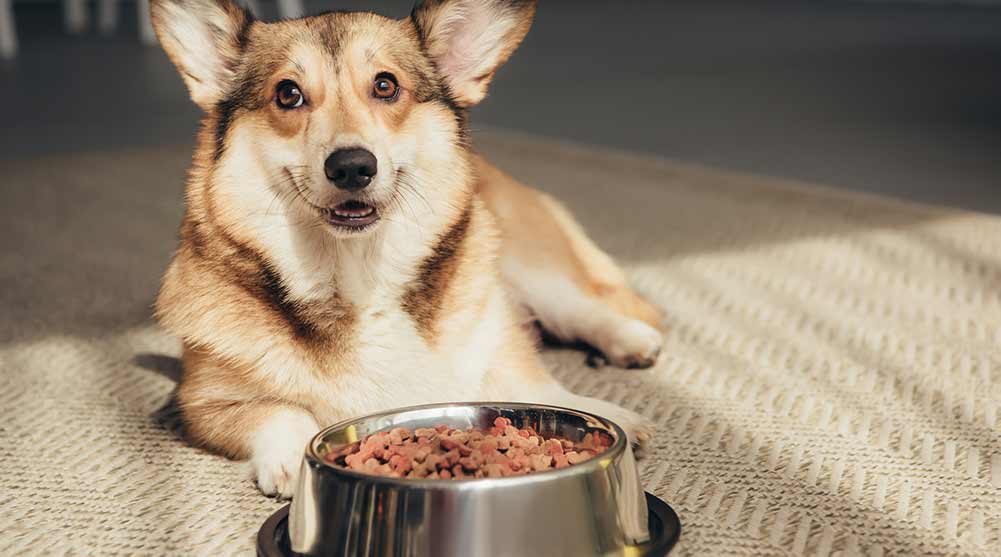
Offer a small amount of your dog’s usual food first. Warming wet food slightly can increase its smell, which may help a dog with a weaker sense of smell. If your veterinarian has prescribed a special diet, ask before replacing it with another food.
Keep the feeding area quiet and easy to reach. Give your dog time to eat without pressure. Do not force food into the mouth, as this can cause stress or aspiration.
- ✦ Warm the food gently
Slightly warming suitable wet food can make its smell stronger. Check the temperature before serving.
- ✦ Try smaller meals
A small portion may feel easier than a full bowl when a dog feels mildly nauseous or has a lower appetite.
- ✦ Keep food familiar
Avoid sudden diet changes when possible. A sudden switch can upset the stomach.
- ✦ Use a calm feeding spot
Feed your senior dog in a quiet area away from loud appliances, busy foot traffic, and other pets.
- ✦ Keep fresh water available
Make clean water easy to reach. Reduced drinking along with poor appetite can raise the risk of dehydration.
What to Feed a Senior Dog That Is Not Eating
The best food depends on why the dog is not eating. For a healthy dog with a short appetite dip, its normal complete and balanced diet is often the safest starting point. For a dog with kidney disease, diabetes, dental pain, stomach disease, or another condition, the right diet may be different.
Do not rely on rich table scraps, fatty meat, or large amounts of treats to get an older dog eating. These foods can upset the stomach and may be unsafe for dogs. Your veterinarian can suggest a suitable food if your dog needs a therapeutic diet.
- ✦ Start with the usual diet
Offer the food your dog normally eats unless a veterinarian has advised a different diet.
- ✦ Ask before changing therapeutic diets
Dogs with diagnosed medical conditions may need specific nutrition, so check with your veterinary team first.
Make Eating Easier for Dogs With Mobility Problems
An older dog may want to eat but struggle to reach the bowl. Place food on a stable, non-slip surface and keep the bowl close to your dog’s resting area. Some dogs may also benefit from a bowl height that lets them eat without bending too far, but comfort differs from dog to dog.
If your dog has trouble standing, walking, or keeping its balance, talk with your veterinarian about pain control and mobility support rather than focusing only on food.
- ✦ Reduce slipping
A non-slip mat can give an older dog better footing near the food bowl.
- ✦ Keep food nearby
A short, safe walk to the bowl can help dogs with stiff joints or weakness.
When Should I Call the Vet About a Senior Dog Not Eating?
If you are still asking, “why is my senior dog not eating,” and the change does not quickly improve, contact your veterinarian. Older dogs have less room for a wait-and-see approach when appetite loss comes with other symptoms.
A single missed meal may not always mean an emergency, but the right response depends on your dog’s health, age, size, medical history, and other signs. A dog with diabetes or another condition that affects food intake may need advice sooner.
When in doubt, call your veterinary clinic. A brief phone call can help you decide whether your dog needs an appointment, urgent care, or close monitoring at home.
- ✦ Call promptly for repeated vomiting
Repeated vomiting or vomiting with weakness, pain, blood, or dehydration needs veterinary assessment.
- ✦ Call promptly for severe weakness
Collapse, extreme weakness, confusion, or a major change in alertness should not be managed at home.
- ✦ Call promptly for breathing trouble
Labored breathing, blue or gray gums, or sudden severe breathing changes require emergency veterinary care.
- ✦ Call promptly for severe pain
Crying, repeated restlessness, a hunched posture, or obvious pain with poor appetite should be checked.
- ✦ Call promptly for a swollen abdomen
A sudden swollen belly, especially with retching or weakness, can be an emergency.
- ✦ Call for persistent appetite loss
An older dog that keeps eating poorly or loses weight needs a veterinary assessment even if no dramatic symptom appears.
Emergency Signs That Need Fast Veterinary Care
Some signs should move the question from “why is my senior dog not eating” to “how quickly can my dog get veterinary care.” Sudden collapse, severe breathing trouble, repeated retching with abdominal swelling, seizures, uncontrolled bleeding, or severe pain are examples.
If an emergency clinic is available in your area, call ahead when possible. Tell them your dog’s age, symptoms, current medicines, and when the appetite change began.
- ✦ Collapse or inability to stand
These signs can have many serious causes and require urgent assessment.
- ✦ Severe breathing difficulty
Do not wait for appetite to return if your dog is struggling to breathe.
- ✦ Repeated retching with a swollen belly
This combination can signal a life-threatening abdominal emergency.
- ✦ Seizures or severe confusion
Sudden neurologic changes require prompt veterinary care.
How a Veterinarian Finds the Cause of Appetite Loss
A vet will usually start by asking when the appetite changed and whether your dog is eating nothing or simply eating less. They may also ask about drinking, vomiting, stool, urine, weight, behavior, medicines, dental care, and recent food changes.
The physical exam may include the mouth, teeth, gums, abdomen, heart, lungs, joints, skin, and overall body condition. Blood and urine tests are common tools when an older dog has unexplained appetite loss.
Further tests depend on what the exam shows. X-rays, ultrasound, dental imaging, or other tests may be needed when the vet suspects a specific problem.
- ✦ Bring a food history
Tell the vet what your dog normally eats, how much it gets, and whether anything about the diet changed.
- ✦ Bring medication details
List prescription drugs, supplements, flea and tick products, and other treatments.
- ✦ Describe other symptoms
Mention changes in drinking, urination, stool, vomiting, sleep, movement, behavior, and weight.
What to Track Before the Appointment
A simple record can make the visit more useful. Note the time and amount of each meal, treats, water intake, bowel movements, urine, vomiting, and any changes in behavior or movement.
If your dog refuses food, note whether it sniffs the food, tries to eat, or shows no interest. That small detail can help the veterinarian understand whether appetite, pain, nausea, or another problem may be involved.
- ✦ Food intake
Record what was offered and roughly how much your dog ate.
- ✦ Water intake
Note whether your dog drinks more, less, or about the same as usual.
- ✦ Body changes
Track weight when possible and note muscle loss or a change in body shape.
How to Help Prevent Appetite Problems in Senior Dogs
You cannot prevent every cause of appetite loss, but good senior care can help you spot problems early. Regular veterinary visits, dental care, healthy weight control, safe exercise, and a consistent diet all matter.
Keep a close eye on small changes. A senior dog that starts eating more slowly, leaves food behind, drinks much more, loses weight, or changes behavior may need a checkup before the problem becomes severe.
Senior dogs also benefit from a comfortable routine. Easy access to food and water, safe footing, regular meal times, and a calm feeding space can make daily life easier.
- ✦ Schedule regular veterinary checks
Routine senior care can help identify health changes before they become obvious at home.
- ✦ Maintain dental care
Good dental care can reduce the risk of painful mouth disease and can make eating more comfortable.
- ✦ Keep a healthy weight
Both excess weight and unexplained weight loss can affect an older dog’s health.
- ✦ Keep meals consistent
A stable feeding routine makes appetite changes easier to notice.
- ✦ Make the home senior-friendly
Non-slip surfaces, easy access to food and water, and comfortable resting areas can help older dogs stay independent.
Do Senior Dogs Need a Special Diet?
Not every senior dog needs the same type of food. Diet should match the dog’s age, body condition, activity, dental health, and medical needs. Some dogs need a therapeutic diet because of kidney, liver, gastrointestinal, urinary, or other disease.
If your dog is healthy but eating less, ask your veterinarian whether its current food still fits its needs. Avoid changing foods again and again without a reason, since frequent changes can make stomach upset harder to understand.
- ✦ Base diet on health needs
The right food depends on the individual dog rather than age alone.
- ✦ Ask about calorie needs
Older dogs may become less active, but some also lose muscle or need more calories because of illness.