Why Do Dogs and Humans Bond So Well? The Science Behind Our Special Connection
If you have ever watched a dog wait by the door, lean against a person, or look up during a quiet moment, you have seen this bond in action. The connection can feel simple, yet it comes from many layers of behavior. Dogs depend on people for food, safety, care, and social contact, while people often find joy, comfort, companionship, and purpose in caring for dogs.
So, why do dogs and humans bond so well? The answer is not just that dogs are friendly. Dogs have lived beside humans for thousands of years, and this close relationship favored dogs that could live well with people. Today, shared homes, routines, play, training, touch, and positive attention can make the bond even stronger.
The human-dog bond also works both ways. A dog learns a person’s voice, habits, movements, and mood. A person learns the dog’s signals, needs, and unique personality. Over time, this two-way learning creates a strong sense of trust and familiarity.
 display: block; margin: 0 auto; border-radius: 12px; box-shadow: 0 8px 25px rgba(0, 0, 0, 0.12);”>
Dogs and Humans Are Both Highly Social Species
One major reason why do dogs and humans bond so well is simple: both species value social contact. Humans often build close groups around family, friends, and communities. Dogs also tend to seek company, cooperation, and social safety.
A dog does not only see a home as a place to eat and sleep. The people in that home can become part of the dog’s social world. This is why many dogs follow their owners from room to room or choose to rest near them.
This social nature gives the relationship a strong base. When a dog feels safe with a person, time spent together can build familiarity and trust.
- ✦ Social contact
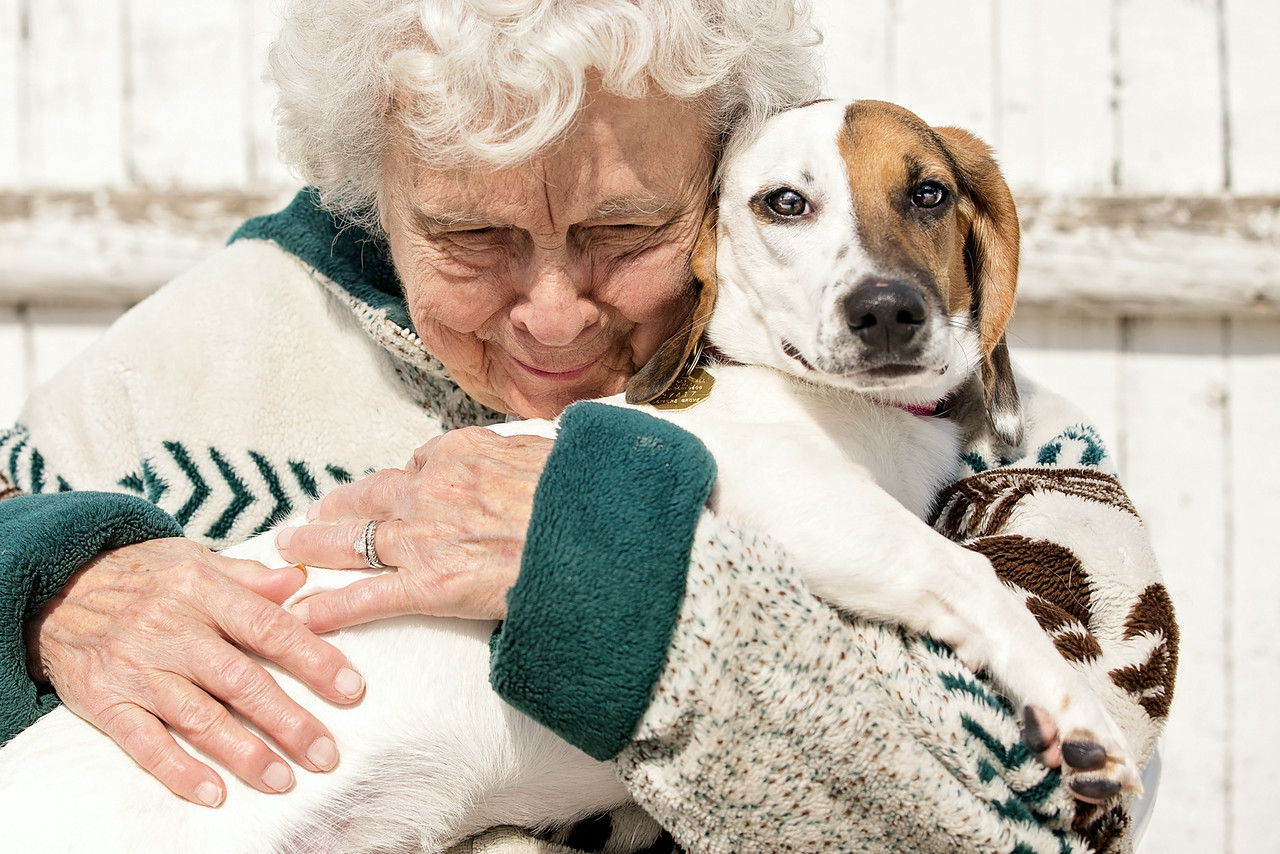
Dogs often seek closeness with people they trust. Sitting near a person can be rewarding even when no food or toy is involved.
- ✦ Group living
Dogs are well suited to life with people. A home can provide the social group, shelter, food, and daily structure a dog needs.
- ✦ Shared attention
Talking, petting, playing, and walking together give dogs many chances to interact with their human family.
Dogs Often Treat Their Humans as Important Social Partners
A family dog may use people for more than food. A trusted person can provide comfort, direction, safety, and social contact. This helps explain why some dogs become upset when a favorite person leaves.
This attachment does not mean every dog will act the same way. Breed, age, past experience, personality, training, and home life can all shape how a dog connects with people.
- ✦ Attachment
A dog may seek a trusted person when it feels unsure, tired, excited, or ready to relax.
- ✦ Familiarity
Regular contact helps a dog learn who provides care, play, comfort, and safety.
Thousands of Years Together Helped Shape the Bond
To understand why do dogs and humans bond so well, it helps to look at their long shared history. Dogs descended from ancient wolf populations, and some of those animals began living closer to human groups. Over many generations, dogs that handled human environments well had more chances to live and reproduce near people.
This long process helped shape dogs that could respond to human behavior. Many dogs today are good at following gestures, watching faces, listening to voices, and learning household routines.
Humans also changed through this relationship. People learned how to read dog behavior, teach dogs useful tasks, and create homes where dogs could become close companions. The result is a relationship shaped by both species.

- ✦ Human environments
Dogs that could adapt to people, food sources, homes, and human social settings had useful traits for life around humans.
- ✦ Cooperation
People and dogs have worked together in tasks such as hunting, herding, guarding, transport, and assistance.
- ✦ Modern companionship
Today, many dogs live mainly as companions, but their ability to cooperate with people remains a key part of the relationship.
Domestication Made Dogs Skilled at Living With People
Domestication is more than simply making an animal tame. Over many generations, it can change behavior and make an animal better suited to life with humans. Dogs became unusually good at fitting into human social settings.
That history helps explain why dogs can often learn human cues with little effort. A dog may notice a pointing hand, a change in voice, or a familiar routine and respond in a useful way.
- ✦ Human cues
Dogs can pay close attention to gestures, voices, body movement, and other signals from people.
- ✦ Social learning
Dogs can learn from repeated interactions with humans and adjust their behavior based on past results.
Oxytocin and Positive Interaction Can Strengthen Attachment
Another important part of why do dogs and humans bond so well involves the brain. Positive social contact can affect chemicals linked with bonding and social connection. One of the best-known examples is oxytocin, a hormone involved in social attachment in both humans and dogs.
Friendly eye contact, gentle touch, calm interaction, and positive attention can support a pleasant social experience. These moments can make both the dog and person more likely to seek contact again.
This does not mean one hormone explains the whole relationship. The bond also depends on learning, memory, safety, routine, personality, and the quality of care a dog receives.
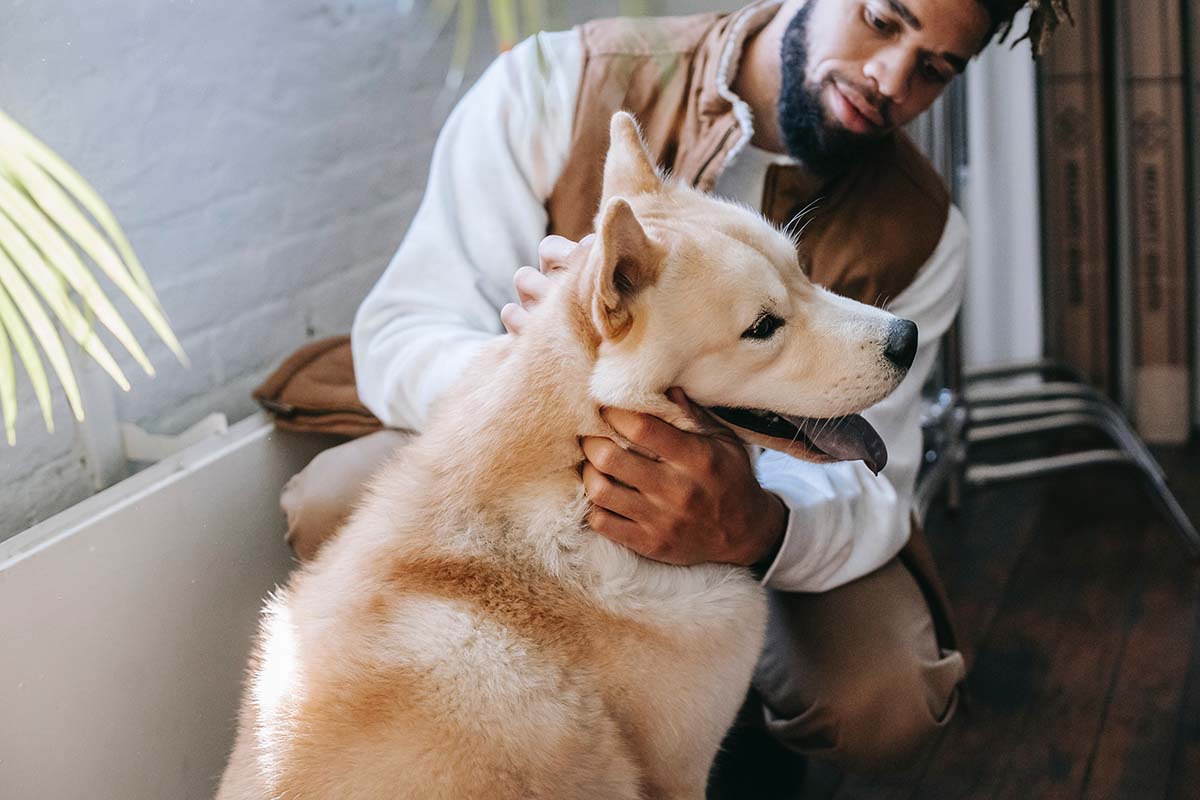
- ✦ Eye contact
Calm, friendly eye contact can be part of a positive interaction between a dog and a trusted person.
- ✦ Touch
Petting and other gentle contact may provide comfort when the dog enjoys that type of interaction.
- ✦ Positive feedback
Praise, play, treats, and attention can teach a dog that spending time with a person leads to good experiences.
Why Oxytocin Is Only One Piece of the Puzzle
It can be tempting to say that oxytocin alone explains the human-dog bond. That would be too simple. Hormones support social behavior, but a lasting relationship grows from repeated experiences that teach a dog that a person is safe, predictable, and rewarding.
The same idea applies to humans. People do not bond with dogs because of one chemical alone. Shared memories, affection, responsibility, companionship, and daily interaction all play a role.
- ✦ Biology
Brain and body systems can support social bonding and positive interaction.
- ✦ Learning
Repeated good experiences teach both dog and person that their relationship is safe and rewarding.
Dogs Are Remarkably Good at Reading Human Signals
A key reason why do dogs and humans bond so well is communication. Dogs cannot speak human language, but they are skilled at noticing tone, movement, facial expressions, posture, and routines. People also become skilled at reading dog body language with time.
For example, a dog may learn that a certain sound means a walk is coming. It may also notice when a person reaches for a leash, picks up a favorite toy, or changes tone before a training session.
This shared communication creates a sense of teamwork. Each successful interaction gives the dog and person more information about each other.

- ✦ Voice
Dogs can learn differences in tone and may respond differently to an excited, calm, or firm voice.
- ✦ Body language
Dogs watch human movement and posture to help understand what may happen next.
- ✦ Routine cues
Everyday actions can become meaningful signals, such as reaching for a leash before a walk.
- ✦ Facial attention
Dogs often watch human faces and eyes during social interactions, especially when they expect attention or guidance.
People Learn Dog Language Too
The communication goes both ways. Owners learn that a loose body may signal comfort, while a stiff body, tucked tail, lip licking, or turning away can signal stress or discomfort. Learning these signs helps people respond in ways their dogs understand.
This is one reason the bond can become stronger over time. Better communication reduces confusion and gives the dog more confidence in its human partner.
- ✦ Watch the whole dog
Look at the dog’s body, face, tail, ears, and situation instead of relying on one signal.
- ✦ Respect choice
Allowing a dog to move away from unwanted contact can build trust and reduce stress.
Daily Routines Turn Trust Into a Strong Relationship
If you wonder why do dogs and humans bond so well in everyday life, look at routine. Dogs often thrive when they know what to expect. Regular meals, walks, play, rest, training, and bedtime can make a home feel safe and predictable.
A person also becomes linked with these positive events. If the same person feeds the dog, takes it outside, plays with it, and helps it settle at night, the dog has many reasons to view that person as important.
Small moments matter too. A morning greeting, a short game after work, or sitting together while watching TV can add up over months and years. Strong attachment often grows from these simple repeated experiences.

- ✦ Reliable care
Consistent food, water, exercise, grooming, veterinary care, and rest help a dog feel secure.
- ✦ Shared activities
Walks, training, games, and quiet time create repeated chances for positive contact.
- ✦ Predictability
A stable routine can reduce uncertainty and help a dog understand what to expect from daily life.
Why Consistency Matters More Than Constant Attention
Dogs do not need a person to entertain them every minute of the day. What matters more is a safe relationship with clear and steady care. A person who provides calm guidance and meets the dog’s needs can become a trusted source of security.
This is useful for busy American households. Even when work and family schedules are full, short periods of focused interaction can support a healthy relationship.
- ✦ Short walks
A regular walk can provide exercise, new smells, training practice, and one-on-one time.
- ✦ Brief training
A few calm minutes of reward-based training can create teamwork without taking much time.
- ✦ Quiet time
Resting near a trusted person can be valuable social time even when no active game is happening.
Play, Care, and Shared Experiences Build Trust
Another answer to why do dogs and humans bond so well is shared experience. Playing together gives dogs a chance to interact with people in a fun setting. Training can do the same thing while also teaching useful skills.
Care routines can strengthen the relationship when the dog feels safe. Gentle grooming, feeding, walking, and calm handling can become familiar signs that a person is dependable.
Shared experiences also create memories. A dog may learn that a certain person is connected with walks, car rides, games, treats, naps, or relaxing evenings. Over time, these repeated patterns can create a deep sense of familiarity.

- ✦ Play
Games such as fetch, tug, scent games, and food puzzles can provide fun while building social interaction.
- ✦ Training
Reward-based training gives dogs clear information and lets people work with them as partners.
- ✦ Care
Meeting daily needs with patience can teach a dog that its human is a reliable source of support.
- ✦ Adventure
Safe outings and new experiences can give dogs and people positive memories to share.
Positive Training Can Improve the Human-Dog Bond
Training is not only about obedience. When people reward useful behavior and give dogs clear signals, training can become a form of communication. The dog learns what works, while the person learns how the dog thinks and responds.
Short sessions are often easier for both sides. A calm, reward-based approach can make learning feel like teamwork instead of conflict.
- ✦ Clear cues
Simple and consistent cues help dogs understand what a person wants.
- ✦ Reward good choices
Rewarding desired behavior gives dogs useful feedback and can make learning more enjoyable.
Why the Bond Can Feel Like Family
For many people, the human-dog bond becomes part of family life. A dog may have a regular place in the home, take part in daily routines, and share years of important moments with its owners. This close contact can make the relationship feel deeply personal.
Dogs can also provide steady companionship. They may greet a person after work, stay close during quiet evenings, or join family activities. Their presence can become part of the rhythm of home life.
Still, every dog is an individual. Some dogs enjoy lots of touch and attention, while others prefer more space. Understanding the dog’s personality is important if the goal is to build trust.
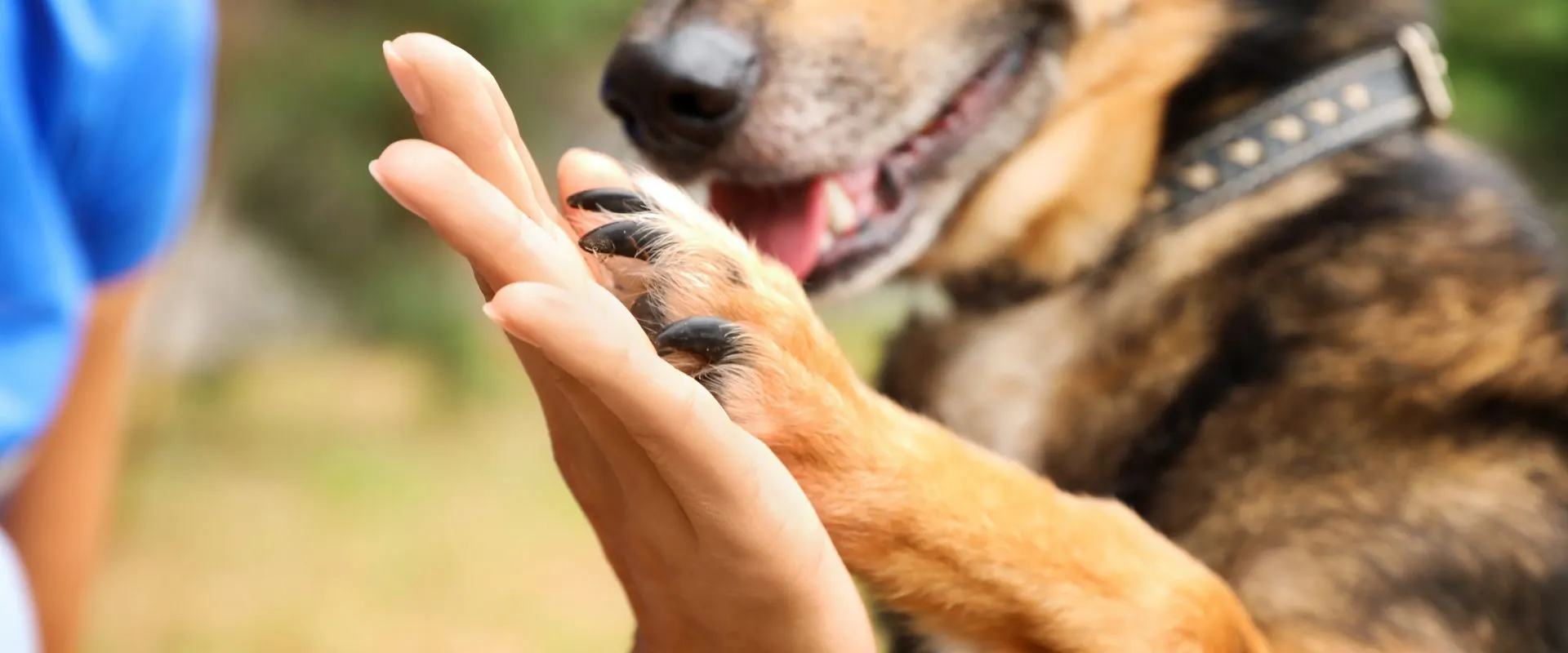
- ✦ Companionship
A dog can provide regular social contact and become a familiar part of a person’s daily life.
- ✦ Shared history
Years of walks, holidays, routines, training, and quiet moments can create a rich shared history.
- ✦ Emotional connection
People may feel comfort and joy from their dogs, while dogs can seek safety and positive social contact from trusted people.
- ✦ Individual needs
A strong bond does not require constant physical contact. Respecting each dog’s comfort can make trust stronger.
Does Every Dog Bond With Humans in the Same Way?
No. Dogs differ in temperament, genetics, early social experiences, age, health, training, and past treatment. A confident dog may seek people often, while a shy dog may need more time and space.
A dog that does not enjoy cuddling is not necessarily less attached. It may show affection by staying nearby, following a person, bringing a toy, checking in often, or choosing to rest in the same room.
- ✦ Personality
Some dogs are naturally social and active, while others are quieter or more independent.
- ✦ Past experiences
A dog’s earlier experiences with people can affect how quickly it learns to trust.
- ✦ Individual affection
Dogs can show attachment in different ways, so affection should not be measured by cuddling alone.