Why Are Hound Dogs Ears So Long: The Science Explained
Introduction
In the United States, long-eared hounds such as Basset Hounds, Bloodhounds, Coonhounds, and Beagles are known for their loose, hanging ears. Their ears are not long for one single reason. Their shape comes from a mix of selective breeding, scent work, anatomy, and inherited traits.
Long ears may help move scent near a hound’s nose when the dog tracks close to the ground. They may also help protect the ear canal from brush and debris. Still, some popular claims about long ears—such as ears creating a scent “air tunnel”—are theories, not firmly proven facts.
The clearest answer is this: people bred hounds for scent tracking and hunting traits, and long, floppy ears became part of that body design.
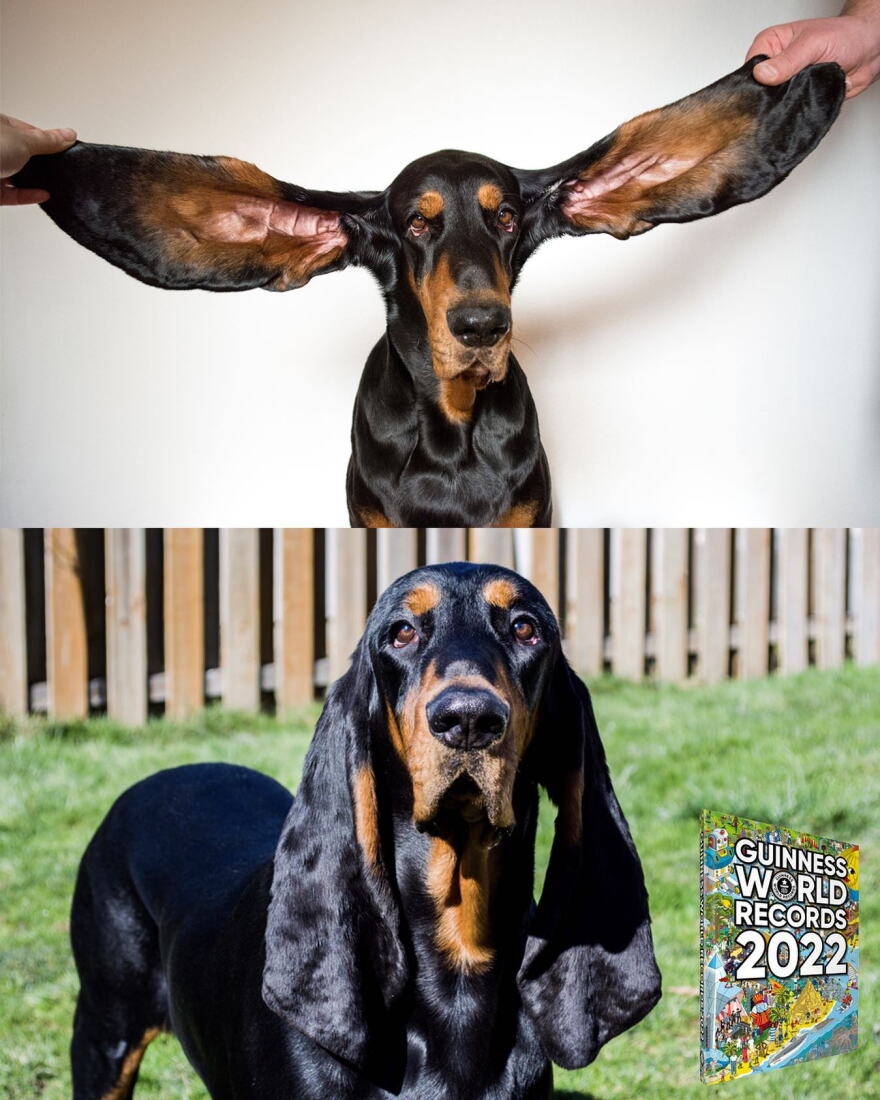
The short answer: Why do hound dogs have long ears?
Hound dogs have long ears mainly because of selective breeding for tracking and hunting work. Their ears may help in several ways:
- They can stir and hold scent close to the dog’s nose.
- They may shield the ear opening from grass, thorns, and dirt.
- Their shape is linked to inherited changes in cartilage and soft tissue.
- Breeders often favored the look because it became part of a breed’s identity.
- Long ears can improve scent-hound appearance without proving that they improve smell itself.
A hound’s nose does most of the scent detection. The ears support the tracking system, but they do not replace the nose.
How long ears may help a scent hound
They may move scent toward the nose
Many hounds track with their noses close to the ground. A long ear can brush along the soil, leaves, and grass as the dog moves. This motion may disturb tiny scent particles and bring some of them into the air near the nostrils.
The idea is biologically reasonable, but it should be stated with care. There is limited direct evidence showing that ear length alone makes one hound a better tracker than another. A dog’s scent ability also depends on its nasal structure, training, motivation, weather, ground conditions, and genetics.
Long ears may act more like soft side curtains than a precise scent funnel. They can influence air movement around the head, but they do not create a guaranteed path for scent.
They can protect the ear opening
A hanging ear flap covers much of the ear canal entrance. This may reduce direct contact with:
- Grass seeds
- Small twigs
- Dust
- Soil
- Thorny plants
- Cold air and wind
This protection is useful for a dog that works through brush. However, the same cover can reduce airflow and hold moisture inside the ear. A protective flap can therefore create a health trade-off.
They are part of the hound’s working design
Scent hounds were developed for jobs such as:
- Following a rabbit or hare trail
- Tracking deer
- Finding raccoons
- Following a human scent
- Searching over long distances
- Working slowly and steadily rather than sprinting after prey
Long ears are only one part of this design. Other important traits include a strong nose, loose skin, stamina, vocal ability, body shape, and a calm drive to stay on a scent trail.

Selective breeding made long ears more common
Long ears did not appear because individual dogs stretched them through use. They became common because people repeatedly bred dogs with desired traits.
When breeders chose dogs with:
- Strong tracking ability
- A steady hunting style
- Loose skin
- A deep voice
- A low body shape
- Long, hanging ears
those traits became more common in later generations. Over many generations, breed standards reinforced the same appearance.
This process is called artificial selection. It differs from natural selection because humans choose which dogs reproduce.
The role of domestication
Research on domestication has linked some dog traits to changes in development. These changes can affect the ears, coat, skull, face, tail, and body shape. In some domesticated animals, relaxed ear cartilage is associated with the familiar “floppy ear” look.
That does not mean every long-eared hound developed in exactly the same way. Each breed has its own history. A Basset Hound’s very long ears and loose skin are not identical to a Beagle’s moderate ear length or a Bloodhound’s thin, low-hanging ear leather.
Breed standards preserve the trait
In the United States, organizations such as the American Kennel Club describe ear shape and placement in breed standards. These standards help preserve the look associated with each breed.
For example:
- Basset Hounds have very long, low-set ears that often extend beyond the end of the muzzle.
- Bloodhounds have thin, long ears that hang close to the head.
- Beagles have medium-length ears with rounded ends.
- Coonhounds often have long ears that hang below the jaw.
- Dachshunds, which were bred to hunt in tunnels, also commonly have long, hanging ears.
The exact length varies by breed. “Hound ears” do not describe one single ear type.

Why are hound dogs’ ears floppy?
Hound ears are floppy because the ear flap, or pinna, has soft cartilage rather than the firm, upright structure seen in breeds such as German Shepherd Dogs.
Several features affect whether an ear stands up or hangs down:
- Cartilage strength
- Ear size and weight
- Ear shape
- Skin thickness
- Attachment point on the skull
- Genes that influence development
A large ear flap can weigh itself down. If the supporting cartilage is soft, the ear folds and hangs beside the face.
What is the pinna?
The pinna is the visible part of the ear. It collects sound and helps direct it into the ear canal. In a hound, the pinna may be long, thin, broad, or folded.
The outer ear does not determine the dog’s ability to smell. Smell comes mainly from the nasal cavity and the brain’s ability to process scent. The ear’s main direct job is hearing, even when its shape may also affect tracking conditions.
Why are some hound ears longer than others?
Breed goals explain much of the difference. Breeders selected some dogs for a dramatic, low-slung appearance, while others needed a lighter body for speed and endurance.
For instance, a Basset Hound has a low body and very long ears. A Beagle has shorter ears that suit a smaller, more active tracking dog. A Greyhound, a sight hound, usually has small, folded ears because it relies more on vision and speed than on ground-scent tracking.

Do long ears improve a dog’s sense of smell?
Long ears do not automatically give a dog a better sense of smell. A hound’s strong scent ability comes from its nose, nasal passages, scent-processing brain areas, genetics, and training.
Long ears may affect how scent moves around the face, but there is no simple rule that longer ears equal better tracking. A Beagle with shorter ears can be an excellent scent hound. A dog with very long ears may have poor tracking ability if it lacks training, health, or interest.
A useful way to think about it is:
The nose detects the scent. The body and behavior help the dog follow it.
What matters more than ear length?
Tracking ability depends on many variables:
| Factor | Why it matters |
|---|---|
| Nasal anatomy | Determines how the dog takes in and processes odor |
| Training | Teaches the dog to identify and follow a target scent |
| Genetics | Influences scent ability, focus, and working drive |
| Weather | Wind, heat, rain, and humidity change scent movement |
| Ground surface | Soil, pavement, leaves, and snow hold scent in different ways |
| Age and health | Illness or nasal problems can reduce performance |
| Motivation | A distracted dog may not use its scent ability well |
This is why ear length should be viewed as one inherited feature, not a measurement of scent skill.
Long ears can cause ear-health problems
Long, floppy ears can increase the risk of ear trouble because they cover the ear canal and limit airflow. A warm, damp canal can support the growth of yeast or bacteria.
Common signs of an ear problem include:
- Frequent scratching
- Head shaking
- Redness
- Bad odor
- Ear discharge
- Pain when touched
- Swelling
- A tilted head
- Reduced response to sound
A dog with these signs should be examined by a veterinarian. Ear infections can become painful and may damage deeper parts of the ear if treatment is delayed.
How to care for long hound ears
A safe ear-care routine includes:
- Check the ears weekly. Look for redness, moisture, swelling, dirt, or odor.
- Keep the ears dry. Dry them after swimming or bathing.
- Use only a veterinary-approved cleaner. Follow the product directions.
- Do not push cotton swabs into the canal. They can pack debris deeper or injure the ear.
- Avoid home remedies unless a veterinarian approves them. Vinegar, alcohol, oils, and peroxide may irritate an inflamed ear.
- Ask a veterinarian about repeated infections. Allergies, parasites, foreign objects, and skin disease can contribute.
Do not trim or tie a hound’s ears to change their natural shape. The ear flap is delicate, and unnecessary handling can cause injury.

Long ears are not always a health problem
Long ears are a normal breed trait. They do not mean that every hound will develop an infection.
Risk changes with the dog’s individual anatomy and lifestyle. A hound that swims often, has allergies, or has narrow ear canals may need more care than a dog that stays dry and has healthy ears.
Owners should avoid cleaning healthy ears too often. Excess cleaning can irritate the skin and disturb the ear’s normal protective barrier. A veterinarian can recommend a routine based on the dog’s history.
When should a veterinarian check the ears?
Arrange veterinary care when a hound has:
- Pain
- Strong or unusual odor
- Pus, blood, or dark discharge
- Sudden hearing changes
- Loss of balance
- Repeated ear infections
- A swollen ear flap
- Severe head shaking
Urgent care is appropriate for severe pain, loss of balance, facial weakness, or sudden hearing loss. These signs may point to deeper ear disease.
Why do hounds have loose skin along with long ears?
Some scent hounds have loose skin around the head and neck because breeders selected for a distinctive working and breed type. Loose skin may help create folds around the face that retain scent close to the nose. It also gives breeds such as the Bloodhound and Basset Hound their recognizable appearance.
The exact working benefit of loose skin is difficult to measure. It should not be treated as proof that a dog tracks better than a tight-skinned dog.
Loose skin can also create care needs. Skin folds may hold moisture, dirt, or allergens. Owners should check folds gently and ask a veterinarian about redness, sores, or odor.

Common myths about hound ears
Myth: Long ears let hounds hear better
Not necessarily. Ear length is not a direct measure of hearing ability. The outer ear helps collect sound, but hearing also depends on the middle ear, inner ear, nerves, age, and health.
Myth: Long ears are needed for every tracking dog
No. Dogs with different ear shapes can track scents. Ear length is common in many scent-hound breeds because of shared breeding goals, not because it is a required tool for tracking.
Myth: Long ears always cause infections
No. Long ears can raise risk, but they do not guarantee disease. Good hygiene, dry ears, healthy skin, and prompt treatment all matter.
Myth: A dog’s ears become long from dragging through brush
A dog does not lengthen its ears through use. Ear size and shape are inherited. Selective breeding changes those traits across generations.
Myth: Cleaning more often prevents every ear infection
Overcleaning can irritate the ear. Cleaning also cannot correct allergies, parasites, foreign objects, or deeper infections. The right routine depends on the dog.

Frequently asked questions
Are long ears useful for a Bloodhound?
They may help shape the scent environment around the head and protect the ear opening while the dog tracks. However, the Bloodhound’s famous tracking ability comes from its whole sensory and behavioral system, not ear length alone.
Why do Basset Hounds have especially long ears?
Basset Hounds were bred as low-scent hounds. Their low body, loose skin, short legs, and long ears form part of the breed’s selected design. The ears also create a large, noticeable flap that hangs near the ground.
Do long ears affect a hound’s hearing?
They can affect how sound enters the ear, but long ears do not automatically improve hearing. Ear infections, wax buildup, age, and inherited conditions have a greater effect on hearing health.
Should I clean my hound’s ears every day?
Usually, no. Daily cleaning is not needed for every dog and may cause irritation. Follow a veterinarian’s advice, especially if the dog has allergies, frequent infections, or swims often.
Can I shorten my dog’s ears?
Ear cropping is a surgical procedure with pain, healing, and welfare concerns. It is not needed to improve a hound’s scent ability. Never cut or alter the ears at home. Discuss any medical concern with a licensed veterinarian.
Conclusion
Hound dogs have long ears because generations of selective breeding favored a combination of tracking traits and a distinctive appearance. The ears may help move scent near the nose and protect the ear opening, but these effects are not the main source of a hound’s scent ability.
The nose, brain, training, genetics, and working drive matter more. Long ears also require routine checks because they can trap heat and moisture. For the owner, the best next step is simple: inspect the ears each week, keep them dry, and contact a veterinarian when pain, odor, discharge, or repeated infections appear.
Sources and further reading
- American Kennel Club: Bloodhound breed information
- American Kennel Club: Basset Hound breed information
- American Kennel Club: Beagle breed information
- Merck Veterinary Manual: Otitis Externa in Dogs
- VCA Animal Hospitals: Ear Infections in Dogs
- National Human Genome Research Institute: Dog domestication and inherited traits