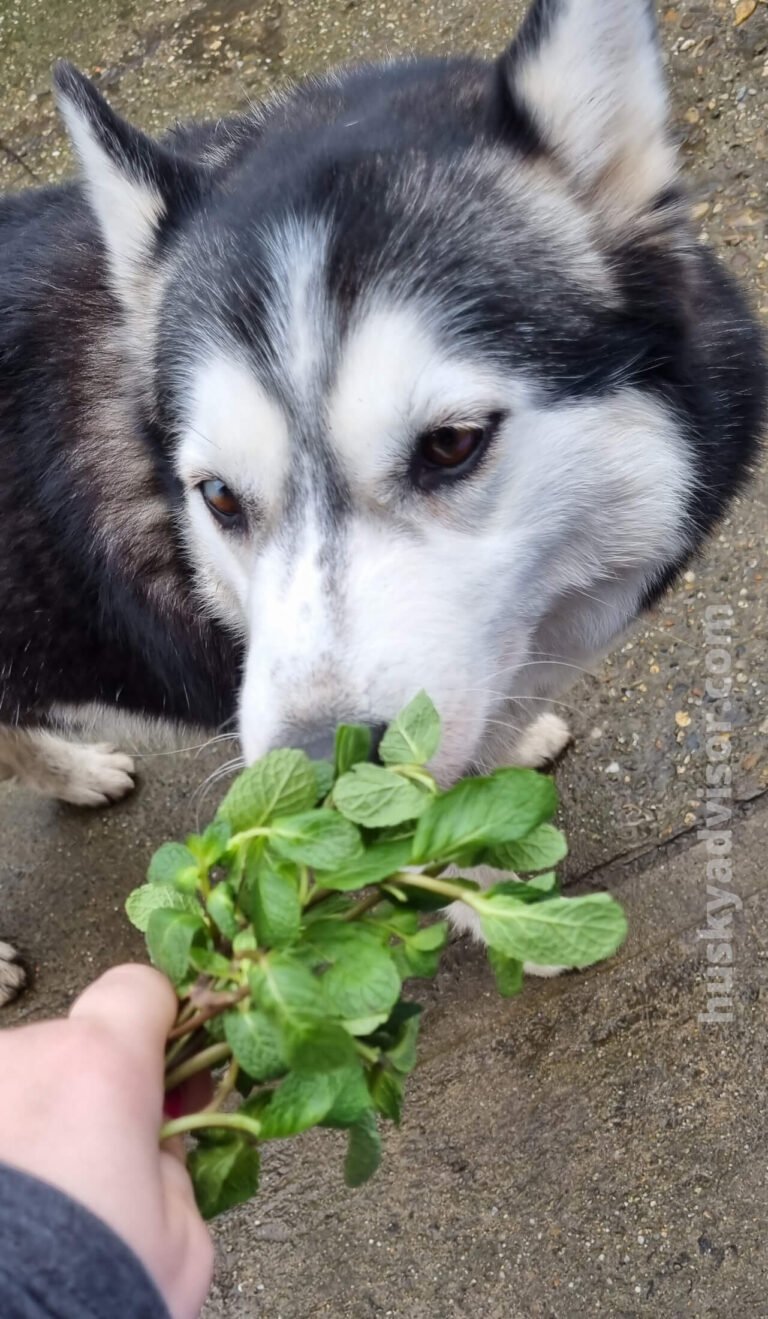
Why Does My Dog Eat Palm Leaves: Reasons And Safety Tips
Introduction
Dogs may eat palm leaves because they are curious, bored, hungry, stressed, or drawn to the leaves’ texture and movement. A small bite from a true, non-toxic palm may cause no lasting harm, but palm plants are not all alike. Sago palm is highly poisonous to dogs, and some palm leaves may cause cuts, stomach upset, choking, or an intestinal blockage.
If your dog has eaten any part of an unknown palm, identify the plant first. In the United States, contact your veterinarian or an animal poison service right away if the plant could be a sago palm or if your dog shows vomiting, weakness, tremors, bloody stool, or other unusual signs.

Why Dogs Eat Palm Leaves
Dogs often chew palm leaves for normal behavioral reasons, but repeated plant eating can also point to a health or diet concern.
Common reasons include:
- Curiosity: Dogs explore with their mouths. A new plant may be as interesting as a new toy.
- Texture and taste: Long, thin leaves can be fun to pull, shred, and chew.
- Boredom: Dogs with too little exercise or mental activity may chew plants for entertainment.
- Attention: If people react strongly when a dog grabs a leaf, the reaction can make the behavior more rewarding.
- Grass-eating habits: Some dogs eat plants as part of a general grazing habit.
- Mild stomach discomfort: Dogs sometimes eat vegetation when they feel nauseated, although plant eating does not reliably treat stomach problems.
- Stress or anxiety: Chewing may help some dogs self-soothe during storms, separation, or household changes.
- Pica: Pica is repeated eating of non-food items. It can be linked to behavior, parasites, anemia, gastrointestinal disease, or other medical problems.
Most dogs that nibble one leaf do not have a serious disorder. The risk depends more on the plant species, the amount eaten, the part swallowed, and your dog’s symptoms than on the act of chewing alone.

Are Palm Leaves Poisonous to Dogs?
Some palm plants are considered non-toxic to dogs, while others can cause severe poisoning. The word “palm” is not precise enough to determine safety.
Sago palm is highly toxic
Sago palm (Cycas revoluta) is not a true palm. It is a cycad, but many garden centers and homeowners call it a palm. Every part of the plant can be dangerous, especially the seeds. Its toxins can cause:
- Vomiting and diarrhea
- Loss of appetite
- Abdominal pain
- Weakness or depression
- Liver injury
- Bruising or bleeding
- Tremors or seizures
- Liver failure and death
Do not wait for symptoms after a suspected sago palm exposure. Early veterinary treatment can matter, and symptoms may develop after the initial exposure.
The ASPCA lists sago palm as toxic to dogs, cats, and horses. The Pet Poison Helpline also treats sago palm ingestion as an emergency.
Some true palms are listed as non-toxic
The ASPCA lists several common true palms as non-toxic to dogs, including:
- Areca palm
- Parlor palm
- Lady palm
- Bamboo palm
- Ponytail palm
“Non-toxic” does not mean “safe to eat in large amounts.” A dog that chews a large quantity may still develop vomiting, diarrhea, mouth irritation, or constipation. The plant may also have dirt, fertilizer, insecticide, or other chemicals on its leaves.
A plant label can be misleading
Common names vary by store, region, and seller. A plant sold as a “palm” may be a cycad or another species with different risks. Look for the scientific name on the plant tag, receipt, nursery website, or a clear photo identification service.
If you cannot confirm the species, treat the exposure as unknown and call a veterinarian.

What to Do if Your Dog Ate a Palm Leaf
Take action based on the plant’s identity, the amount eaten, and your dog’s condition.
1. Remove access to the plant
Move your dog away from the palm. Pick up loose leaves, seeds, and plant pieces so your dog cannot eat more. Save a leaf, seed, or clear photo for identification.
Do not punish your dog. Punishment may increase fear and usually does not explain why the behavior occurred.
2. Identify the plant
Check the plant tag for the scientific name. Pay special attention to names such as:
- Cycas revoluta — sago palm
- Cycas rumphii — often sold as a type of sago palm
- Zamia furfuracea — cardboard palm, a cycad
- Dioon species — another cycad group
These are not the same as common indoor palms such as areca or parlor palms.
3. Call for advice when the species is toxic or unknown
Call your veterinarian promptly if:
- The plant may be a sago palm or another cycad.
- Your dog ate seeds, roots, or a large amount of foliage.
- Your dog is small, very young, elderly, pregnant, or has another illness.
- The plant was treated with fertilizer, weed killer, pesticide, or another chemical.
- You cannot identify the plant.
In the United States, you can also contact:
- ASPCA Animal Poison Control Center: (888) 426-4435
- Pet Poison Helpline: (855) 764-7661
Fees may apply. Keep the plant name, your dog’s weight, the estimated amount eaten, and the time of exposure nearby.
4. Do not induce vomiting unless told to do so
Do not give hydrogen peroxide, milk, oil, salt, activated charcoal, or human medicine unless a veterinarian or poison professional specifically directs you. Home treatment can worsen injury, delay care, or cause aspiration.
5. Watch for warning signs
Seek urgent veterinary care if your dog develops:
- Repeated vomiting or diarrhea
- Blood in vomit or stool
- Severe drooling or trouble swallowing
- Weakness, collapse, or unusual sleepiness
- Tremors, seizures, or trouble walking
- A swollen or painful belly
- Repeated retching
- Refusal to drink or inability to keep water down
- Yellow gums, eyes, or skin
- Trouble breathing
A dog that swallowed a long, tough leaf may also face a foreign-body blockage. Signs of blockage can include vomiting, abdominal pain, poor appetite, lethargy, and little or no stool. These signs require prompt veterinary evaluation.

When Palm Leaf Eating Is an Emergency
Palm leaf eating is an emergency when the plant may be toxic, the amount is large, or symptoms suggest poisoning or obstruction.
The highest-risk situation is a known or suspected sago palm exposure. The toxic risk is not limited to the seeds. Leaves and other plant parts can also be harmful.
A second concern is physical injury. Sharp leaf edges, stiff stems, or fallen fronds can scratch the mouth or throat. A large piece may become lodged or move into the stomach and intestines. Chewed plant material may also mix with soil, mulch, fertilizer, or pesticides.
Do not use the absence of symptoms as proof that your dog is safe. Some toxic exposures have a delay between eating the plant and showing illness.
| Situation | Best next step |
|---|---|
| One small bite from a confirmed non-toxic palm and no symptoms | Remove the plant, offer water, and monitor closely |
| Unknown palm species | Call your veterinarian or a poison service for identification and advice |
| Any amount of suspected sago palm | Contact a veterinarian or animal poison service immediately |
| Large amount of leaves, seeds, or stems | Seek veterinary advice promptly |
| Vomiting, weakness, tremors, pain, or collapse | Go to an emergency veterinary hospital |
| Possible pesticide or fertilizer exposure | Call a veterinarian or poison service immediately |
This table is general guidance, not a diagnosis. A veterinarian may recommend an examination even when the exposure appears small.

How to Stop Your Dog From Eating Palm Leaves
The safest solution is to prevent access while you address the reason for the chewing.
Make the plant unreachable
Use a secure room, closed patio, raised planter, or sturdy barrier. A lightweight plant stand may not be enough for a large or determined dog. Remove fallen leaves and seeds from yards and walkways every day.
If you have a sago palm, the safest option is to remove it from any area your dog can reach. Do not rely on training alone for a plant that can cause severe poisoning.
Increase exercise and enrichment
A dog that chews plants from boredom may improve with more suitable activities:
- Daily walks suited to the dog’s age and health
- Short training sessions
- Food puzzles used under supervision
- Fetch, scent games, or hide-and-seek
- Safe chew toys
- Regular play with people or compatible dogs
Offer a legal chewing option before your dog reaches the plant. Reward the dog for choosing the toy.
Teach “leave it”
Practice indoors first:
- Place a low-value treat in a closed hand.
- Wait for your dog to stop sniffing or pawing at it.
- Say “leave it,” then reward the dog with a different treat.
- Repeat with the treat on the floor, while keeping it covered if needed.
- Practice near the plant only when your dog can respond reliably.
Use calm praise and a reward. Do not chase your dog, since chasing can turn the leaf into a game.
Review recent changes
Plant chewing that begins suddenly may follow a change in routine, a move, a new pet, separation, or reduced exercise. It may also occur with nausea, parasites, dental pain, or other medical problems.
Schedule a veterinary visit if the behavior is new, intense, difficult to interrupt, or paired with weight loss, diarrhea, poor appetite, excessive thirst, or repeated eating of non-food items.
Could Palm Leaves Cause a Blockage?
Yes. A palm leaf may be hard to digest, especially when swallowed in a large or long piece. The risk increases when a dog eats stems, stiff fronds, seeds, or several leaves.
A blockage may not appear at once. Watch for:
- Repeated vomiting
- Refusal to eat
- Abdominal pain or restlessness
- A hunched posture
- Straining to defecate
- Little stool
- Low energy
- A swollen abdomen
Do not pull plant material from your dog’s mouth or rectum. It may be attached farther inside and pulling can cause injury. Call a veterinarian instead.
Never assume that diarrhea means the material has passed. A partial blockage can still allow some stool or liquid to move through.

Do Dogs Eat Palm Leaves Because They Lack Nutrients?
Usually, no. Eating a palm leaf does not prove that a dog has a vitamin or mineral deficiency.
Dogs may eat plants for many reasons, and routine supplementation is not a reliable fix. Adding vitamins without veterinary guidance can create problems, especially with nutrients that build up in the body.
A medical check is more useful when plant eating is frequent or compulsive. The veterinarian may ask about diet, stool quality, appetite, weight, medications, parasite prevention, and access to household chemicals. Testing depends on the dog’s signs and history.
Feed a complete and balanced dog food appropriate for your dog’s life stage. Do not change the diet or add supplements solely because your dog eats leaves.

Common Mistakes to Avoid
Several well-meant responses can increase risk.
Assuming every palm is safe
“Sago palm” is a common name that causes confusion. Confirm the scientific name instead of judging the plant by its shape.
Waiting for severe symptoms
Early poisoning may look mild. A dog may vomit once and then worsen later. Call promptly for suspected toxic plants.
Treating a poison exposure at home
Hydrogen peroxide and other home remedies are not harmless. A veterinarian must decide whether vomiting is safe based on the substance, time, and condition of the dog.
Ignoring chemicals on the plant
A non-toxic palm can still expose a dog to fertilizer, insecticide, slug bait, or treated soil. Tell the veterinarian about every product used near the plant.
Using punishment
Punishment may suppress the behavior when you are watching but does not remove access or address boredom, stress, or illness. Management and reward-based training are safer starting points.

Frequently Asked Questions
Is it normal for dogs to eat palm leaves?
Occasional plant chewing can be normal, especially in curious or bored dogs. It is not harmless by default, though. Identify the palm and watch for stomach, neurologic, or obstruction signs.
How can I tell if a palm is a sago palm?
Look for the scientific name on the plant label. Sago palm is commonly identified as Cycas revoluta. It has stiff, feather-like leaves that grow from a central trunk, but appearance alone is not reliable because other cycads look similar.
What if my dog ate an areca or parlor palm?
These palms are listed as non-toxic to dogs by the ASPCA. A large amount can still cause stomach upset, and the plant may have chemicals on it. Remove access, monitor your dog, and call your veterinarian if symptoms occur or the amount was large.
Should I give my dog grass after it eats a palm leaf?
No. Do not try to make your dog eat more plants. Grass will not neutralize palm toxins and may add more plant material to the stomach.
When should I call the vet after my dog eats a leaf?
Call immediately for a suspected sago palm, an unknown plant, a large amount, chemical exposure, or any sign of illness. Emergency signs include repeated vomiting, weakness, tremors, seizures, collapse, severe pain, and trouble breathing.
Can palm leaves cause diarrhea?
Yes. Plant material may irritate the digestive tract, and chemicals on the leaves may also cause illness. Diarrhea with blood, vomiting, weakness, or poor appetite needs prompt veterinary advice.
Conclusion
Your dog may eat palm leaves because of curiosity, boredom, stress, or a natural urge to chew. The key safety issue is plant identity: sago palm and other cycads can be life-threatening, while some true palms are listed as non-toxic but may still upset the stomach or cause a blockage when eaten in quantity.
Remove access, identify the plant, and avoid home remedies. Contact a veterinarian or U.S. animal poison service promptly if the plant is unknown, may be toxic, or your dog shows any unusual symptoms.