Why Do Dogs Mate With Their Owners: The Real Reason
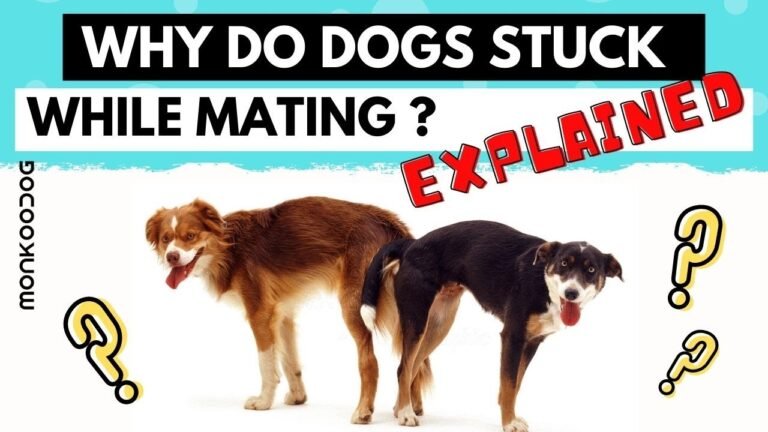
Dogs do not mate with their owners in a sexual sense. What people usually mean is that a dog may hump a person, rub against a leg, or show intense attachment behavior. In the United States, these behaviors are common and usually point to excitement, stress, overarousal, play, or learned habit—not romance or mating.

What People Usually Mean by “Mating” Behavior in Dogs
The behavior is usually mounting, humping, or pelvic thrusting. These actions can happen with people, other dogs, toys, blankets, or furniture. They are not always sexual.
In U.S. households, owners often first notice this during play, greetings, or moments of high energy. Puppies, intact males, spayed females, and neutered dogs can all do it. So the behavior is not limited to one sex or one age group.
Why Dogs Do This
The behavior usually comes from one of five causes:
-
Arousal or excitement
A dog may hump when it is overstimulated. This often happens during play, after visitors arrive, or when the dog is excited at the end of a walk. -
Stress or frustration
Some dogs use mounting as a coping behavior. A loud home, limited exercise, or social tension can trigger it. -
Learned habit
If the behavior gets attention, laughs, or a big reaction, the dog may repeat it. Even negative attention can reinforce it. -
Social conflict
Dogs sometimes mount during interactions with other dogs or people when they are unsure what to do next. -
Medical or hormonal causes
Less often, pain, skin irritation, urinary issues, or hormone-related conditions can contribute. A sudden change in behavior deserves a vet check.
The key point is simple: mounting is a behavior, not proof that a dog is trying to mate with a person.
Why It Happens Around Owners Specifically
Dogs are highly attached to the people they live with. That makes owners the most available target for attention-seeking or overarousal behavior. In practical terms, the dog is not choosing the owner because of sexual interest. It is choosing the owner because the owner is nearby, familiar, and emotionally important.
Dogs also learn fast from human responses. If an owner laughs, pushes the dog off, talks to it, or gives strong attention, the dog may treat that reaction as part of the game. That can make the behavior stick.
Is It Normal?
Yes, occasional mounting is common in dogs. Many healthy dogs do it from time to time. But normal does not mean it should be ignored if it is frequent, intense, or disruptive.
A quick guide:
| Pattern | What it often suggests | What to do |
|---|---|---|
| Rare, brief, and during play | Excitement | redirect and reward calm behavior |
| Frequent in social situations | Overarousal or stress | Reduce triggers and teach settling |
| New or sudden in an adult dog | Medical or behavioral change | Call a veterinarian |
| Focused on one person or guest | Habit or attention-seeking | Interrupt early and redirect |
| Accompanied by aggression, pain, or licking | Possible health issue | Seek vet evaluation |
What Owners Should Do
The safest response is calm, brief, and consistent.
1. Interrupt early
Use a neutral cue such as “off” or “leave it.” Do not yell or wrestle with the dog. Big reactions can make the problem worse.
2. Redirect to another behavior
Ask for a sit, down, touch, or place command. Reward the dog when it complies.
3. Reduce overstimulation
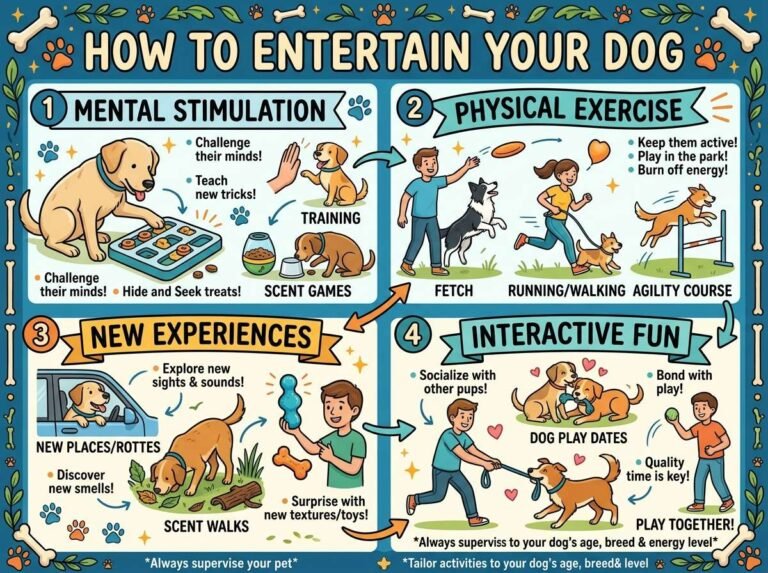
If the dog starts humping during play, shorten the play session. Add breaks, quiet time, and enrichment that does not overstimulate.
4. Track patterns
Notice when it happens:
- after visitors arrive
- during rough play
- when the dog is tired
- when the dog is anxious
- around specific people or animals
Patterns help identify the trigger.
5. Contact a veterinarian if needed
If the behavior appears suddenly, becomes obsessive, or comes with other symptoms, a vet should rule out pain or illness.
What Not to Do
Do not punish the dog harshly. Punishment can increase anxiety and make the behavior harder to manage. It can also damage trust.
Do not assume the dog is “dominant” in a human sense. That idea is oversimplified and often misleading. The more useful question is: what is triggering the behavior, and what reinforces it?
Do not wait if the dog is showing signs of discomfort, itching, limping, urinary changes, or a sudden personality shift.
When Mounting May Signal a Bigger Problem
Mounting is more concerning when it:
- starts suddenly in a previously calm dog
- happens many times a day
- appears with barking, snapping, or pacing
- occurs alongside licking, scratching, or signs of pain
- continues even after training and routine changes
In those cases, the behavior may be linked to anxiety, poor impulse control, skin irritation, pain, or another medical issue. A veterinarian or qualified dog behavior professional can help sort that out.

Common Misunderstandings
“My dog is trying to mate with me.”
That is usually not the correct explanation. The behavior is much more often about excitement, stress, or learned habit.
“Only unneutered dogs do this.”
False. Spayed and neutered dogs can still mount.
“If I ignore it, it will stop.”
Sometimes ignoring helps, but often the dog needs redirection and better management. If the behavior is rehearsed often, it may continue without a new plan.
“The dog is being spiteful.”
Dogs do not usually act out of spite the way people imagine it. They respond to triggers, habits, and reinforcement.
FAQ
Why does my dog hump me and not other people?
Your dog may be more excited around you, more comfortable with you, or more likely to get a reaction from you. Familiar people often become the target of learned habits.
Does neutering stop humping?
Not always. Neutering may help when hormones contribute, but many dogs hump for nonsexual reasons. Training and trigger management may still be needed.
Should I be worried if my dog suddenly starts doing this?
Yes, if the behavior is new or sudden. A veterinary exam is a good first step because pain or illness can sometimes change behavior.
Is humping a dominance behavior?
Usually not in the simple way people mean. It is more accurate to look at arousal, stress, context, and reinforcement.
How do I stop my dog from humping guests?
Keep the dog on a leash at first, reward calm behavior, provide a place command, and remove the dog before it gets overexcited. If it keeps happening, work with a trainer or behavior professional.
Conclusion
Dogs do not truly mate with their owners. When a dog humps a person, it is usually showing excitement, stress, frustration, or a learned habit. The best response is calm management, redirection, and attention to possible medical causes.
If the behavior is frequent, sudden, or paired with other symptoms, schedule a veterinary visit.