Why Do Dogs Have Facial Expressions: Pet Body Language
Dogs have facial expressions because their faces are part of how they communicate, react to emotion, and respond to people and other animals. In the United States, where dogs live closely with families in homes, parks, shelters, and veterinary settings, those expressions help people read needs like fear, excitement, stress, curiosity, and comfort. A dog’s face is not as complex as a human face in every way, but it is highly useful for social communication.
Dogs use their eyebrows, eyes, ears, mouth, and head position to send signals. Some expressions are driven by instinct and emotion. Others are shaped by learning, especially from living with people. That is why a dog may “look guilty,” “smile,” or give a soft, worried stare even when the real message is something simpler: “I am unsure,” “I am relaxed,” or “please back off.”
What facial expressions mean in dogs
Dog facial expressions are visible signs of internal state and social intent. They are not always identical to human expressions, but they often work as communication signals within the dog’s body language.
A facial expression can show:
- emotional arousal, such as excitement or fear
- social intention, such as play, avoidance, or appeasement
- physical comfort or discomfort
- attention toward a person, sound, or event
The key point is that a dog’s face rarely acts alone. To understand it well, you must look at the ears, tail, posture, and movement too. A relaxed face with a loose body usually means something very different from a tense face with stiff legs.
Why dogs evolved to show facial expressions
Dogs evolved facial expressions because facial movement helps survival and social living. Wolves and other canids use body signals to avoid conflict, coordinate with a group, and protect themselves. Domestic dogs kept many of those communication tools, and they also became better at using faces around people.
One important reason is social bonding. Dogs that live with humans benefit from being understood quickly. If a dog can show uncertainty, fear, or friendliness clearly, it is more likely to avoid conflict and get a helpful response. That makes facial expression a practical survival tool, not just an emotional one.
Another reason is domestication. Over thousands of years, dogs that could interact successfully with humans were more likely to live near them and reproduce. That likely favored dogs that were easier for people to read. In turn, dogs also learned to watch human faces closely and respond to them.
How a dog’s face communicates emotion
Dog facial expressions work through small changes in muscle tension, eye shape, ear position, and mouth movement. Those changes can happen quickly and often before a dog’s whole body changes.
Eyes
The eyes are one of the clearest clues. Soft eyes often suggest relaxation. Wide eyes, a hard stare, or visible whites can point to stress, fear, or high alert. A blink or a squint may signal calm, avoidance, or discomfort depending on the full context.
Ears
Ears can move forward, back, or outward. Forward ears often show interest or alertness. Flattened ears may show fear, submission, or uncertainty. Because ear shape varies by breed, you should read the movement relative to the dog’s normal ear position.
Mouth
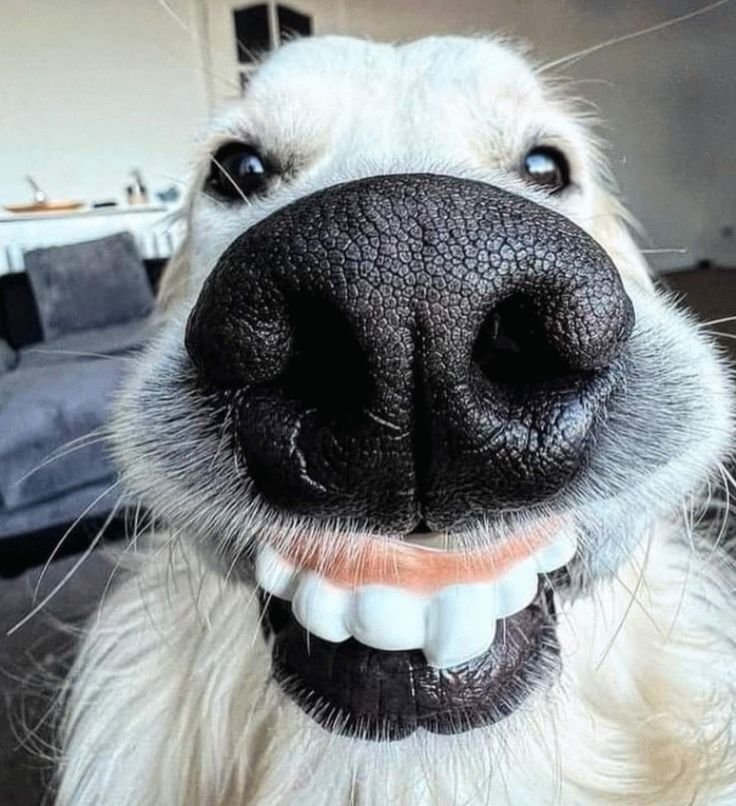
A loose mouth may look open and relaxed. A closed mouth can be neutral, but it can also mean tension. Lip licking, yawning, or pulling the lips back can be calming signals or signs of stress. A true relaxed “smile” is usually not the same thing as a human smile.
Brow and muzzle
Some dogs raise the area above the eyes in ways that look a lot like a human frown or concern. Dogs are especially good at using eyebrow movement around people because humans respond strongly to that region of the face. The muzzle can also tighten when a dog feels unsure, defensive, or ready to act.
Why dog facial expressions seem so human
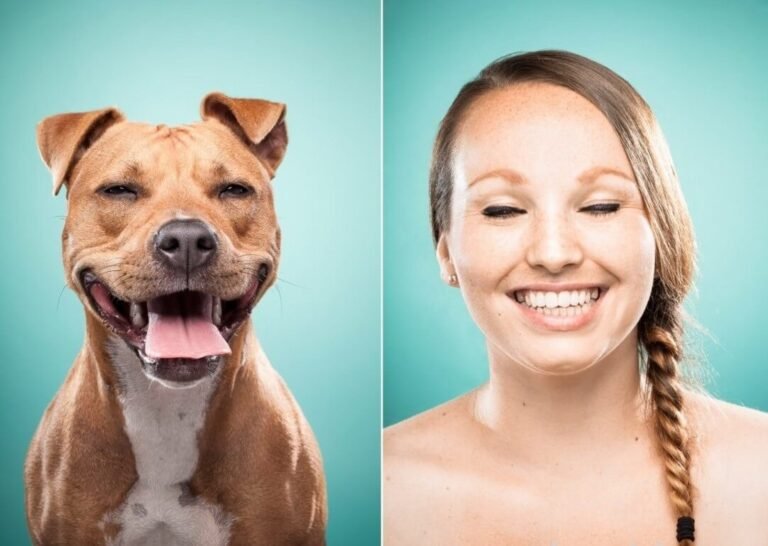
Dog expressions seem human because people are very tuned to faces. Humans naturally project emotion onto eyes, mouths, and brows. Dogs also tend to use face signals that are easy for us to notice, especially after thousands of years of close living.
There is another reason: dogs respond to human attention. In many homes across the U.S., dogs get rewarded with food, praise, play, and affection when they make certain expressions. Over time, they may learn which face gets a better response. That does not mean the dog is faking. It means the dog is adapting socially.
This is why a dog may look “sad,” “apologetic,” or “guilty.” Often, the face is showing appeasement, stress, or anticipation of your reaction. The dog is communicating, but not necessarily confessing.
What influences a dog’s facial expressions?
Several variables change how a dog expresses itself. Breed, age, training, health, and situation all matter.
| Factor | How it affects expression | What to look for |
|---|---|---|
| Breed type | Ear shape, muzzle length, and facial skin can change visibility | Compare the dog to its own normal face |
| Age | Puppies often have more playful, open expressions | Soft mouth, bouncy eye contact, quick shifts |
| Stress level | Fear or conflict can tighten the face | Lip licking, whale eye, stiff posture |
| Health | Pain can change facial tension and eye shape | Squinting, drooling, reduced movement |
| Social context | Dogs adjust expressions around people and other dogs | Watch for pattern changes during greetings, feeding, or handling |
A short muzzle may make some expressions easier to see, while a long muzzle may make others harder to notice. Floppy ears can hide ear signals. That is why no single facial cue should be treated as a complete answer.
How to tell emotion from a facial expression
To read a dog’s expression correctly, look at the whole picture. The face gives clues, but the body confirms them.
Use this simple sequence:
- Look at the eyes.
- Check the mouth and brow.
- Notice the ears.
- Watch the tail and posture.
- Read the setting.
A calm dog usually has a loose face, loose muscles, and normal breathing. A stressed dog may show a tight mouth, stiff body, frozen movement, or repeated calming signals. A playful dog may look open, animated, and bouncy, with a relaxed body and quick movements.
One useful rule is this: if the face says one thing but the body says another, trust the whole-body signal. For example, a dog that appears to “smile” but has a stiff body and fixed stare may not be friendly at all.
Common mistakes people make when reading dog faces
People often make the same reading errors with dog expressions.
Mistaking stress for guilt
Dogs do not appear guilty in the human moral sense. They often look “guilty” because they sense tension, expect correction, or try to reduce conflict. The expression is usually a response to your tone, posture, or the situation.
Assuming all panting means happiness
Panting can mean heat, excitement, anxiety, pain, or recovery after activity. A relaxed face helps, but panting by itself is not enough to judge mood.
Reading breed differences as emotion
Some dogs naturally look serious, while others look soft or expressive. Facial structure changes how emotions appear. You need the dog’s baseline face before you can interpret changes well.
Ignoring pain
Pain can change facial expression dramatically. Squinting, a tight muzzle, or withdrawn behavior may be more than mood. If facial change comes with limping, appetite loss, or lethargy, a veterinarian should evaluate the dog.
When facial expressions may signal a problem
A facial expression becomes concerning when it matches other warning signs. This is especially important if the dog is acting differently than usual.
Watch for:
- persistent squinting or one eye held closed
- sudden facial tightness
- repeated lip licking with avoidance
- whale eye paired with stiff posture
- trembling, hiding, or freezing
- drooling, pawing at the face, or swelling
These signs can point to fear, pain, nausea, or an eye problem. If the change is sudden or severe, contact a veterinarian. If the dog seems scared or defensive, give space and avoid forcing interaction.
Why understanding facial expressions matters
Understanding dog facial expressions helps prevent bites, reduce stress, and improve training. It also strengthens the human-dog bond because the dog feels better understood.
For families, this means safer handling at home. For shelters and rescues, it helps staff assess stress and comfort more accurately. For trainers, it helps separate obedience issues from emotional discomfort. In every case, reading the face well leads to better decisions.
Quick takeaways
Dog facial expressions exist because they help dogs communicate emotion, intent, and comfort level. Some expressions are instinctive, while others are shaped by life with humans. The most accurate reading comes from the whole dog, not the face alone.
If you remember one thing, remember this: a dog’s face is a message, but the full body is the sentence.
FAQs
Why do dogs make eye contact with people?
Dogs make eye contact to communicate, seek guidance, request attention, or read your reaction. The meaning depends on the rest of the body. Soft eye contact can be bonding, while a hard stare can signal tension.
Can dogs really smile?
Dogs can make facial shapes that look like smiling, especially when relaxed or excited. But a dog “smile” is not always the same as a human smile. Look at the body, breathing, and context before deciding what it means.
Do dogs show emotions in their faces like humans do?
Yes, but not in exactly the same way. Dogs use facial muscles to show feelings and social signals, but their expressions are shaped by canine behavior and anatomy. The meaning is often different from a human expression with the same look.
Why does my dog look guilty when I come home?
Your dog may look “guilty” because it senses your mood, expects attention, or is trying to reduce tension. That face is usually a stress or appeasement response, not proof of wrongdoing.
How can I tell if my dog is uncomfortable?
Look for a tight mouth, averted eyes, flattened ears, freezing, lip licking, or whale eye. If these signs appear with a stiff body or sudden behavior change, give the dog space and consider contacting a veterinarian.
Conclusion
Dogs have facial expressions because faces are part of how they survive, socialize, and live with people. In the U.S., where dogs often share close daily life with humans, those expressions matter even more. Learning to read them clearly can help you respond with more confidence, more safety, and more care.