The best way to keep a dog from barking in a crate is to teach the dog that the crate is a safe, calm place while meeting exercise, bathroom, and attention needs before crate time.
Across the United States, many dog owners use crates as a safe space for puppies and adult dogs during travel, rest, or short periods when supervision is not possible. Crate barking is common, but it usually means the dog is communicating a need, discomfort, fear, boredom, or excitement rather than simply being stubborn.
The most effective approach is gradual crate training combined with positive reinforcement. A dog that learns to relax in a crate is more likely to rest quietly, while a dog that is forced to stay confined too quickly may develop stronger barking habits. The goal is not to punish barking but to teach a better response.
This guide explains why dogs bark in crates, how to identify the cause, the training steps that help reduce barking, and when a barking problem may require professional support.
Source: i.pinimg.com
Why Dogs Bark In A Crate
Dogs bark in crates for different reasons, and the solution depends on the cause. A young puppy may bark because they need a bathroom break, while an adult dog may bark because the crate predicts isolation or frustration.
Before training begins, observe when the barking happens. A dog that barks immediately after entering the crate may dislike the confinement. A dog that becomes restless after several minutes may be reacting to boredom, noise, or being left alone.
Source: i.ytimg.com
Needs a bathroom break
Puppies and some older dogs may bark because they cannot comfortably wait longer before going outside.
Seeking attention
Some dogs learn that barking makes people return, talk, or open the crate door.
Fear or stress
A dog may bark because the crate feels unfamiliar or because being alone creates anxiety.
Too much energy
A dog that has not received enough physical activity or mental stimulation may struggle to settle.
How To Tell The Difference Between Normal Barking And Distress
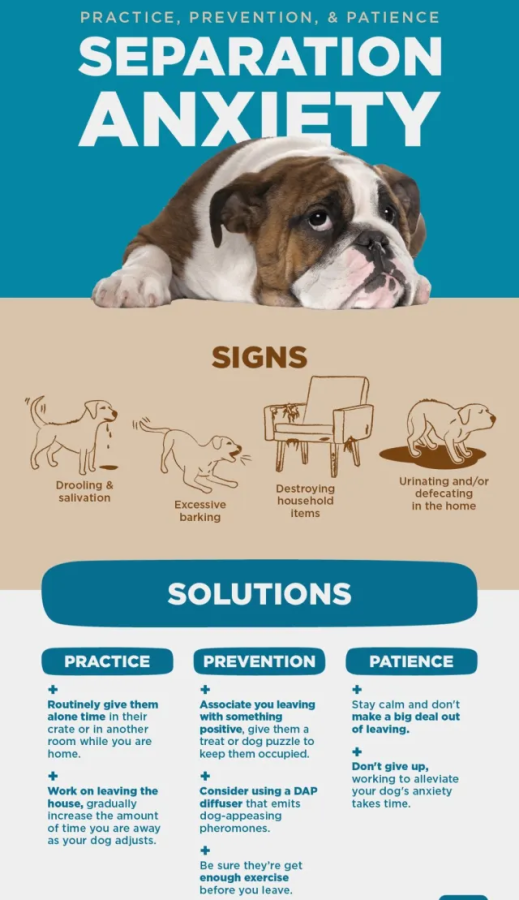
Short periods of whining or barking can happen during normal crate adjustment. However, signs such as frantic escape attempts, heavy drooling, self-injury, nonstop panic, or extreme distress should not be ignored.
The goal is to help the dog feel safe, not to force the dog to tolerate overwhelming fear. Training should progress at a level the dog can handle.
Normal adjustment signs
Brief whining followed by relaxation, taking treats, and settling down are often signs that the dog is learning.
Panic behaviors, injuries, or inability to calm down may indicate a deeper issue.
Prepare The Dog Before Crate Time
A dog is more likely to bark when placed in a crate with unmet needs. Before crate sessions, create conditions that make relaxation easier.
A calm routine works better than using the crate only when the dog is being separated from family members. The crate should become a normal resting area rather than a signal that something unpleasant is happening.
Source: suburban-k9.com
Provide exercise
A walk, play session, or training activity before crate time can reduce excess energy.
Offer mental stimulation
Simple training exercises and safe enrichment activities can help a dog settle.
Create a predictable routine
Regular feeding, potty, play, and rest schedules help dogs understand expectations.
Check The Crate Setup
The crate should be large enough for the dog to stand, turn around, and lie down comfortably. It should not be used as a place for punishment.
Location also matters. Some dogs relax better when the crate is near family activity, while others need a quieter area with fewer distractions.
Comfort
Use safe bedding and remove items that could create choking or chewing risks.
Placement
Choose a location that matches the dog’s ability to relax.
Step By Step Training To Stop Crate Barking
The most reliable crate training method is gradual exposure. Instead of expecting a dog to stay quietly for long periods immediately, increase crate time in small steps.
Reward calm behavior so the dog learns that being quiet and relaxed leads to positive outcomes.
Source: i.ytimg.com
Step 1: Introduce the crate
Leave the crate open and encourage exploration without forcing the dog inside.
Step 2: Reward calm entry
Give praise or a reward when the dog enters and remains relaxed.
Step 3: Increase time slowly
Close the door for short periods, then gradually extend the duration.
Step 4: Practice leaving
Briefly step away and return before the dog becomes overwhelmed.
Should You Ignore A Barking Dog In A Crate
Ignoring barking can work when the dog is barking for attention, but it should not be used when the dog has a legitimate need or is experiencing panic.
If opening the crate always happens after barking, the dog may learn that barking is an effective way to get released. Instead, reward quiet moments whenever possible.
Reward silence
Wait for a brief quiet moment and then provide attention or release when appropriate.
Avoid punishment
Yelling or frightening the dog can increase stress and make crate problems worse.
How To Stop A Dog From Barking In A Crate At Night
Nighttime crate barking is common with puppies because they are adjusting to sleeping alone and may still need bathroom breaks. A nighttime routine can make the transition easier.
Keep nighttime interactions calm and boring. If a puppy needs to go outside, take them out quietly and return them to the crate without turning the break into playtime.
Source: doghowto.com
Use a bedtime routine
A consistent sequence of potty, calm interaction, and crate placement helps signal sleep time.
Consider crate location
Some puppies settle better when they can sense their owner nearby.
Avoid exciting responses
Talking, playing, or rewarding barking with attention can reinforce the habit.
Common Mistakes That Make Crate Barking Worse
Many crate problems continue because the training approach accidentally rewards unwanted behavior or moves too quickly. Small changes in routine can make crate training more successful.
Understanding what not to do is just as important as knowing the correct steps.
Source: wgntv.com
Using the crate as punishment
Dogs may begin to associate the crate with isolation or fear.
Expecting instant results
Some dogs need days or weeks of gradual practice before they relax.
Ignoring all barking
Dogs should not be ignored when they show signs of distress or need care.
Inconsistent rules
Mixed responses from family members can confuse the dog.
When To Seek Professional Help
If a dog shows severe fear, separation-related distress, or attempts to injure itself while crated, professional guidance may be needed. A veterinarian can also help rule out medical issues that may affect behavior.
A qualified trainer or behavior professional can help create a plan based on the individual dog’s history and needs.
Seek help for severe reactions
Extreme panic or self-harm attempts require more support than basic crate training.
Signs That Crate Training Is Improving
Progress is usually shown through calmer behavior rather than complete silence from the first day. A dog that enters the crate willingly and relaxes is learning the desired skill.
Small improvements matter because crate comfort develops through repeated positive experiences.
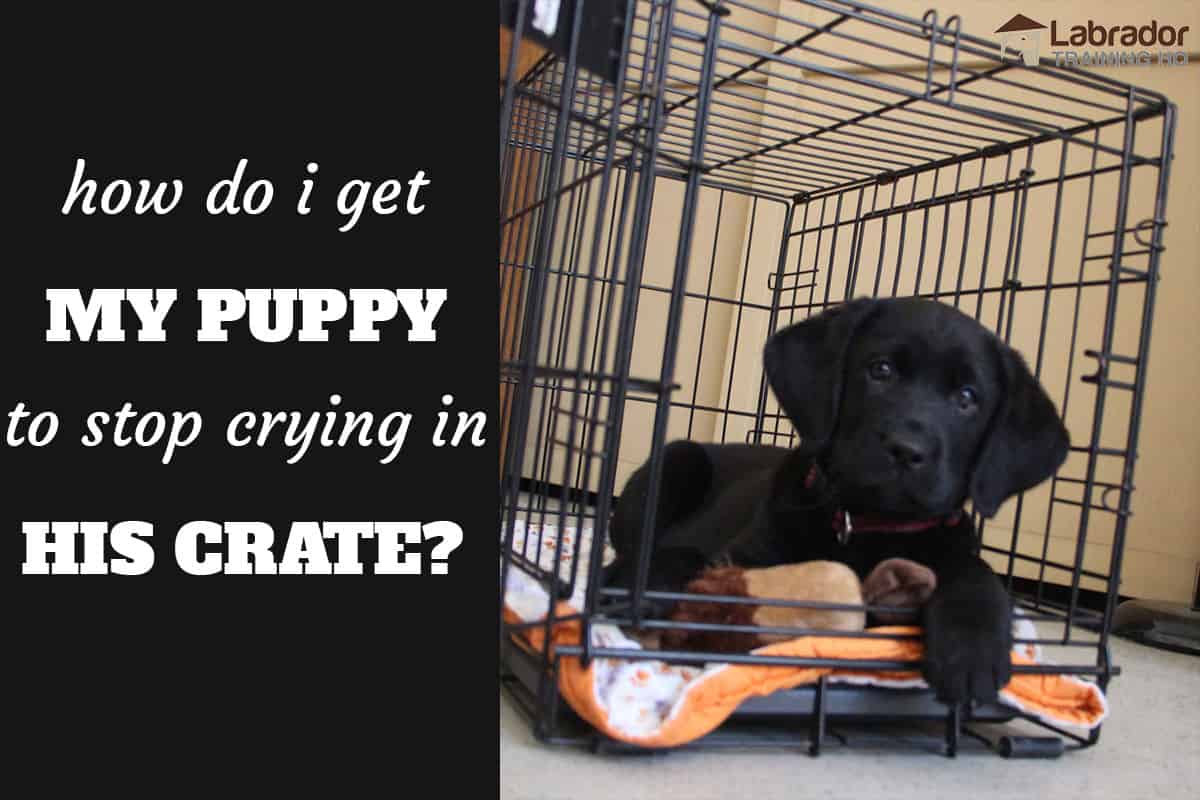
Source: labradortraininghq.com
Voluntary crate entry
The dog chooses to enter the crate without fear or resistance.
Faster settling
The dog takes less time to relax after being crated.
Reduced vocalization
Barking and whining become less frequent or shorter.
Frequently Asked Questions
Q
How long should I let my dog bark in a crate?
There is no single safe time limit for every dog. Consider the reason for barking, the dog’s age, bathroom needs, and stress level. Training should focus on teaching calm behavior rather than allowing prolonged distress.
Q
Will a dog eventually stop barking in a crate?
Many dogs improve with consistent crate training, but the timeline depends on the dog’s history, temperament, and the reason for barking. Some dogs learn quickly, while others need a slower approach.
Q
Should I cover my dog’s crate to stop barking?
A crate cover may help some dogs by reducing visual distractions, but it is not a solution for fear or anxiety. Introduce it gradually and monitor whether the dog becomes calmer or more stressed.
Q
Why does my dog bark in the crate but not elsewhere?
The crate may be linked with being alone, restricted movement, or past negative experiences. Identifying the association helps determine the right training approach.
Q
Can I use treats to train my dog to stop crate barking?
Yes, rewards can help teach calm crate behavior. Give rewards for entering, relaxing, and remaining quiet rather than only responding after barking starts.
✦ Wrapping Up
Conclusion
Keeping a dog from barking in a crate requires understanding the reason behind the behavior and building a positive connection with the crate. The most effective approach combines proper preparation, gradual training, and rewards for calm behavior.
Crate training is a learning process, not a quick fix. Dogs that feel safe and comfortable in their crate are more likely to rest quietly and view it as their own secure space.
💡 Key Takeaway
Start with short, positive crate sessions, reward calm moments, and adjust the plan if your dog shows signs of fear or distress.